You will find in this Chapter:
Border bodies. Migrations and gender
Civil resistance and pedagogical-political action. Frontier thinking and action
Border bodies. Migrations and gender
The manned loves, and fiercely defends herself against the importunity of love. She loves and kills. From the depths of sex, from the dark and primal past of the battles of the sexes, arises this split and bifurcation of the feminist soul, in which woman finds for the first time the fullness and primal integrity of her feminine consciousness. Thus, tragedy is born when the feminine essence affirms itself as a dyad (Vyacheslav Ivanov, The Essence of Tragedy).
The circumstances that make up the ontological dimension (singular and plural) of being in itself and of being in the world, have been historically constituted – in an ambivalent, interested or prejudiced way – from the naturalistic bio-genetic perspective (race, sex, attributes, capacities, deficiencies or disabilities…) and the original socio-geographical or belonging perspective (people, customs, culture, religion, economic status…). …) and the original socio-geographical perspective or of belonging (people, customs, culture, religion, economic status…), thus erecting the ethnographic and ethnological characterisation that classifies human collectives in the same way that zoology or geology does. Civilised” ethnicities versus “barbaric” ethnicities, dominant sex over subjugated sex, strength over weakness, “true” beliefs over “idolatries”, white over black, economic and military power over dispossession and defencelessness. Identities of dignity and identities of unworthiness, humanity of rights and humanity of surplus. It has been these essentialist criteria for shaping identities that have justified the history of slavery, colonialism, patriarchy, extractivism, indoctrination and religious wars, segregation, invisibilisation, depredation, destruction and death of the other, of the other, of the other. It is the great identity trap that has drawn and normalised the cartography of inequality and iniquity. Borders as new spaces for relations and cosmopolitanism. Relocation and the decentralisation of the world: The study of international migration has attracted one of the greatest multidisciplinary interests in recent decades, especially when this type of population movement involves one of the most interesting paradoxes of contemporary times. Current economic and technological globalisation allows for the free movement of capital and information around the globe, but seriously limits the free movement of people between states. However, those who manage to migrate – usually from a less developed state to one with a better economic standard – witness a series of civil, social and political contradictions in both their territory of origin and destination. To speak of transnational migration is to echo the concept of transnational community. It is associated with a community that extends and consolidates beyond national borders, emphasising the cross-border phenomenon of certain human groups and where the migration problem is associated with movements of people or group values that the immigrant tends to preserve in a foreign territory. Over time, the definition of transnational community has also managed to synthesise the multiple relationships that link the societies of origin and destination.
From the border, the view of the world changes. The margins of nation-states are unthought of in political theories of order, in the same way that urban interstices or informal economies remain unthought of. They are defined negatively and residually. The ideal of management called ‘global governance’ – a model genuinely altered by the disordered exercise of politics in the undifferentiated demos – has been put into action, favouring divisions and the device of hermetic worlds through control and adherence to the system, forming a caricature of the world-model that pretends to return everyone to their own identity (be it national, racial, gender, sexual, ethnic or religious).
One of the key concepts through which such concerns are analysed is that of ‘difference’. It is a construction that has been sustained by various fields of theoretical and political debate: feminism, class analysis, anti-racism, gay and lesbian politics, psychoanalysis, post-structuralism and so on. How and through what processes do different ideas about ‘difference’ acquire meaning and social significance? What is the relationship between the psychic and the social in the notion of ‘difference’? How do we construct politics that does not reduce everything to the economy of the same and that does not essentialise difference? Such questions have led me to suggest four ways of conceptualising ‘difference’: as experience, as social relation, as subjectivity and as identity (Avtar Brah, Cartographies of Diaspora, 2011:38).
Frontier bodies: The indifference towards the world around us and the loss of the vision of the ‘other/other/other’, about whom there is no relationship to symbolise, is the general tonic of our time. A dominant conception that is a praise to individualism, to the defence of bodies, territories and private goods against a world under suspicion of being miserable and intrusive. The planet does not make a common world. This is the subtext heard and shared by hate speeches, xenophobic, homophobic, misogynist, …in a combat of the self against a world considered threatening that is expressed in the public and political arena in the form of cynical statements, referring to the model of the politics of the ‘owners’ guarantors of the delimitations and the “spatial orders of the earth and the sovereignties associated with them. Sovereignties and private territories found the friend/foe confrontation, the antagonism. The threat comes from the ‘outside’, empty and absolute, imagined as a shadow, as an abstract foreigner, demographically in excess, surplus, with no other form of recognition than that of this excess. In all the relatively privileged states, spaces and environments of the planet, this politics of indifference underpins the politics of protection of privilege and the postures of segregation of ‘the nobodies’, the nameless, the clandestine (‘roms’, ‘blacks’, ‘refugees’, ‘undocumented’…), confined to the ‘outside’, to the ‘outside’, to the ‘outside’, to the ‘outside’, and to the ‘outside’. …), confined to the margins, who claim or impose their presence in the world, a world that is both more accessible and more closed than ever.
This cultural interpretation of the border allows us to dispense with the usual geographical, economic, demographic and political explanations in order to emphasise the representations, the meanings of life, of the world, of us and the others. And in doing so, it moves from objectivity to subjectivity, from the third person to the first person. Languages, with their way of categorising the world, systematise this identity and establish symbolic boundaries. The mapping of bodies also allows us to make this leap, to think of them beyond the apparent naturalisation of the physical body, to semioticise them, and thus to analyse their identity and their sense of self and other as a cultural frontier. (Diana Maffía, Cuerpos, fronteras, muros y patrullas, 2009:218).
Containment then takes the form of the ‘wall‘ and forces the work of control and surveillance at the borders by the efforts – as legitimate as they are considered ‘illegal’ – of displaced bodies to cross these limits. Certain legitimacies oppose each other: the legitimacy of the open world is confronted with the legitimacy of protection against the ‘misery of the world’, the legitimacy of national sovereignty with the legitimacy of cosmopolitics. This conflict of legitimacies explains the transformation of borders into walls. This transition from the uncertain border to the wall, from the relationship to the identity enclosure that leads to the disappearance of the other, of the other, is what we urgently need to rethink and fight against. Disarming the trap of identity confinement begins with giving a name to each face, to the foreigner, discovering him or her as a subject other. Subjects without identity a priori because they lost it in their departure and exile and are still searching for or reconstructing it. But they are also those who, here and now, make an irruption on the border, disturbing the ‘normalised’ and routine order. They are ‘border beings’, trapped in the interstices and cracks of the world, who have turned that place of passage into a ‘waiting zone’, that ‘non-place’, into a new space of relations and coexistence, of social and identity latency.
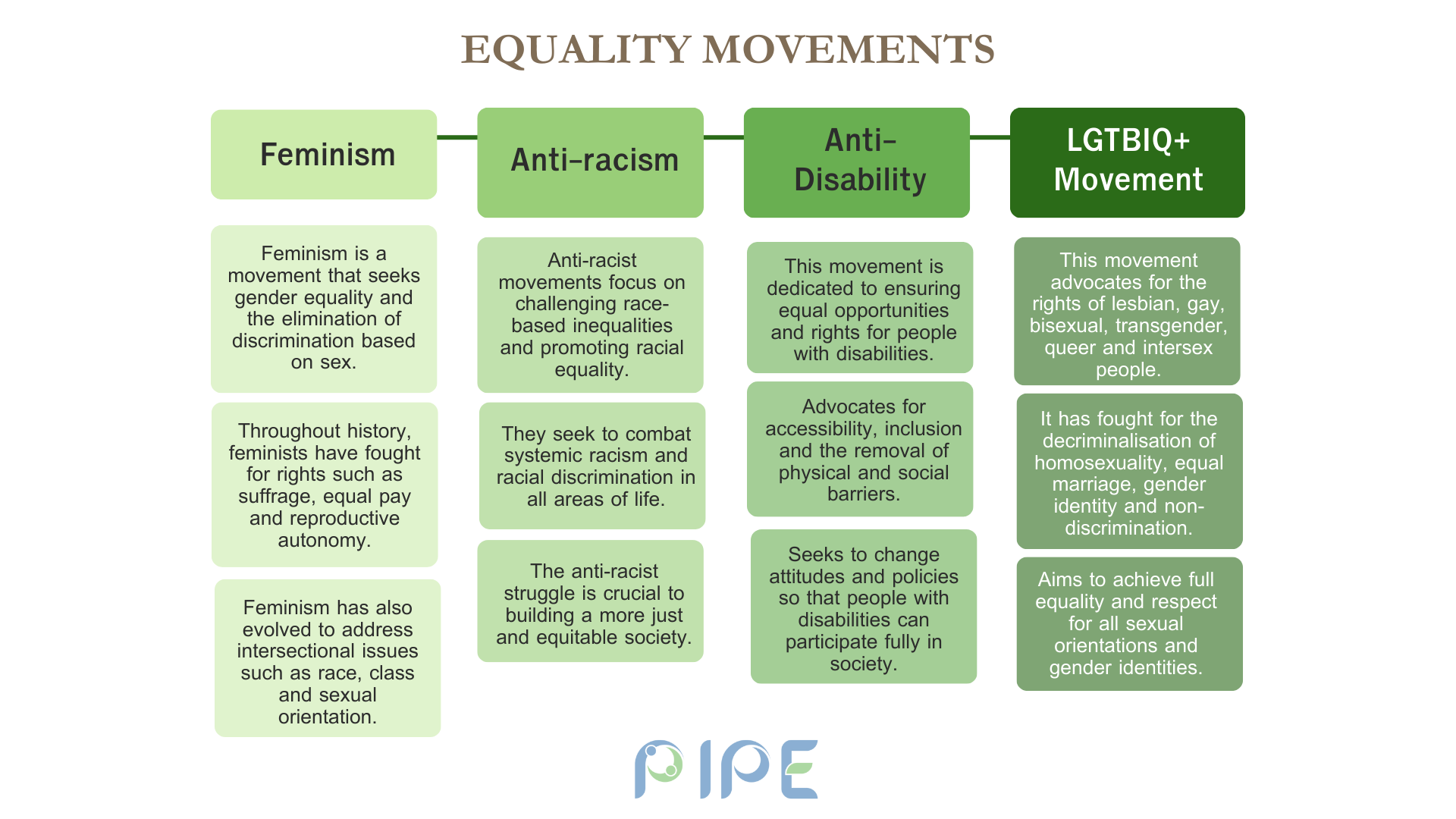
The conditioned condition, the conditioning choice: Today, various social groups that were and are historically excluded from the social fabric find open spaces for political struggle under the claim of difference. However, in a neoliberal socio-economic context, which exalts the recognition of a universal and egalitarian citizenship while ignoring the material inequalities of existence, claims for the recognition of a particular identity run the risk of being functional to it. This manifests a problematic tension in the articulation of demands for cultural recognition and material redistribution within identity politics.
Increasing political participation through identity movements has spread globally, especially after the collapse of the great emancipatory narratives. Since then, the advent of identity discourses has called on various groups or social sectors that were (and still are) historically excluded to fight for the recognition of their identity within the social fabric. This call is constructed on the basis of the defence of difference and plurality and can thus give rise to new open spaces for political struggle.
The demands proclaimed by these movements have cultural recognition as their main quest. However, it is important to highlight the existence of economic, legal and institutional problems that go beyond the cultural question, such as the lack of housing, food, access to health and education, etc. Both feminism and other culturally subordinated and excluded groups are not only affected in their social recognition, but also in their effective access to support and vital infrastructures that allow them to develop a materially possible existence. Thus, in principle, an articulation between demands for difference and demands for equality, i.e. recognition and redistribution, seems to be necessary.
Added to this is the current prevalence of weak market regulation in economic matters and the provision of neo-liberal state policies that directly affect the capacity for political agency of these “new” social movements, especially insofar as it favours the neutralisation of their expressions and public manifestations. Even the demands for recognition sometimes, more than we would like, become functional to the liberal ideology that is concerned with exalting the recognition of equality and formal freedom, but which at the same time ignores the profound inequalities in the material and economic conditions of existence. An example of this is the so-called pinkwashing, i.e. multinational companies and organisations that use symbols or slogans from different demands (as in the Pride March or in the mobilisations developed in the framework of International Women’s Day, or in the sustainable labelling of products…) to broaden their public acceptance by appearing green and inclusive, while at the same time, in their internal labour policies, they pollute, discriminate and exploit the subjects they represent.
In the face of this political phenomenon, it is important to recognise the existence of the risk that narratives defending identity are (and, in fact, are) used by liberal and conservative positions that seek to conceal or mask the growing inequality that affects, above all, the lives of the most vulnerable sectors of society. Issues of recognition and redistribution continue to be discussed not only in sexual diversity studies, but also in gender, indigenous and racial studies, both regionally and globally.
The construction is neither a subject nor its act, but a process of reiteration through which both “subjects” and “acts” come to emerge. There is no power that acts, there is only a reiterated performance that becomes power by virtue of its persistence and instability (Judith Butler, Bodies that Matter: On the Discursive Limits of “sex”, 1993:9)
In the field of discourse, the performative production of subjectivity configures and symbolically delimits the realm of the liveable, that is, of what is understood as human. Subjects who respond to, assume and/or identify with the hegemonic normative matrix are configured as intelligible beings within the discourse. However, the performative performance also delimits and configures the sphere of the unintelligible, of the abject, where a conclusion of the discursive field is produced. Thus, subjects who do not assume or identify with the hegemonic norms are configured, then, as culturally unintelligible beings and thus conform the exteriority of the social matrix. This performative production of subjectivity configures and delimits what is considered human within the field of discourse, as well as what is outside it, what is considered non-human. Necessarily, subjectivities are produced that do not respond to the matrix and constitute the “unliveable” and “uninhabitable” zones of social life. These unliveable zones, which are nonetheless densely populated, are located at the margins of the culturally recognisable and are established as the social boundary necessary to distinguish the lives that matter from those that do not.
The abjection of certain lives from the social fabric acts as a boundary that produces and regulates hegemonic cultural discourse. In other words, the configuration of the uninhabitable establishes and secures the frontier of the effects of normalising power. The production of subjects from the outside, in the “presumption of humanity”, and their persistence in space demonstrates that hegemonic law is highly productive, but that it also possesses fissures and is therefore susceptible to destabilisation, which is why it is formative but also very vulnerable.
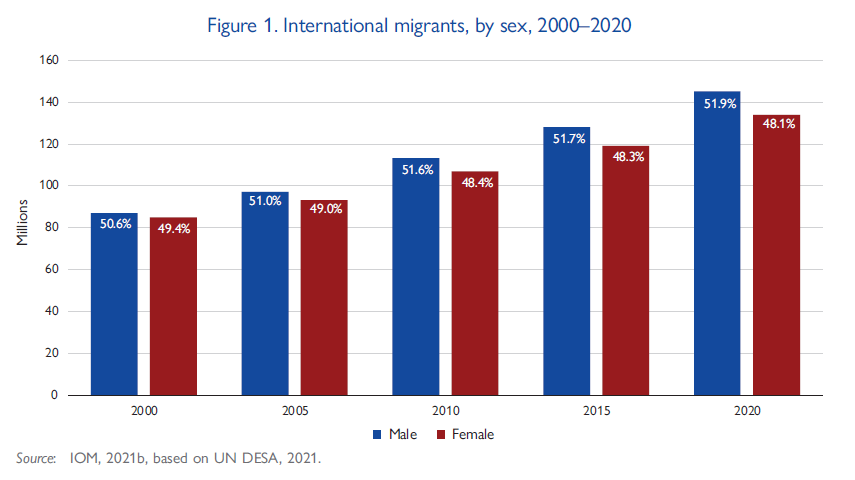
Men and women from different socio-economic backgrounds, age groups and ethnic origins leave their places of origin and cross borders in search of better living conditions and new job opportunities or escaping difficult situations. Today, it is estimated that more than 272 million people worldwide have left their countries of origin, 50 per cent of whom are women. Since gender is a major structural variable that can alter all social processes at micro and macro scales, it also affects the different dimensions of the migration phenomenon and the various stages of the migration journey.
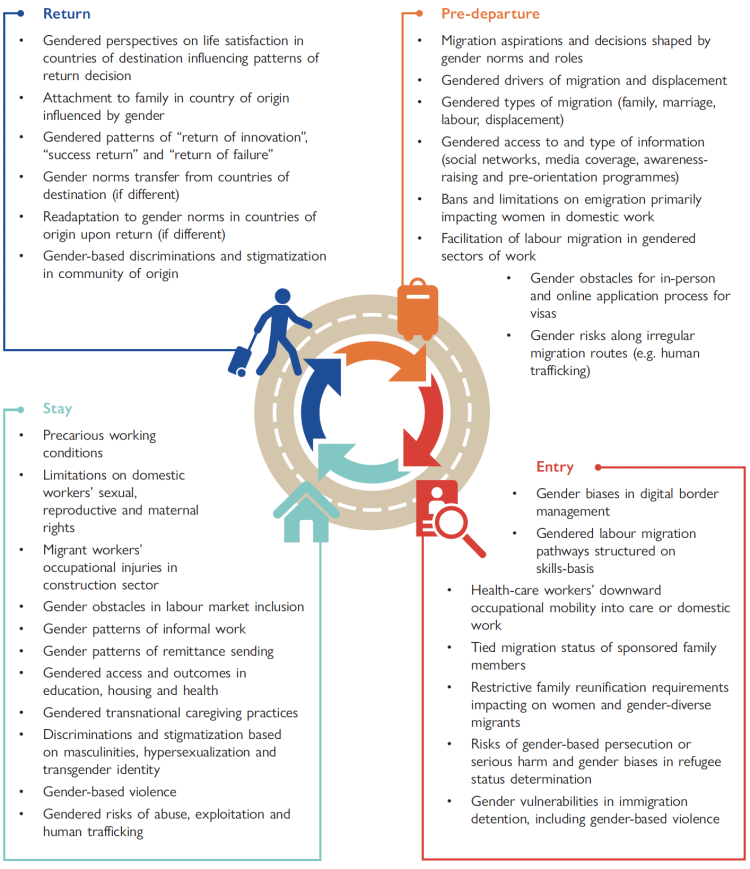
The drivers of migration are associated with individual gender conditions and/or stereotypes. In the case of men, the obligation to fulfil the role of provider predominates, while in the case of women, factors such as forced marriages or domestic violence, social rejection as single mothers or childless women, ethnic discrimination or discrimination based on sexual orientation, among others, play a role. If displacement, transit, migration in general, inhabiting these new relational spaces that borders, refugee camps, ghettos of confinement, the ‘outside’ as a destination, are already difficult… imagine what it can mean for a migrant, a woman, black and lesbian, for example.
From the 1980s onwards, the feminisation of poverty and feminised migration began to be discussed. Until before the 1980s, women migrated mainly as dependents of their husbands. The latter, in the light of gender stereotypes, were seen as more geographically mobile and autonomous individuals, while women migrated to join their spouses and take over activities mainly related to household care. However, changes in the global economy in the 1980s (which reduced the demand for male industrial workers), new demographic patterns in Northern countries (ageing population) and a weak state apparatus structure that failed to guarantee public care services for the elderly, increased the demand for cheap female labour in the care sectors, leading to the active insertion of migrant women in these markets and jobs. The so-called “feminisation of migration” is precisely part of a new socio-economic dynamic in which women begin to move independently, enter the labour market and have the capacity to contribute through remittances that are even higher than those of men (at least in terms of their income). This process of feminisation of migration has demonstrated women’s capacity for agency both in family or autonomous migration projects and in making decisions about their own lives in an exercise of personal freedom.
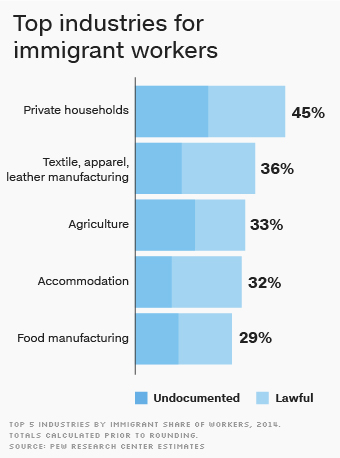
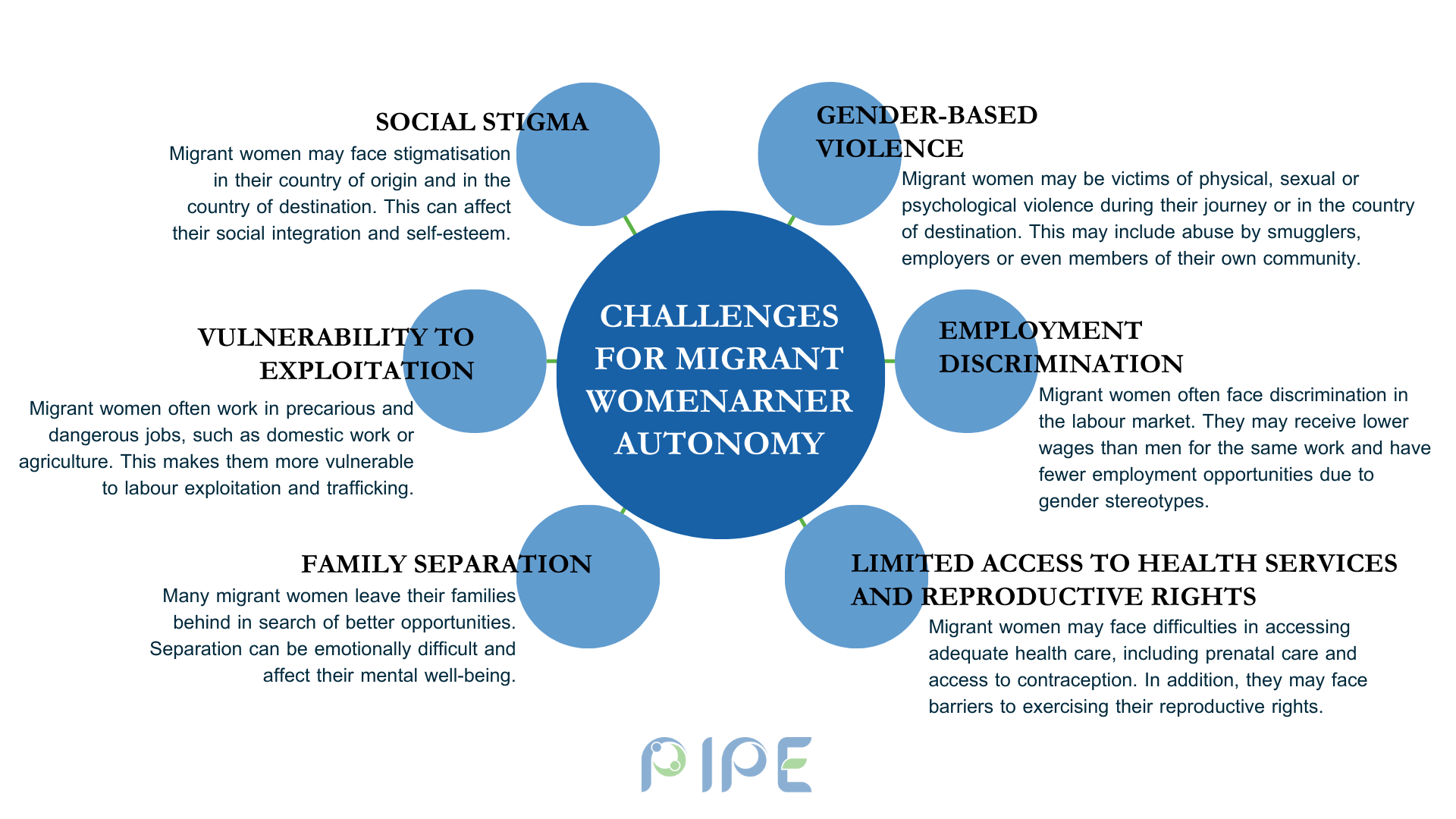
It should be noted, however, that in the jobs performed by migrant women, a clear predominance of domestic, service and care work can be identified. This phenomenon responds to gender biases and reproduces traditional patterns that place women in more precarious work situations, with lower salaries, and without adequate legal and labour protections. In addition, and as mentioned above, most migrant women work in jobs that do not reflect their skills and academic training. This situation is aggravated by the more frequent denial of work and residence permits to migrant women, which leads to their insertion into increasingly precarious economies.
The sexual exploitation of migrant women is another aspect that cannot be ignored. Parallel to the increase in international migration, the illegal trafficking of migrant women is growing as a source of income.
In addition to domestic work, other sectors that absorb formal and informal female migrant labour in Europe and the United States are agriculture, livestock, hospitality and textile factories. These occupations are also characterised by low wages and long working hours. In analysing women’s migration conditions, it is essential to recognise that their gender intersects with other dimensions of social hierarchies such as age, nationality, social class, ethnicity and sexual orientation, among others, all of which affect their migration experience in different ways. Indeed, the different labour niches, which in some cases might lead to a quasi-servile (especially domestic and care workers) or degrading (sex workers) labour relationship, are intertwined and highly dependent on the above-mentioned dimensions of social hierarchisation.
A novel approach related to current development practices proposes the territory as a unit of analysis and its evaluation based on the United Nations Sustainable Development Goals. This approach seeks to ensure that public policy programmes focused on migrant women ensure minimum conditions and support for their sustainable development with quality of life. Some of the goals include the reduction of the gender wage gap and the prevention of forced labour.
Finally, it is worth highlighting the importance of gender studies in recent years in making women visible as key protagonists in understanding the complexity of the migration phenomenon. However, even though it has been verified that they are frequently at a disadvantage (in terms of employment, social and/or integration), the tendency to describe them as mere victims of their circumstances ignores the fact that migrant women, as well as men, have been protagonists in the nexus between migration and development. Specifically, women have proven to be active participants in their own migration decisions. Understanding the different gender roles in these displacement processes can facilitate the understanding of migration flows and enable the formulation of more appropriate migration policies.
Violence in origin – transit – destination from a gender perspective: For most people who undertake migratory processes, these processes involve an itinerary of vulnerability. The causes that lead them to flee, the obstacles they encounter in transit and the conditions they face in the host country place them in situations of lack of protection, discrimination and constant violation of their human rights.
In the first instance, we intend to denounce how gender rules and roles influence the causes and consequences of migratory processes. It is necessary to analyse and interpret the contexts, evaluate and design policies from a gender perspective, because gender shapes the migratory processes of women who, because they are women, experience situations of greater risk and violence.
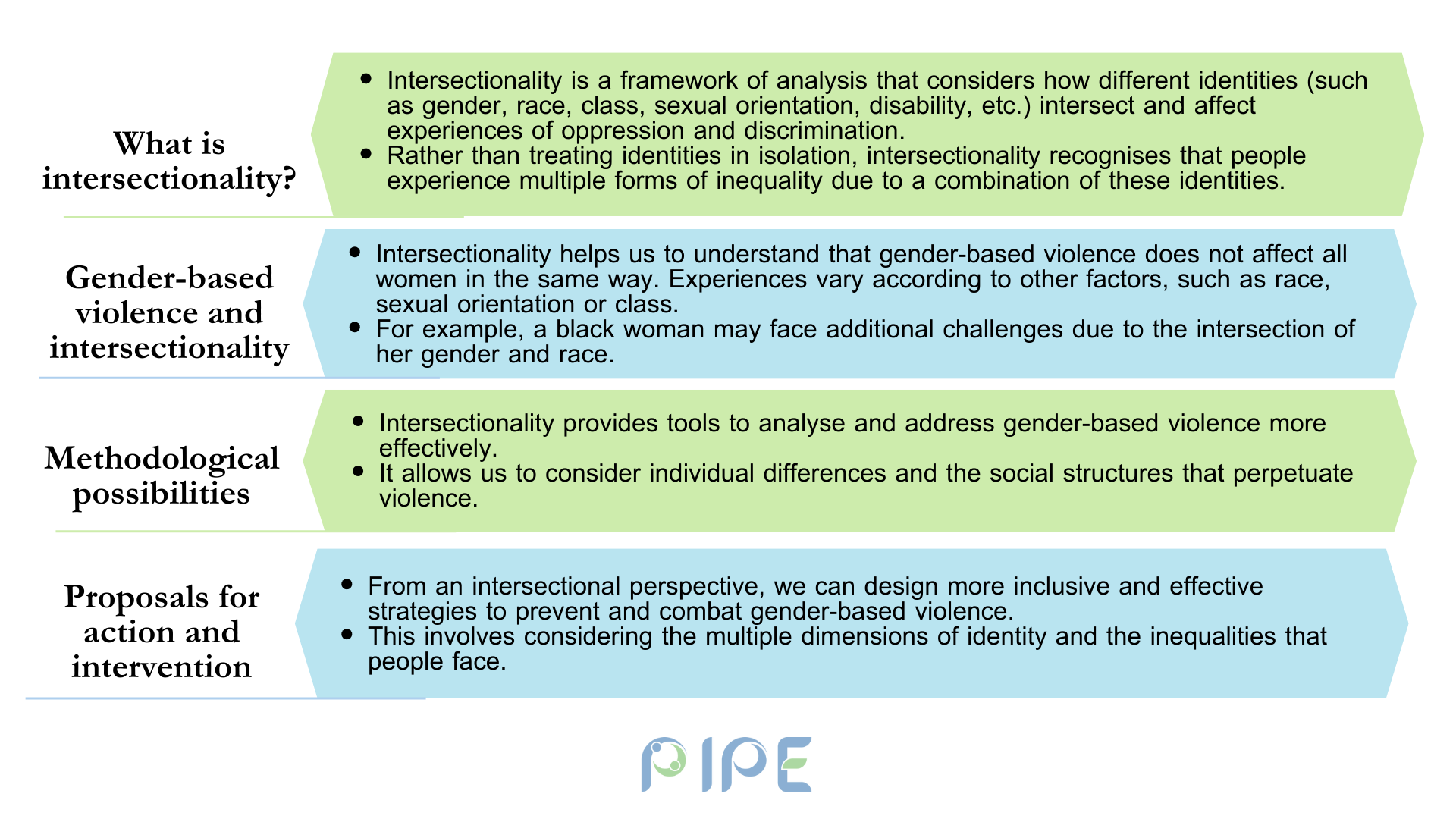
Moreover, these abuses are accentuated by the intersectionality of violence. In other words, migrant and migrant women, apart from being women and migrants, are also affected by other causes of discrimination that intersect with the above: age, race, ethnicity, nationality, religion, marital status, family status and sexual orientation or identity, among others.
We recognise that racism, racial discrimination, xenophobia and intolerance occur based on race, colour, nationality or ethnic origin and that victims may suffer multiple or aggravated forms of discrimination based on other factors such as sex, language, religion, political or other opinion, social origin, property, birth or other status. (OHCHR,2001).
“Intersectionality refers to particular forms of intersecting oppressions, for example, intersections of race and gender, or of sexuality and nation. Intersectional paradigms remind us that oppression cannot be reduced to one fundamental type, and that oppressions work together in producing injustice.” (Hill Collins, 1990:18)
Temporal continuity shows that women live in a situation of vulnerability throughout their lives; while spatial continuity refers to the fact that violence against women is not confined to a specific culture, region or country, but is a global reality that accompanies women in any geographical location.
The migratory context confirms that, because of traditional gender roles, many women lack access to their rights under equal conditions, a reality that undoubtedly complicates and hardens women’s migratory processes, increasing their vulnerability throughout the migratory process and perpetuating relations of inequality. Thus, the growing trend of the feminisation of migration in recent years, the double discrimination they face for being migrants and being women, and the invisibility of this reality and its consequences such as human trafficking, labour and sexual exploitation, violence, etc., make it necessary to make visible and denounce the reality of migrant women in a comprehensive manner to raise awareness, involve and mobilise citizens and the political class in the defence of women’s rights from the origin, during transit and on arrival at their destination.
New academic perspectives are increasingly focusing attention on certain particularities of the migration process, such as women’s participation in this spatial phenomenon, debates on migrants’ human rights and the generation of mutual support networks in the light of the existence of transnational communities.
What is required of us, in the light of a commitment to ethical universalism, is that we act consistently with respect for the dignity and worth of the people involved, and that we are willing to resolve controversial issues through open and unrestricted discussion in which all participate (Benhabib, 1992: 40).
This is citizenship under tension from a gender perspective. For the same reason, female immigration and its practices in new geographical spaces will allow us to debate the work of making these subjects visible, made up of individuals who are bearers of rights that are not exempt from contradictions on the cultural or moral planes and the violence of democracy in immigrant subjects, and the need to subvert the conceptualisation of citizenship traditionally put forward by modernity, recognising the contradictions – real or apparent – between the universalisation of human rights and the political rights of citizenship.
We reaffirm that all human rights are universal, indivisible, interrelated, interdependent and mutually reinforcing and that all human rights must be treated in a fair and equal manner, on the same footing and with the same emphasis. While the significance of national and regional particularities and various historical, cultural and religious backgrounds must be borne in mind, all States, regardless of their political, economic and cultural systems, have the duty to promote and protect all human rights and fundamental freedoms. UN General Assembly at the occasion of the 60th anniversary of the UN, the words of 1993)
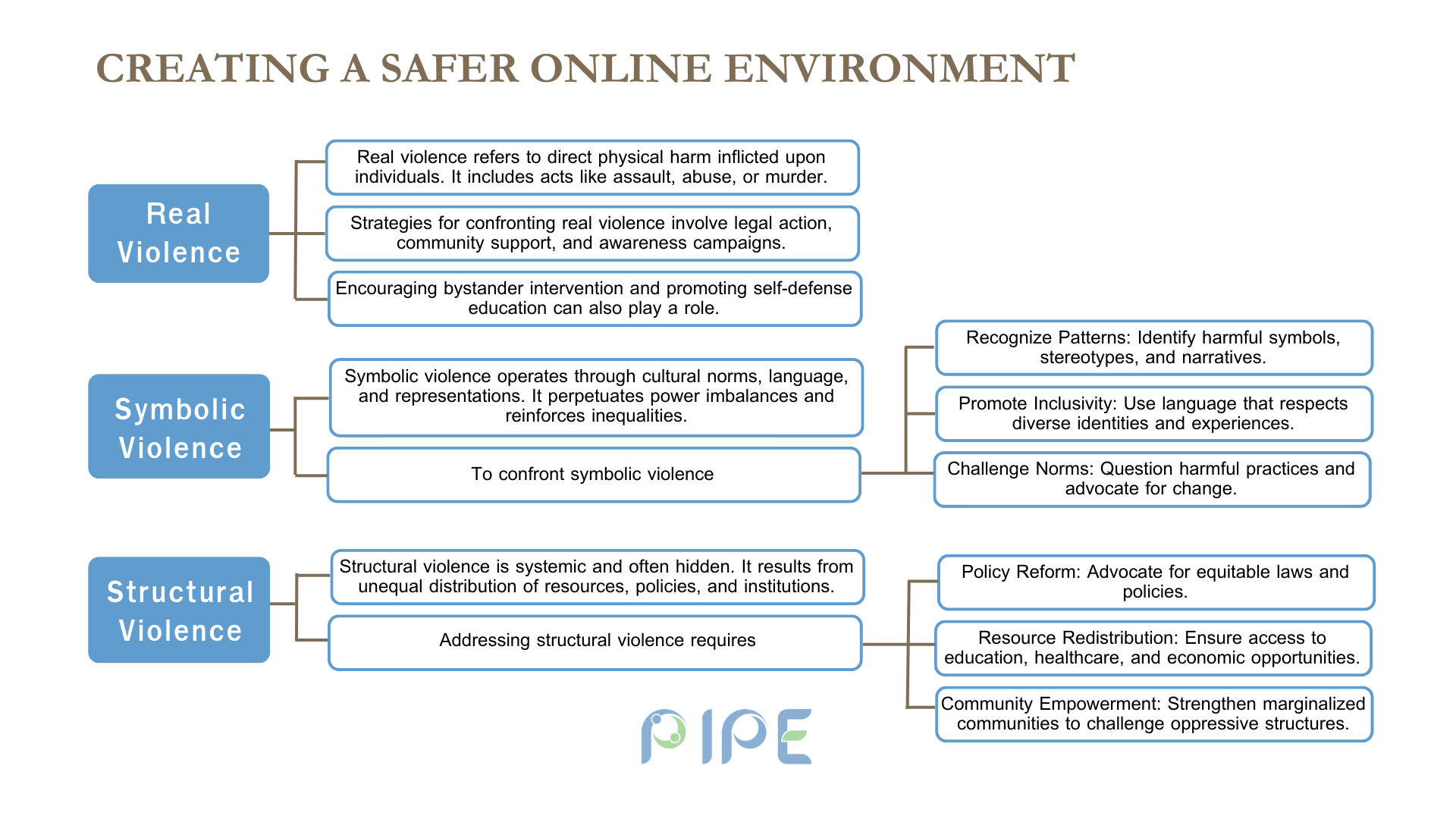
The international community needs to move towards a global governance of migratory flows that puts human rights first to try to counteract the discourse of fear and hatred spread by various currents in recent years, especially in Europe and America. We want to give visibility to the inequalities and rights violations suffered by the migrant population, especially women and girls. We promote the construction of a global citizenship committed to equity, justice, hospitality, reconciliation and co-responsibility from a gender perspective. The big question then arises: how do we confront real violence, symbolic violence and imposed structural violence?
Civil resistance and pedagogical-political action. Frontier thinking and action
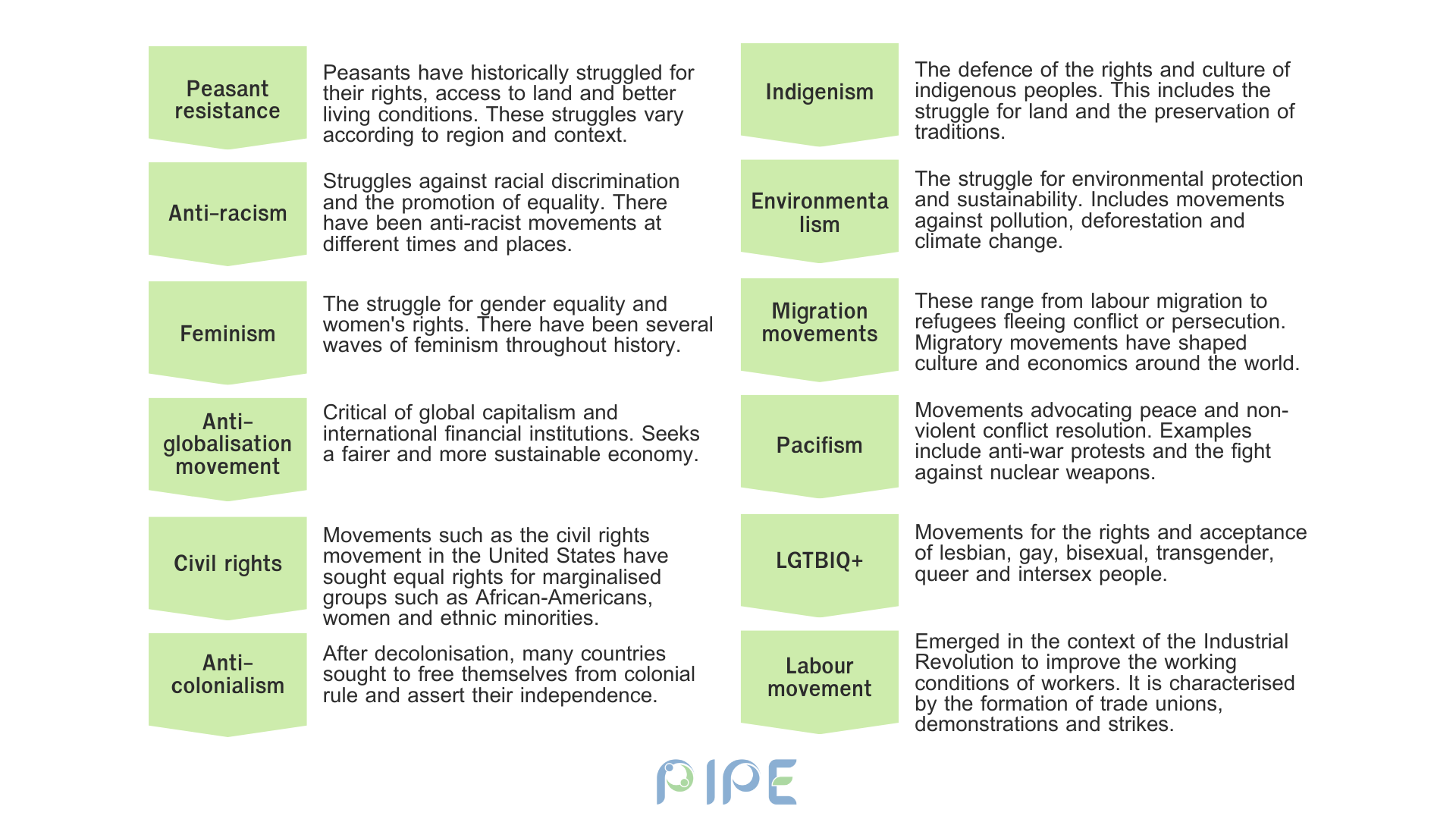
From the rise of the working class, peasant resistance, civil rights struggles, migratory movements, anti-racism, anti-colonialism, pacifism, feminism, indigenism, the demands of LGTBIQ+ collectives, to the anti-globalisation movement, or environmentalism, in modern times the collective actor that par excellence has assumed civil resistance as a priority – though not exclusive – form of political action, has been the social movement. In this area, the capacity for innovation shown by social movements has been remarkable.
Given the importance of obedience and cooperation for any political action based on civil resistance, a collective political actor that opts for it will orient its strategy to ensure that they are withdrawn and, in particular, to ensure that the attitudes of disobedience and non-cooperation spread among broad sectors of citizens, that is, among the greatest possible number of third parties not directly involved in the conflict. This, in turn, with the aim of generating effects on the correlation of forces that this actor maintains with its socio-political adversary.
Regarding the latter, it is often discussed whether non-violent action should be aimed at trying to achieve the “conversion” of the opponent (i.e. to persuade him of the need to change his position) or whether non-violent coercion is unavoidable to force him to compromise. But the distinction does not seem relevant, since, in our opinion, in practice any eventual conversion derives from coercion, and even self-imposed suffering is a form of coercion in which, moreover, the consideration of what public opinion might think about it is something that will never cease to be in the accounts of the two parties to the conflict. In other words, persuasion of the adversary does not occur in the abstract and outside of public opinion, and the latter is the real lever on which non-violent coercion relies: the threat to the adversary that uncooperative attitudes will spread either among majorities or among key supporters on his own side (including organised social actors, certain international actors and even state security agencies), thereby fracturing his unity.
…strategy is subordinate to politics, which in this context refers to the broad decisions made about how to conduct a given struggle: whether to fight, what to fight for, what costs one is willing to bear in conflict, and what might constitute an acceptable compromise. Ideally, strategy is governed by such decisions and is geared towards maximising the ability to execute in achieving the aforementioned ends, by exchanging sanctions with opponents, following policy parameters…. while strategy governs choices that span the entire arena of conflict (no matter whether this is a battlefield or society), tactics refer to those decisions and actions that serve to optimise limited and particular encounters with opponents. (Kruegler, 1997).
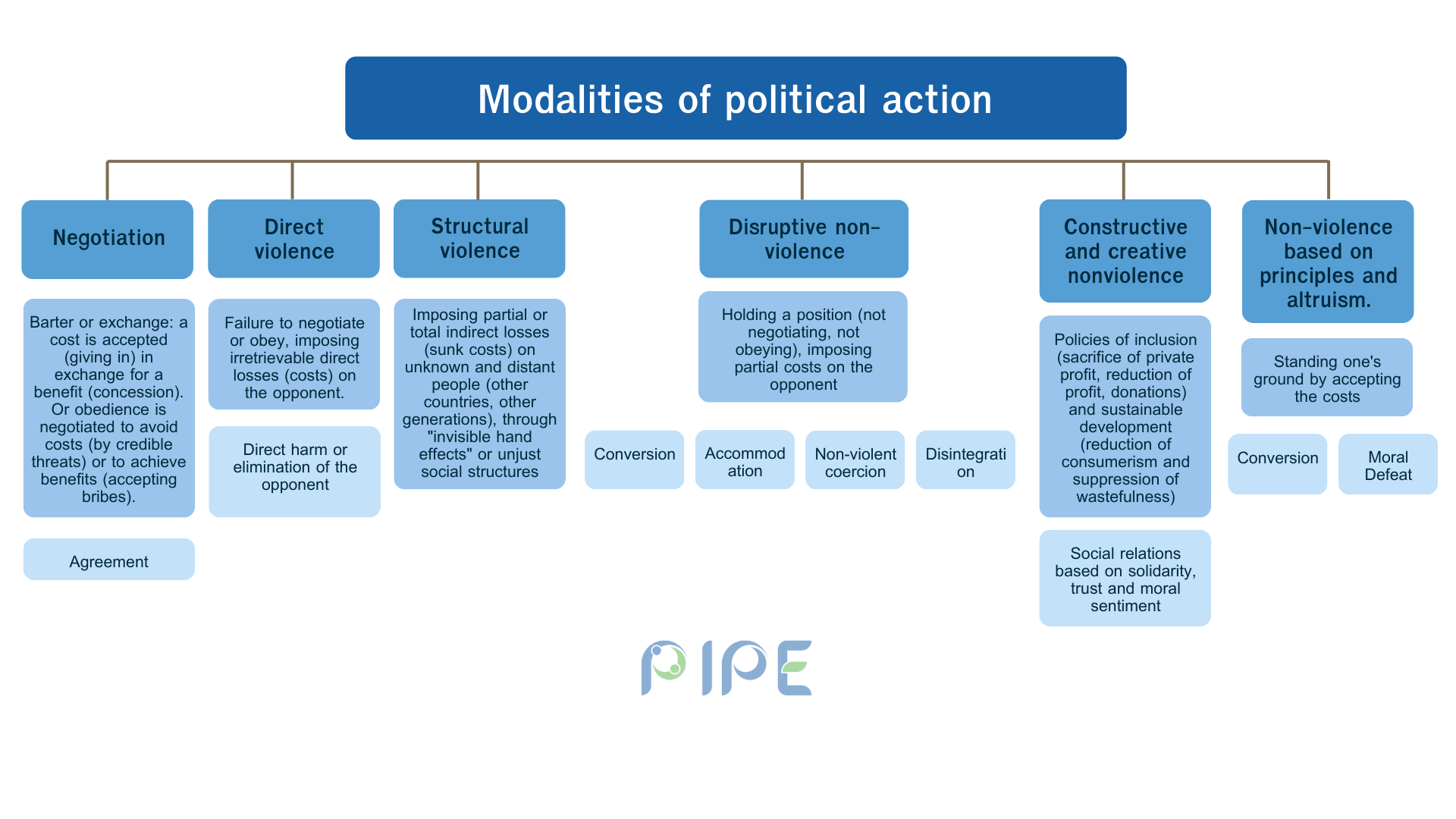
In general, political science usually identifies three means by which a collective political will is formed: negotiation (based on the instrumental exchange of interests), deliberation (based on mutual persuasion and agreements that are generally based on shared cultural norms) and coercion (derived from the exercise of pressure, which can be violent or non-violent). Civil resistance, as we have seen, involves, in one way or another, non-violent coercion of the political adversary, to force him to negotiate (which is more feasible if what is at stake are interests and not identities, i.e. convictions derived from cultural belonging). But, at the same time, civil resistance also implies an exercise of persuasion with respect to third parties not directly involved in the conflict, who, if seduced, will become part of the coercive strategy directed towards the actor with whom the conflict is locked.
However, persuasion and convincing, although they obviously have a linguistic component, are not reduced to the simple rational structures of language and pure discursive exchange, but also have to do with deeds and actions, that is, with the symbolic understood in its most general sense, all of which, in the case of civil resistance, are not limited to the simple structures of language and the pure discursive exchange, but also have to do with facts and actions, that is, with the symbolic understood in its most general sense, in the case of civil resistance, not only serves to inform third parties (what anarchists have called “propaganda by deeds“), but also to put pressure on the adversary and force him to yield when he perceives that public opinion tends to withdraw its support and that the unity of his bloc is beginning to fracture. Civil resistance thus refers to action that persuades public opinion by introducing new meanings and meanings, and to non-violent coercion that pressures the adversary to negotiate. In this case, therefore, forms of protest and persuasion, non-cooperation and intervention work in both directions.
But insofar as these forms seek neither physical aggression nor the elimination of the adversary, although they do seek to transform the relationship of forces that defines a given conflict, it becomes clear that for the strategy of organised civil resistance the end doesn’t justify the means, but rather the means are what define the very essence of this type of action. For non-violent action, the means are an end in themselves.
Finally, the picture of lack of solidarity, indifference or hostility drawn above needs to be qualified. In many places, voices, attitudes, action programmes and solidarity interventions are increasingly visible, individually or through associations and collectives, which seek to help displaced people of all kinds, ensuring the application of human rights and trying to de-demonise those who are disinherited, segregated and made invisible for whatever reason.
This attitude has found a place in recent years, especially in the artistic-cultural sphere, in the world of research, the arts and education, where for some time now there have been creations, dissemination of contents, pedagogical actions and artistic manifestations linked to the understanding of the other subject, showing these subjectivities of the ‘outside’ from a look of proximity, an empathetic experience and a decentred position, leading to a change of mentalities and the construction of consciences of solidarity.
This hospitable attitude within a globally hostile context towards the ‘stranger’ is also expressed as a political alternative, even if it is still a minority, thanks to militant mobilisations on asylum, free movement, the rights of trans-terrestrials, respect for gender identities and sexual choices, welcoming pedagogical contexts, linguistic support and exchange of knowledge for inclusive and intercultural integration purposes. These are culturally heterogeneous environments whose motivations – humanitarian, political, for example – generate effects from the point of view of protection and peaceful coexistence with the ‘others’ outside the norm.
The starting point is a borderline existence in exile and exodus, abysmal, of uncertain origin, but with tragic consequences, finitude and death. He is haunted by that nothingness which, since the mystics and tardo romanticism, is a nothingness hungry for existence. In the end, it only claims what is its own, for if God created the world out of nothingness, we are made of it (…) The architecture, the sculpture of the inhabitants of the frontier, thus become an ethical exercise. For Trías, the knowledge of the limit is not a science but receives the old name of wisdom. This is a “critique of practical border reason” with its categorical imperative: “learn to be a borderer”. In other words, assuming the centurial, interstitial condition of border dwellers thus becomes an ethical exercise. (Molinuevo, José Luís: “La razón fronteriza. Eugenio Trías”. El Cultural, 7 February 1999)
The border always works with mediations, in the manner of fairy guardians and protectors, gatekeepers or translators of hospitality. The latter allow us to understand on a linguistic or cultural level the relationship between two people who do not know each other but find themselves in a border situation, of uncertain entry, going beyond the condition of coexistence to that of possible coexistence.
However, and despite the triumphalism of their siren wifis; in the cross-border wastelands, exodic epistemologies inhabit against the tide; exiled and stateless knowledge, containing ways of looking that host, in imaginary alcoves, that world in which many worlds fit. A melting pot of condemned people who share the indignation of those excluded by abysmal inequality, the diaspora of freedom, perpetual war and the domination of nature. They share the indignation and suspicion that dwells in Sartre’s prologue to Fanon’s book, that the world was already divided up back in 1494, when capitalism was born, at Tordesillas. That the memory of the eutontinmenumera Europe, with its lines of friendship, needs a redistributive ethos, a frontier reason and a post-abysmal thought as a sanctuary of hermeneutic translation where the collective knowledge carried by those who protect the children of nobody, the owners of nothing, can converse, building in the shadow of borders an epistemological diversity of resistance that culturally translates heroic expertise into edifying knowledge and conformist action into rebellious action. (Novoa, Pedagogías Apátridas, 2018)