You will find in this Chapter:
Introduction to new information technologies
Electronic headquarters of public institutions
Ethics and responsible use of social networks (Data protection and the right to privacy)
Identification of fake news on the Internet
ICTs and language teaching for migrants
Introduction to new information technologies
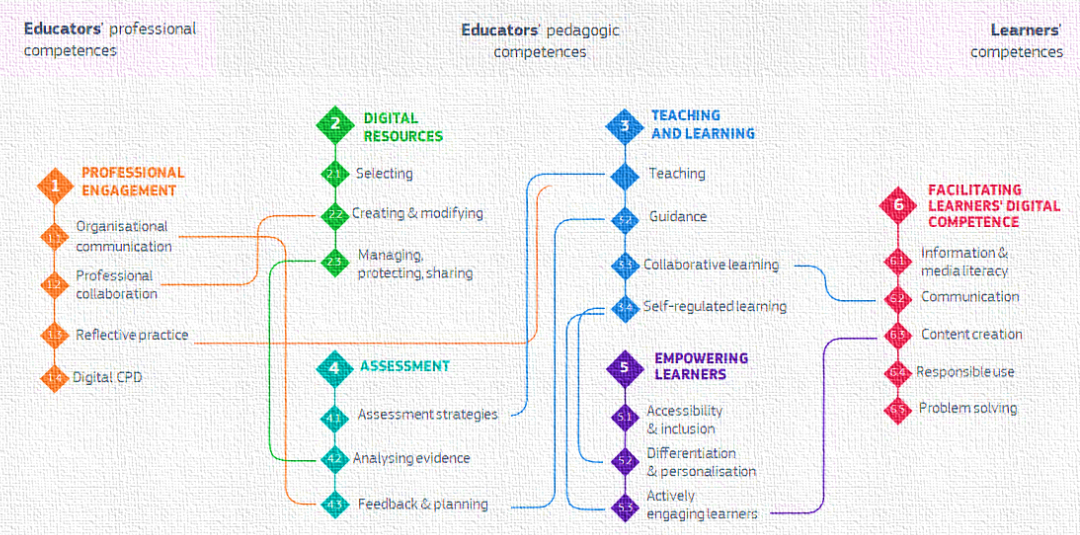
In the ever-evolving landscape of our modern age, the rapid advancement of technology has ushered in a digital renaissance, transforming the way we live, work, and connect with the world around us. At the forefront of this revolution lie new information technologies, powerful tools that have redefined our relationship with knowledge, communication, and the very fabric of our societies. Nowadays we are living in a world where the boundaries of distance and time are rendered obsolete, where the vast expanse of human knowledge is accessible with the tap of a finger, and where global communities coalesce in virtual realms, transcending geographical constraints. This is the reality we inhabit, a reality shaped by the relentless march of technological progress, propelling us into a future that was once the domain of science fiction. From the advent of the World Wide Web to the rise of social media platforms, the internet has revolutionised the way we access, share, and consume information, empowering individuals and communities alike with a wealth of knowledge and connectivity.
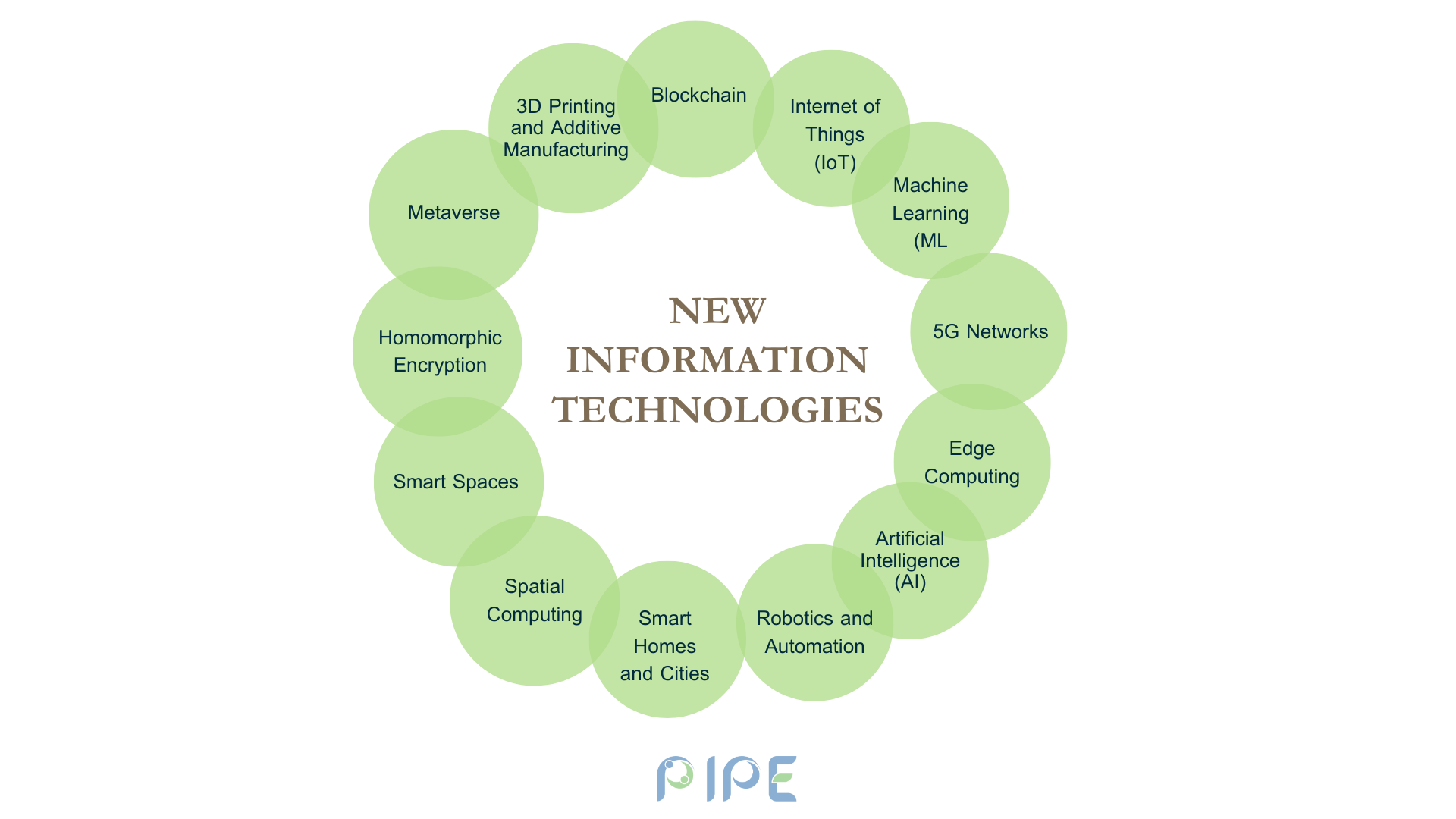
However, the realm of new information technologies extends far beyond the boundaries of the internet. Cutting-edge developments in artificial intelligence, machine learning, and data analytics have unlocked new realms of possibility, enabling us to process and interpret vast troves of data with unparalleled speed and accuracy. These technologies have permeated every aspect of our lives, from personalized recommendations and predictive algorithms to advanced decision-making systems that drive innovation across industries.
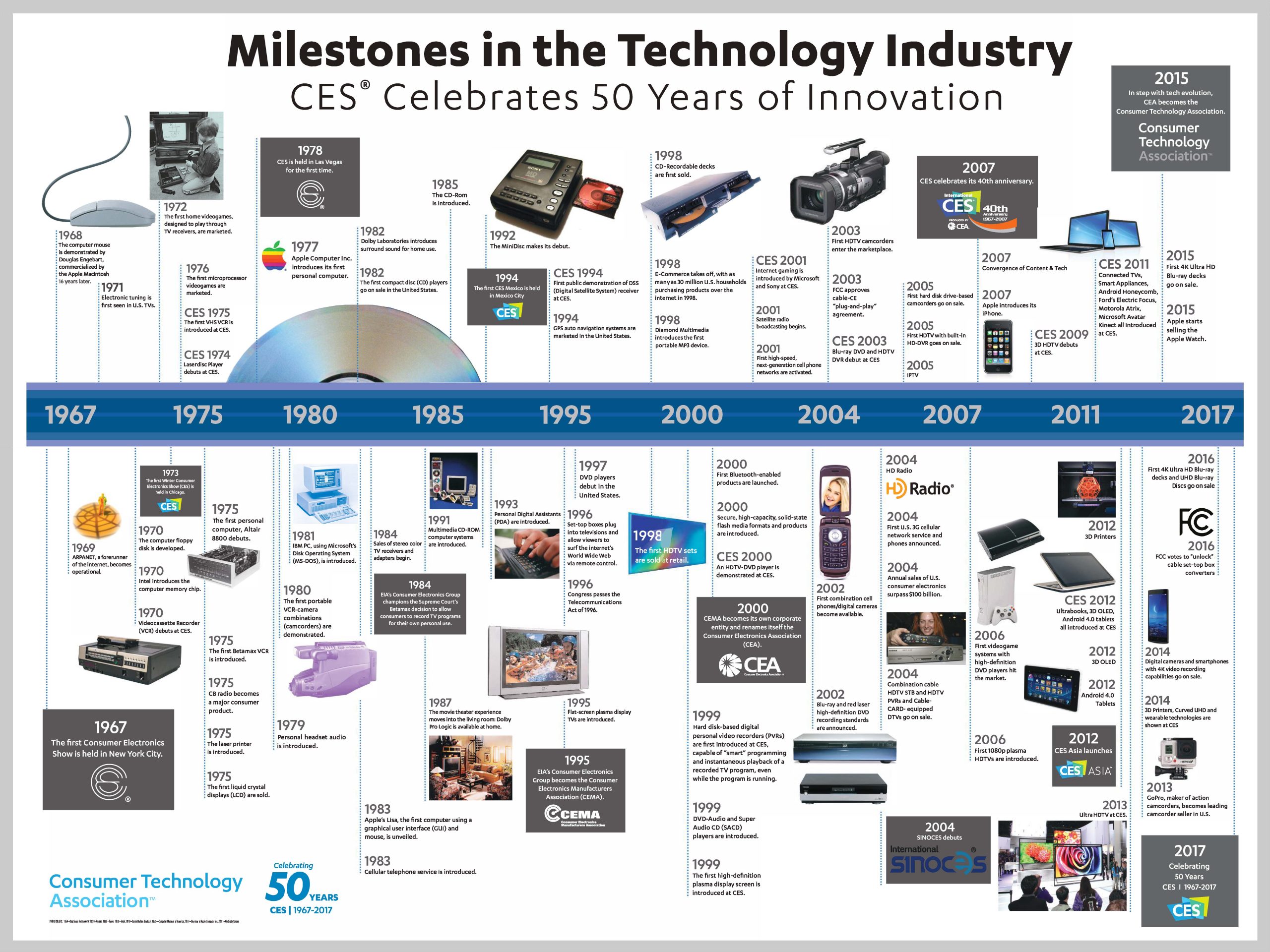
In the realm of education, new information technologies have catalysed a paradigm shift, redefining the very concept of learning. Immersive virtual classrooms, interactive multimedia resources, and online collaborative platforms have transcended the traditional confines of brick-and-mortar institutions, opening doors to a world of knowledge that knows no geographical boundaries. Educators can now leverage these technologies to create dynamic, personalized learning experiences tailored to the unique needs and interests of each student.
Yet, as we stand in awe of these technological marvels, it is crucial to acknowledge the profound implications they hold for our societies and communities. The pervasive nature of new information technologies has reshaped the very fabric of our social interactions, giving rise to new forms of communication, collaboration, and cultural expression.
Social media platforms have become virtual town squares, where ideas are exchanged, movements are born, and global conversations unfold in real-time. Online communities have transcended geographical boundaries, fostering connections among individuals who might otherwise have remained isolated, and amplifying voices that have long been marginalised.
Nevertheless, this digital revolution has also brought forth new challenges and ethical considerations. Issues surrounding privacy, data security, and the responsible use of technology have emerged as pressing concerns, demanding a thoughtful and nuanced approach to ensure that these powerful tools are harnessed for the greater good.
As we navigate this uncharted territory, it is essential that we cultivate a culture of digital literacy and ethical responsibility. Individuals must be equipped with the skills and knowledge to critically evaluate information, navigate online spaces with discernment, and engage in responsible digital citizenship. Educational institutions, policymakers, and community leaders must play a pivotal role in fostering this digital literacy, empowering individuals to harness the potential of new information technologies while mitigating their inherent risks and challenges.
Moreover, we must embrace a spirit of collaboration and shared responsibility, recognizing that the consequences of these technologies transcend national borders and individual interests. Global cooperation, ethical frameworks, and responsible governance are paramount to ensuring that the digital frontier remains a realm of opportunity, innovation, and progress for all.
As we stand at the precipice of this digital age, the path ahead is one of immense promise and profound responsibility. New information technologies have ushered in an era of unprecedented connectivity, knowledge-sharing, and human ingenuity. They have empowered us to transcend boundaries, unlock new frontiers of discovery, and forge global communities united by a shared thirst for knowledge and progress.
Yet, this journey is not without its challenges and ethical quandaries. It is our collective responsibility to navigate this digital frontier with wisdom, foresight, and a deep commitment to harnessing the transformative potential of these technologies for the betterment of humanity.
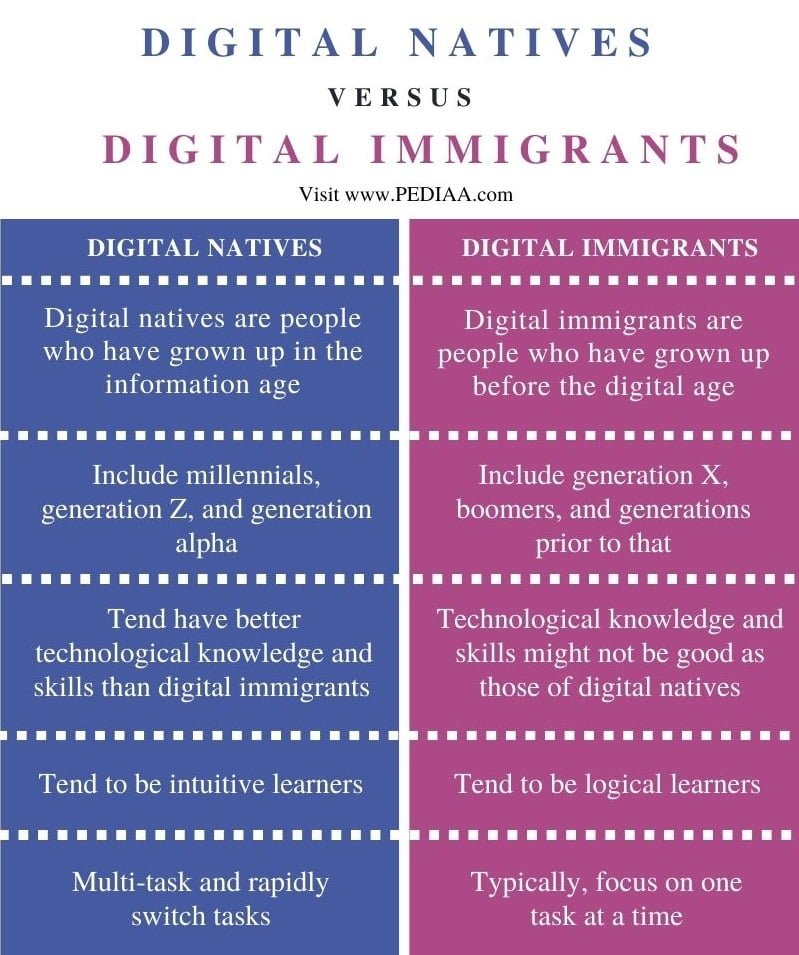
By embracing a spirit of lifelong learning, fostering digital literacy, and cultivating a culture of ethical responsibility, we can harness the power of new information technologies to create a world where knowledge knows no bounds, innovation thrives, and the human spirit soars to new heights of understanding and enlightenment.
In this digital renaissance, we are not mere spectators but active participants, shaping the course of our collective future with every keystroke, every virtual connection, and every bold leap into the unknown. As we stand at the intersection of technology and human ingenuity, let us boldly venture forth, pioneering new frontiers of knowledge and discovery, and leaving an indelible mark on the path of human progress.
Electronic headquarters of public institutions
The electronic headquarters of public institutions have undergone a remarkable transformation in recent years, evolving from traditional physical offices to robust digital hubs that serve as the centralised command centres for government agencies, educational institutions, and other public organisations. These electronic headquarters leverage cutting-edge technology to enhance efficiency, accessibility, and transparency in the delivery of public services.
At the core of these digital command centres are advanced communication and collaboration tools that enable seamless coordination and information-sharing among various departments and stakeholders. Secure video conferencing, real-time document sharing, and integrated project management platforms allow for remote collaboration, enabling public officials and citizens to engage in productive discussions and decision-making processes regardless of their physical location. Furthermore, the adoption of cloud-based infrastructure and mobile-friendly interfaces has made it possible for public servants to access critical information and perform essential tasks from anywhere, ensuring continuity of operations and responsiveness to the needs of the communities they serve.
Beyond facilitating internal operations, the electronic headquarters of public institutions also serve as gateways for citizens to access a wide range of public services. User-friendly web portals and mobile applications provide citizens with convenient, around-the-clock access to information, resources, and e-government services, empowering them to engage with their local, state, or national governments in a seamless and efficient manner. These digital hubs also prioritise data transparency, making key information and reports readily available to the public, fostering a culture of accountability and trust in public institutions.
By leveraging the power of technology, the electronic headquarters of public institutions have become pivotal drivers of innovation, transforming the way governments and public organisations interact with and serve their constituents. As the digital landscape continues to evolve, these electronic command centers will play an increasingly crucial role in shaping the future of public service delivery, ensuring that citizens can access the resources and support they need in a timely, equitable, and transparent manner.
Ethics and responsible use of social networks (Data protection and the right to privacy)
In the expansion of digital scope, social networks have emerged as vibrant hubs of human connection, where stories are shared, ideas are exchanged, and communities coalesce across geographical boundaries. These virtual spaces have become an integral part of our lives, shaping the way we communicate, learn, and engage with the world around us.
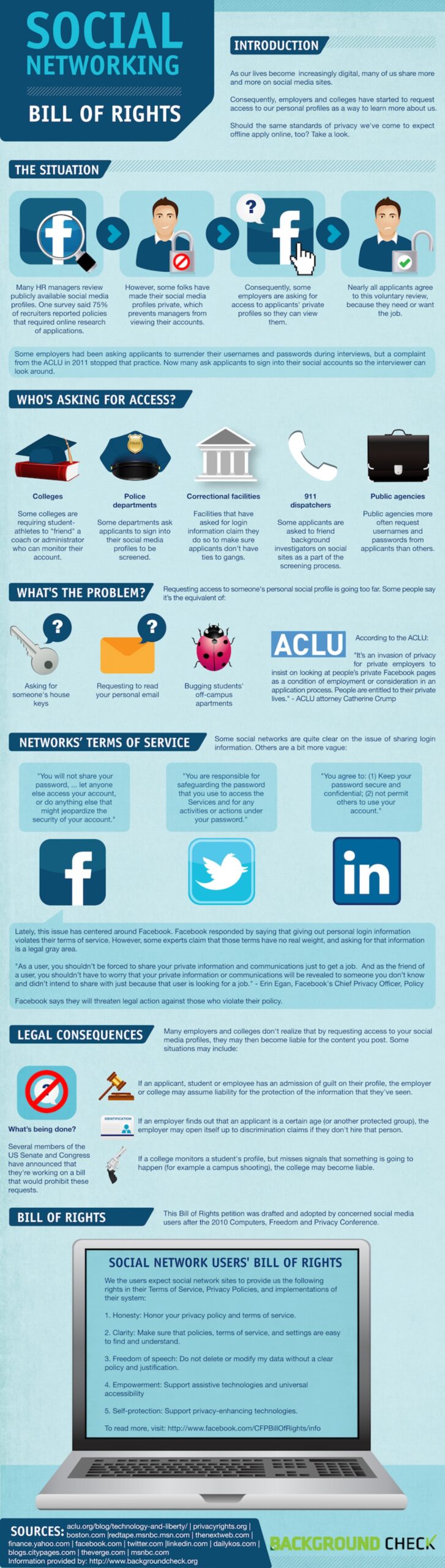
However, amidst the boundless opportunities these platforms offer, a delicate balance must be struck between the free flow of information and the safeguarding of our most fundamental rights – the right to privacy and the ethical stewardship of our personal data. We are dealing here with an extremely important issue, unavoidable, as the very essence of individuality and autonomy would be compromised, leaving us vulnerable to exploitation, manipulation, and the erosion of our most cherished freedoms.
It is within this context that the ethical considerations surrounding data protection and privacy in social media take on profound significance. These platforms, which have revolutionised human connectivity, also hold the power to expose our most intimate details to the scrutiny of the digital world. With each post, each comment, and each digital footprint, we leave a trail of personal information that, if mishandled or misused, could have far-reaching consequences.
At the heart of this dilemma lies a fundamental tension – the desire to engage, share, and connect on a global scale, juxtaposed against the inherent risks posed by the unbridled dissemination of personal data. It is a delicate dance, one that demands a nuanced understanding of the ethical principles that must guide our actions in the digital sphere.
As we navigate this complex landscape, it is imperative that we cultivate a culture of digital literacy and ethical responsibility. Individuals must be empowered with the knowledge and skills to make informed decisions about their online presence, to understand the implications of their digital footprint, and to exercise their right to privacy with confidence and discernment.
Educational institutions, policymakers, and community leaders must play a pivotal role in fostering this digital literacy, equipping individuals with the tools to navigate the ever-evolving social media landscape while upholding the highest standards of ethical conduct.
Moreover, the companies and platforms that facilitate these digital interactions bear a profound responsibility to prioritise data protection and privacy as foundational pillars of their operations. Robust security measures, transparent data handling practices, and stringent safeguards against unauthorised access or misuse of personal information must be implemented and rigorously enforced. Yet, this responsibility extends beyond mere compliance with legal and regulatory frameworks. It demands an unwavering commitment to ethical conduct, a recognition that the trust of users is a sacred covenant that must be honoured and protected at all costs.
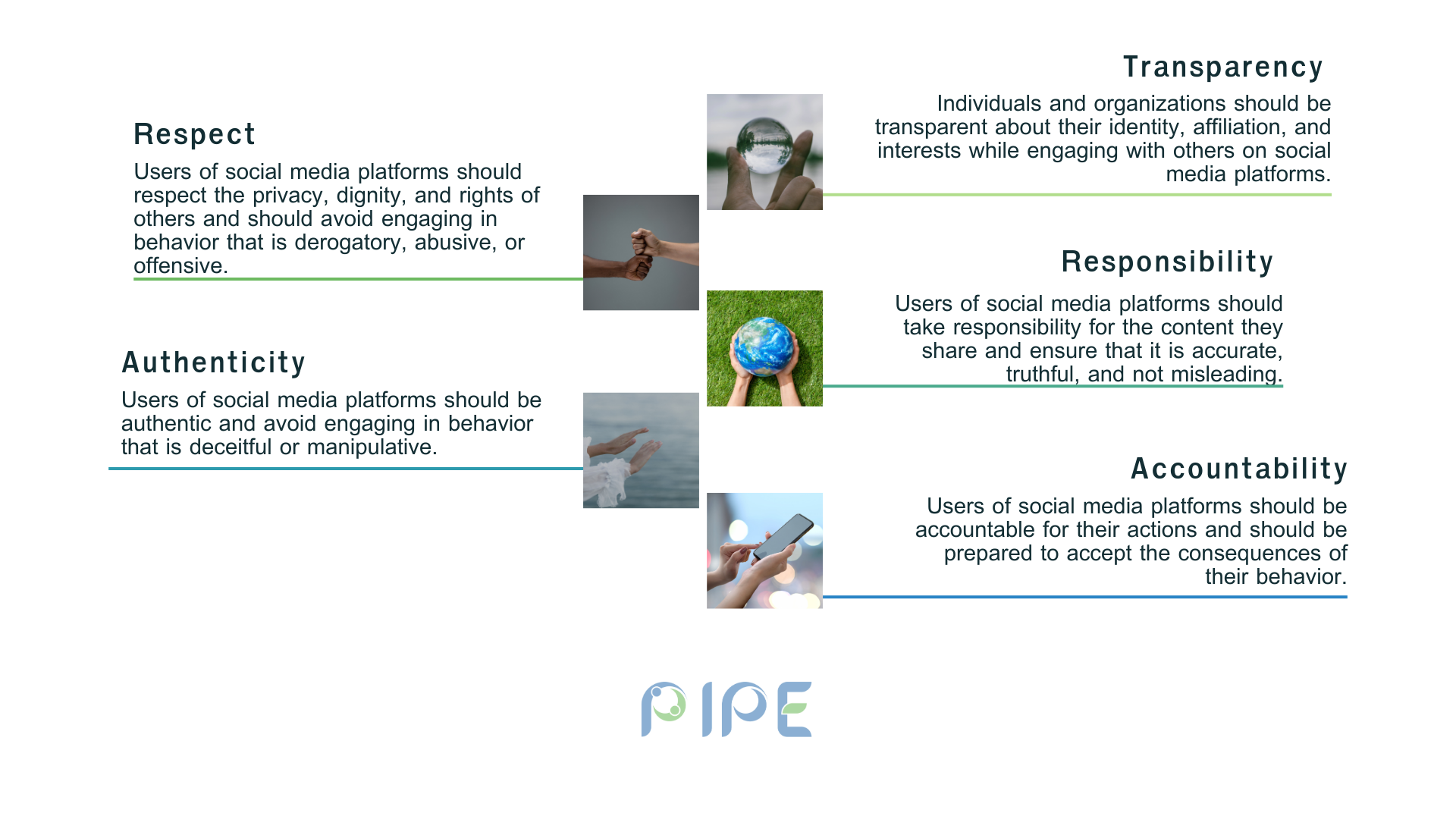
As we stand at this digital crossroads, it is crucial that we embrace a holistic approach to data protection and privacy, one that recognizes the intrinsic value of these rights and their inextricable link to human dignity and autonomy. We must reject the notion that our personal information is a commodity to be traded or exploited, and instead embrace a paradigm that places the individual at the center of the digital ecosystem.
This paradigm shift requires a collaborative effort, one that draws upon the collective wisdom and expertise of technologists, policymakers, ethicists, and the global community. Together, we must forge a path that harmonises the immense potential of social media with the ethical imperatives of data protection and privacy.
Through robust legal frameworks, ongoing public discourse, and a steadfast commitment to ethical principles, we can create a digital landscape that is both vibrant and secure, where the free flow of information is balanced by the unwavering protection of our most fundamental rights.
In this shared responsibility, we must be vigilant against complacency and remain ever-vigilant in our pursuit of ethical conduct. As new technologies emerge and the boundaries of the digital frontier expand, we must adapt our practices and policies to meet the evolving challenges, always placing the well-being and autonomy of individuals at the forefront of our endeavours.
Ultimately, the responsible use of social networks and the protection of data privacy is not merely a technical challenge or a legal obligation – it is a moral imperative that speaks to the very core of our shared humanity. In a world where information flows with unprecedented speed and reach, it is our collective duty to safeguard the sanctity of our personal lives, to preserve the boundaries that define our individuality, and to ensure that the digital realm remains a space of empowerment, connection, and respect for the inherent dignity of all.
As we traverse this digital landscape, let us be guided by an unwavering commitment to ethical conduct, a deep reverence for the right to privacy, and a steadfast determination to harness the transformative power of social media in service of a more just, equitable, and responsible digital future.
Identification of fake news on the Internet
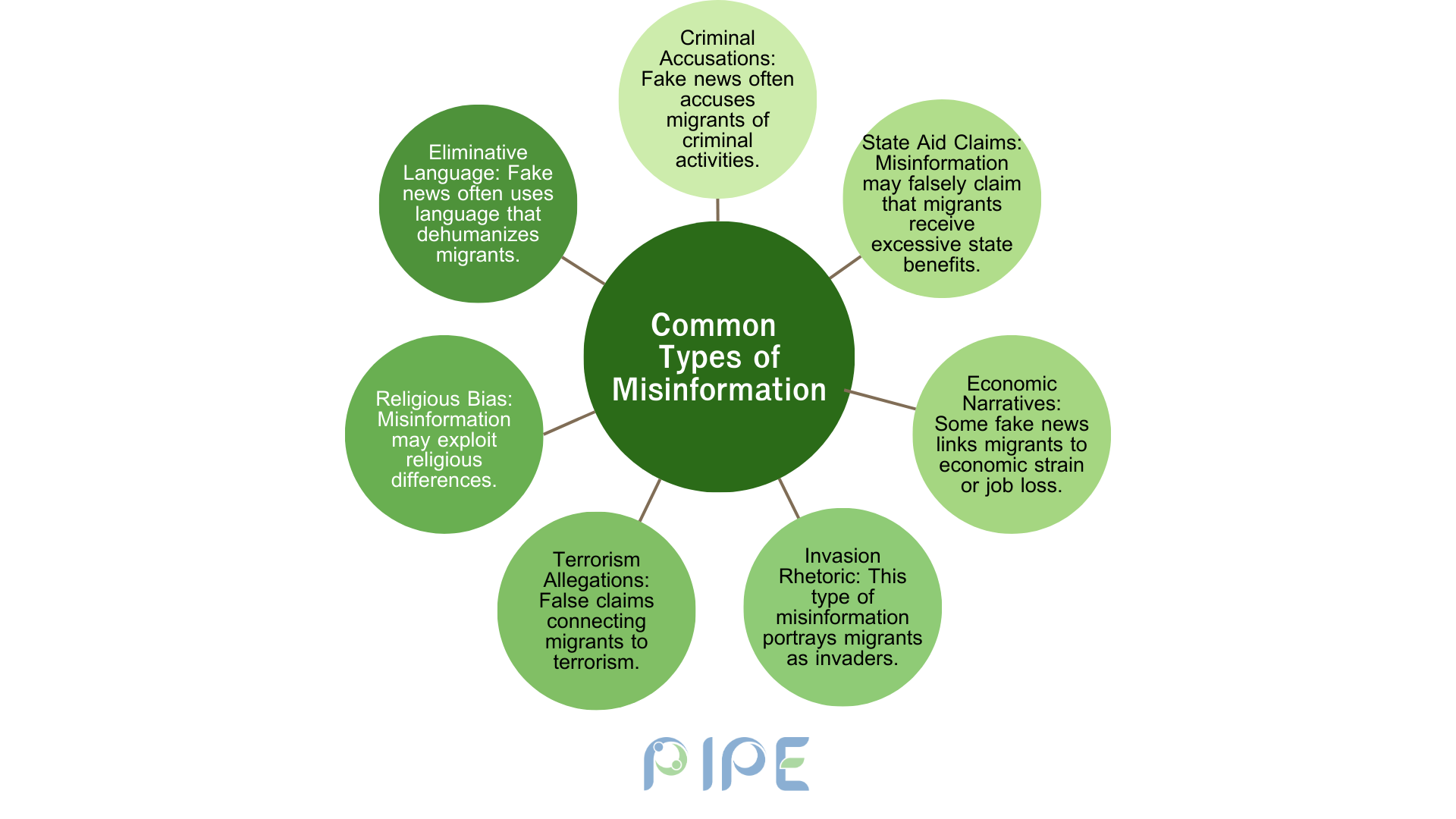
In our current reality information flows with the speed of light and the boundaries of truth are blurred by the sheer volume of data, an insidious threat lurks – the proliferation of fake news. Like a malignant virus, these fabricated narratives and distorted realities have the power to infect the minds of millions, sowing seeds of misinformation, perpetuating harmful stereotypes, and undermining the very foundations of our democratic discourse. In our day to day, it is not uncommon to find falsehoods masquerade as facts, to see how conspiracy theories are amplified by the echo chambers of social media, and the line between reality and fiction often blurred. In such a world, the pursuit of truth becomes a Sisyphean task, and the fabric of our society frays at the seams as trust in institutions, experts, and one another erodes.
The rise of fake news is a multifaceted phenomenon, fueled by a perfect storm of technological advancements, human biases, and malicious actors seeking to exploit the vulnerabilities of our digital age. At the heart of this crisis lies the very nature of the internet itself – a vast and decentralised network that has democratised information, giving voice to both the enlightened and the misguided, the well-intentioned and the nefarious.
In this digital Wild West, where the barriers to entry are low and the potential for viral dissemination is high, fake news can spread like wildfire, igniting outrage, sowing division, and distorting the truth in its wake. From clickbait headlines designed to lure unsuspecting readers to sophisticated disinformation campaigns orchestrated by state actors, the tactics employed by purveyors of fake news are as varied as they are pernicious.
Yet, the allure of fake news is not merely a product of technological disruption or malicious intent – it is also a reflection of our own human vulnerabilities. Our inherent biases, our tendency to seek out information that confirms our preexisting beliefs, and our propensity for emotional resonance over factual accuracy, all contribute to the fertile ground upon which fake news takes root and flourishes.
In the face of this multifaceted challenge, a multi-pronged approach is required – one that addresses the technological, psychological, and societal dimensions of this crisis. It is a battle that must be waged on multiple fronts, enlisting the collective efforts of individuals, communities, institutions, and policymakers alike.
At the forefront of this endeavour lies the imperative of digital literacy – equipping individuals with the critical thinking skills and discernment necessary to navigate the digital landscape with a keen eye for truth and a vigilant defence against deception. Through educational initiatives, media literacy campaigns, and the cultivation of a culture of scepticism and fact-checking, we can empower citizens to become active participants in the fight against fake news, armed with the tools to distinguish fact from fiction and to challenge the spread of misinformation.
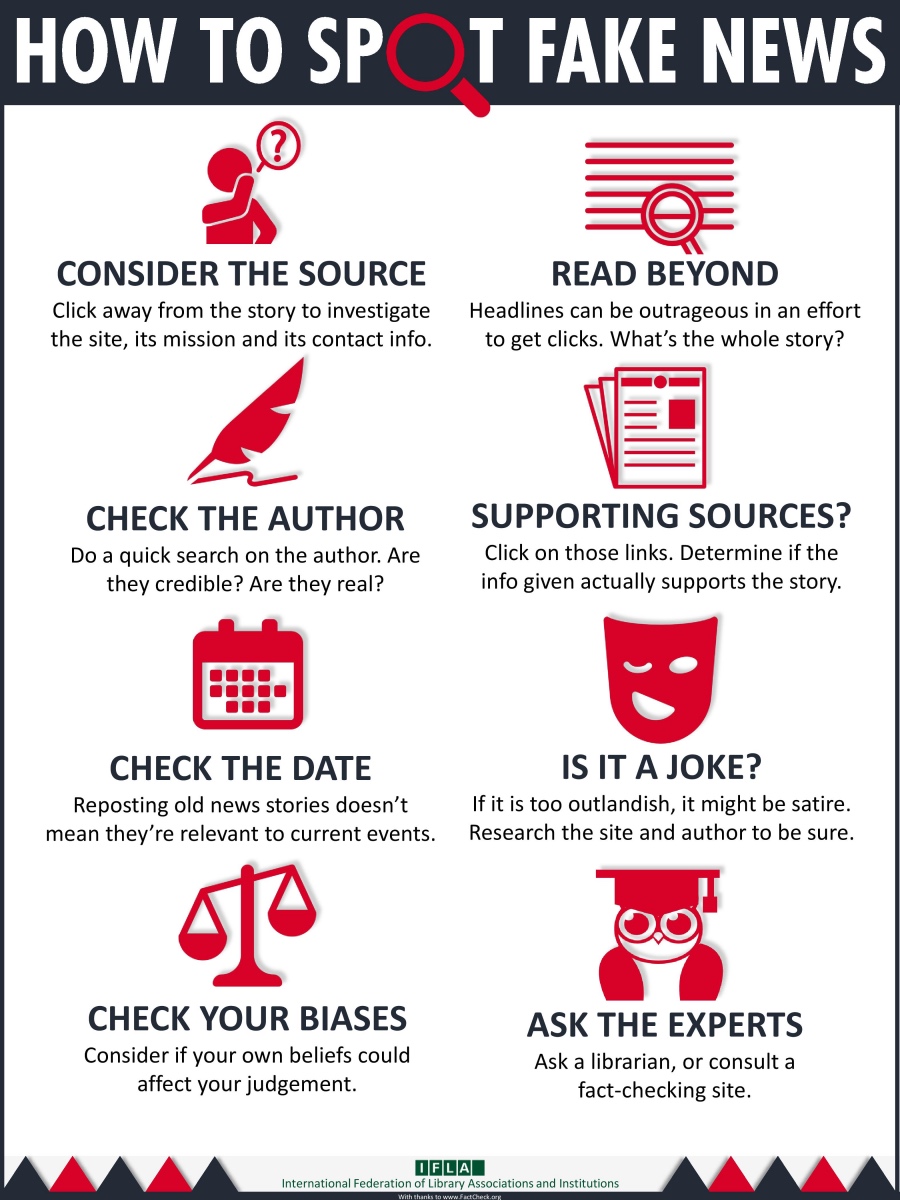
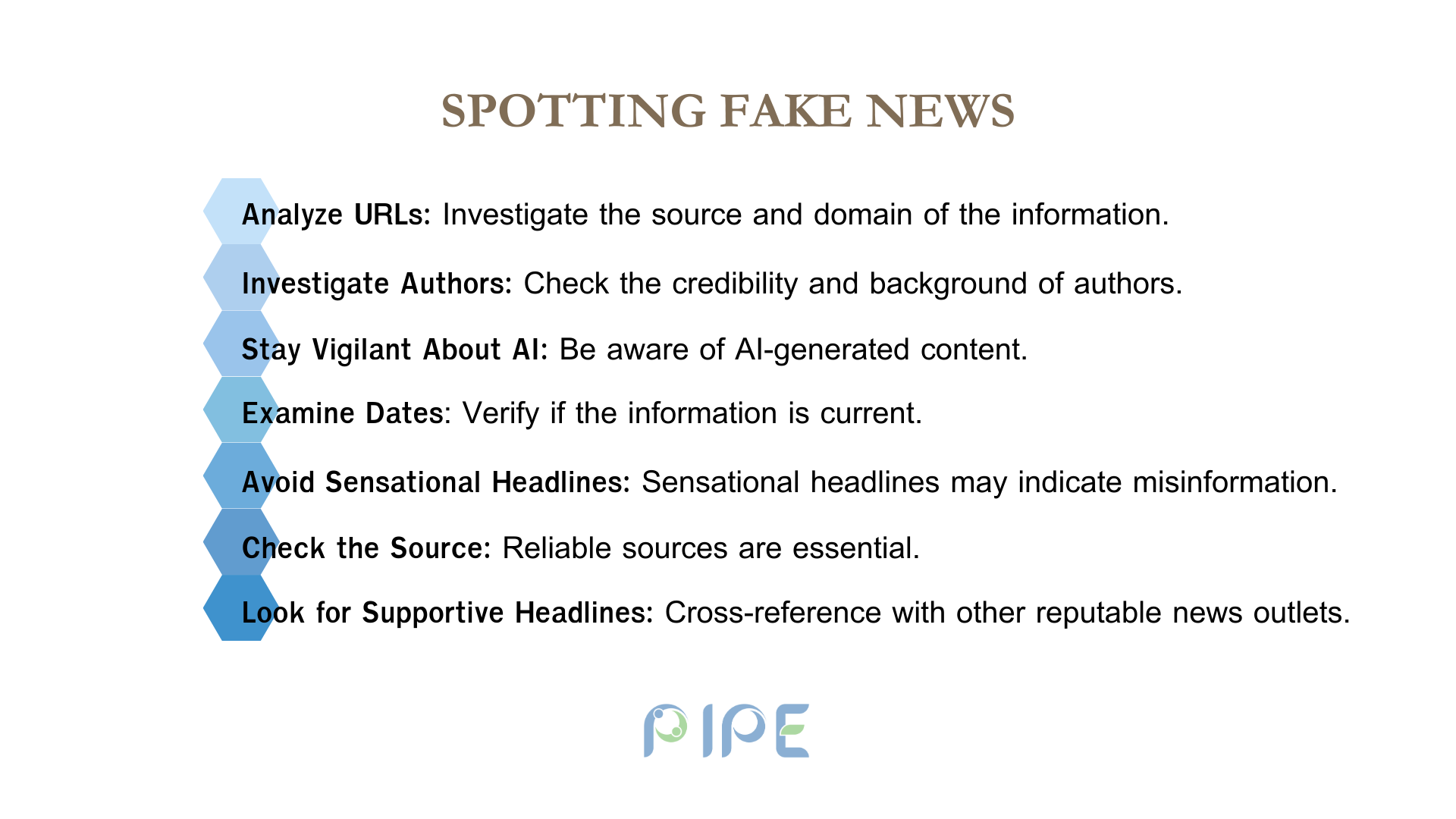
Institutions and platforms that facilitate the flow of information must also bear a profound responsibility in this battle. Social media giants, news organisations, and online communities must implement robust content moderation policies, fact-checking mechanisms, and algorithmic safeguards to curb the viral dissemination of fake news. By fostering transparency, promoting authoritative sources, and amplifying credible voices, these entities can create digital ecosystems that prioritise truth and accountability over sensationalism and clickbait. The image below, created by the International Federation of Library Associations and Institutions, includes some useful tips to identify fake news and develop a critical view about the inputs fed on online media.
Moreover, the role of government and policymakers cannot be understated. Through legislative frameworks that balance the protection of free speech with the need to combat disinformation, and by investing in research, public awareness campaigns, and international cooperation, governments can play a pivotal role in stemming the tide of fake news and preserving the integrity of our democratic institutions. Yet, this battle extends beyond the landscape of technology, institutions, and governance – it is a struggle that reaches into the very fabric of our society and the way we engage with information in the digital age. It is a call to cultivate a renewed appreciation for truth, to embrace intellectual humility, and to foster a culture of critical thinking and open discourse.
Being committed with a digital scenario that is not a minefield of misinformation but rather a vibrant flow of diverse perspectives, informed debates, and rigorous fact-checking, required to be vigilant about fake news and relegate them to the fringes, to diminish its influence by the collective vigilance of a digitally literate and critically engaged citizenry. To realise this vision, we must each embrace our role as guardians of truth, as stewards of the digital realm, and as champions of an informed and enlightened society. It is a mantle that demands courage, persistence, and a willingness to confront our own biases and preconceptions.
For those in positions of influence – educators, journalists, policymakers, and community leaders – the responsibility is even greater. They must lead by example, modelling intellectual integrity, promoting media literacy, and fostering an environment where truth is not merely a pursuit but a sacred duty.
We must be aware of the fact that, in this digital age, the battle against fake news is not merely a struggle for information – it is a fight for the very soul of our democracy, a defense of our shared reality, and a testament to the enduring power of truth to illuminate the path towards a more enlightened and just world.
ICTs and language teaching for migrants
For many migrants, the acquisition of a new language is not merely a practical necessity but a gateway to integration, empowerment, and the realisation of dreams and aspirations. It is a bridge that spans the divide between their past and their future, a conduit for understanding, connection, and the embracing of new opportunities. In this context, the role of Information and Communication Technologies (ICTs) has emerged as a powerful catalyst, revolutionising the way language is taught, learned, and experienced. These digital tools have the potential to transform the journey of language acquisition for migrants, offering innovative approaches, personalized learning experiences, and a sense of belonging in an unfamiliar linguistic landscape.
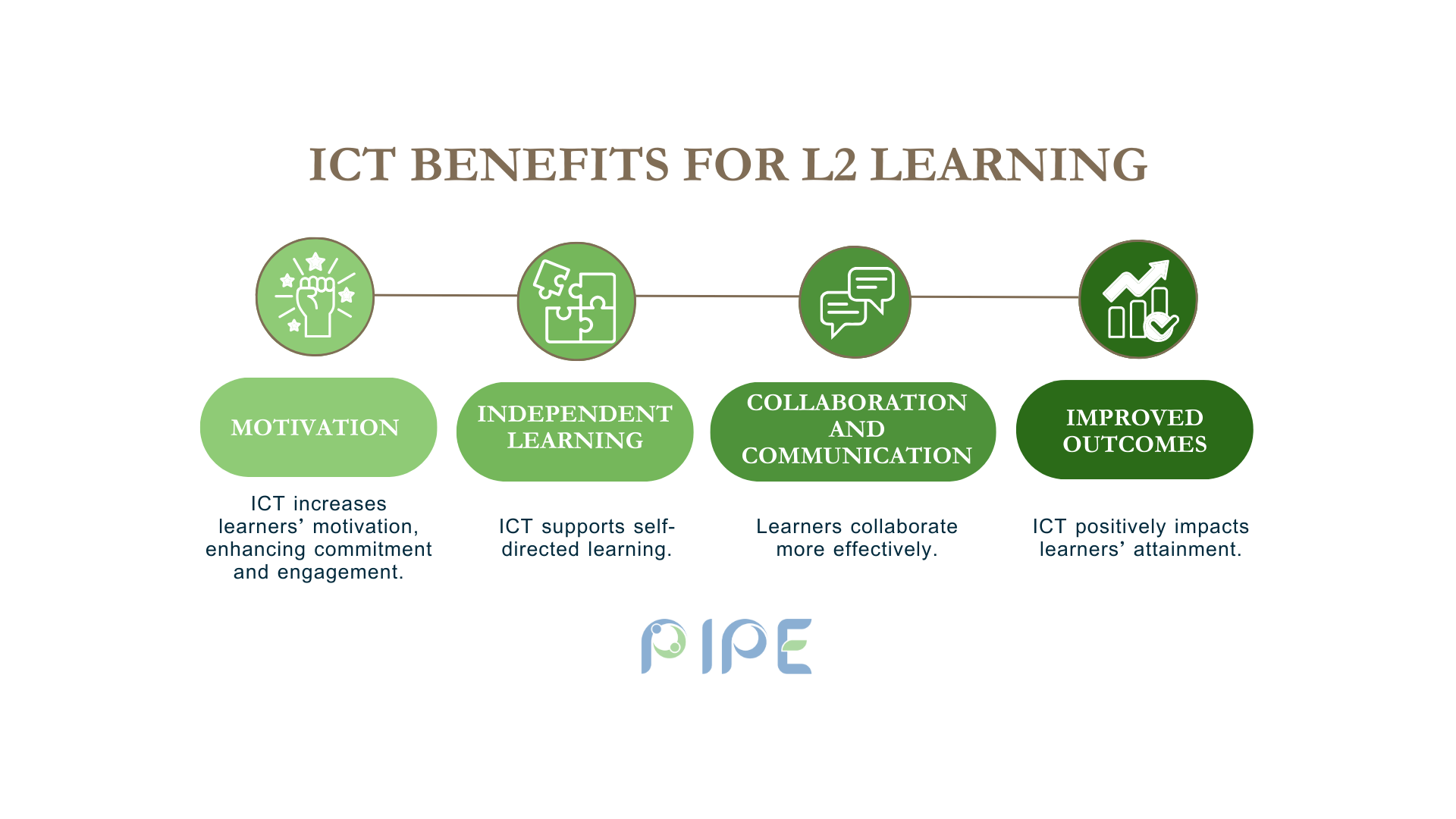
Nowadays, migrants can access language resources and interactive platforms from the comfort of their homes, community centers, or even on-the-go, ensuring that the pursuit of linguistic proficiency is woven seamlessly into the fabric of their daily lives. Through the power of ICTs, language instruction can be tailored to individual needs, learning styles, and cultural backgrounds, creating a personalized journey that resonates with each learner’s unique circumstances and aspirations. Interactive multimedia resources, gamified learning experiences, and immersive virtual environments can captivate the imagination and foster engagement, transforming language acquisition from a mere academic exercise into a dynamic and rewarding endeavour.
Moreover, the collaborative potential of ICTs opens doors to global language communities, where migrants can connect with native speakers, engage in authentic conversations, and gain invaluable insights into the nuances of language and culture. Online language exchange platforms, video conferencing tools, and social media networks become virtual classrooms, fostering cross-cultural understanding and creating a sense of belonging that transcends geographical boundaries.
Yet, the impact of ICTs in language teaching for migrants extends far beyond the dominion of academic instruction. These technologies have the power to amplify voices, share stories, and celebrate the rich tapestry of diversity that migrants bring to their new communities. Through digital storytelling platforms, migrants can share their narratives, their struggles, and their triumphs, fostering empathy, understanding, and a deeper appreciation for the resilience and strength that lie at the heart of the migrant experience.
In this digital era, ICTs have the potential to become catalysts for social inclusion, breaking down barriers and fostering a sense of belonging that transcends linguistic and cultural divides. Language learning platforms can serve as virtual gathering spaces, where migrants can connect with one another, share experiences, and offer support and encouragement on their collective journey towards linguistic proficiency and integration.
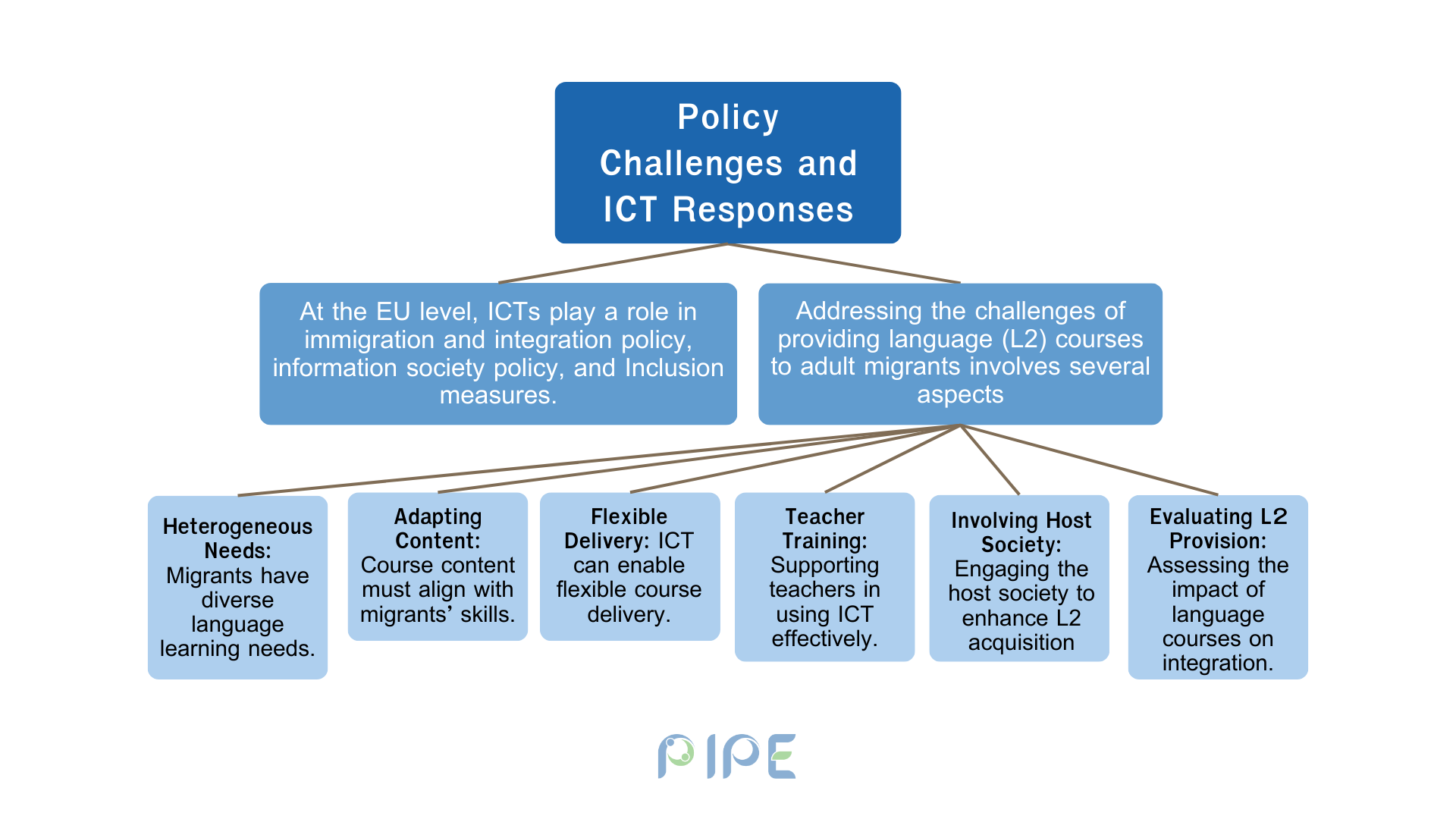
However, realising the full potential of ICTs in language teaching for migrants requires a concerted effort and a commitment to addressing the challenges that may arise. Issues of digital literacy, access to technology, and the responsible use of personal data must be addressed through comprehensive educational initiatives, community outreach programs, and robust data protection policies.
Understanding digital literacy not as a privilege reserved for the few but a fundamental right accessible to all is a motivated principle for this guide aimed to empower migrants to navigate the digital landscape with confidence and agency, offering training, resources, and support to ensure that no one is left behind in the digital revolution.
As we stand at the crossroads of technology and linguistic inclusion, we must embrace a holistic approach, one that recognizes the transformative power of ICTs while remaining vigilant against the potential pitfalls and ethical considerations that accompany their use. We must strive to create an ecosystem that prioritises data privacy, ethical conduct, and the responsible stewardship of personal information, ensuring that the digital realm remains a safe and inclusive space for all learners.
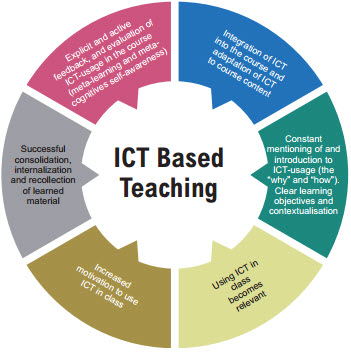
In this complex learning process, partnerships and collaborations will be key, bringing together diverse stakeholders – educators, policymakers, technology companies, and migrant communities themselves – to collectively shape the future of language learning and integration through ICTs. Through open dialogue, shared expertise, and a commitment to continuous innovation, we can forge a path that harnesses the full potential of these technologies while ensuring that they serve the needs and aspirations of migrants in a responsible and ethical manner.
In this sense, language acquisition becomes a journey of empowerment, a catalyst for personal growth, and a testament to the resilience of the human spirit. ICTs become the digital bridge that spans the divide between cultures, enabling migrants to navigate the complexities of their new environments while maintaining a deep connection to their linguistic roots and cultural heritage, where the digital frontier is not a barrier to language learning and inclusion but a vast expanse of opportunity, a realm where the power of technology is harnessed to foster understanding, celebrate diversity, and empower migrants to thrive in their new linguistic and cultural landscapes.