You will find in this Chapter:
Introduction to audiovisual language, office automation and social networks
Digital Skills for migrants
Spaces for socio-political and economic participation. Social networks
Digiculturality
In the 21st century, digital literacy has become an indispensable skill, transcending the boundaries of mere technological proficiency and becoming a fundamental pillar of personal and societal advancement. The digital landscape encompasses a vast array of tools and platforms that have become integral to modern life, from the intuitive navigation of audiovisual media to the mastery of office automation software and the dynamic engagement with social networks. Learning the language and customs of these digital landscapes is an essential first stage in attaining digital literacy.
For migrant communities, the acquisition of digital skills can be transformative, providing them with the tools to navigate and leverage the digital world. Digital literacy unlocks a world of possibilities, fostering greater independence, self-sufficiency, and integration into their new communities. It extends beyond the dimension of personal management, enabling migrants to engage in the socio-political and economic fabric of their host societies, amplifying their voices, advocating for their rights, and forging meaningful connections that can lead to greater economic and social inclusion. The convergence of digital and cultural landscapes gives rise to the concept of “digiculturality,” where technology and culture intersect to create new modes of expression, understanding, and engagement. By embracing digiculturality, migrants can bridge the gap between their cultural heritage and the digital world, fostering a sense of belonging and empowerment.
Digital literacy is not merely a set of technical skills; it is a transformative force that can empower individuals, strengthen communities, and pave the way for greater inclusion and social justice. As the digital landscape continues to evolve, this chapter serves as a comprehensive guide, equipping migrants with the knowledge and strategies to navigate the digital world and thrive in the 21st century.
Introduction to audiovisual language, office automation and social networks
In the rapidly evolving digital landscape, the ability to fluently navigate and engage with a diverse array of technological tools and platforms has become a crucial component of digital literacy. It does not focus on a specific domain, but can be mastered by seamlessly integrating interconnected domains that allow to unlock a world of opportunities, from enhanced personal and professional productivity to meaningful social and civic engagement. A comprehensive digital fluency serves as a foundation for continuous learning and adaptation, equipping individuals with the necessary skills to navigate the complexities of the digital age and actively contribute to the creation of a more inclusive, equitable, and empowered digital ecosystem.
Audiovisual language has transformed the way we consume, create, and interpret information in the digital age. From the captivating visuals on streaming platforms to the immersive experiences of online videos and interactive multimedia, digital content has become the universal language of the 21st century. Understanding audiovisual language means being able to make sense of the mix of sights, sounds, and movements in digital content. Whether it’s the striking design of online videos or the engaging aspects of interactive multimedia presentations, having this skill helps us to better evaluate, understand, and interact with the continuous stream of digital information surrounding us. Key competencies in audiovisual language include several important skills. Visual literacy involves understanding and evaluating visual imagery, including the use of colour, composition, and design. This helps individuals recognize the messages and emotions conveyed through visuals. Audio comprehension is about interpreting the auditory aspects of digital content, like speech, music, and sound effects, to understand the narrative and mood. Multimodal integration is the ability to combine visual, auditory, and kinetic elements into a cohesive and meaningful whole, enhancing comprehension and engagement. Furthermore, digital production skills are necessary for creating and editing audiovisual content, allowing individuals to contribute actively to the digital world, moving from passive consumers to empowered creators. By mastering these key competencies in audiovisual language, individuals can critically analyse and decode the hidden messages embedded in the audiovisual media they encounter, becoming more discerning and informed consumers. Moreover, they can leverage their skills to craft compelling digital narratives, effectively communicate complex ideas, and engage diverse audiences through the strategic use of visual, auditory, and kinetic elements. Furthermore, proficiency in audiovisual language can have far-reaching implications, from enhancing educational experiences and professional presentations to facilitating cross-cultural exchange and civic engagement. As the digital landscape continues to evolve, the ability to fluently navigate and contribute to the audiovisual discourse will become increasingly essential, positioning those with this literacy as leaders and innovators in the digital age.
Complementing the fluency in audiovisual language is the proficiency in office automation, a set of digital tools that have become indispensable for professional and personal productivity. From word processing and spreadsheet management to presentation design and data visualisation, these applications have transformed the way we create, collaborate, and manage information in both physical and virtual workspaces. Mastering the core functionalities of these office automation software not only enhances individual efficiency but also fosters the ability to adapt to the evolving needs of the modern workplace. By developing expertise in navigating and leveraging these digital tools, individuals can seamlessly integrate into various work environments, showcase their capabilities, and contribute to collaborative projects with confidence.
Alongside the importance of audiovisual language and office automation, social networks have emerged as a critical component of digital literacy, serving as dynamic hubs for personal and professional networking, civic engagement, and cultural exchange. These digital platforms have revolutionised the way we communicate, share information, and build communities. Understanding the unique features, functionalities, and best practices of navigating a diverse array of social media applications enables individuals to establish a professional online presence, effectively engage with communities of interest, and leverage these tools for personal and professional growth. Moreover, the ability to critically evaluate the impact and implications of social media usage, from the dissemination of information to the cultivation of digital identities, is paramount in fostering a more informed and responsible digital citizenry.
Digital Skills for migrants
Setting up an email account, navigating the internet, applying for jobs online, managing bills online, scheduling appointments, accessing school websites and language learning resources.
In the increasingly interconnected world of the 21st century, the acquisition of digital skills has become a transformative force for migrant communities, providing them with the tools to navigate and leverage the digital landscape in pursuit of personal, professional, and societal advancement.
The first step in fostering digital literacy for migrants is the establishment of a secure and functional email account. This seemingly simple task holds immense significance, as an email address serves as a gateway to a plethora of online services, communication channels, and professional opportunities. By guiding migrants through the process of creating and managing an email account, educators and support organisations can equip them with a fundamental tool for staying connected, accessing information, and engaging with various digital platforms. Furthermore, migrants with fewer digital skills could be more vulnerable to cyber scams, so support organisations must advise and train them from the beginning on how to defend themselves, protect their data and their digital identity.
The ability to effectively navigate the vast expanse of the internet is a crucial digital skill for migrants seeking to integrate into their new communities. From accessing vital government resources and public services to researching educational opportunities and exploring job prospects, proficiency in internet navigation empowers migrants to become self-sufficient, informed, and actively engaged members of society. This competency involves understanding web browsing techniques, evaluating online information for credibility, and leveraging search engines to find relevant and reliable resources.
As the job market has undergone a significant transformation, the majority of job applications and recruitment processes are taking place online. Empowering migrants with the skills to navigate job portals, craft effective online resumes, and submit job applications digitally can significantly enhance their employability and economic integration. This digital competence also encompasses the ability to engage in virtual interviews, network through professional social media platforms, and leverage online tools for skill development and certification.
The ability to manage personal finances and pay bills online is another critical digital skill that can greatly benefit migrant communities. By learning to access and navigate online banking platforms, set up automatic bill payments, and monitor their financial accounts, migrants can attain a higher degree of financial autonomy and control over their economic well-being. This digital proficiency not only streamlines the process of managing household expenses but also reduces the risk of late payments and associated penalties, thereby contributing to financial stability and long-term security.
Then, it is evident that the management of appointments and schedules has become increasingly reliant on online tools and platforms. Empowering migrants with the skills to navigate digital calendars, schedule appointments, and utilize online booking systems for healthcare, education, and other essential services can significantly enhance their ability to access and navigate these crucial support systems. This digital competence allows migrants to take control of their schedules, ensure timely attendance, and seamlessly integrate into the routines of their new communities.
Furthermore, especially for migrant families with children, the ability to navigate school websites and access online educational resources is relevant. This digital skill set encompasses understanding how to locate and utilize essential information on school portals, such as enrolment procedures, academic calendars, and communication channels with educators. Additionally, the capacity to access and engage with digital language learning platforms can be a game-changer, enabling migrants to enhance their proficiency in the dominant language of their host country, thus facilitating their academic and social integration.
The acquisition of these core digital skills empowers migrants to overcome barriers, access essential services, and actively participate in the economic, social, and civic life of their new communities. By fostering digital literacy, support organisations and educational institutions can provide migrants with the tools and confidence necessary to navigate the digital landscape, ultimately contributing to their overall integration, self-sufficiency, and long-term success. As the digital world continues to evolve, the importance of equipping migrants with these fundamental digital competencies will only grow more crucial. By investing in the digital literacy of migrant communities, we can unlock a future of greater inclusion, opportunity, and empowerment, where all individuals, regardless of their background, can thrive in the 21st century.
Spaces for socio-political and economic participation. Social networks
Social networks have become a catalyst for participation and empowerment in nowadays societies. In the vast expanse of the digital realm, social networks have emerged as modern-day agoras – vibrant virtual spaces where ideas collide, voices resonate, and the collective human experience finds expression. These online platforms have become more than mere channels for connection and communication; they are catalysts for socio-political and economic participation, amplifying marginalised voices and empowering individuals to shape the discourse that shapes our shared reality.
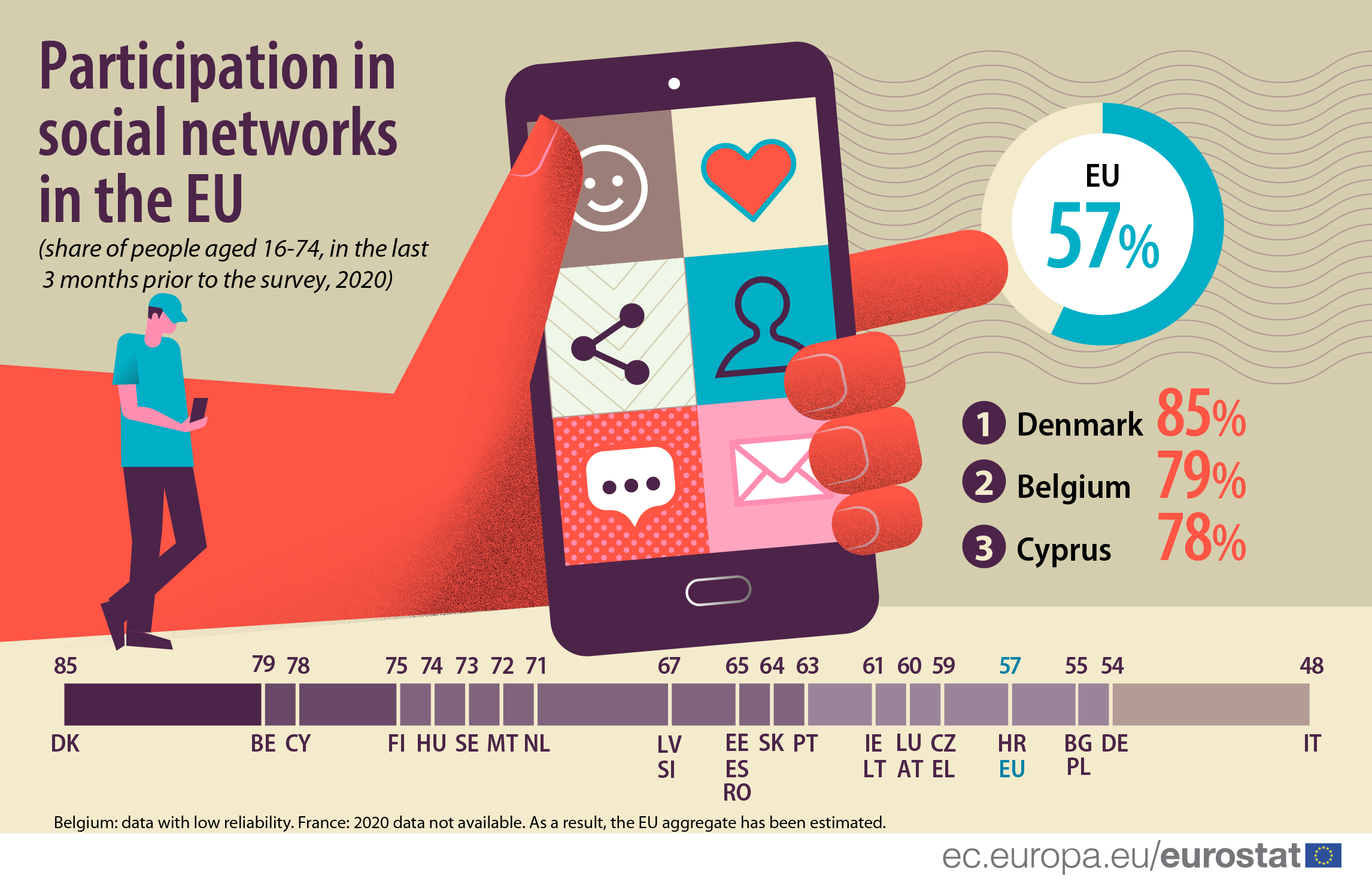
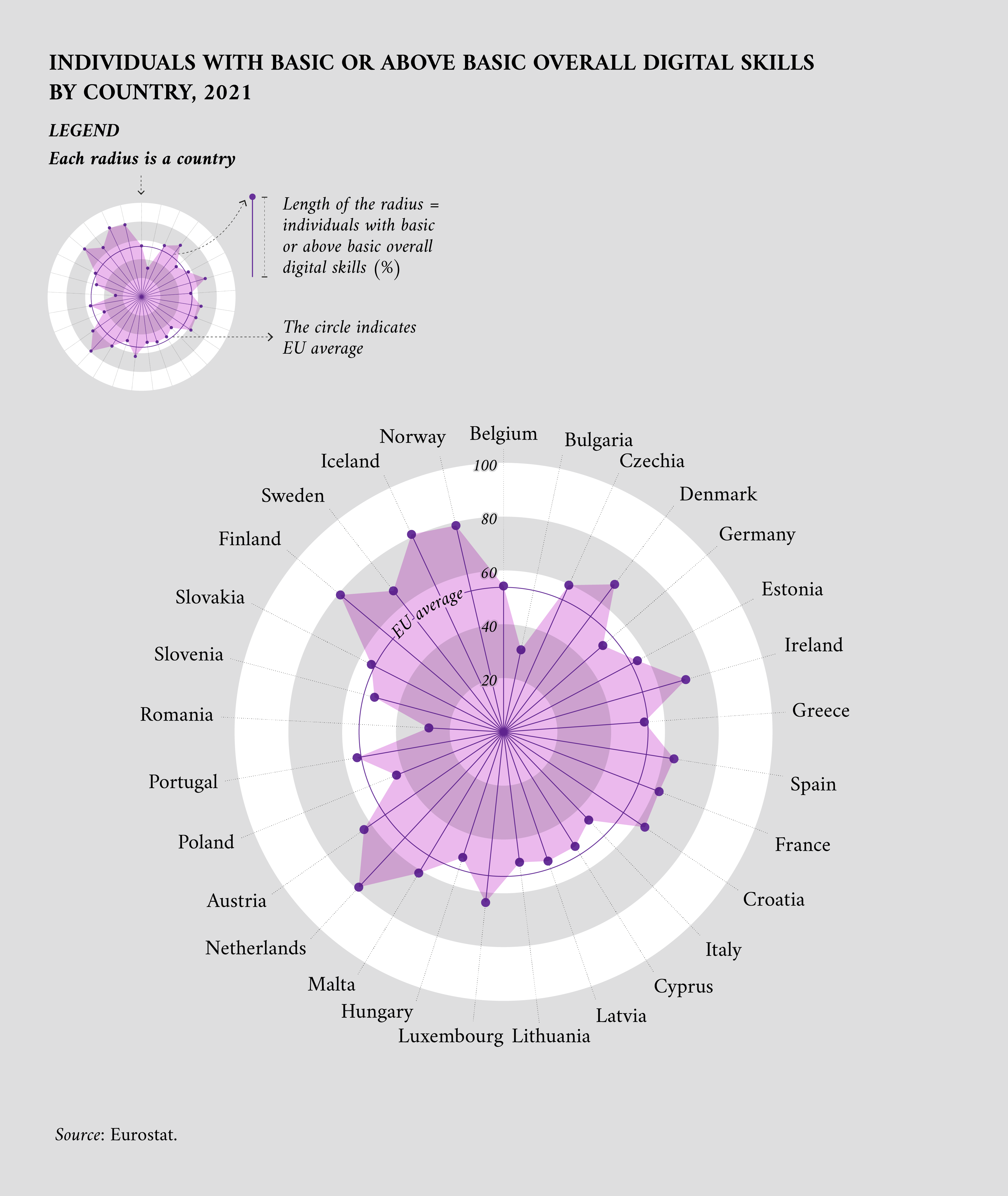
The reach of social media participation is beyond age limitations and national borders in our contents, as shown by the data of the next infographic that summarises the survey conducted by Eurostat in 2020 in the EU context. In addition, the survey shows an increasing tendency in the participation of social networks, increasing in 3% in comparison with the previous year.
This data shaped a world where the barriers of geography, social status, and economic privilege are rendered obsolete, where the digital sphere becomes a great equaliser, a forum in which every voice carries the potential to inspire change, challenge the status quo, and shape the course of history. This is the promise of social networks – a promise that has transformed the very nature of civic engagement and participatory democracy.
Deeply rooted in this transformation lies the power of connection and the democratisation of information. Social networks have become conduits for the rapid dissemination of ideas, enabling grassroots movements to coalesce, mobilise, and amplify their messages with unprecedented speed and reach. From the Arab Spring to the global climate protests, these digital spaces have served as virtual town squares, where collective voices resonate, transcending physical boundaries and inspiring action on a global scale.
Yet, the impact of social networks extends far beyond the scope of political activism. These platforms have also become engines of economic empowerment, democratising access to opportunities and fostering entrepreneurship in communities that have historically been marginalised or overlooked.
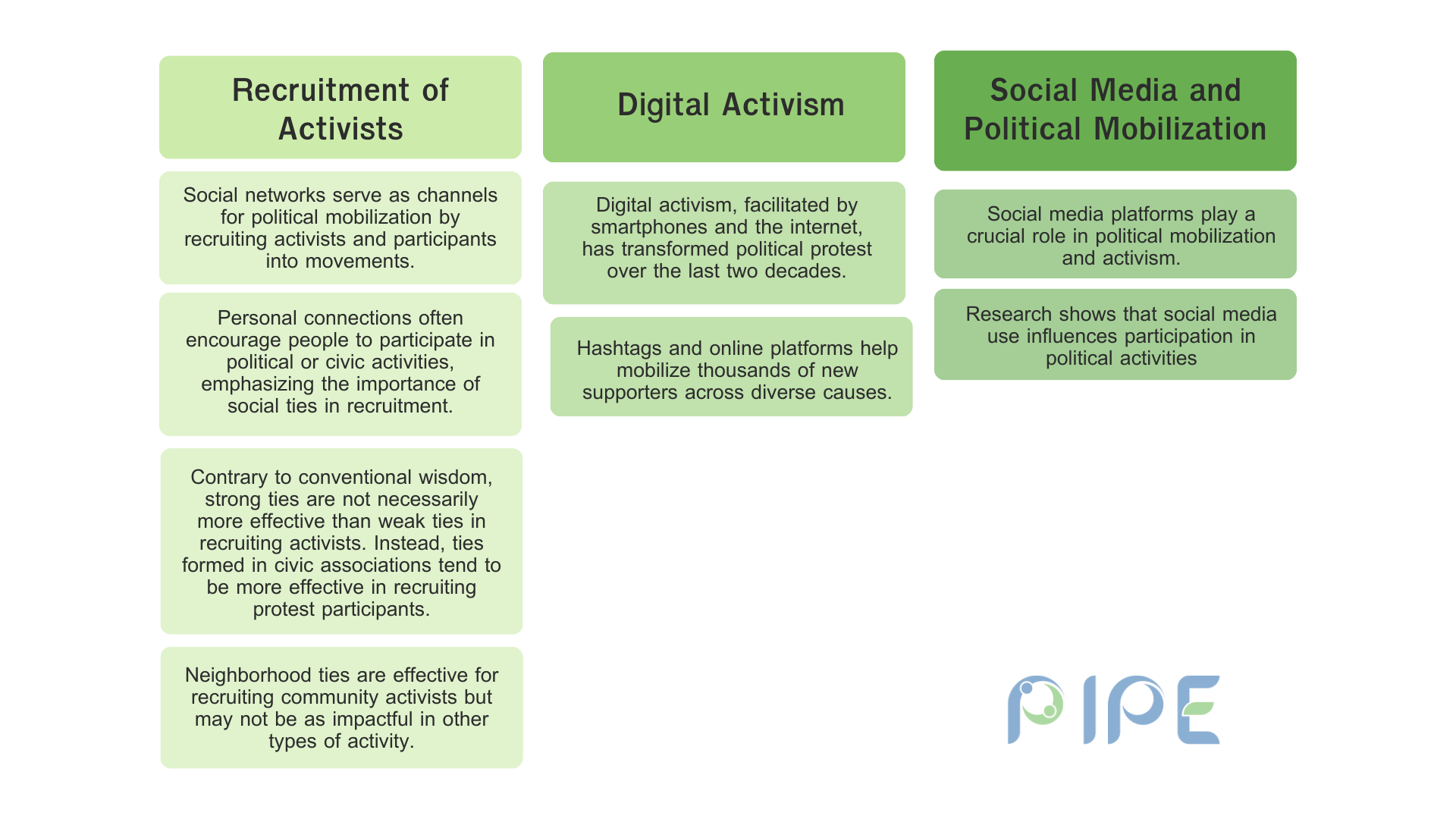
Moreover, social networks have become spaces for knowledge-sharing, skill-building, and professional development, empowering individuals to acquire new competencies, explore career paths, and forge connections that can propel them towards economic self-sufficiency and fulfilment. Online communities centred around specific industries, interests, or areas of expertise have flourished, creating virtual incubators for collaboration, mentorship, and the cross-pollination of ideas.
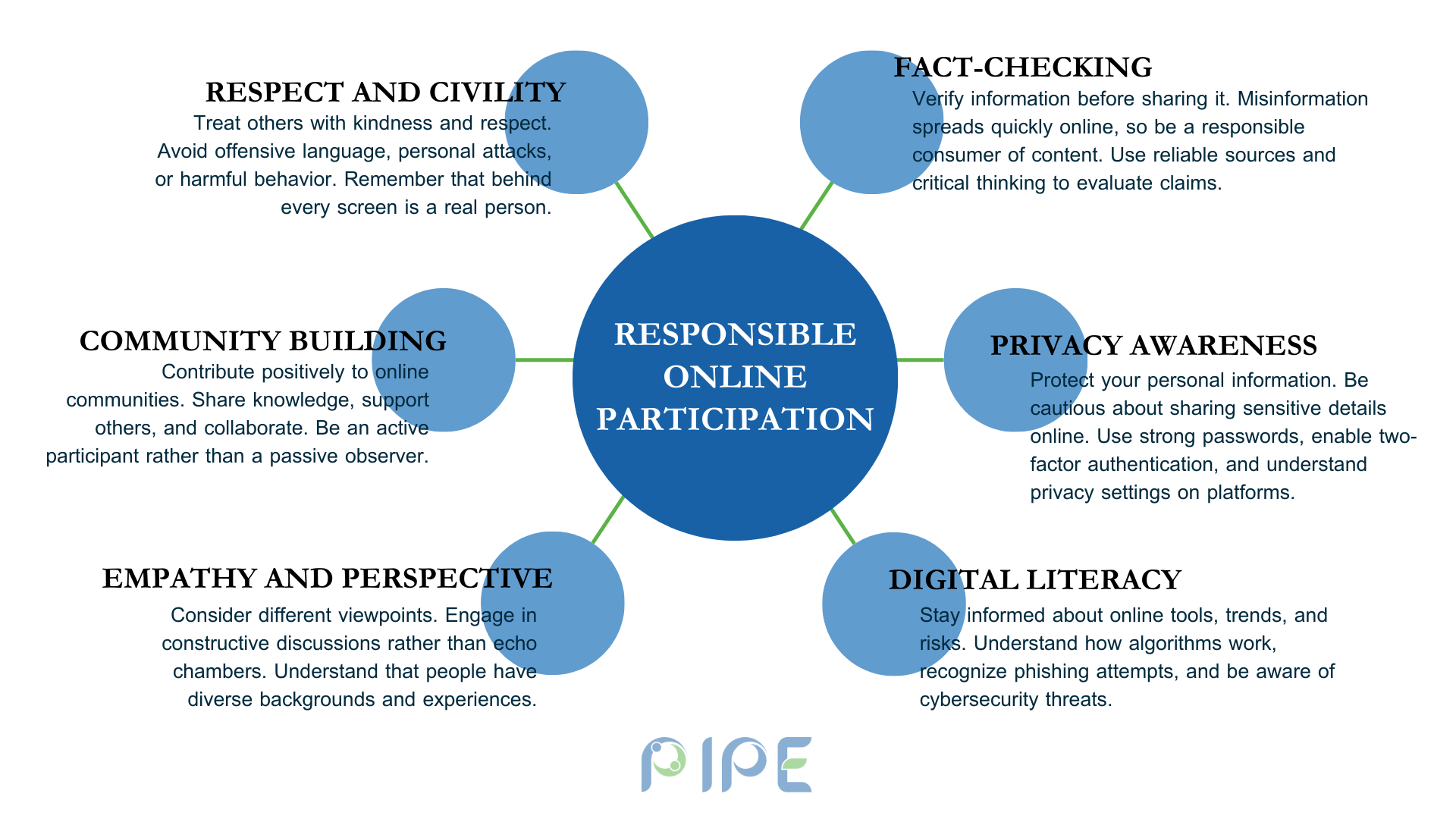
As we must recognize the transformative potential of these digital spaces, it is crucial to acknowledge the challenges and complexities that accompany their rise. Issues of misinformation, online harassment, and the commodification of personal data have cast long shadows, reminding us of the need for ethical governance, responsible stewardship, and a collective commitment to preserving the integrity of these virtual agoras, particularly when it comes to social and political participation and democratisation. In this sense, digital literacy becomes a fundamental right, and education initiatives focused on responsible online participation, critical thinking, and media literacy become pillars of a thriving digital citizenship. Platforms and policymakers work in concert, implementing robust safeguards against misinformation, harassment, and data exploitation, while fostering an environment that celebrates diversity, promotes inclusivity, and amplifies marginalised voices. Through this collective effort, we can transform social networks into true digital agoras – spaces where the free exchange of ideas is balanced by a shared commitment to truth, respect, and ethical conduct. Spaces where socio-political discourse is elevated, where economic opportunities are democratised, and where the voices of the disenfranchised are amplified, not silenced.
Even so, this vision extends beyond the realm of the digital, for the true power of social networks lies in their ability to catalyse real-world change. In this virtuous cycle, the digital and the physical worlds become intertwined, each feeding and amplifying the other in a constant exchange of ideas, energy, and transformative potential. Social networks become not just virtual spaces but portals to a world of endless possibilities, where participation is the currency of change, and empowerment is the ultimate prize.
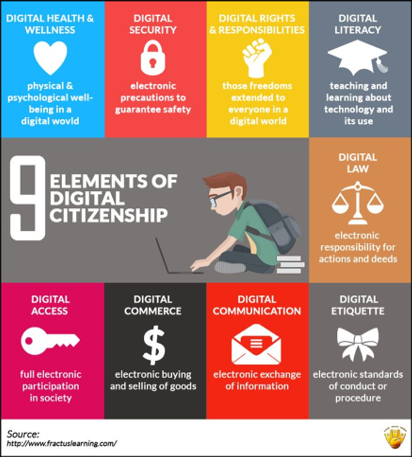
As we stand at the threshold of this digital agora, we must be aware about building responsible digital citizens, empowered to shape the narratives that define our collective human experience. This necessarily lets us embrace the power of social networks to amplify marginalised voices, foster and inspire a renewed sense of civic engagement that transcends borders and boundaries building a word for all. In this grand endeavour, we must remain vigilant, committed to upholding the ethical principles that safeguard the integrity of these digital spaces. We must cultivate a culture of digital literacy, critical thinking, and responsible online participation, equipping ourselves and future generations with the tools to navigate this ever-evolving landscape with wisdom and discernment. As, in the end, the true power of social networks lies not in the technology itself, but in the collective human spirit that animates these virtual spaces. It is our voices, our stories, our dreams, and our unwavering commitment to shaping a better world that breathes life into these digital agoras.
Digiculturality
In the ever-evolving human experience landscape, a new cultural phenomenon is taking shape – one that transcends the boundaries of the physical and the digital, weaving together the rich threads of our tangible realities and our virtual existences. This phenomenon, known as digiculturality, represents a profound shift in how we perceive, interact with, and shape the world around us. In this scenario, the concept of culture itself takes on a new dimension, one that embraces the convergence of the virtual and the tangible. Our digital footprints become as integral to our cultural identities as the traditions and customs passed down through generations. The memes, the hashtags, and the virtual communities we inhabit become indelible threads in our shared human experience.
To fully grasp the significance of digiculturality, we must first acknowledge the profound impact that digital technologies have had on our lives. The internet, social media, and the ubiquitous presence of smart devices have reshaped the very fabric of how we communicate, learn, work, and play. These digital realms have become extensions of our physical realities, spaces where we forge connections, express ourselves, and engage with the world in ways that were once unimaginable.
Yet, digiculturality represents more than just the integration of technology into our daily lives; it is a paradigm shift that challenges us to rethink the very boundaries of culture itself. It invites us to embrace the notion that our digital interactions, our online communities, and our virtual expressions are not mere supplements to our lived experiences, but integral components of a rich, multifaceted cultural dimension.
As defined by J. Leiva and E. Almenta (2013), “digiculturality” is an emerging trend of e-learning that is more humanising and inclusive. The authors emphasise the use of ICT (Information and Communication Technologies) to leverage interculturality, fostering intercultural competence as a crucial element of virtual interactions in a society that is constantly experiencing social and technological changes. Their approach aims to create a virtual education environment that is culturally rich and promotes continuous learning and interaction among diverse cultural groups.
In the current digital renaissance, we become digital-cultural hybrids, seamlessly navigating the intricate interplay between the physical and the virtual. Our avatars and online personas become reflections of our multifaceted identities, while our physical selves are enriched and informed by the digital worlds we inhabit. This fusion of worlds opens up new avenues for cultural expression, collaboration, and cross-pollination. Online communities transcend geographical boundaries, fostering a global exchange of ideas, traditions, and perspectives. Virtual spaces become incubators for artistic and creative expression, where digital mediums converge with tangible art forms, birthing entirely new genres and styles.
Moreover, digiculturality challenges us to confront the complexities and nuances that arise when our physical and digital realities collide. It prompts us to grapple with questions of digital ethics, privacy, and the responsible stewardship of our online identities and data. It invites us to navigate the intricate dance between the democratisation of information and the preservation of intellectual property rights, between the freedom of expression and the need for respectful discourse.
As we embrace digiculturality, we must not be naïve, and also confront the potential pitfalls and challenges that accompany this cultural fusion. The blurring of boundaries between the virtual and the physical can amplify the spread of misinformation, cyberbullying, and online harassment. It can exacerbate existing societal divides, creating new forms of exclusion and marginalisation for those who lack access to digital technologies or the skills to navigate these virtual spheres.
Yet, within these challenges lie opportunities for growth, innovation, and the forging of a more inclusive and equitable digital-cultural landscape. By cultivating digital literacy, fostering responsible online citizenship, and promoting ethical governance of digital spaces, we can harness the transformative potential of digiculturality while mitigating its inherent risks.
For our modern societies, it is unavoidable to let towards a deep democratisation strategy where our educational systems embrace digiculturality, equipping learners with the skills and mindsets to navigate this cultural fusion with confidence and resilience. A world where digital citizenship becomes a core component of the curriculum, empowering individuals to engage with virtual spaces in a responsible, ethical, and empowering manner.
In this process in which education, citizenship and democratisation are linked, we must acknowledge that digiculturality is not a destination, but a continuously unfolding process – one that requires us to adapt, learn, and evolve in tandem with the rapid pace of technological change. It is a journey that demands flexibility, resilience, and a willingness to embrace the uncertainties and complexities that arise at the intersection of the digital and the tangible.