You will find in this Chapter:
Development of language skills: Strategies to improve listening, reading, writing and speaking in the foreign language. Techniques to increase fluency and accuracy in oral and written communication
Mobilisation of linguistic knowledge: Practice in applying linguistic knowledge in real and varied contexts. Activities to strengthen the transfer of skills between different communicative situations
Participation in a variety of communicative situations: Strategies to engage learners in debates, presentations and role-plays. Resources to address current and relevant issues in global society
The role of language in strengthening identity
Development of language skills: Strategies to improve listening, reading, writing and speaking in the foreign language. Techniques to increase fluency and accuracy in oral and written communication
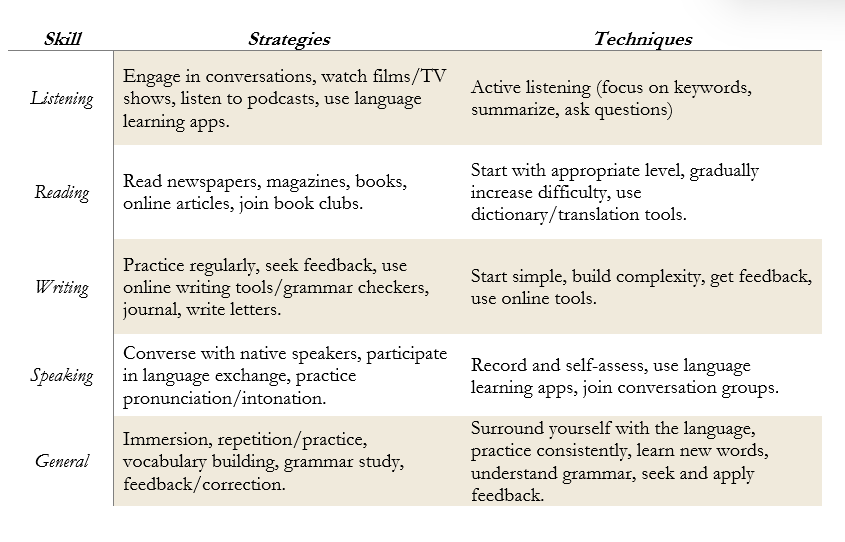
Mastering the host language is a dynamic process that requires dedication, practice, and the implementation of effective strategies. While the previous chapter outlined the importance of acquiring comprehensive language skills, this section delves deeper into specific techniques and approaches to enhance listening, reading, writing, and speaking abilities.
- Listening comprehension is often cited as one of the most challenging aspects of language acquisition, but it can be significantly improved through targeted practice. Actively engaging in conversations with native speakers, immersing oneself in the target language through various media, and utilizing language learning apps or online platforms that offer listening comprehension exercises can all contribute to an enhanced understanding of spoken language. Moreover, employing active listening techniques, such as focusing on keywords, making inferences, and summarizing main ideas, can significantly improve comprehension and retention.
- Reading comprehension is not merely about decoding words, but also about extracting meaning, interpreting context, and making connections. To improve reading skills, migrants can start with materials that match their current language level and gradually progress to more complex texts. Utilizing dictionaries or online translation tools can help with unfamiliar vocabulary, while engaging in discussions with language partners or book clubs can deepen understanding and provide opportunities for meaningful interaction.
- Writing is a valuable tool for self-expression, academic success, and professional advancement. To enhance writing skills, it is essential to practice regularly, starting with simple sentences and gradually progressing to more complex structures. Seeking feedback from native speakers or language instructors can be invaluable for identifying areas for improvement and receiving personalized guidance. Additionally, utilizing online writing tools, grammar checkers, and participating in online writing communities can provide further support and opportunities for practice.
- Oral communication is perhaps the most crucial aspect of language acquisition, as it enables meaningful interaction and connection with others. To develop fluency and accuracy in speaking, engaging in regular conversations with native speakers is paramount. Participating in language exchange programs, joining conversation groups, and practicing pronunciation and intonation can further enhance speaking skills. Recording oneself speaking and listening back for self-assessment can also be a valuable tool for identifying areas that require further attention.
In addition to these specific strategies for each language skill, there are accelerate language acquisition and enhance overall communication. Immersion in the target language through media, social interactions, and cultural events can create a rich linguistic environment that fosters rapid learning. Consistent repetition and practice through a variety of activities, such as reading, writing, listening, and speaking, are essential for internalizing language patterns and structures. Actively expanding vocabulary through flashcards, vocabulary lists, and contextualized learning can significantly enrich linguistic repertoire. Understanding grammar rules and practicing their application can improve sentence structure and accuracy in both written and spoken language. Seeking feedback from native speakers or language instructors and actively correcting errors are crucial steps for refining language skills and achieving fluency.
By embracing a comprehensive approach that encompasses all language skills, implementing targeted strategies, and utilizing various techniques, migrants can successfully master the host language, communicate effectively, and fully participate in their new communities. This journey of language acquisition is not only a practical necessity but also an enriching experience that opens doors to new opportunities, friendships, and cultural understanding.
Mobilisation of linguistic knowledge: Practice in applying linguistic knowledge in real and varied contexts. Activities to strengthen the transfer of skills between different communicative situations
Mobilizing linguistic knowledge goes beyond textbook learning; it’s about applying language skills in authentic, varied contexts to foster effective communication. This process is not merely about memorizing grammar rules and vocabulary, but actively using language to navigate diverse communicative situations. To achieve this, a range of engaging activities and practical strategies can be employed.
One effective approach is to create opportunities for immersive language practice. Immersing oneself in real-life scenarios, such as visiting local markets, attending cultural events, or engaging in conversations with native speakers, provides invaluable exposure to authentic language use. These experiences allow learners to observe and practice language in context, enhancing their understanding of nuances, idiomatic expressions, and cultural references. Additionally, language exchange programs or tandem learning partnerships, where learners practice with native speakers, can offer valuable opportunities for reciprocal learning and cultural exchange.
- Role-playing activities and simulations offer another powerful tool for mobilizing linguistic knowledge. These activities involve learners acting out different scenarios, such as job interviews, doctor’s appointments, or social gatherings, using the target language. By simulating real-life situations, learners can practice using language in a safe and supportive environment, building confidence and fluency. Role-playing also encourages creativity and problem-solving skills as learners adapt their language to different roles and contexts.
- Project-based learning is a dynamic approach that promotes the transfer of language skills across different communicative situations. By working collaboratively on meaningful projects, learners actively apply their language skills in real-world contexts. For example, creating a presentation, designing a website, or organizing an event not only requires language use but also fosters critical thinking, collaboration, and creativity. Gamification can be incorporated into project-based learning by introducing challenges, rewards, and competition to boost engagement and motivation.
- Technology plays a pivotal role in mobilizing linguistic knowledge. Language learning apps, online forums, and social media platforms offer diverse opportunities for practicing language skills in authentic contexts. Learners can engage in interactive exercises, participate in online discussions, or explore virtual reality simulations. Gamification is often integrated into these platforms, with features like leaderboards, progress tracking, and rewards, making language learning more interactive and enjoyable.
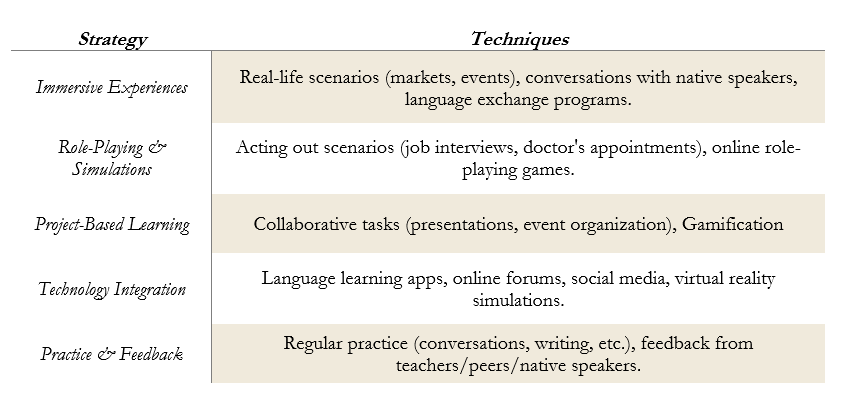
To ensure the effective transfer of skills between different communicative situations, ample opportunities for practice and feedback are essential. Regular practice, whether through conversations, writing exercises, or other activities, reinforces language skills and builds confidence. Constructive feedback from teachers, peers, or native speakers helps learners identify areas for improvement and refine their language use. Gamification can be integrated into feedback mechanisms, providing learners with immediate rewards for progress and encouraging them to continue practicing. By embracing diverse methodologies that include immersive experiences, role-playing, project-based learning, technology integration, and gamification, educators can empower migrants to actively mobilize their linguistic knowledge, communicate confidently in various contexts, and achieve their language learning goals.
Participation in a variety of communicative situations: Strategies to engage learners in debates, presentations and role-plays. Resources to address current and relevant issues in global society
Engaging learners in diverse communicative situations is key to developing well-rounded language skills and fostering a deeper understanding of global issues. By participating in debates, presentations, and role-plays, learners can practice using language in authentic contexts, build confidence, and develop critical thinking skills. This section explores effective strategies and resources for engaging learners in these activities and addressing relevant global concerns.
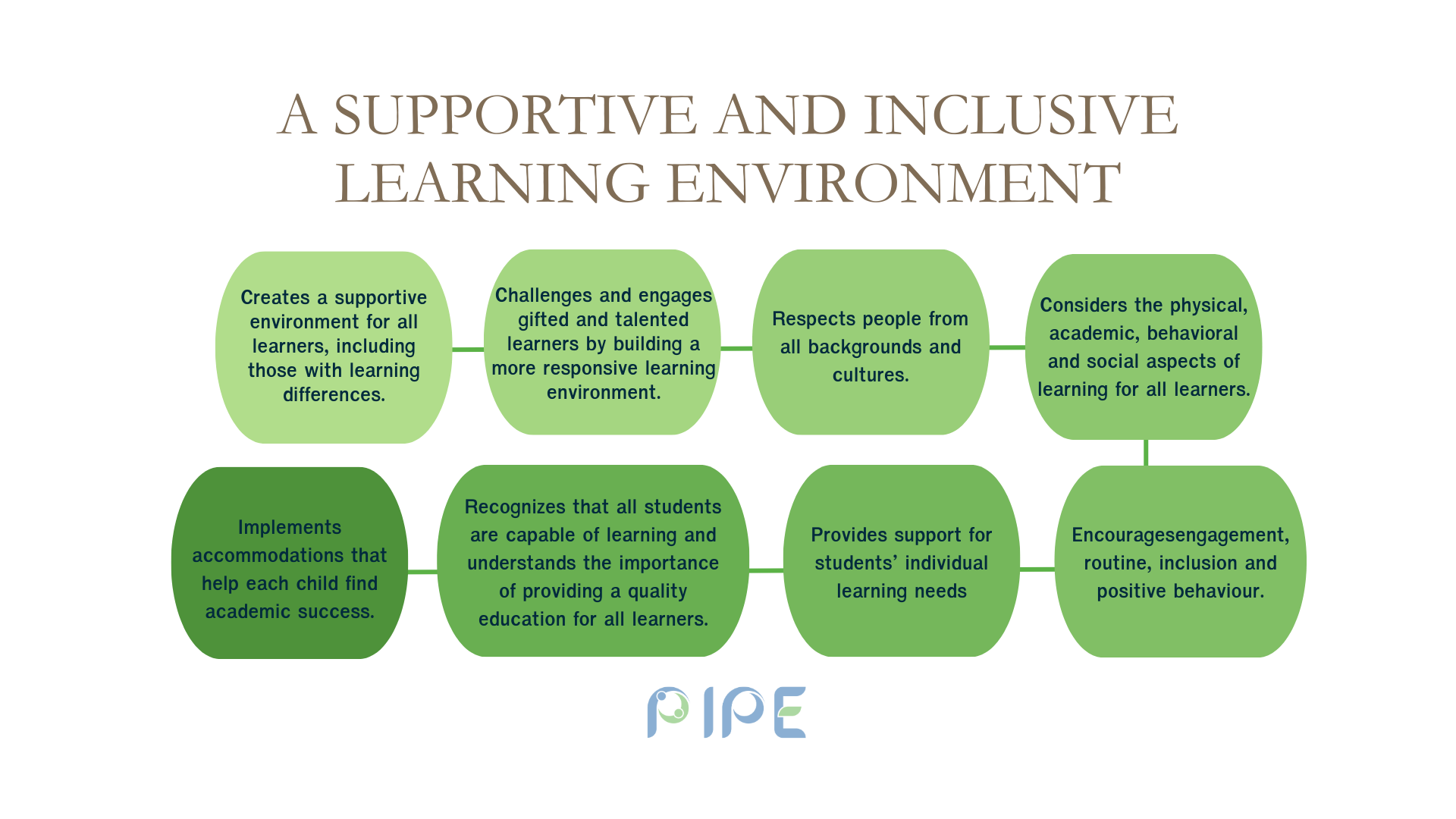
Creating a supportive and inclusive learning environment is fundamental for encouraging participation. Learners should feel safe to express their opinions, ask questions, and make mistakes without fear of judgment. Teachers can foster this environment by establishing clear expectations, providing constructive feedback, and modelling respectful communication. Encouraging collaboration and peer support can also create a sense of community and motivate learners to participate actively.
Debates offer a platform for learners to explore complex issues, develop persuasive arguments, and practice critical thinking skills. To engage learners in debates, selecting topics that are relevant and meaningful to them is crucial. Current events, social justice issues, and cultural differences can all be fertile ground for stimulating discussions. Providing learners with resources like articles, videos, and podcasts can help them research the topic and develop informed opinions. Structuring the debate format with clear roles, time limits, and evaluation criteria can also ensure a productive and engaging experience.
- Presentations provide learners with the opportunity to share their knowledge, research findings, or creative projects with an audience. To make presentations engaging, learners can be encouraged to use a variety of multimedia tools. Providing clear guidelines and expectations for the presentation format, content, and delivery can help learners prepare effectively. Encouraging peer feedback and self-reflection can also enhance the learning experience.
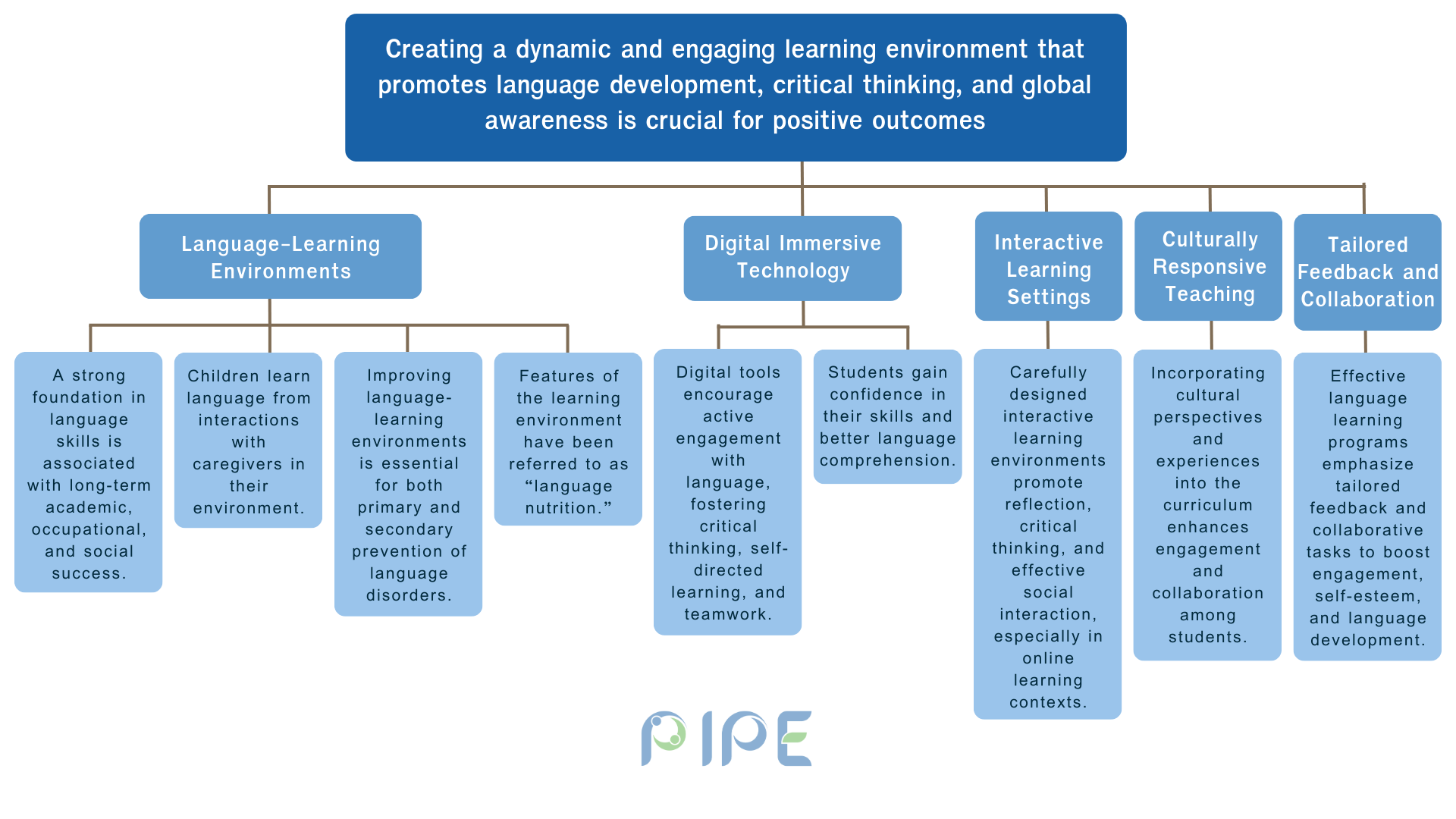
- Role-plays offer a dynamic way for learners to practice language skills in simulated real-life situations. By taking on different roles and interacting with others, learners can develop empathy, problem-solving skills, and cultural understanding. Role-play scenarios can be based on everyday situations, workplace interactions, or even historical events. Providing clear instructions, character profiles, and learning objectives can help learners stay on track and maximize the learning potential of the activity.
- To address current and relevant issues in global society, educators can draw on a wealth of resources. News articles, documentaries, podcasts, and online forums can provide learners with up-to-date information and diverse perspectives. Non-governmental organizations (NGOs), international organizations, and academic institutions often publish reports and research papers on global issues, offering valuable insights and data. Guest speakers from different backgrounds can also share their experiences and expertise, enriching the learning environment.
- By incorporating these strategies and resources, educators can create a dynamic and engaging learning environment that promotes language development, critical thinking, and global awareness. Through active participation in debates, presentations, and role-plays, learners can develop the skills and confidence they need to navigate complex issues, express their opinions effectively, and contribute to a more informed and equitable world.
The role of language in strengthening identity
Language is not merely a tool for communication; it is a profound expression of identity, culture, and belonging. For migrants, language plays a pivotal role in shaping their sense of self and fostering a connection to both their heritage and their new home. This section explores the intricate relationship between language and identity for migrants, highlighting how the ways in which language can strengthen their sense of self, facilitate integration, and empower them to navigate diverse cultural landscapes.
For many migrants, their mother tongue serves as a lifeline to their cultural heritage, a repository of memories, traditions, and values. Maintaining and developing proficiency in their native language allows them to preserve their cultural identity, connect with their roots, and pass on their heritage to future generations. It provides a sense of continuity and belonging, especially in the face of cultural adjustment and potential assimilation pressures.
At the same time, acquiring proficiency in the host country’s language is crucial for integration and participation in the new society. Learning the language of the host community opens doors to education, employment, and social interaction. It allows migrants to access information, participate in civic life, and build relationships with native speakers. This, in turn, fosters a sense of belonging and acceptance, contributing to a more positive and fulfilling migrant experience.
For many migrants, navigating the linguistic landscape of their new home involves a delicate balance between preserving their heritage language and embracing the new language. This can lead to the development of a unique bilingual or multilingual identity, where individuals draw on different linguistic resources to express themselves and connect with diverse communities. This hybrid identity can be a source of strength, resilience, and adaptability, as individuals navigate the complexities of cultural adaptation and forge their unique paths.
The role of language in strengthening identity is particularly significant for migrant children and youth. For them, language is not only a means of communication, but also a way to express their emerging identities and navigate the complexities of belonging to multiple cultures. Maintaining their heritage language while also mastering the language of their new home can help them develop a strong sense of self, cultural pride, and resilience. It can also enhance their cognitive flexibility and intercultural communication skills, equipping them to thrive in a globalized world.
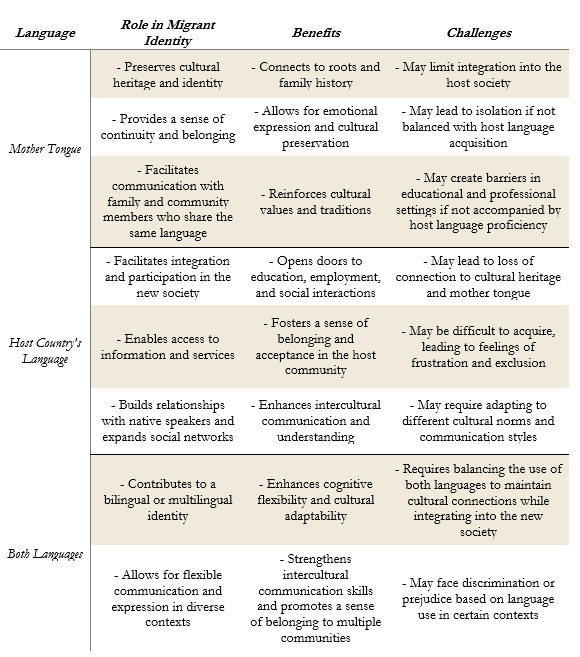
Language policies and educational practices play a crucial role in supporting migrants’ language development and identity formation. Providing access to language learning resources, creating inclusive learning environments, and valuing linguistic diversity can empower migrants to maintain their heritage language while also acquiring proficiency in the host language. This approach not only promotes integration but also celebrates the richness of cultural and linguistic diversity that migrants bring to their new communities.
By recognizing the complex and dynamic relationship between language and identity, educators, policymakers, and communities can create more supportive and inclusive environments for migrants. Empowering migrants to embrace their linguistic heritage while also developing proficiency in the host language can strengthen their sense of self, foster a sense of belonging, and contribute to a more vibrant and inclusive society.