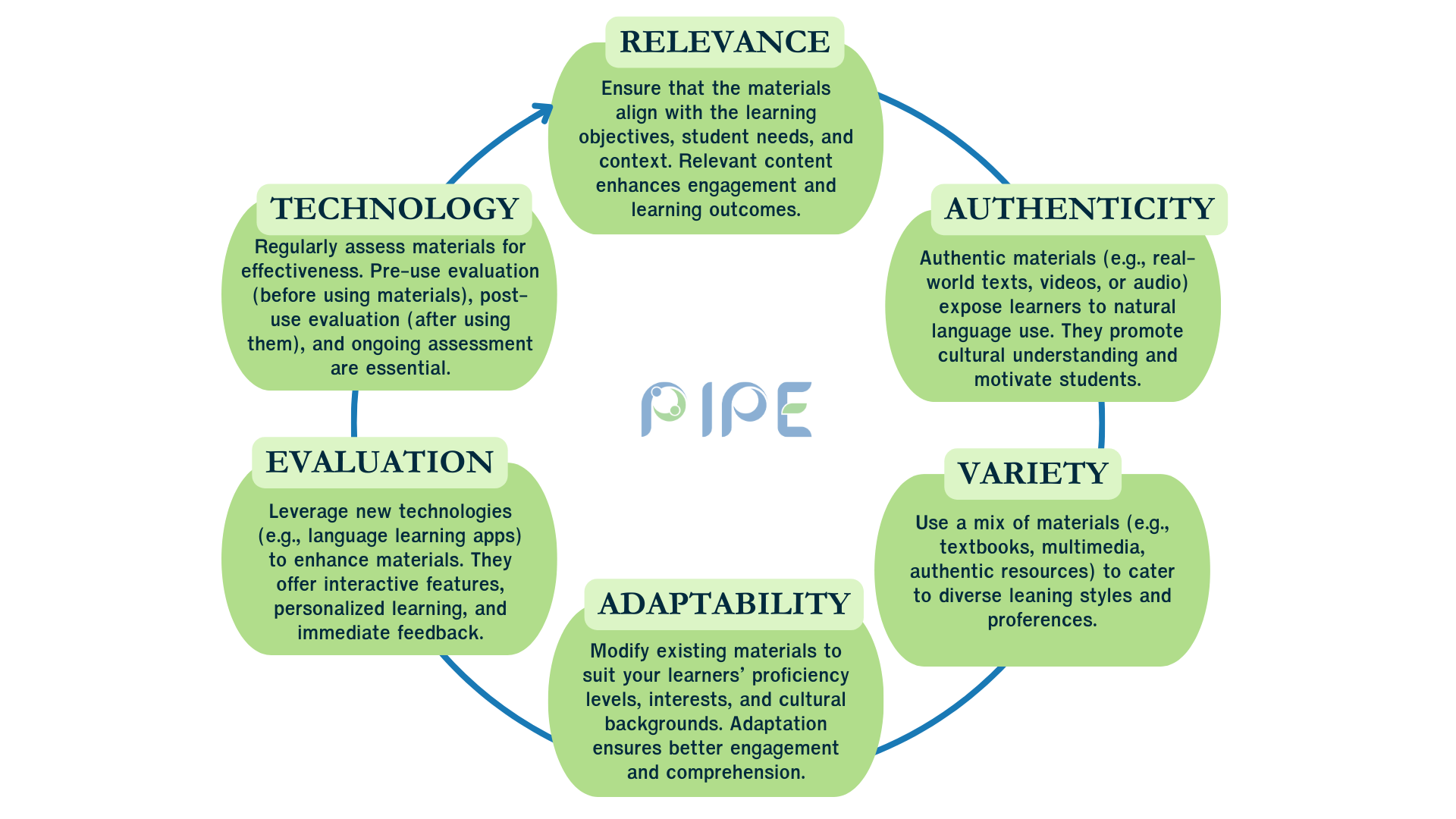
The choice of appropriate teaching materials is the moment when the effectiveness of the future relationship between teaching and learning is established. For this reason, it is necessary to adopt a critical approach that considers the teaching context in which the teacher will be operating: who will they be dealing with in the classroom? Answering this question means considering factors such as the age of the students and their cultural background of experiences and lifestyles. What is their current level of language proficiency? What do they expect from their education? What interests are they motivated by?
Considering the age group of the students is essential to choose learning materials that are appropriate for their cognitive development. Preschool children, for example, learn more easily through images and interaction; in contrast, a class of adult learners may require more static, text-based materials.
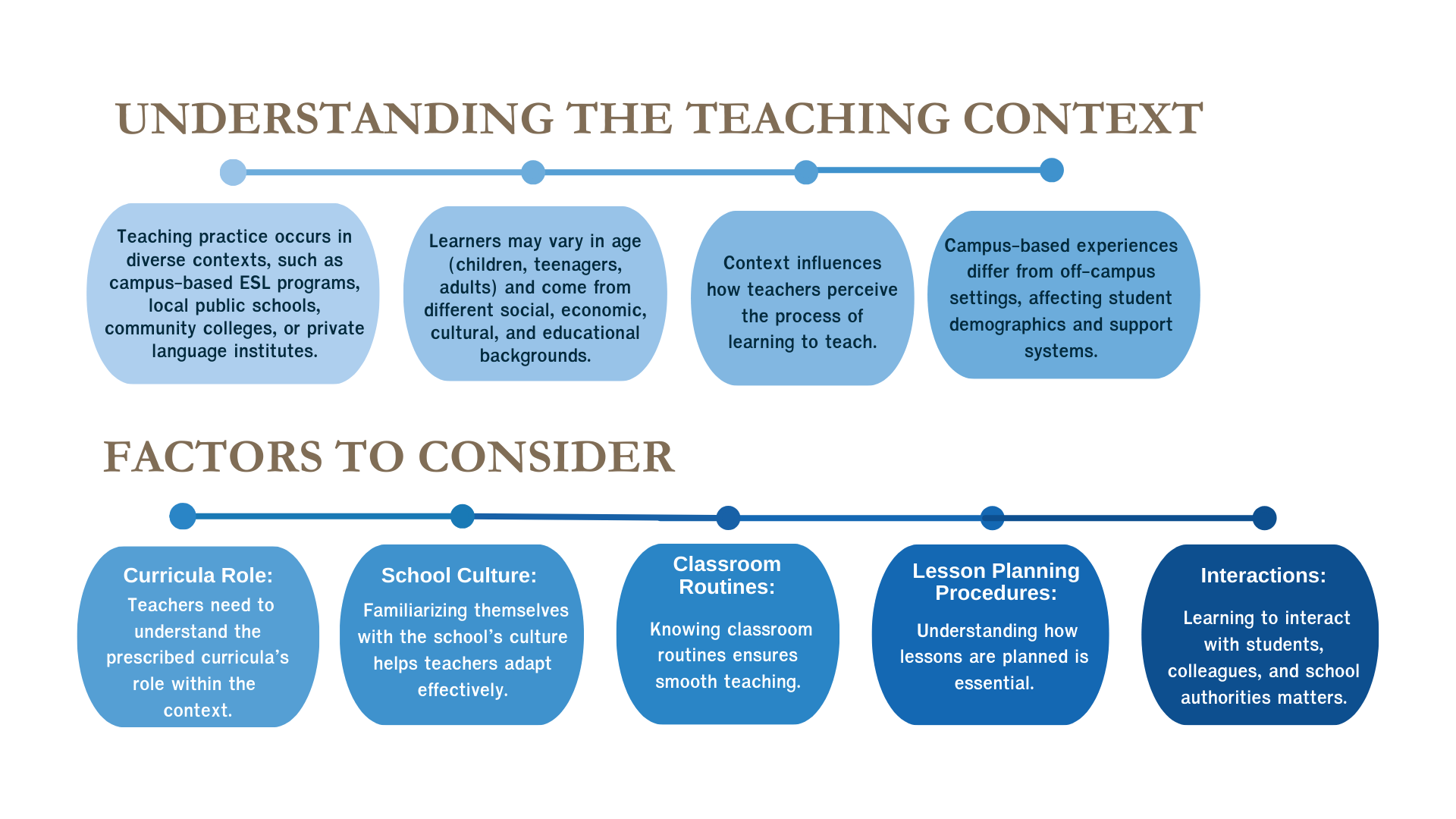
Similarly, knowing the language proficiency of the class means creating a learning environment that is uniform and does not encourage the onset of demoralisation due to confrontation with activities that are too simple or out of reach for the less competent learner. An absolute beginner may need simple language to understand the basics of the new language, whereas with a more advanced learner it may be more effective to begin enriching their vocabulary and proposing more complex grammatical constructions, as well as focusing on specialised business language.
It is then necessary to relate the learner’s needs to the available resources but above all to the methodology that the teacher intends to bring to the classroom and, where possible, to find the right compromise to ensure that the learning experience is truly effective, fluid and motivating for both teacher and learner.
It is useful for a teacher to choose materials for their learning environment that are practical and accessible as well as consistent with the teaching methodology adopted, which may vary from a traditional approach to more innovative methodologies, such as cooperative or inquiry-based learning.
Teaching a language is a challenge and undoubtedly a great social responsibility, but it can be made easier and more enjoyable by planning. To do so, it is necessary to conduct an initial needs assessment of learners to find out what their learning needs and preferences are. This can be done through surveys, interviews or questionnaires. Based on the information gathered, the teacher will be able to set the course route and consciously choose effective and interest-based learning material that is always stimulating.
Selecting teaching material is a complex process that requires a careful assessment of the students, the context and the available resources as well as great sensitivity on the part of the teacher and a pinch of creativity. After all, teaching is like storytelling. And to be effective it’s important to have a good story to tell.