Bubble question 1
How does culture shape ourselves, our students, and our pedagogies?
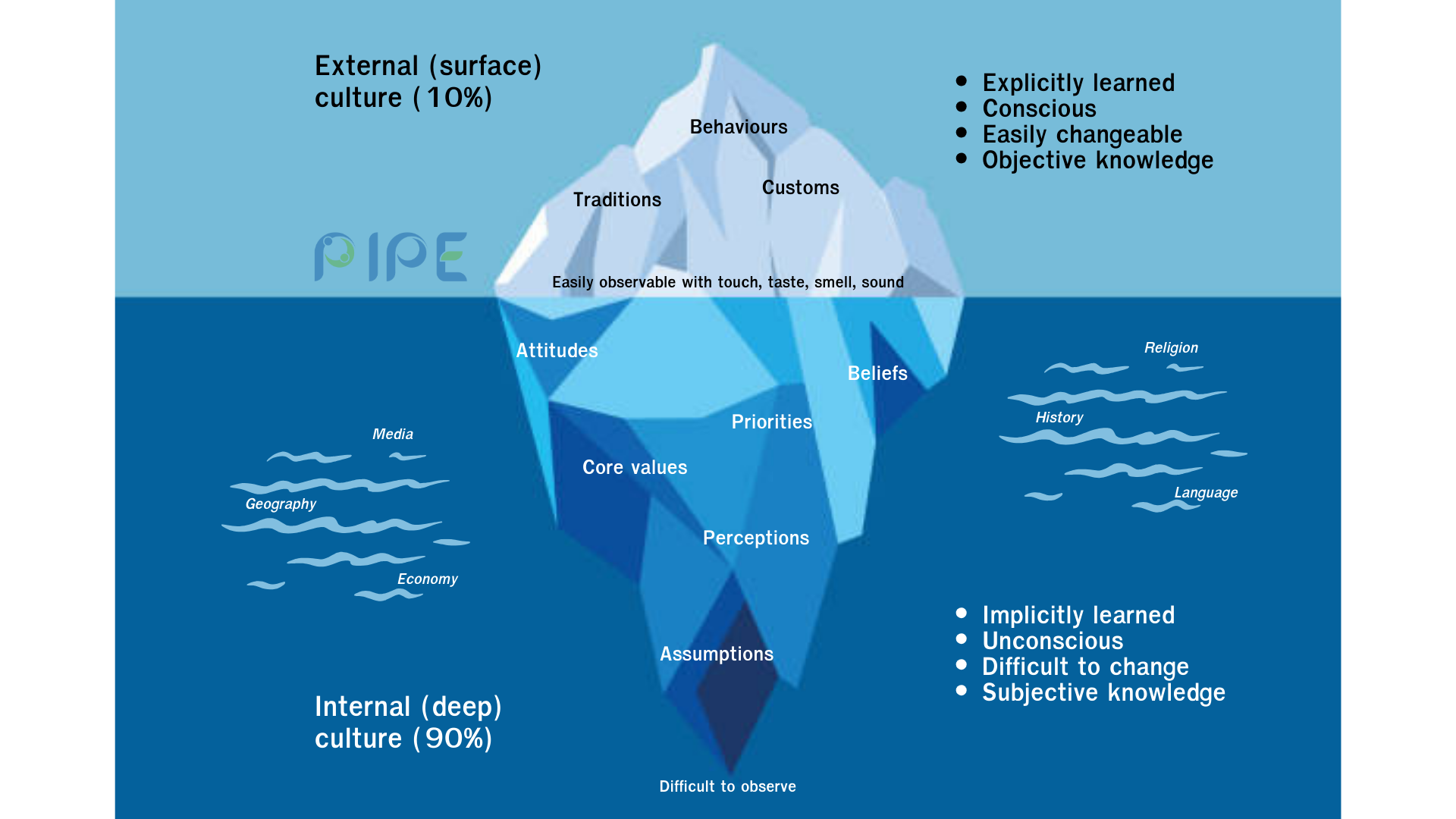
This leads to questions about how we define culture, and how we consider the relationships between individuals and groups that we would consider to be culturally different from each other. Hall (1990), whose writing about culture significantly influenced intercultural training in the twentieth century, considered culture to be a system of physical objects, behaviours, and language systems within and beneath conscious awareness. Hall visualized culture as an iceberg, with some physical cultural characteristics (e.g. dress, foods, festivals) existing “above the waterline”, and other aspects of culture (such as orientations to time, expectations of communication style, and values in relationships) functioning “below the waterline”, likely invisible and unknown to others without deeper exploration. Watching the video of The Cultural Iceberg you can find a brief introduction to culture and its dimensions, senses, and values.
Bubble question 2
Multicultural or Intercultural education?
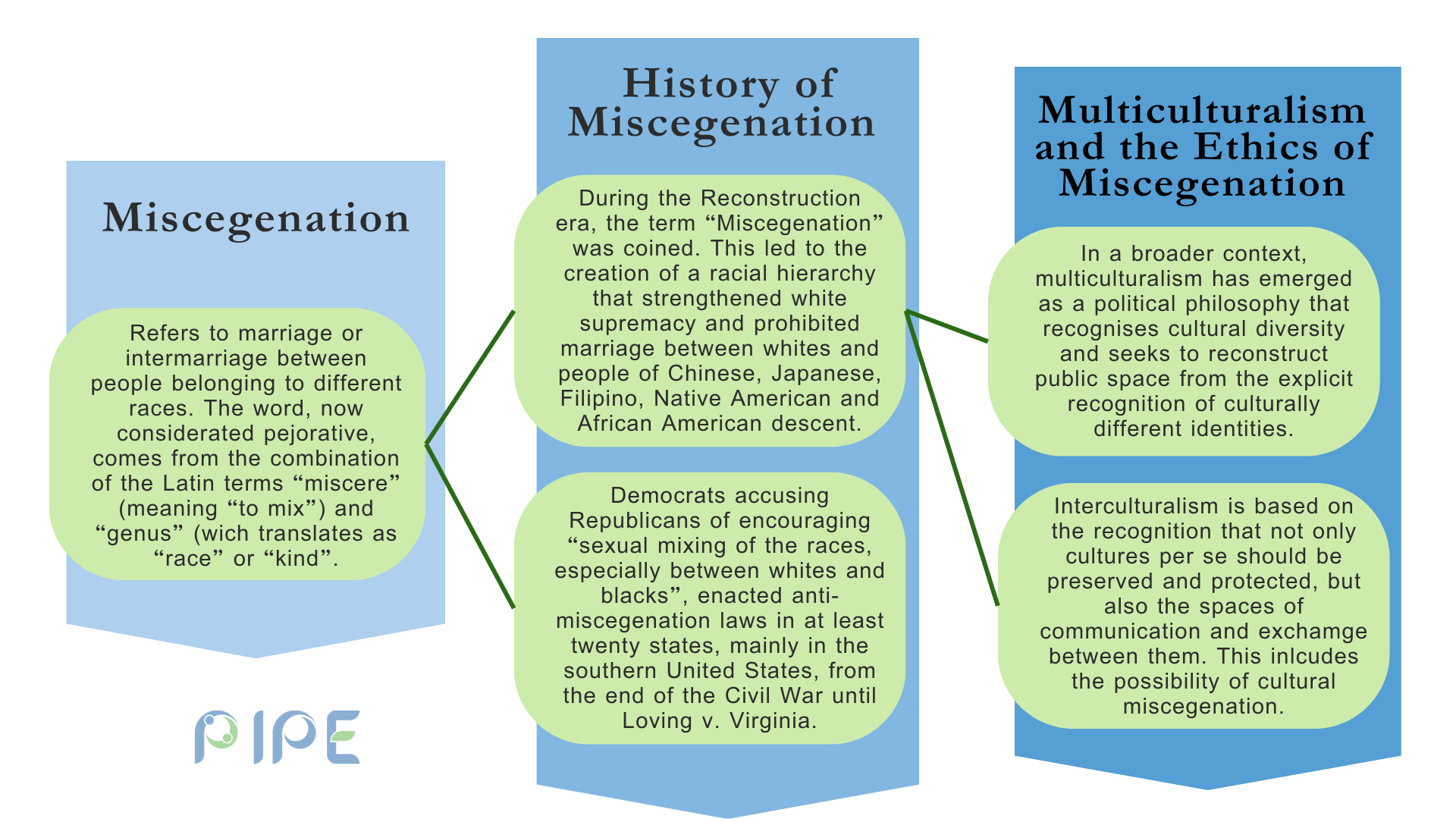
The idea of multiculturalism can mask the critical issues of relating well within intercultural contexts in ways that promote equity, rather than reinforcing patterns of discrimination. The objective of multiculturalism is to recognize the coexistence of diverse groups, with an emphasis on mutual respect and understanding (Aman, 2015). The concept of interculturality is more comprehensive and encompasses relationships between and within groups, including exchange and dialogue (UNESCO, 2006).
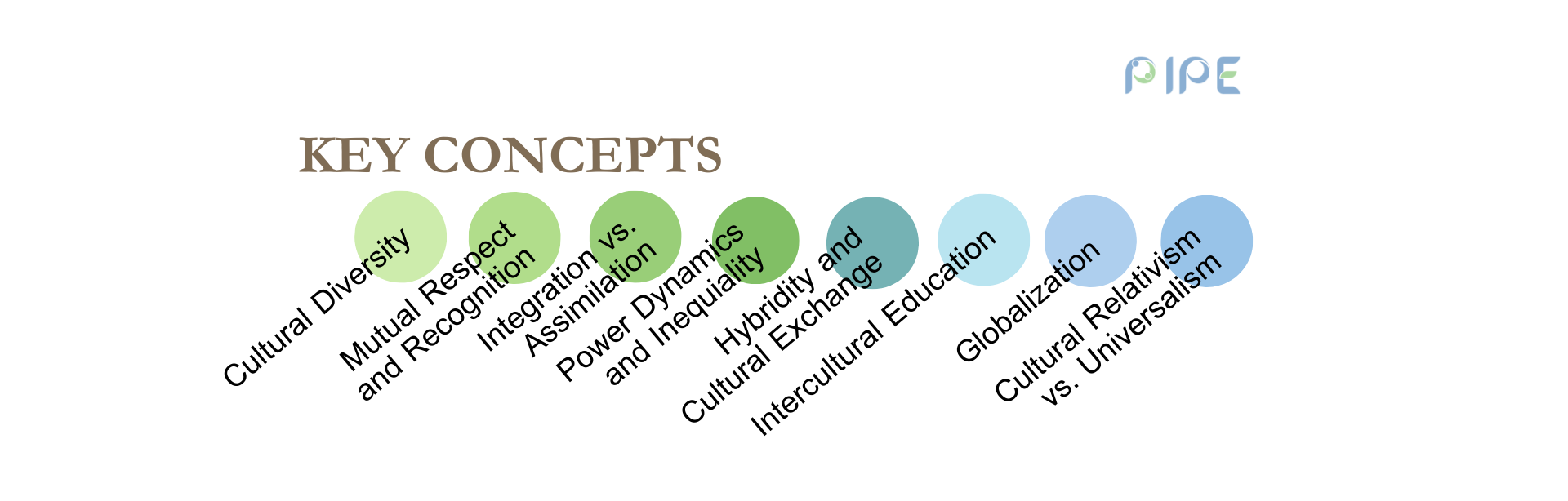
The notions and theories that underpin the concepts of interculturality help us to understand social and educational reality. When dealing with these concepts allow us to see the social world from a different perspective to concentrate on the individual aspects of which it is composed. They ensure a clear passage for the practitioner and the researcher. Some of them are:
- Cultural Diversity: acknowledges the existence of a variety of cultures within a society. It values the unique contributions of each culture and encourages the preservation and expression of cultural identities.
- Mutual Respect and Recognition: Central to interculturality is the idea of respecting and recognizing the equal worth of different cultures. This means valuing cultural expressions and perspectives without imposing one’s cultural norms and values.
- Integration vs. Assimilation: Interculturality supports the integration of individuals and groups into society while allowing them to maintain their cultural identities. It contrasts with assimilation, which often involves the erasure or devaluation of minority cultures in favour of a dominant culture.
- Intercultural Competence: This refers to the skills and abilities required to interact effectively and appropriately with people from other cultures. It includes cultural awareness, sensitivity, and the ability to adapt one’s behaviour to different cultural contexts.
- Power Dynamics and Inequality: involves addressing and challenging power imbalances and inequalities that exist between different cultural groups. It seeks to create more equitable and just relationships.
- Hybridity and Cultural Exchange: embrace the idea of cultural hybridity, where cultures influence and blend, leading to new, hybrid cultural forms. This process of exchange enriches all participating cultures.
- Intercultural Education: education plays a crucial role in promoting interculturality. Intercultural education aims to foster understanding and appreciation of cultural diversity, equipping individuals with the knowledge and skills needed for intercultural dialogue and cooperation.
- Globalization: interculturality becomes increasingly important as people from diverse cultural backgrounds interact more frequently. Globalization brings both opportunities and challenges for intercultural relations.
- Cultural Relativism vs. Universalism: Interculturality often involves navigating the tension between cultural relativism (understanding cultures on their terms) and universalism (applying certain universal values and principles). Finding a balance between respecting cultural differences and upholding universal human rights is a key aspect of interculturality.
Interculturality, therefore, is about creating a dynamic and inclusive society where cultural differences are seen as assets rather than obstacles. It encourages a holistic approach to cultural interactions that promotes mutual learning and the co-creation of shared spaces (Akkari & Radhouane, 2022).
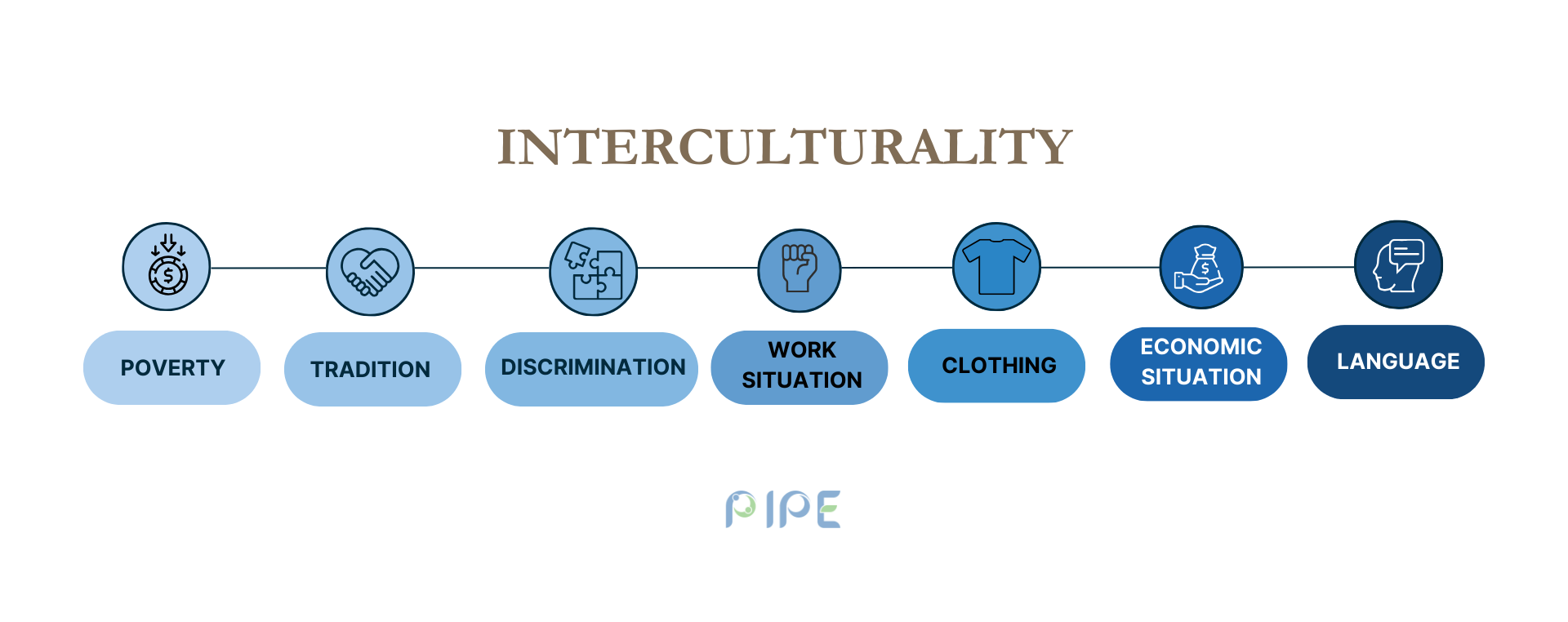
Interculturality refers to the presence and equitable interaction of diverse cultures and the possibility of generating shared cultural expressions, acquired through dialogue and an attitude of mutual respect. – UNESCO
The world changes if two look and recognize each other. – Octavio Paz
There are multicultural societies, but not yet intercultural societies. – Elizabeth Flores
If we cannot put an end to our differences, let us contribute to making the world a fit place for them. – John Fitzgerald Kennedy
I am convinced that the future belongs to non-violence, to the conciliation of different cultures. – Stéphane Hessel