You will find in this Chapter:
Interculturality in the Language Classroom
Activities and resources to promote understanding and respect for other cultures
Practices to Enrich the Intercultural Experience Inside and Outside the Classroom
Bilingual or Multilingual Approach to Training
Bubble question
What is the need for intercultural understanding?
Understanding the key ideas of interculturality is essential for professionals in today’s globalized and diverse world to enhance communication, increase empathy and sensitivity, to promote ethical behaviour and inclusive practices. Intercultural understanding in the classroom is crucial, contributing to a more inclusive, effective, and enriching educational environment. It helps create a classroom atmosphere where all students feel respected and valued, regardless of their cultural background. Furthermore, enhances a sense of belonging and encourages students to participate actively in their learning, encourages them to question stereotypes, challenge biases, and think critically about cultural assumptions. Before starting intercultural education:
Read UNESCO Guidelines for Intercultural Education. These Guidelines have been prepared as a contribution to the understanding of the issues around intercultural education. They draw the key standard-setting instruments and the results of numerous conferences to present concepts and issues that may be used to guide future activities and policymaking. It serves as a valuable practical resource for teachers and learners, curriculum developers, policymakers and community members alike, and all those who wish to promote Intercultural Education in the interests of peace and understanding.
Learn the experience of Story Circles: Intercultural Understanding Workshop, (Unesco2020) Another methodology used for intercultural understanding concerns the “Story Circles” Workshops which aim to increase international students’ sense of belonging by creating dialogue about intercultural experiences and equipping participants with tools to put inclusion into action. They provide a safe space to reflect on the intersection of international status with racial, ethnic, gender, and other identities. Participants are initially separated into smaller breakout rooms, with everyone taking turns to share personal intercultural experiences. Trained facilitators oversee the conversations to uphold mutual respect, trust, and understanding. Following a period of small-group discussion, the whole group reconvenes to share insights, reflect on the issues raised, and establish a forward-looking perspective on diversity and belonging. Find more information on the Story Circles Toolkit from OSU.
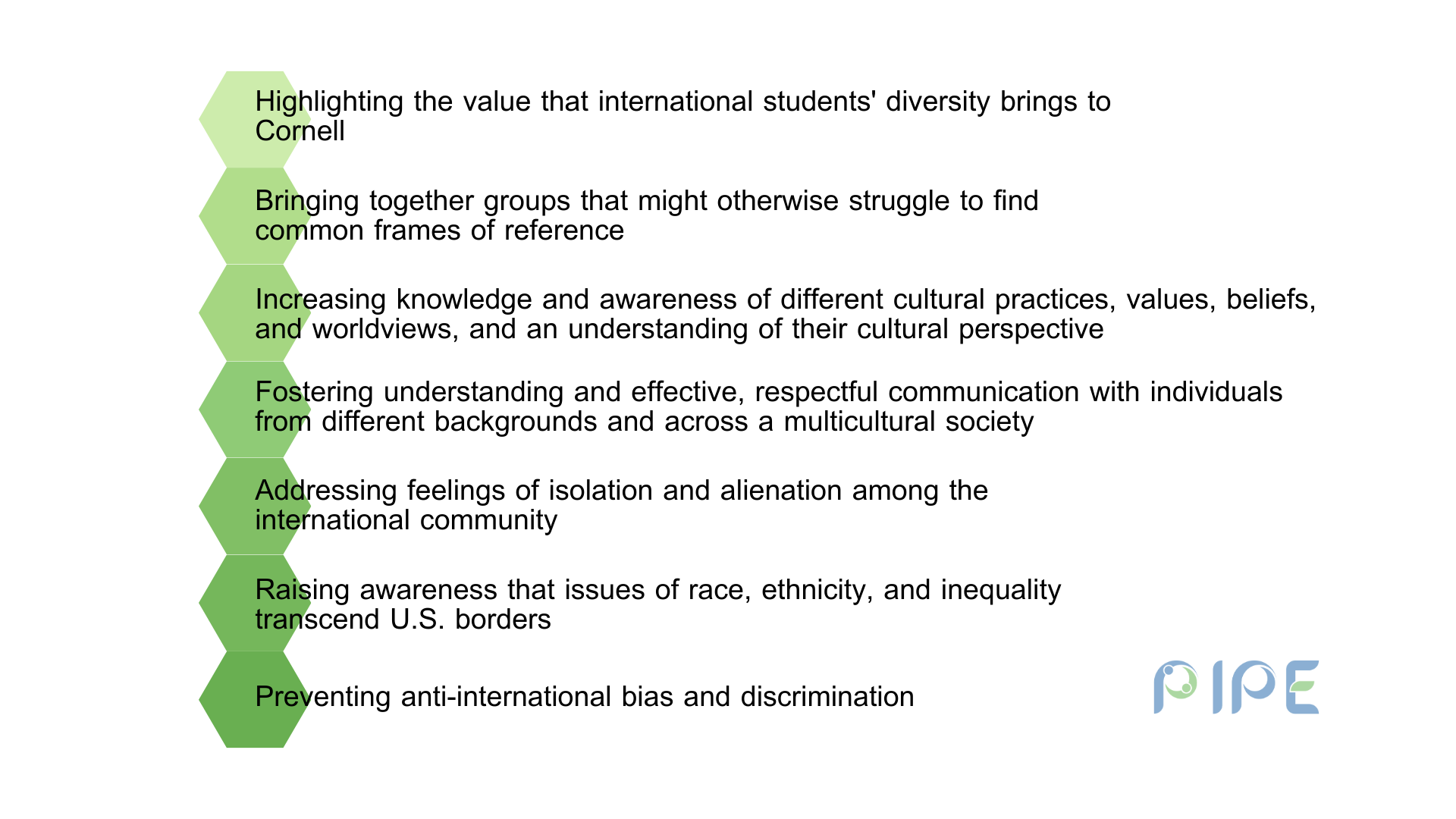
Intercultural Education: Objectives, Values and Perspectives: Intercultural education is a global necessity, a specialized form of education that puts individuals and their cultures in positions of differential treatment, but at the same time, they are in positions of equality. It deals with the educational process through the vision of cultural diversity and is focused on cultural interaction phenomena (people, cultures, religions, speakers of different languages, people who have different views and opinions, etc.). The values derived from intercultural education (tolerance, freedom, openness, acceptance of differences, understanding of diversity, pluralism, and cooperation) are built into the personalities of the educated subjects through sustained and consistent (systematic) efforts. It promotes the solidarity of the local community with the international community (Bennett, 2009).
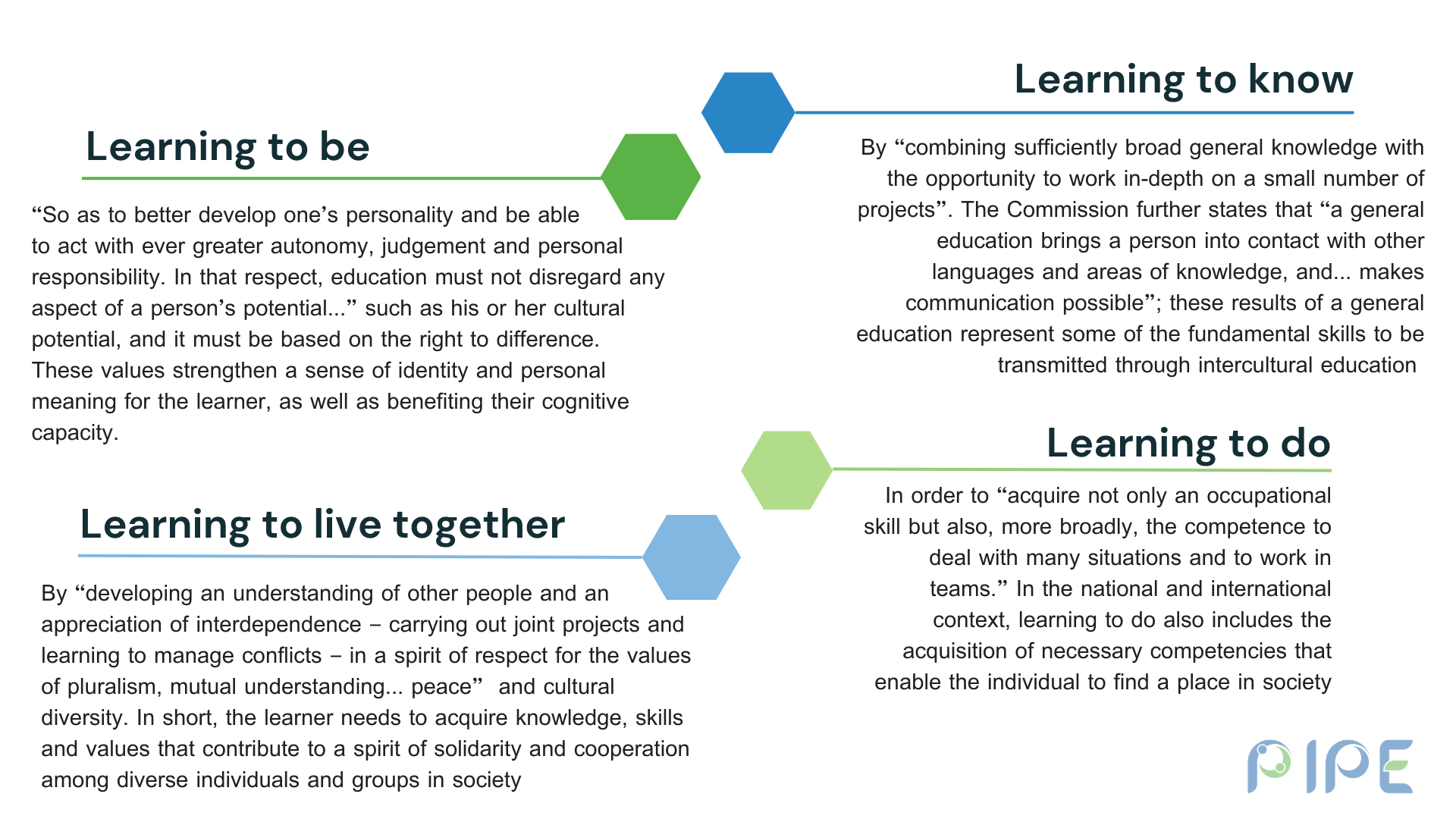
It refers to interaction between people, religions, cultures, and speakers of different languages with different opinions and views. The main objectives of intercultural education are the following:
- Enhancing the efficiency of intercultural relations.
- Increasing tolerance and acceptance towards different people.
- Training people to make them perceive, accept, and respect diversity (Campbell & Walta, 2015), (Catarci, 2014).
Furthermore, implies a pedagogical approach to cultural differences, a strategy through which the spiritual specificities or others are considered (gender, social or economic differences, etc.), avoiding as much as possible the risks arising from unequal exchanges between cultures or, worse, trends of culture atomization. (Bedekovic, V. 2017)
Summarizing the ideas mentioned above, we can note that intercultural education is a complex of principles and practices related to the entire educational environment in all its components, oriented towards shaping through and for cultural diversity, with a direct effect upon knowledge and positive appreciation of cultural differences, promoting equity in education and equalization of opportunities (Baraldi, 2012).
There are also some perspectives on this study topic. One of these perspectives is the solution to conflicts, as a solution to racism, intolerance, and xenophobia. This education is a very useful tool in combating them. Interculturalism is a tool for promoting equal opportunities, the development of democracy, and respect for human rights. By educating people in intercultural spirit a series of problems will be avoided and even solved such as tendencies of contempt, denial of values and traditions, and different behaviours. Intercultural education in terms of shaping personal identity comes from the fact that people meet each other, and maintaining social relationships can be quite difficult because we have different modes of action, thought, and feeling. People can develop different strategies in interpersonal relations: either relations of openness or acceptance to other persons or retreat in oneself, protecting culture and personal identity (Baraldi, 2012).
From the perspective of openness to different values, intercultural education essentially aims to integrate individuals into a dynamic and polymorphic world. This contributes to the development of individuality by valuing individual traits that must be recognized and evolved, thus supporting society and ensuring coherence, functionality, and solidarity. In this case, we can speak about multicultural education (Otten, 2003).
The fundamental values underlying intercultural education are respect for human rights and the rule of law. Contemporary society formulates its existential principles based on general human values such as respect, justice, fairness, dignity, responsibility, empathy, and peace. Cultural relativism is a concept according to which any behaviour cannot be judged only by reference to the social context in which it occurs. Before valuing the behaviours of individuals, they will be reported to the cultural background of beliefs and expectations implied by the basic cultural environment (Rapanta, et al. 2020)
Interculturality in the Language Classroom
With increased globalization and migration flow, there has been a growing recognition of the need for an intercultural focus in language education. When language educators plan a standards-based curriculum, it becomes clear that language and culture are inextricably linked. Moloney and Harbon (2010) note that within the context of language classrooms intercultural practice “asks students to think and act appropriately within a growing knowledge of the culture within language. What kinds of classroom tasks can successfully move students toward? Does this require instructional planning that provides time and space for cultural exploration and intercultural competence?
Research on intercultural competence underscores the importance of preparing students to engage and collaborate in a global society by discovering appropriate ways to interact with people from other cultures. When an intercultural classroom environment is described, student learning is frequently depicted as learner-centred, engaging, interactive, participatory, and cooperative. Based on the standards found in the Council of Europe’s Common European Framework of Reference for Languages (CEFR) (2001), teachers in the classrooms must be prepared to create an environment of curiosity and inquiry to guide learners toward intercultural competence. In this context, the role of the teacher is not to provide specific questions and answers about the artifact; rather, it is to pose some open-ended questions that will guide the learners towards independent discovery of differing worldviews based on common textual material. This places the learners in the role of active knowledge gatherers, thereby minimizing judgments about the culture.
The CEFR describes comprehensively what language learners have to learn to use a language for communication and what knowledge and skills they have to develop to be able to act effectively. The description also covers the cultural context in which language is set. The main objectives are:
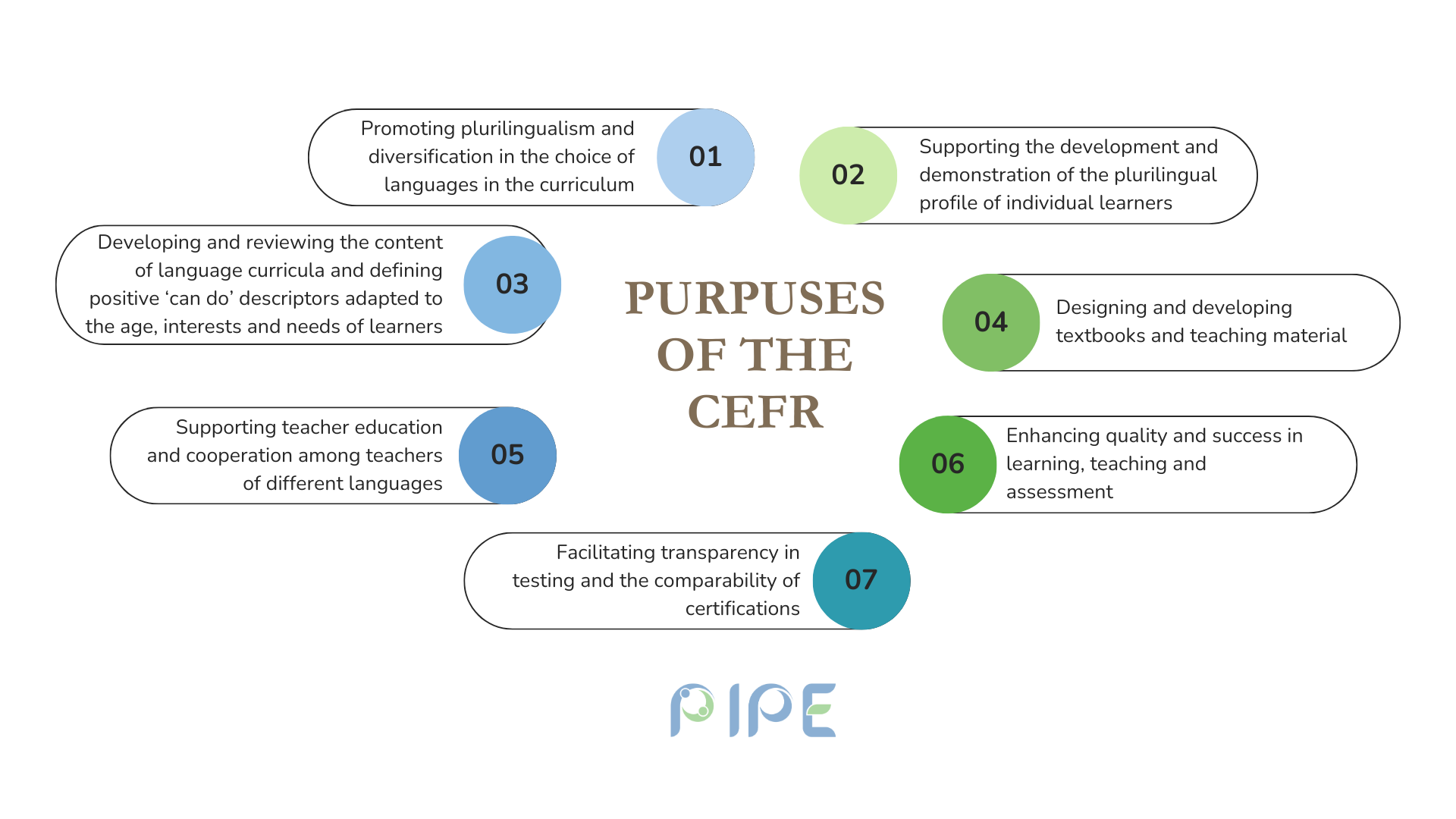
Exploring the CEFR you can find various ideas for raising awareness about interculturality in the language classroom. You can find the Key Concepts about Language users and language learners as a social agent who – focused on a specific purpose – act and interact within a particular field of action; a social context, a set of circumstances, and a specific environment. Here you can find the presentation of the Learner and user as a “social agent”, you can also find examples of classroom activities in the Handout such as Cultural Differences, how to use songs in the language classroom to raise the focus on cultural and intercultural awareness, etc.. Furthermore, in the Background Reading, you can find a brief theoretical background about using languages as an instrument to receive and exchange information and as a unique tool to interpret the world and build both individual and collective knowledge through interaction and dialogue. Therefore, Language use and learning are both cognitive and social activities. At the Companion Volume CEFR 2018 you will find information for the key messages of the CEFR in a user-friendly form and all CEFR illustrative descriptors.
Activities and resources to promote understanding and respect for other cultures
The ability to see the world from the perspective of others who might differ in their cultural backgrounds, beliefs, attitudes, and practices depends on self-awareness and understanding of one’s perspective, as well as those of others. It depends on knowing and understanding the assumptions that underlie one’s perspective, understanding how one’s worldview is shaped by one’s cultural affiliation and experiences, and, in turn, how these affect one’s judgments and reactions to other people. In addition, self-awareness requires awareness of one’s motives, feelings, and emotions and a clear understanding of the limits of one’s competence and expertise (Council of Europe, 2016). Perspective-taking also relies on the ability to operationalize cultural knowledge and appraise cultural situations involving multiple perspectives (LaRusso et al., 2016). Critical thinking and analytical skills are also essential as individuals assess information and situations and make sense of their surroundings (OECD, 2018).
A form of respect in the context of cultural diversity is the respect shown to people who are perceived to have different cultural affiliations or different opinions and beliefs. Such respect assumes that all human beings have the same intrinsic dignity and enjoy an inalienable right to choose their affiliation, beliefs, practices, and opinions. This type of respect does not require agreement with the other person’s beliefs or minimization of the differences between those beliefs and one’s views.
Cognitive adaptability refers to the ability to adapt one’s thinking and behaviour to the prevailing cultural environment or to novel situations and contexts that might present new demands or challenges. Individuals who acquire this skill can handle the feelings of “culture shock”, such as frustration, stress, and alienation in ambiguous situations in new environments (Levin, 2015). Adaptable learners can more easily develop long-term interpersonal relationships with people from other cultures and remain resilient in changing circumstances (Lepine et. al, 2000).
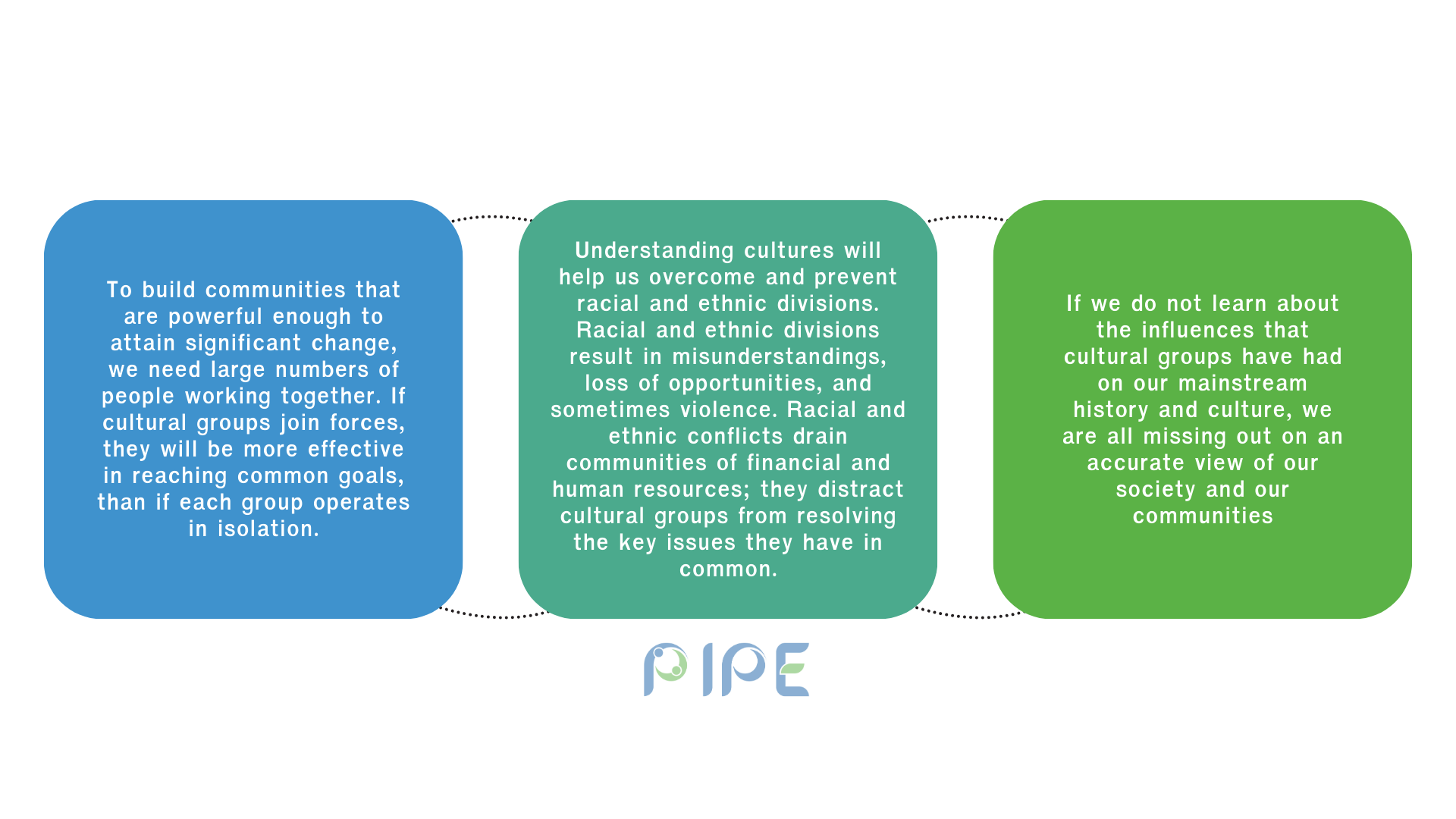
Building respect for other cultures is becoming increasingly evident; it is an effective method of improving conditions, resolving problems, and building healthy communities. To achieve this, it is necessary to understand and appreciate different cultures, establish relationships with individuals from cultures other than our own, and build strong alliances with other cultural groups. Furthermore, it is of critical importance to integrate non-mainstream groups into the core of civic activities.
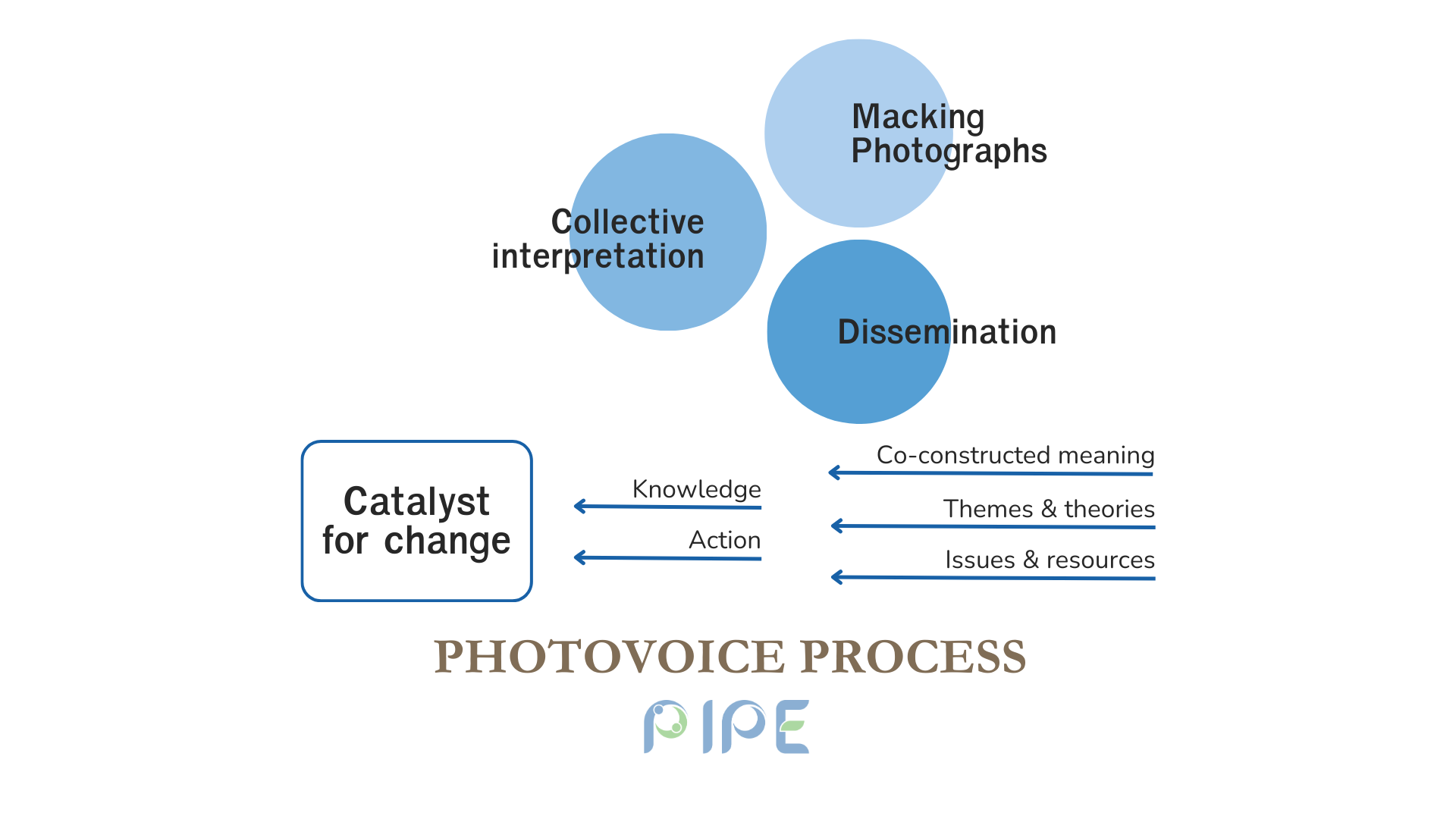
Forward to a more self-reflective and inclusive pedagogy, offered by Photovoice—a community and participatory action research methodology developed by Wang and Burris, 1997 to the context of the diverse classroom, educators can build approaches and activities that foster greater participatory engagement between students and subject matter, knowledge, and learning. Meet the methodology of Photovoice as an educational tool for intercultural learning and use it in your classroom. Meet the methodology of Photovoice as an educational tool for intercultural learning and use it in your classroom.
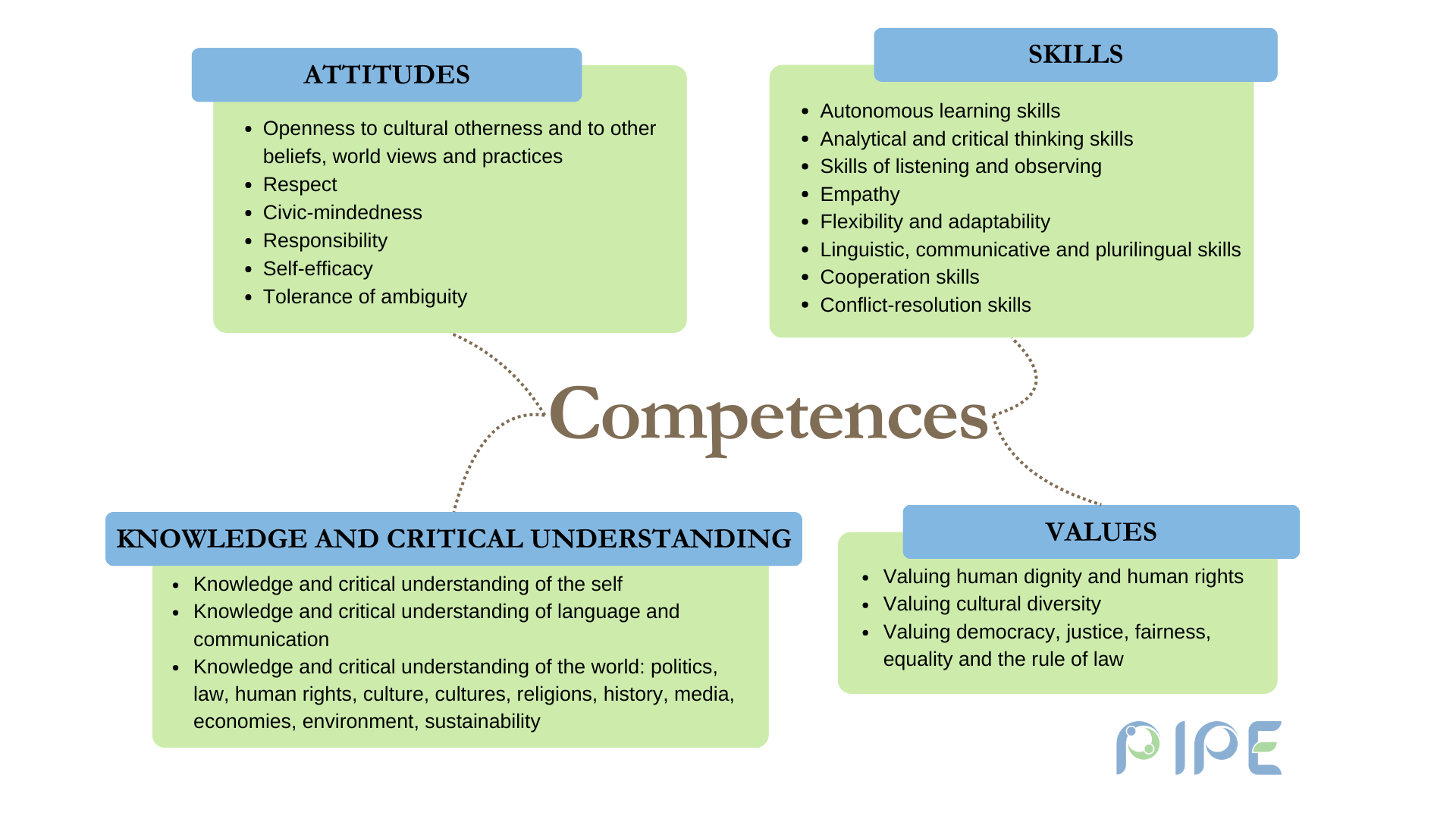
In conclusion, more than ever within our communities we find people who hold different beliefs, backgrounds, and outlooks. This requires us to think carefully about how we nurture a set of common values. How do we resolve clashes between competing worldviews? What are the attitudes and behaviours we can and cannot accept? For that reason the aim is not to teach students what to think, but rather how to think, to navigate a world where each has to uphold the principles that allow all cultures to co-exist Council of Europe 2016.
Practices to Enrich the Intercultural Experience Inside and Outside the Classroom
In today’s increasingly globalized world, classrooms and educational settings have become microcosms of diverse cultures, backgrounds, and perspectives. As educators and lifelong learners, we have a unique opportunity to embrace this rich diversity and cultivate meaningful intercultural experiences that transcend the boundaries of the classroom.
Within the classroom setting, intentional practices can be implemented to create an inclusive and culturally responsive learning environment. By fostering an atmosphere of mutual respect, openness, and curiosity, educators can lay the foundation for intercultural understanding and appreciation.
Within the halls of learning, a variety of cultures intertwines, each thread representing a unique perspective, a rich heritage, and a world of experiences waiting to be shared. As educators, it is our privilege and responsibility to weave these threads together, creating an environment where understanding blossoms and appreciation for diversity takes root. In such a context, course materials reflect the kaleidoscope of human experiences, inviting students to explore narratives that challenge their assumptions and broaden their horizons. Guest speakers and community members grace the space, their stories painting vivid portraits of resilience, tradition, and the beauty found in our differences.
Adapting teaching strategies and materials to align with diverse cultural learning styles becomes not just a practice but a celebration of inclusivity. The use of storytelling, art, music, and dance invites students to connect course content to their personal and cultural experiences, creating a tapestry of understanding woven from the threads of their lived realities.
Collaborative learning takes on a new dimension as students from diverse backgrounds come together, forming teams united by a shared goal. Here, the value of diverse perspectives is not merely acknowledged but embraced as an essential ingredient for success. Through these experiences, students learn the art of effective cross-cultural communication, developing skills that will serve them well beyond the classroom walls.
However, the intercultural experience need not be confined to the classroom walls. By extending learning opportunities beyond the traditional academic setting, educators can provide students with immersive and transformative experiences that deepen their understanding and appreciation of cultural diversity, as well as create transformative learning experiences that not only expand students’ knowledge and understanding of diverse cultures but also foster critical thinking, empathy, and global citizenship. In this regard, it follows some practices proposals that align with this vision:
Cultural Immersion Trips and Exchanges
- Organize student exchange programs or study abroad opportunities that allow for cultural immersion and firsthand experiences.
- Facilitate pre-departure orientations and post-trip debriefings to maximize learning and personal growth.
- Encourage students to document their experiences through journals, blogs, or multimedia projects to share with their peers.
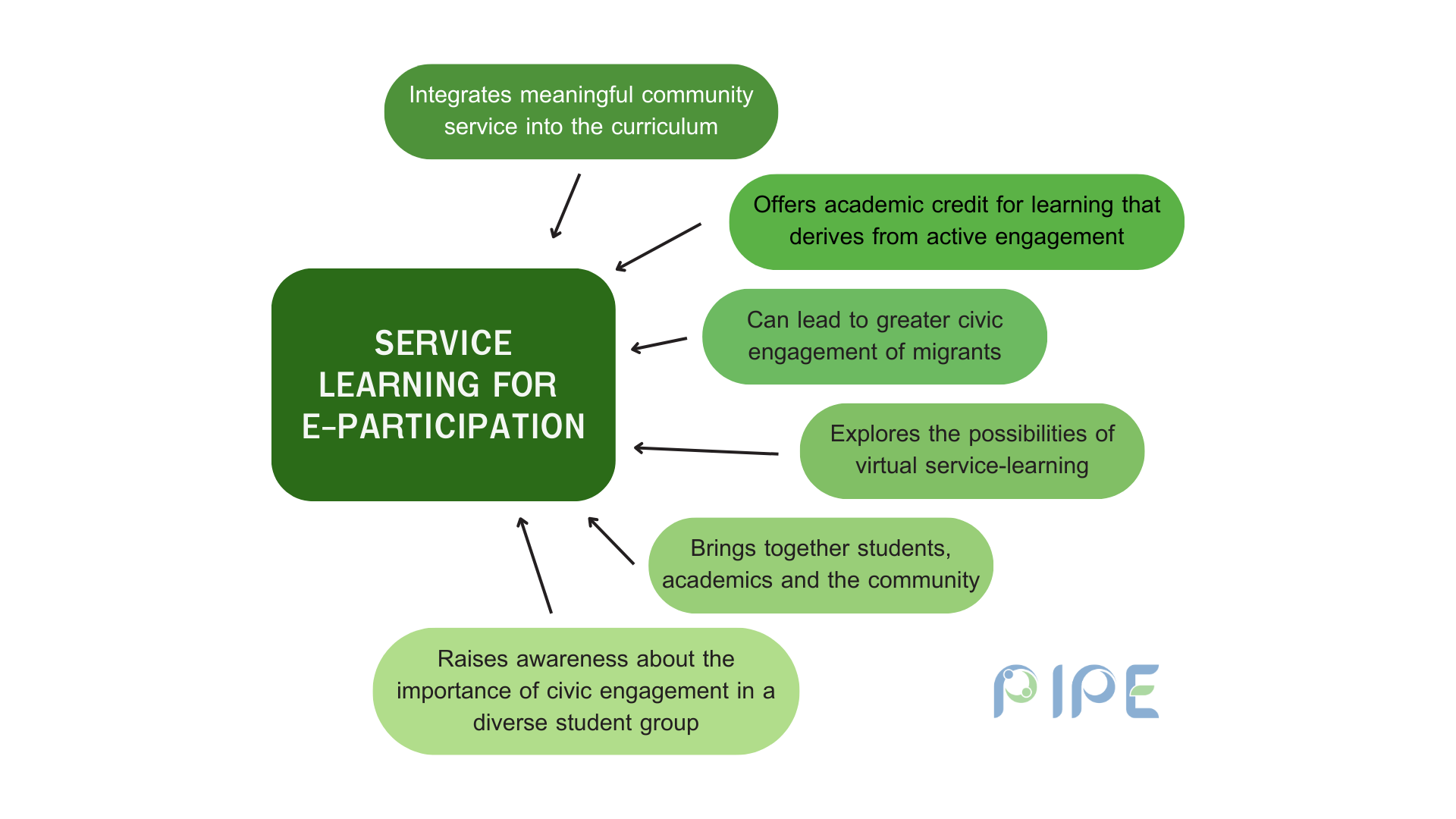
Community Engagement and Service-Learning
- Partner with local organizations or community groups to provide opportunities for students to engage with diverse populations.
- Develop service-learning projects that address real-world challenges while fostering intercultural understanding and empathy.
- Facilitate structured reflection activities to help students process their experiences and make connections to course content.
Intercultural Events and Celebrations
- Organize or participate in cultural festivals, exhibitions, or performances that celebrate the diversity within your institution or community.
- Encourage students to take an active role in planning, organizing, or participating in these events.
- Provide opportunities for students to share their cultural traditions, customs, and perspectives through presentations or interactive booths.
Cross-Cultural Mentorship and Buddy Programs
- Establish cross-cultural mentorship or buddy programs that pair students from different cultural backgrounds.
- Facilitate structured activities and discussions that promote mutual understanding and appreciation of diverse perspectives.
- Encourage mentors and mentees to share their cultural experiences, traditions, and insights with one another.
Community Partnerships and Engagement
- Foster partnerships with local cultural organizations, museums, or community centres to provide opportunities for students to engage with diverse communities.
- Invite guest speakers or facilitators from these organizations to lead workshops or discussions on campus.
- Encourage students to volunteer or participate in community events and activities that promote cultural awareness and understanding.
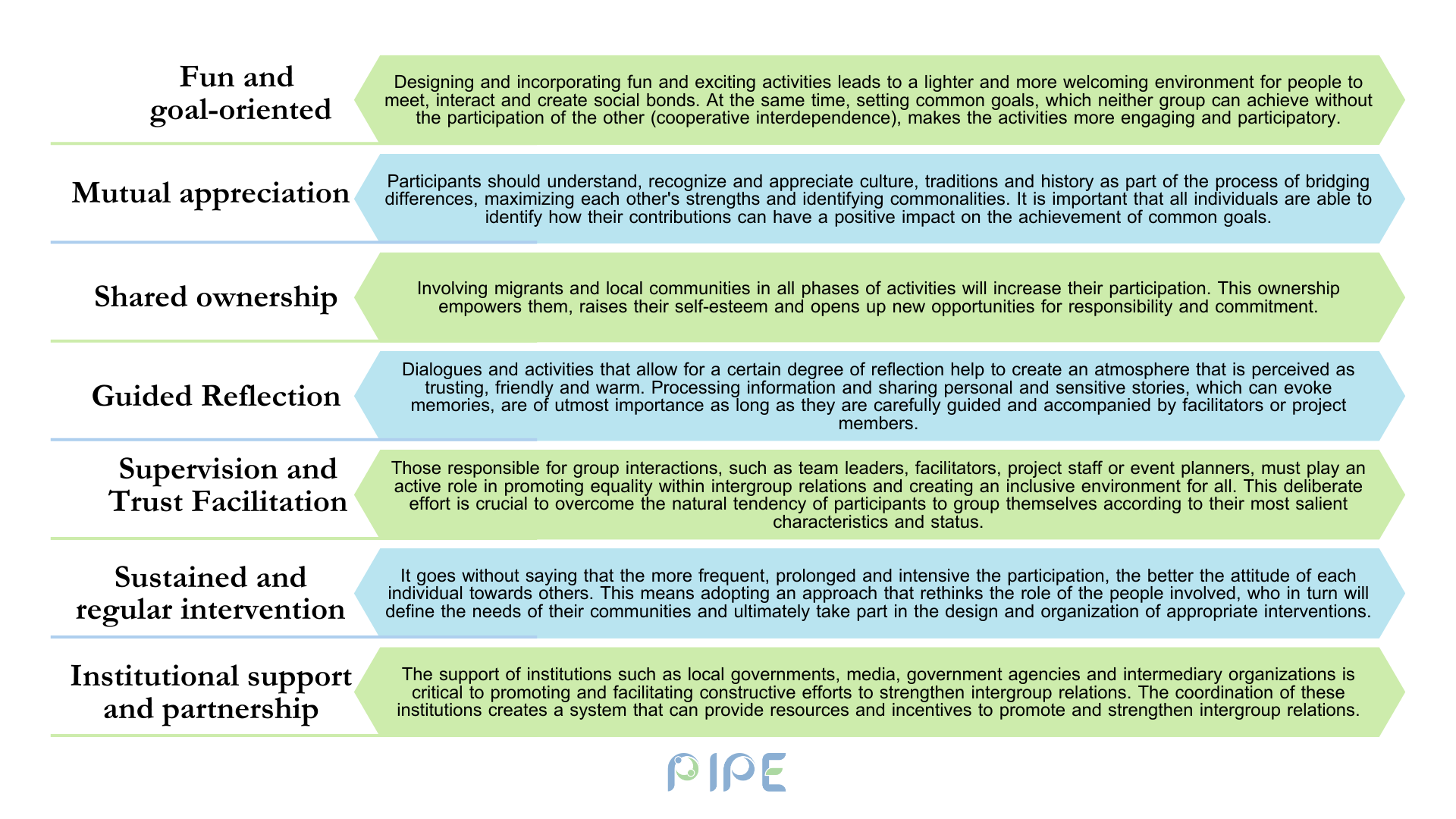
It is important to note that promoting intercultural understanding is a shared responsibility that involves active participation and buy-in from students, faculty, staff, and the broader community. Institutions should strive to create a culture of inclusivity and celebrate the rich diversity within their walls, while also providing opportunities for meaningful engagement with diverse communities beyond campus. It is a journey that requires dedication, self-reflection, and a willingness to step outside of our comfort zones. But in doing so, we unlock the potential to create a more inclusive, empathetic, and globally minded society, where human diversity is not merely acknowledged but cherished as a source of strength and inspiration for us all.
Bilingual or Multilingual Approach to Training
Benefits and potentialities of Bilingual and Multilingual approaches to education
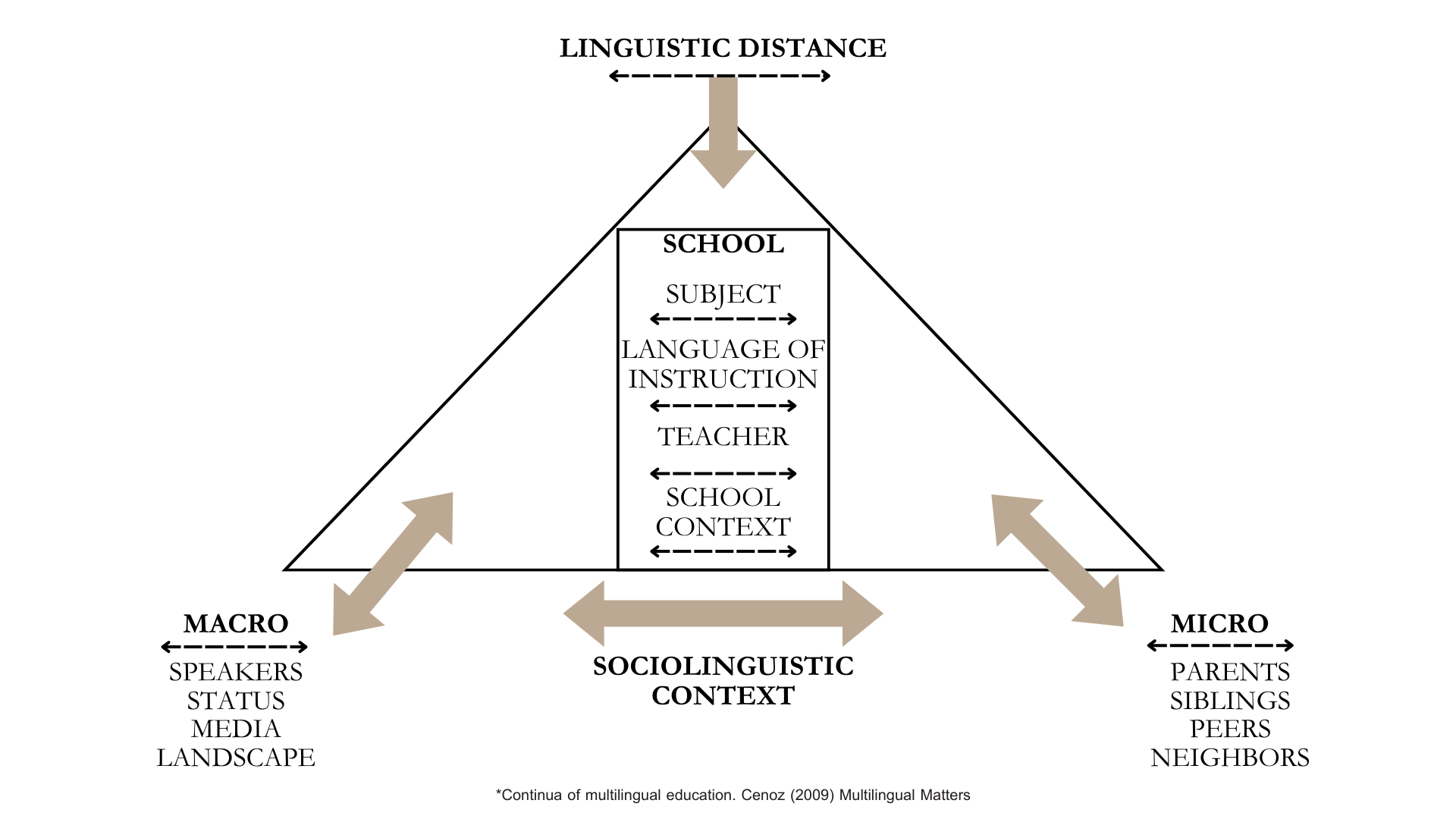
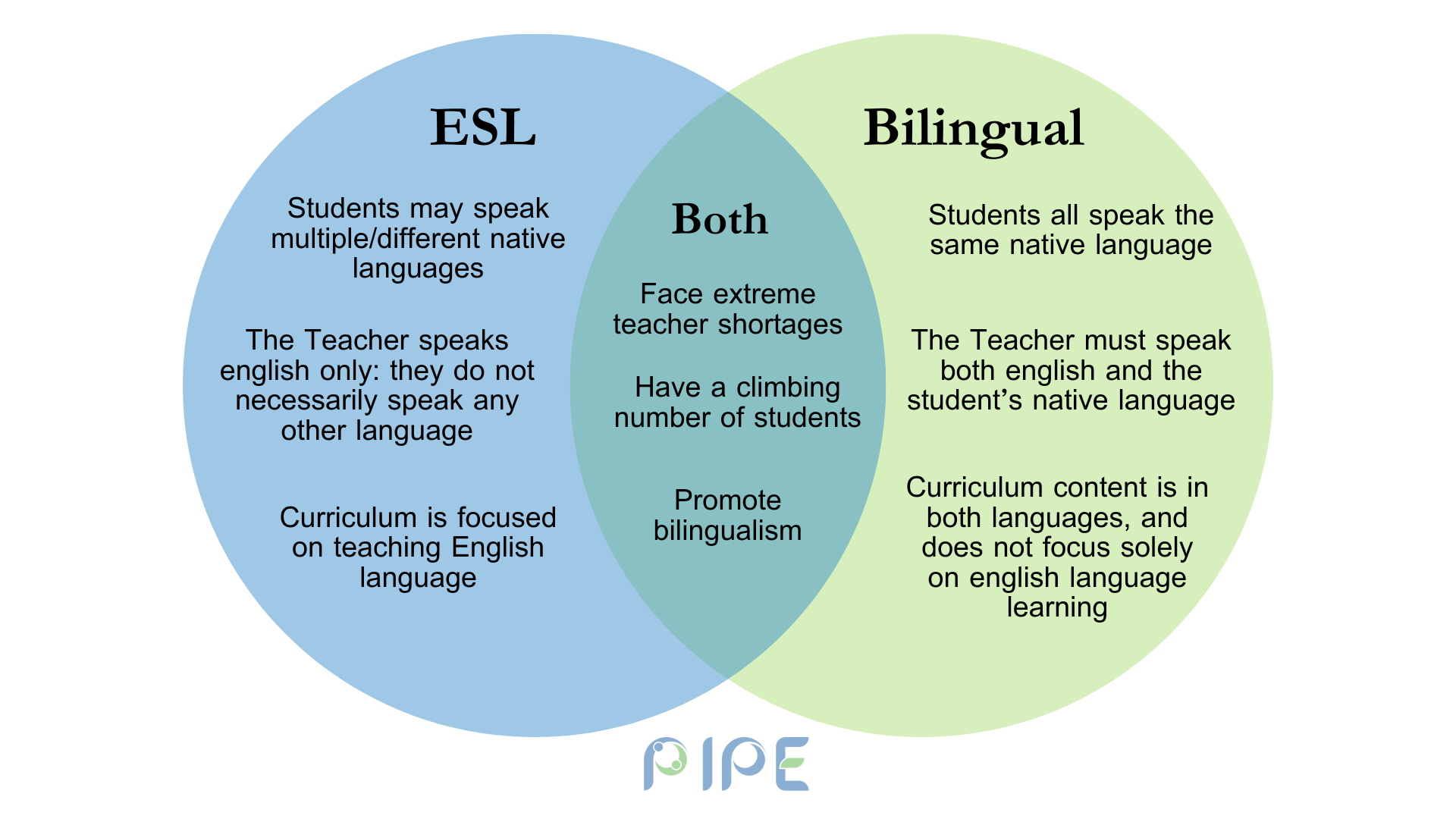
The benefits of a bilingual or multilingual approach to training extend far beyond mere language acquisition. By immersing learners in multiple linguistic contexts, we foster cognitive flexibility, enhance cultural awareness, and cultivate a deeper appreciation for the inherent value of diversity. Moreover, this approach empowers individuals to transcend linguistic barriers, unlocking new opportunities for personal growth, professional advancement, and meaningful cross-cultural connections in many ways.
Numerous scientific studies have illuminated the cognitive advantages associated with bilingualism and multilingualism. Learning and utilizing multiple languages enhances executive functioning, problem-solving abilities, and cognitive flexibility. Individuals proficient in multiple tongues exhibit heightened attention control, improved memory, and an enhanced ability to multitask. These cognitive benefits manifest as tangible educational advantages, with multilingual learners often demonstrating superior academic performance, enhanced creativity, and a greater propensity for abstract thinking.
Language is the thread that weaves together the complexity of cultural communication, and by engaging with multiple linguistic systems, learners gain invaluable insights into the diverse worldviews, values, and perspectives that shape different cultures. A bilingual or multilingual approach to training fosters a deeper understanding and appreciation for cultural nuances, enabling learners to navigate cross-cultural interactions with greater empathy and sensitivity. This heightened cultural awareness is an invaluable asset in today’s interconnected global landscape, where effective cross-cultural communication is a key driver of success in both personal and professional spheres.
In an increasingly competitive job market, bilingual and multilingual individuals possess a distinct advantage. Their linguistic competencies open doors to a wider range of professional opportunities, both domestically and internationally. Employers across various sectors actively seek candidates with multilingual proficiency, recognizing the value they bring to diverse teams, multicultural workplaces, and global operations. A bilingual or multilingual approach to training equips learners with the skills and competencies that can propel their careers forward, enabling them to effectively communicate and collaborate with colleagues, clients, and stakeholders from diverse linguistic backgrounds.
Beyond the cognitive and professional benefits, a bilingual or multilingual approach to training fosters personal growth and enrichment. By engaging with multiple languages, learners gain access to a wealth of cultural expressions, literary traditions, and artistic works that might otherwise remain inaccessible. This exposure broadens horizons, promotes cultural appreciation, and cultivates a deeper sense of global citizenship. Additionally, multilingual proficiency enables individuals to form meaningful connections with diverse communities, fostering a greater understanding and appreciation for the richness of human experience.
Implementing a Bilingual or Multilingual Approach to Training
Implementing a bilingual or multilingual approach to training comes with many challenges and the commitment and efforts of the professionals and students involved in the process. However, beyond such requirements, it brings also several outcomes that go beyond traditional approaches to learning and education, such for instance:
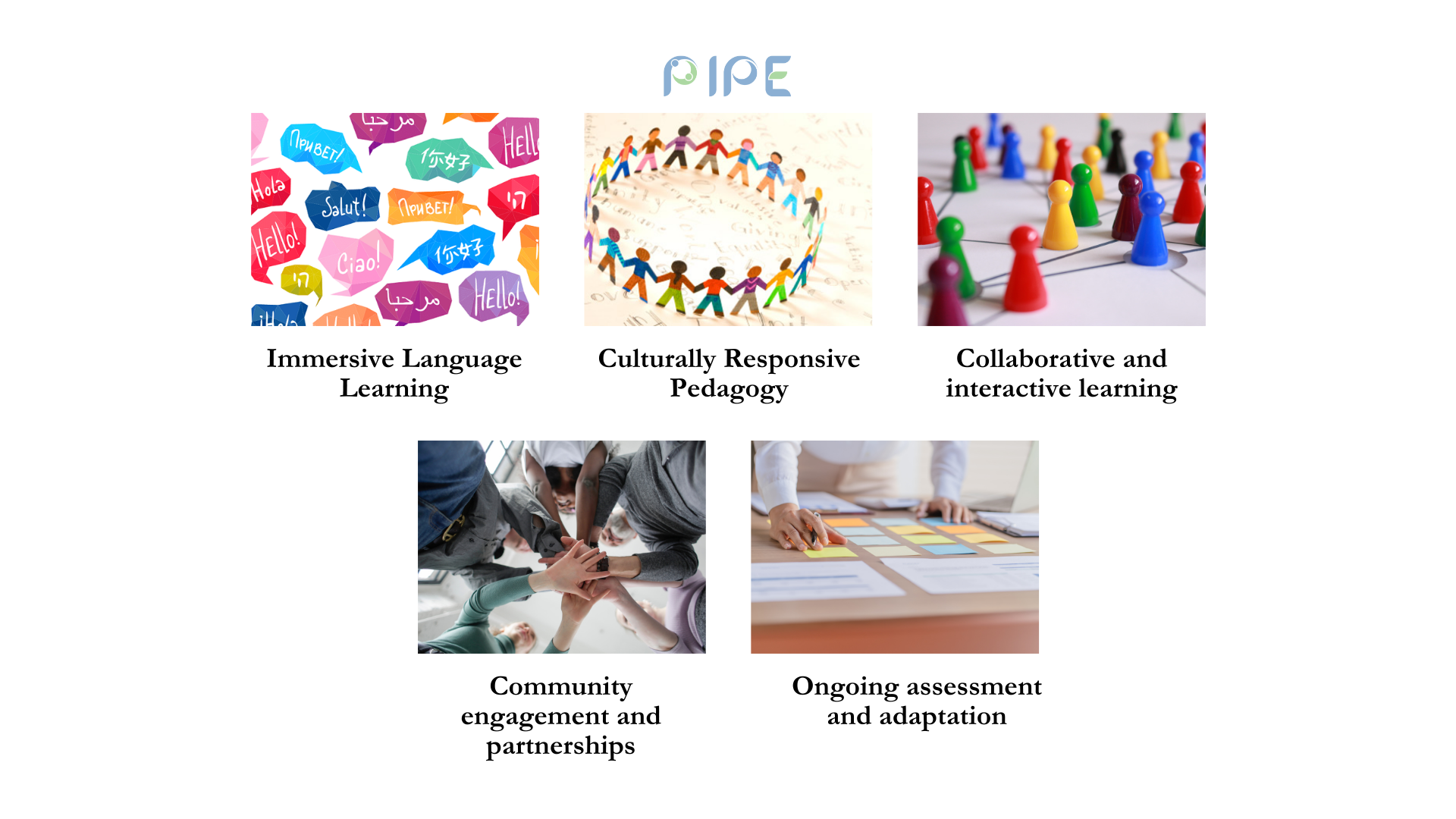
To truly embrace linguistic diversity, training programs should prioritize immersive language learning experiences. This can be achieved through language immersion programs, study abroad opportunities, or embedded language instruction within the broader curriculum. By immersing learners in authentic linguistic environments, they develop not only proficiency in the target language(s) but also gain invaluable insights into the cultural contexts in which those languages are spoken.
Culturally Responsive Pedagogy
A bilingual or multilingual approach to training must be underpinned by culturally responsive pedagogical practices. Instructors should incorporate diverse perspectives, learning styles, and cultural references into their teaching methodologies. This can involve utilizing multilingual materials, incorporating authentic cultural artifacts, and fostering an inclusive learning environment that values and celebrates linguistic and cultural diversity.
Collaborative and Interactive Learning
Encouraging collaborative and interactive learning experiences can significantly enhance the effectiveness of bilingual or multilingual training. Group projects, peer-to-peer interactions, and facilitated discussions in multiple languages create opportunities for learners to practice their linguistic skills in authentic contexts, while also fostering cross-cultural understanding and appreciation.
Community Engagement and Partnerships
Forging partnerships with local linguistic and cultural communities can provide invaluable opportunities for learners to apply their skills and deepen their understanding. Engaging in community service, attending cultural events, or participating in language exchange programs can offer immersive experiences that complement classroom-based instruction.
Ongoing Assessment and Adaptation
Implementing a bilingual or multilingual approach to training is an ongoing process that requires continuous assessment and adaptation. Regular evaluations should be conducted to gauge learners’ progress, identify areas for improvement, and adjust instructional strategies accordingly. Incorporating feedback from learners and community stakeholders can also inform the ongoing evolution of the training program, ensuring its relevance and effectiveness.
In summary, one can say that embracing a bilingual or multilingual approach to training is not merely a pedagogical choice but a commitment to fostering a more inclusive, culturally aware, and globally competent society. By equipping learners with linguistic and cultural competencies, we empower them to navigate the complexities of our interconnected world with confidence, empathy, and a deep appreciation for the richness of human diversity.
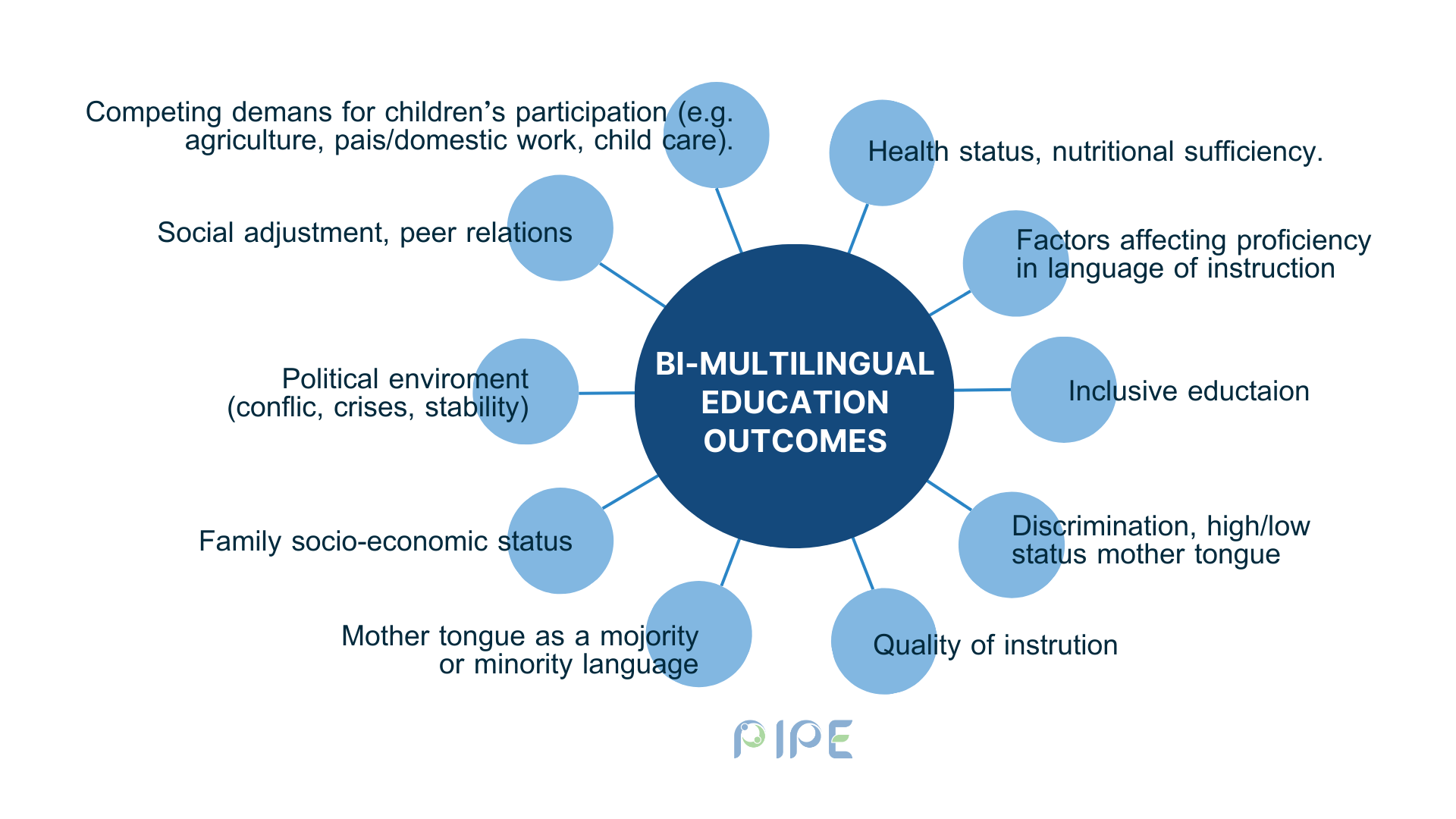
This approach recognizes that language is a powerful tool for understanding, connection, and personal growth. It acknowledges that linguistic diversity is not a barrier to be overcome but a tapestry to be celebrated, woven from the threads of countless cultures and traditions. By embracing this diversity, we open doors to new perspectives, forge stronger cross-cultural bonds, and pave the way for a more harmonious and collaborative global community.
Ultimately, a bilingual or multilingual approach to training is an investment in the future – a future where individuals are equipped with the tools to transcend boundaries, bridge divides, and contribute to a more inclusive and interconnected world.