You will find in this Chapter:
Resilience in Migrants (Personal and family resources, cultural adaptation, community support, positive attitudes, skills and talents)
Legal definitions and boundaries: Economic Migrants, Refugees, Legal Criteria
Challenges and opportunities: Increasing migration, integration, coordinated efforts, interculturality, rejuvenation of the population, an ethic of miscegenation
Formative assessment: Techniques for assessing learner progress in a continuous and constructive manner. Strategies for providing effective feedback to encourage continuous improvement
Teacher professional development: Resources for in-service teacher training in innovative methodologies and student-centred pedagogical approaches. Sharing good practice and experiences among colleagues to enrich language teaching
Bubble question
How can we achieve integration by focusing on the strengths of migrants?
The following document will set forth several examples of how this objective can be achieved. Doc 15785 Report – Council of Europe. The report draws upon positive examples from Norway, Sweden, and Finland to illustrate the significance of access to interpretation for migrants and refugees, as well as the importance of language and citizenship training, actively matching their skills with job opportunities, and targeted assistance with housing, access to healthcare and schooling. The following section presents a selection of illustrative examples of the specific measures implemented to enhance the integration of refugees and migrants.
Integration programmes can have positive outcomes only if, and when, they are well prepared and implemented in cooperation with all the relevant stakeholders. To improve the benefits for all the parties involved in the process of refugees’ and migrants’ integration, integration policies should be designed in a way that takes into account the needs of all key actors. This means that democratic processes allowing for consultations of relevant stakeholders should take place. In addition to that, States should pursue an evidence-based approach to inclusion planning, through expanding the collection and analysis of socio-economic data, building upon existing tools and programmes by national and sub-national authorities. Through this, they will obtain a detailed overview of refugees’ and migrants’ profiles and practical, legal and administrative barriers impeding the full enjoyment of their economic and social rights.
Integration of migrants and refugees: benefits for all parties involved (2023: 3)
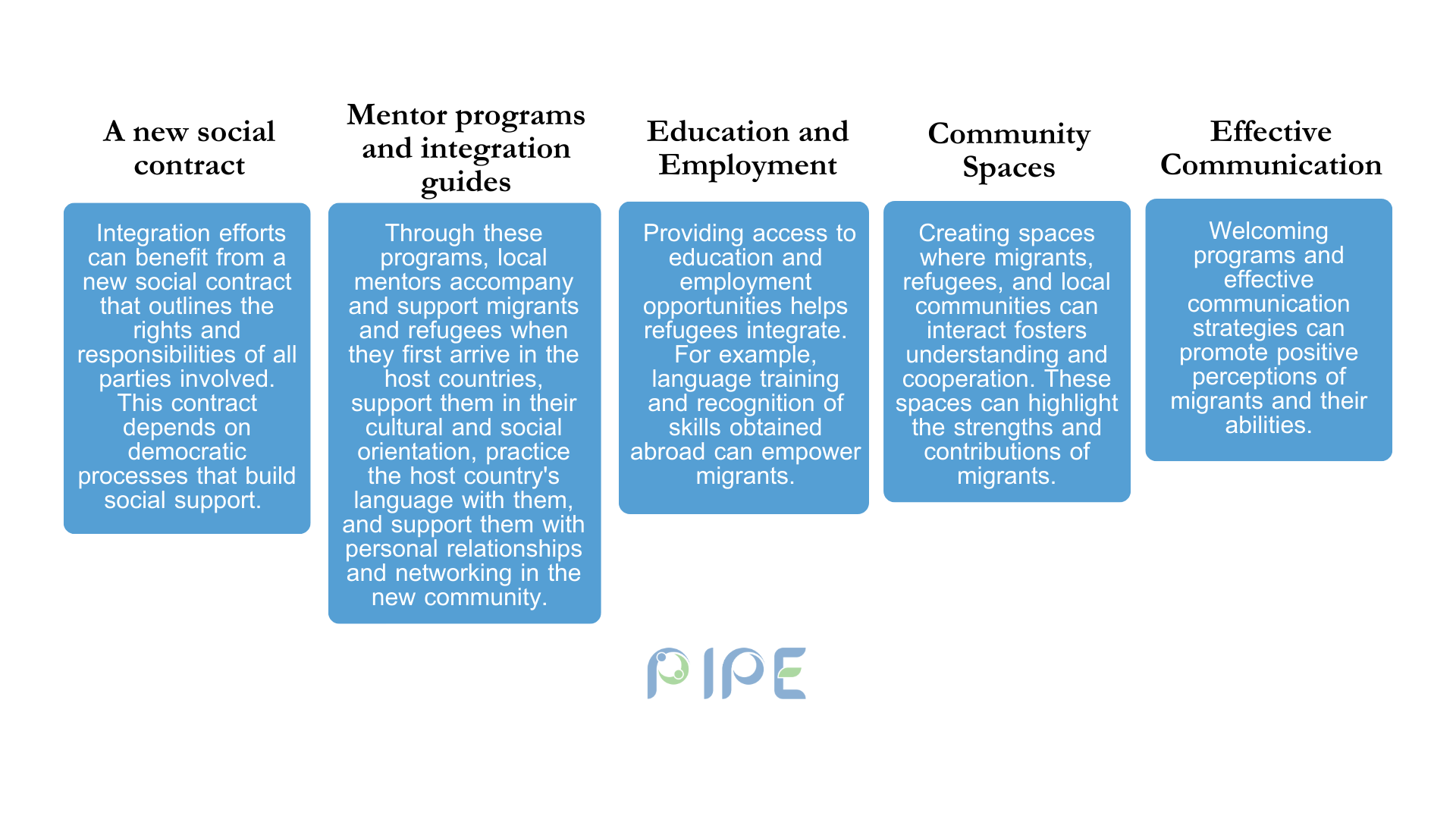
Empowering migrants and strengthening their resilience is also an important direction. Recognizing diversity and investing in bringing out new potential by being present in host countries.
Resilience in Migrants (Personal and family resources, cultural adaptation, community support, positive attitudes, skills and talents)
Resilience is the process and outcome of successfully adapting to challenging life experiences, especially through mental, emotional, and behavioural flexibility and adjustment to external and internal demands. Several factors contribute to how well people adapt to adversities, including how individuals view and engage with the world, the availability and quality of social resources, and specific coping strategies APA Dictionary of Psychology
Resilience develops with maturity, enhanced cognitive abilities, self-management skills, and broader knowledge. Supportive relationships with parents, peers, and others, as well as cultural beliefs and traditions, also foster resilience. Some individuals naturally possess the personality traits for resilience, while others acquire the necessary skills and strengths. However, some may lack resilience or coping skills, leading to feelings of helplessness and distress in difficult situations. To enhance the resilience of migrants, we need to focus on the protection of the family unit and the implementation of programmes designed to reinforce its functions.
Parenting on the Move: Program for empowerment and promoting the development of competencies of parents of children up to 12 years of age, in situations of migrations and refugeehood”) (Center for Interactive Pedagogy, Save the Children North West Balkans, 2022).
In addition, community support for migrants should extend beyond the provision of housing, health, education, training, and employment, which are essential for building resilience. It should also encompass their active participation and integration into the community.
The IOM, in its publication The Power of Contact: Designing, Facilitating and Evaluating Social Mixing Activities to Strengthen Migrant Integration and Social Cohesion Between Migrants and Local Communities – A Review of Lessons Learned, IOM, proposes a series of recommendations, based on empirical evidence, to encourage the participation of migrants and receiving communities in social and cultural activities.
Social and cultural activities serve as a strategy to include migrants by providing non-institutional spaces for interaction. These spaces help build social ties through shared experiences and spontaneous human contact, fostering trust and social cohesion. This promotes peaceful coexistence, defined as not just the absence of conflict but as an active process of dialogue, conflict resolution, and mutual understanding, embracing diversity and respect.
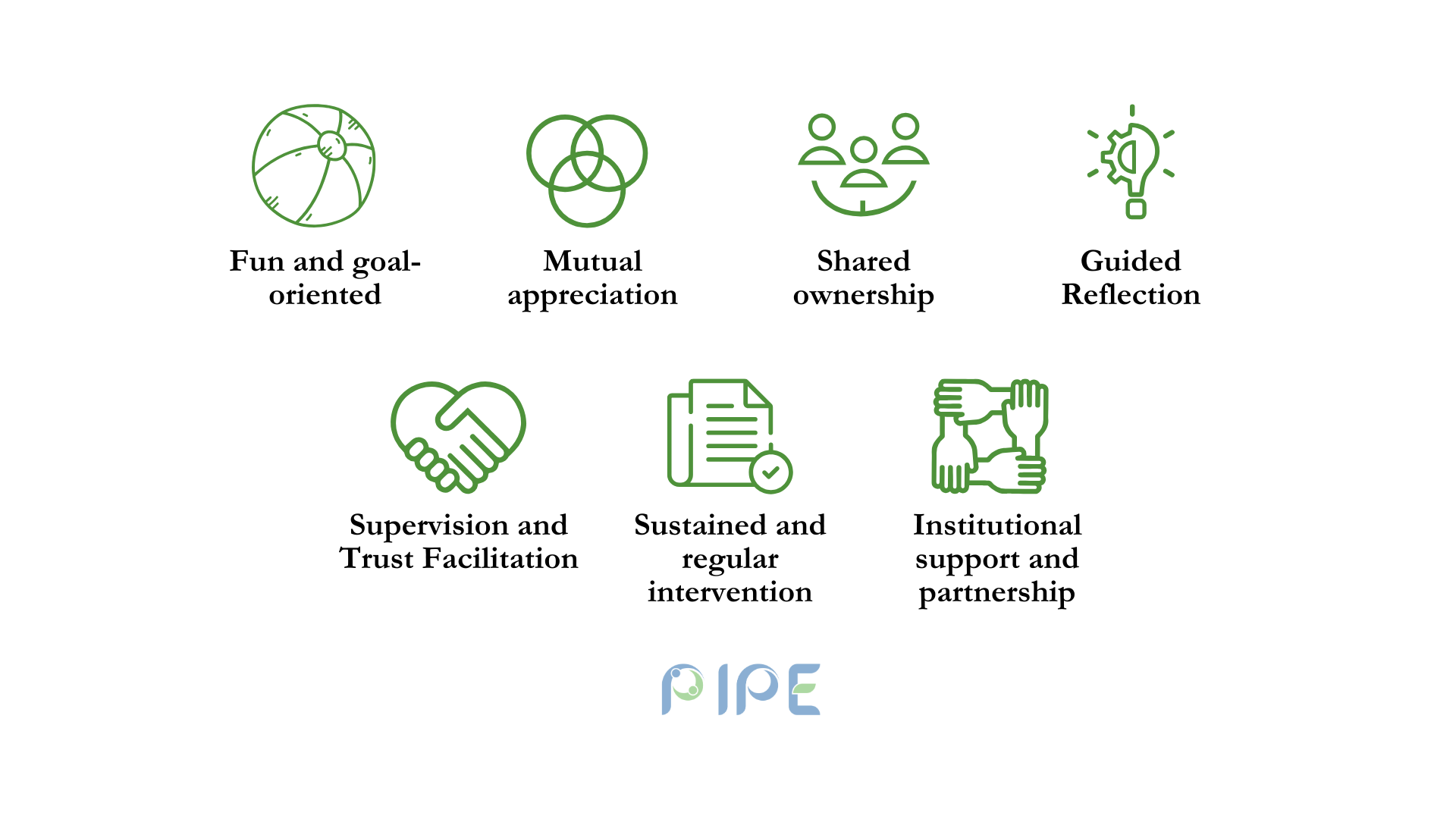
The utilization and cultivation of abilities and talents afford a sense of recognition and acceptance. By utilizing their skills and knowledge, individuals become integrated into their community, thereby improving their living conditions.
A constructive and accommodating approach towards refugees and migration can facilitate successful integration. A positive attitude towards migration among the local population in an area where refugees are allocated to live is associated with an increased likelihood that refugees will enter into employment or education.
Legal definitions and boundaries: Economic Migrants, Refugees, Legal Criteria
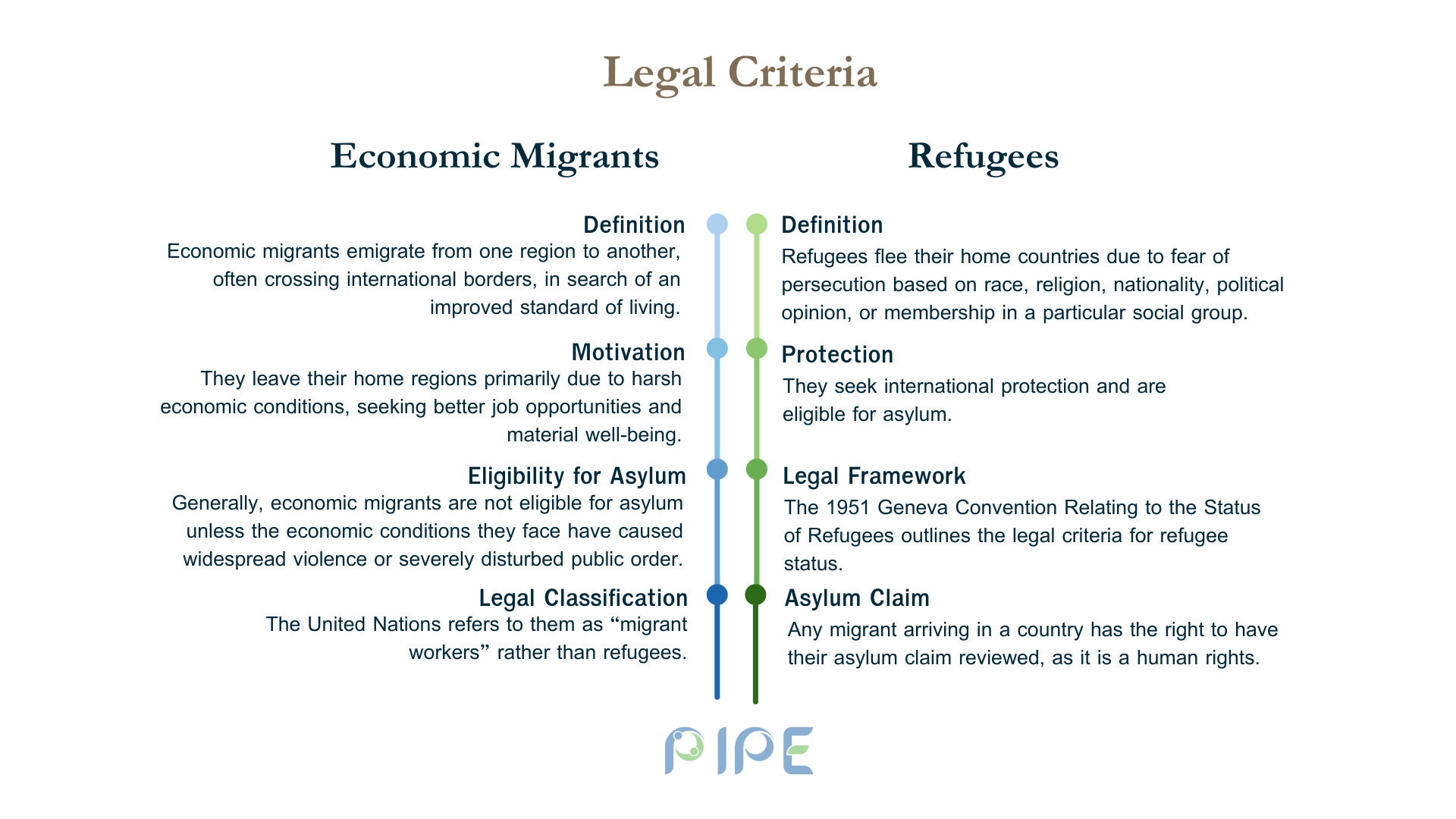
According to UNHCR Master Glossary of Terms: Asylum-seeker is a general term for any person who is seeking international protection. In some countries, it is used as a legal term to describe a person who has applied for refugee status or a complementary international protection status and has not yet received a final decision on their claim. It can also refer to a person who has not yet applied but may intend to do so or may need international protection. Not every asylum-seeker will ultimately be recognized as a refugee, but every refugee is initially an asylum seeker. However, an asylum-seeker may not be sent back to their country of origin until their asylum claim has been examined in a fair procedure and is entitled to certain minimum standards of treatment pending determination of their status. (UNHCR Master Glossary of Terms)
- Migrant worker is a person who is to be engaged, is engaged or has been engaged in a remunerated activity in a State of which they are not a national.
- Refugee is any person who meets the eligibility criteria under an applicable refugee definition, as provided for in international or regional refugee instruments, under UNHCR’s mandate, or in national legislation. Under international law and UNHCR’s mandate, refugees are persons outside their countries of origin who need international protection because of fear persecution, or a serious threat to their life, physical integrity or freedom in their country of origin because of persecution, armed conflict, violence or serious public disorder. Under international law, a person is considered a refugee as soon as they meet the relevant criteria, whether they have been formally recognized as a refugee. A person does not become a refugee because of recognition, but rather recognized because they are a refugee. Sometimes—notably in statistical context—the word refugee is used to designate individuals or groups who have been formally recognized by States or UNHCR as entitled to refugee status following an asylum or other status-determination procedure. When this limited non legal meaning Is Intended, it should be indicated. The clearest designation in such a context is recognized refugee. The 1951 Convention, in Article 1A(2), defines a refugee as a person who ‘…owing to a well-founded fear of being persecuted for reasons of race, religion, nationality, membership of particular social group or political opinion, is outside the country of [their] nationality and is unable or, owing to such fear, is unwilling to avail [themself] of the protection of that country; or who, not having a nationality and being outside the country of [their] former habitual residence is unable or, owing to such fear, is unwilling to return to it.
Challenges and opportunities: Increasing migration, integration, coordinated efforts, interculturality, rejuvenation of the population, an ethic of miscegenation
The current global estimate is that there were around 281 million international migrants in the world in 2020, according to the World Migration Report, which equates to 3.6 percent of the global population.
Overall, the estimated number of international migrants has increased over the past five decades. The total estimated 281 million people living in a country other than their countries of birth in 2020 was 128 million more than in 1990 and over three times the estimated number in 1970. In Europe, around 660.000 arrivals have been recorded for the period 2020-2023. (Council of the European Union, 2023).
In the economic dimension of migration, it is argued that newcomers represent a valuable labour force that can, in the long term, support EU countries in their recovery from the economic downturn. In the short term, the reception and support of asylum seekers, which may entail the provision of services such as housing, food, health, and education, will require additional public spending. The fiscal impact of refugees is particularly pronounced for countries facing budgetary constraints or experiencing an influx of individuals. (European Platform of Rehabilitation).
Migration has both negative and positive effects. Negative effects include pressure on public services, overcrowding, increased pollution, strain on natural resources, racial tensions, discrimination, and gender imbalance due to more men migrating. Positive effects include filling job vacancies and skills gaps, sustaining economic growth, and maintaining services for an aging population when there are not enough young people locally.
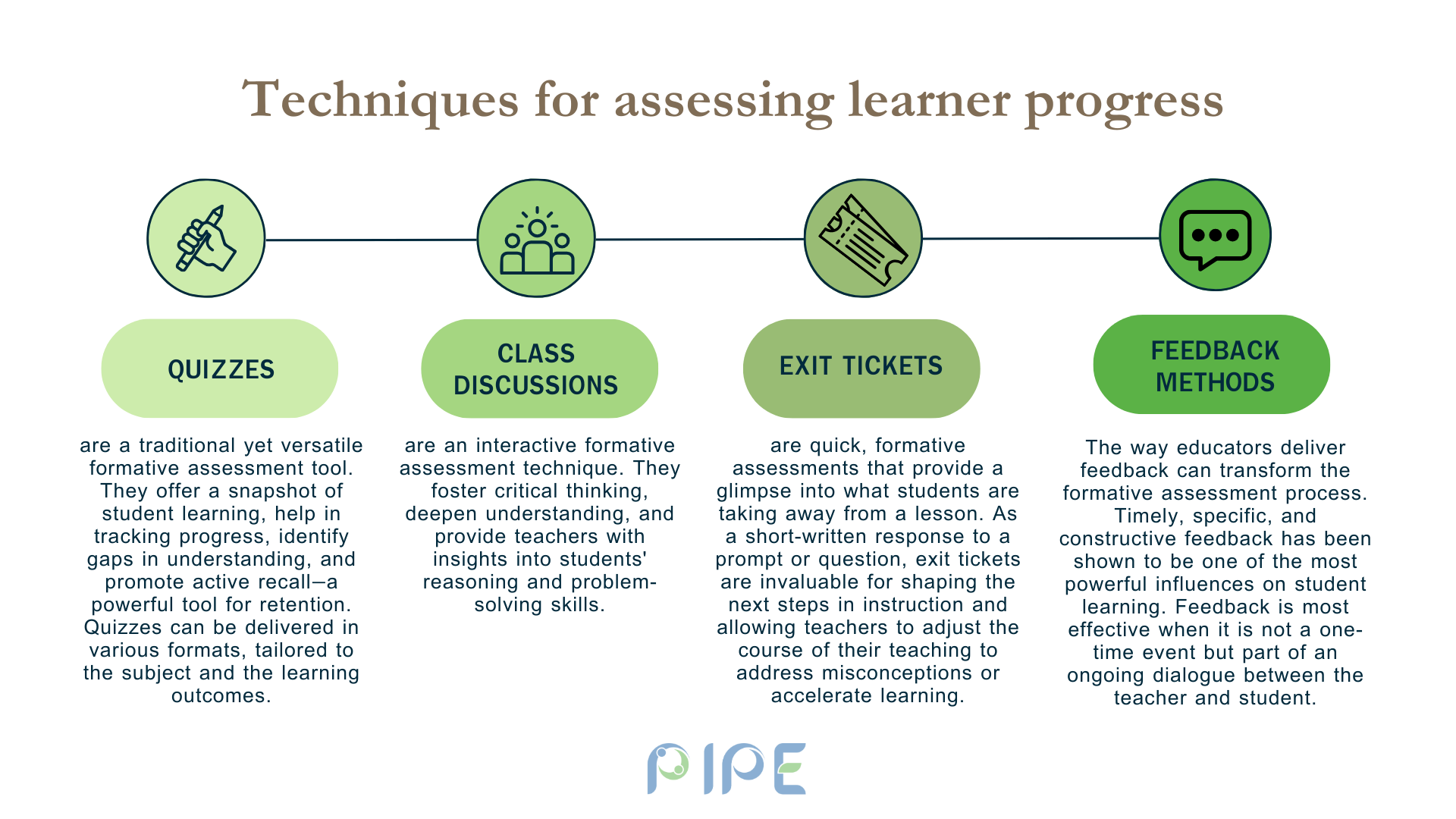
Formative assessment: Techniques for assessing learner progress in a continuous and constructive manner. Strategies for providing effective feedback to encourage continuous improvement
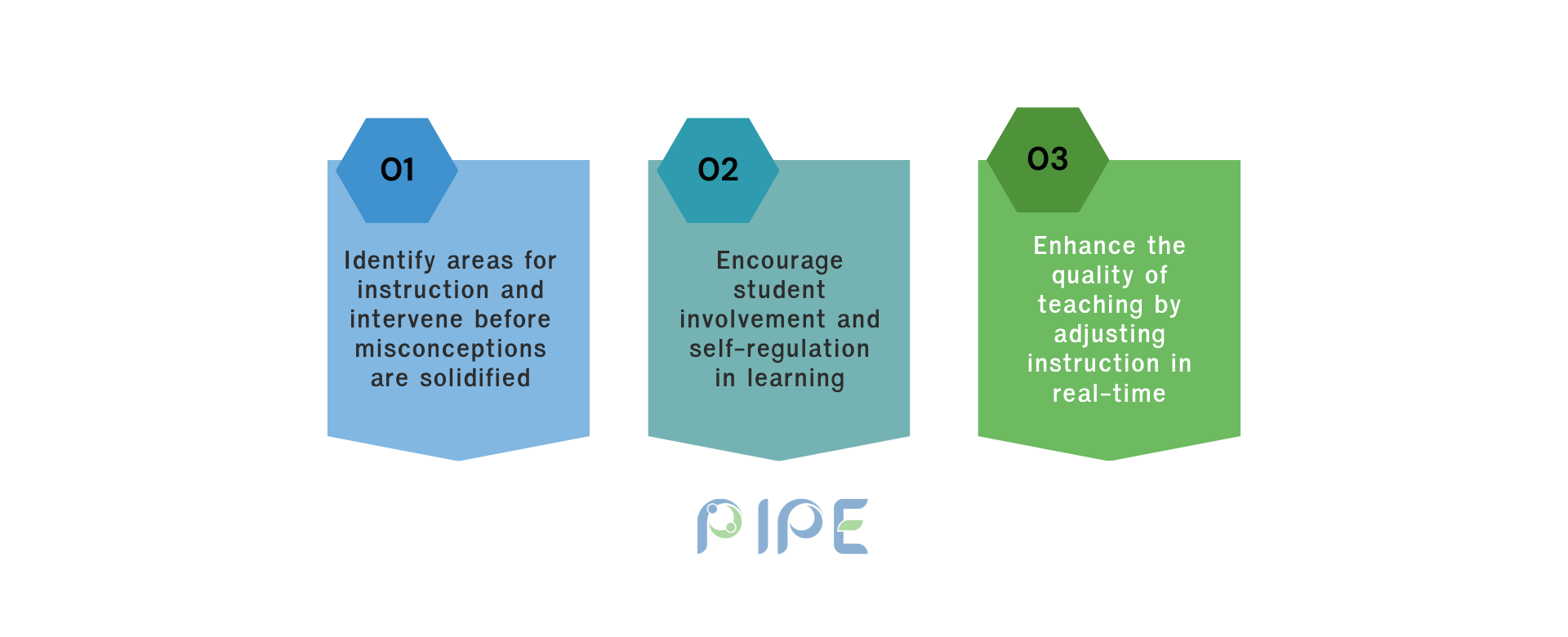
Formative assessment is a continuous endeavour to monitor student understanding and provide ongoing feedback. Unlike summative assessments that occur at the end of a learning sequence to measure mastery, formative assessments are integrated throughout instruction and provide a snapshot of student progress. They foster a growth mindset in students, as they recognize that the purpose of these evaluations is not judgment, but rather guidance and support. Educators can leverage formative assessments to:
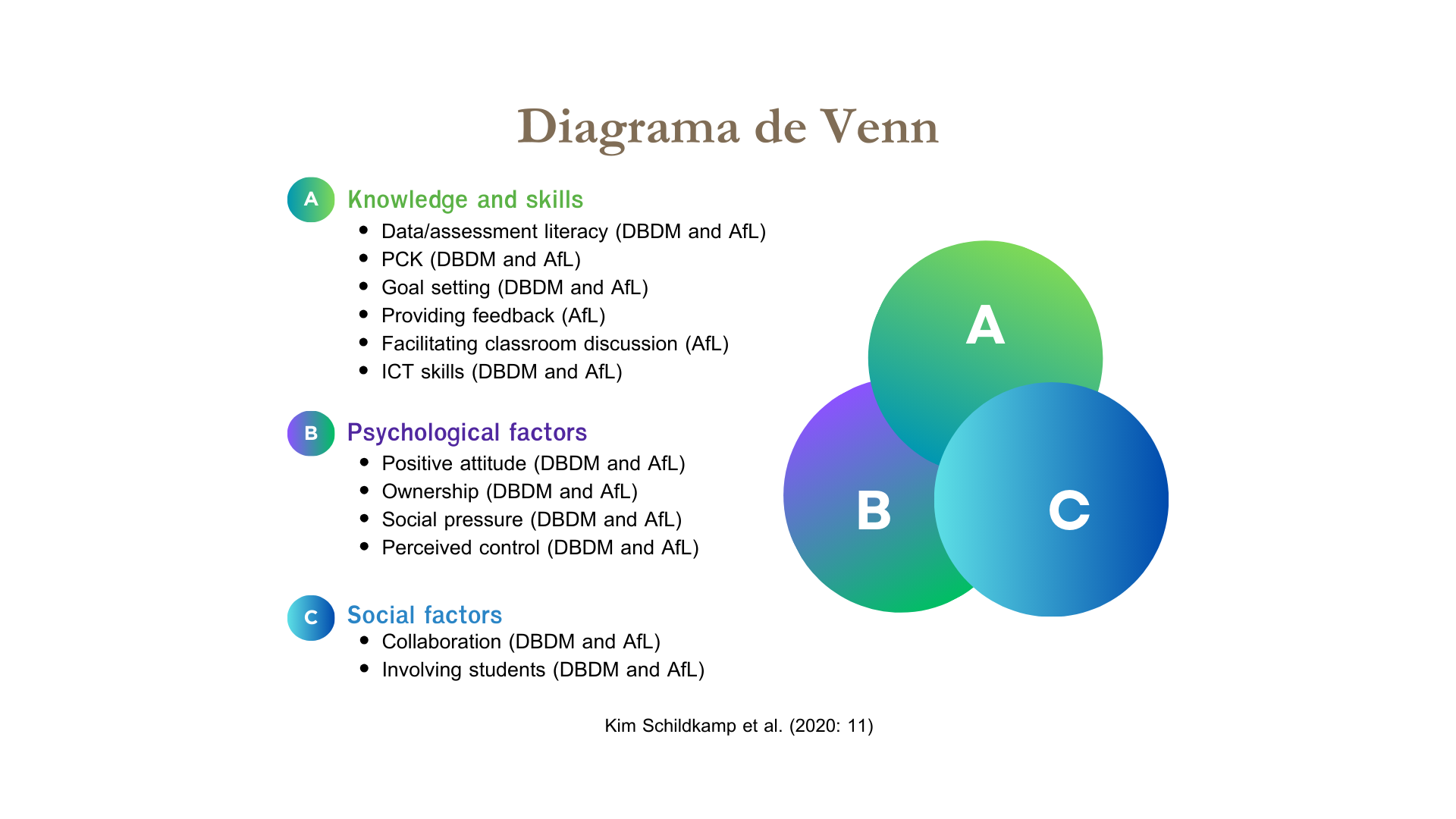
AfL focuses on the quality of the learning process instead of on its outcomes (Stobart, 2008). It can take place at the level of the classroom and the student. Klenowski (2009) defined AfL as “part of everyday practice by students, teachers and peers that seeks, reflects upon and responds to information from dialogue, demonstration and observation in ways that enhance ongoing learning” (p. 264). The information referred to in this definition is often collected in a less structured and more informal manner and can come from a range of different assessment sources, such as observations, portfolios, practical demonstrations, paper-and-pencil tests, peer-assessment, self-assessment, and dialogues (Gipps, 1994), which are used as a form of continual feedback to steer learning. The focus is on classroom interaction and dialogue in a process of discovering, reflecting, understanding, and reviewing (Hargreaves, 2005). Kim Schildkamp et al. (2020: 3)
Summative assessments serve as a vital tool for educators to gauge the progress and achievement of their students. They not only reflect the extent to which students have learned from an entire unit, course, or program but also provide essential feedback on the effectiveness of teaching methods and student comprehension of the material. The strategies for providing effective feedback include setting clear learning objectives, using formative assessment, providing timely feedback, utilizing a feedback model, encouraging self-reflection, and offering guidance and support to students.
Teacher professional development: Resources for in-service teacher training in innovative methodologies and student-centred pedagogical approaches. Sharing good practice and experiences among colleagues to enrich language teaching
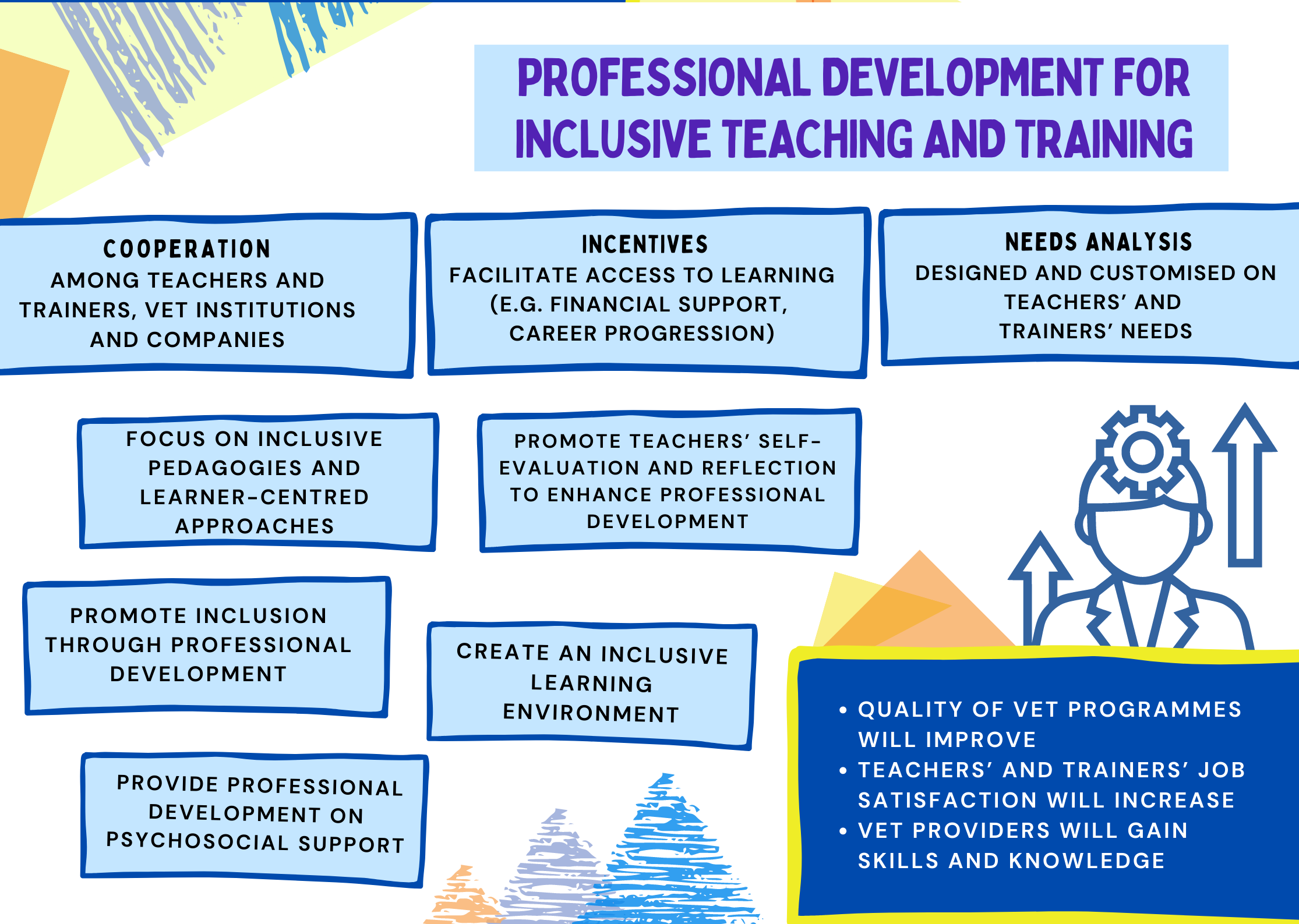
Recently, teachers have been driven to look for opportunities for professional development to face several critical events unfolding in today’s world. One such phenomenon is the migratory flows that have consequences in many institutional dimensions, including education. As school and work-based learning environments are often composed of heterogeneous groups of learners due to migration and international mobility, VET teachers and trainers should be required to give quick and flexible responses to emerging needs, promote inclusion, and adopt effective pedagogical approaches to support displaced students, students with different abilities and cultural backgrounds, as well as those with learning difficulties.
Professional Development For Inclusive Teaching & Training includes those processes and activities designed to enhance the professional knowledge, skills, and attitude which can, in turn, improve their well-being and job satisfaction as well as the learning outcomes and well-being of their students (CEDEFOP, 2024).
A sound integration program according to an Integration Handbook about the Language training programs for refugees should include robust target language training as a core component. To ensure effectiveness, such programs must receive stable and ongoing funding, with central coordination for planning and monitoring. National standards for language training should be developed, and staff capacity for program delivery needs to be continually built. Programs should offer diverse formats to cater to varied learning needs and provide income and other support to facilitate participation. They must integrate language training with other integration processes, such as social support, vocational counseling, further education, and employment placement. Continued access to interpreters is crucial until refugees achieve communicative competence.
Adult language training programs should operate on principles that respect adult learning, value learners’ first languages and cultures, and incorporate refugees’ cultural experiences into the curriculum. They should use individualized assessments to tailor training opportunities and reflect the social context of the language. Access to childcare should be provided or facilitated. Instructors should have appropriate training in second language acquisition and adult learning, with ongoing professional development to address refugees’ specific needs. Programs must actively counter any racism and discrimination in the learning environment (UNHCR, 2021).