You will find in this Chapter:
Pedagogy of Hosting: Turning the teaching-learning process into a dialogue of knowledge. Strategy so that migrant cultures are hosted in the national language and are not absorbed by it. Theoretical approach to teaching the national language to migrants
Autonomy in learning: Methods to encourage self-regulation and planning of one’s learning. Tools for goal setting and monitoring individual progress
Raising awareness for teaching the national language to immigrants (removing any stereotypes and prejudices against them, having awareness of the culture of the immigrants’ countries of origin)
Formative assessment: Techniques for assessing learner progress in a continuous and constructive manner. Strategies for providing effective feedback to encourage continuous improvement
Teacher professional development: Resources for teacher training in innovative methodologies and student-centered pedagogical approaches. Sharing good practices and experiences among colleagues to enrich language teaching
Pedagogy of Hosting: Turning the teaching-learning process into a dialogue of knowledge. Strategy so that migrant cultures are hosted in the national language and are not absorbed by it. Theoretical approach to teaching the national language to migrants
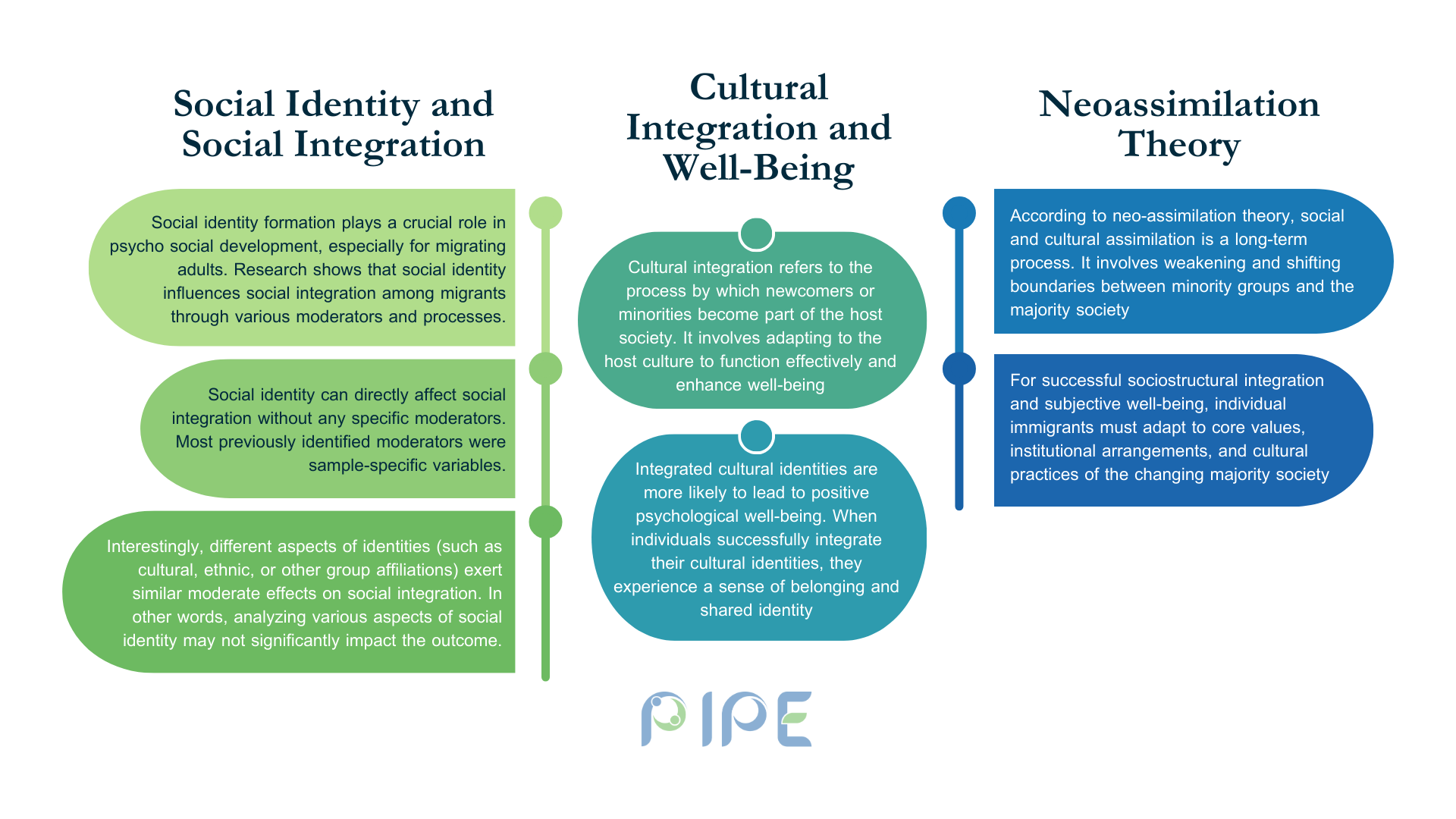
Teaching the national language to migrants is a challenging endeavour that extends beyond mere linguistic instruction. It involves navigating the complexities of cultural exchange, identity formation, and social integration. An approach that prioritizes dialogue, inclusivity, and cultural sensitivity can transform the teaching-learning process into a meaningful exchange of knowledge and experiences, empowering migrants to not only acquire language skills but also to preserve and celebrate their cultural heritage.
At the heart of this approach is the recognition that language and culture are inextricably linked. Language is not just a tool for communication; it is a vehicle for expressing cultural values, beliefs, and identities. When teaching the national language to migrants, it is essential to create a learning environment that respects and values their cultural backgrounds. This involves acknowledging the diversity of experiences and perspectives that migrants bring to the classroom, incorporating culturally relevant content into lessons, and providing opportunities for learners to share their cultural knowledge and traditions.
Turning the teaching-learning process into a dialogue of knowledge means recognizing that both teachers and learners have valuable insights to offer. It involves moving away from a traditional teacher-centered approach and embracing a more collaborative and learner-centered approach. In this model, teachers act as facilitators, guiding learners through the language acquisition process while also encouraging them to share their experiences, perspectives, and cultural knowledge. This creates a dynamic learning environment where everyone’s voice is heard and valued.
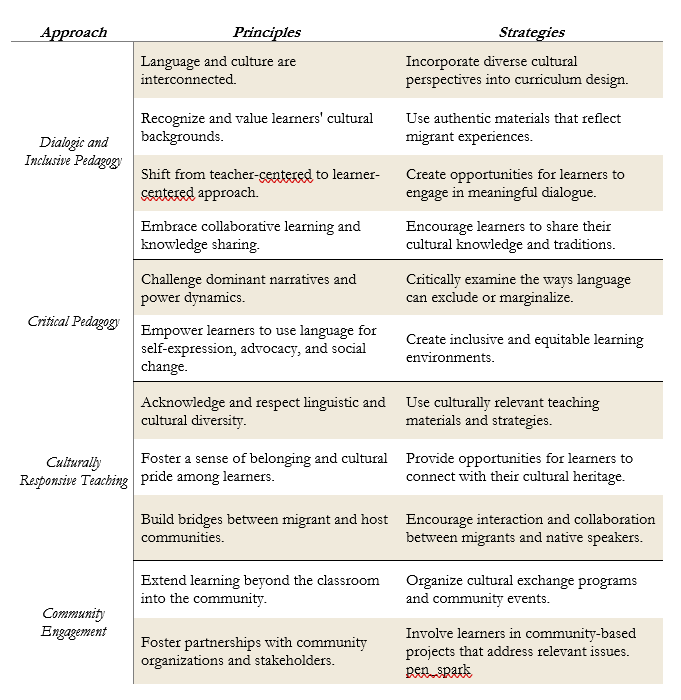
To ensure that migrant cultures are hosted in the national language and not absorbed by it, it is essential to adopt a critical pedagogy that challenges dominant narratives and power dynamics. This involves critically examining how the ways in which language can be used to exclude or marginalize certain groups, and actively working to create a more inclusive and equitable learning environment. It also involves empowering learners to use language as a tool for self-expression, advocacy, and social change.
Strategies for promoting a dialogic and inclusive approach to language teaching include incorporating diverse cultural perspectives into learning design, using authentic materials that reflect the experiences of migrants, and creating opportunities for learners to engage in meaningful dialogue with each other and with native speakers. It also involves encouraging learners to use their language skills to explore and express their own cultural identities, as well as to engage with and learn from the cultural practices of the host community.
Additionally, providing opportunities for learners to share their cultural knowledge and traditions with the wider community can help to bridge cultural divides and foster mutual understanding. This can be done through cultural exchange programs, community events, or collaborative projects that involve both migrants and native speakers.
By adopting a theoretical approach that prioritizes dialogue, inclusivity, and cultural sensitivity, educators can create a transformative learning experience for migrants. This approach not only empowers learners to acquire language skills but also strengthens their cultural identity, fosters a sense of belonging, and contributes to a more inclusive and equitable society.
Autonomy in learning: Methods to encourage self-regulation and planning of one’s learning. Tools for goal setting and monitoring individual progress
Fostering autonomy in language learning for migrants is a transformative approach that empowers learners to take ownership of their language acquisition journey. By encouraging self-regulation, goal setting, and progress monitoring, learners can develop the skills and confidence needed to become lifelong learners and navigate the complexities of language and culture.
At its core, autonomy in language learning means giving learners the freedom and responsibility to make choices about their learning process. This involves providing them with the tools and strategies to set their own goals, choose appropriate learning materials and activities, and monitor their progress. By encouraging learners to take an active role in their learning, educators can foster a sense of ownership and motivation that leads to deeper engagement and more meaningful learning outcomes.
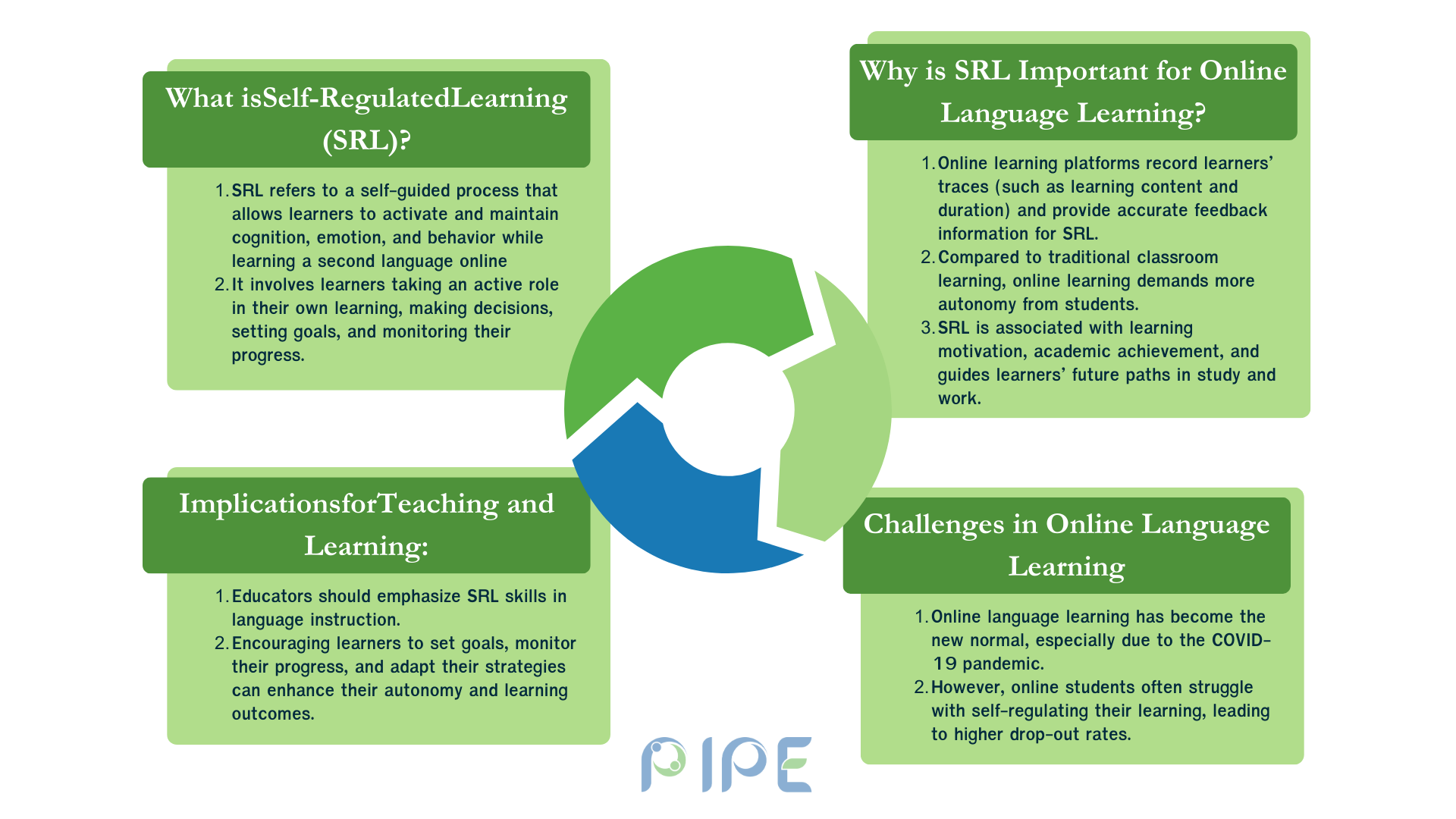
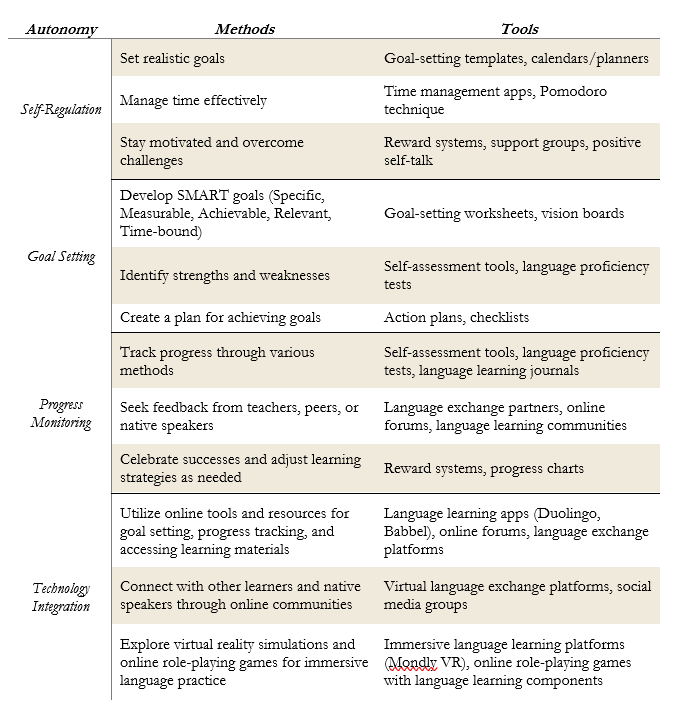
- Self-regulation is a key aspect of autonomous language learning. It involves the ability to set realistic goals, manage time effectively, stay motivated, and overcome challenges. Teachers can promote self-regulation by providing learners with clear guidance and support, while also encouraging them to develop their learning strategies and routines. This might involve teaching learners how to create a study schedule, break down tasks into manageable steps, and identify resources for support when needed.
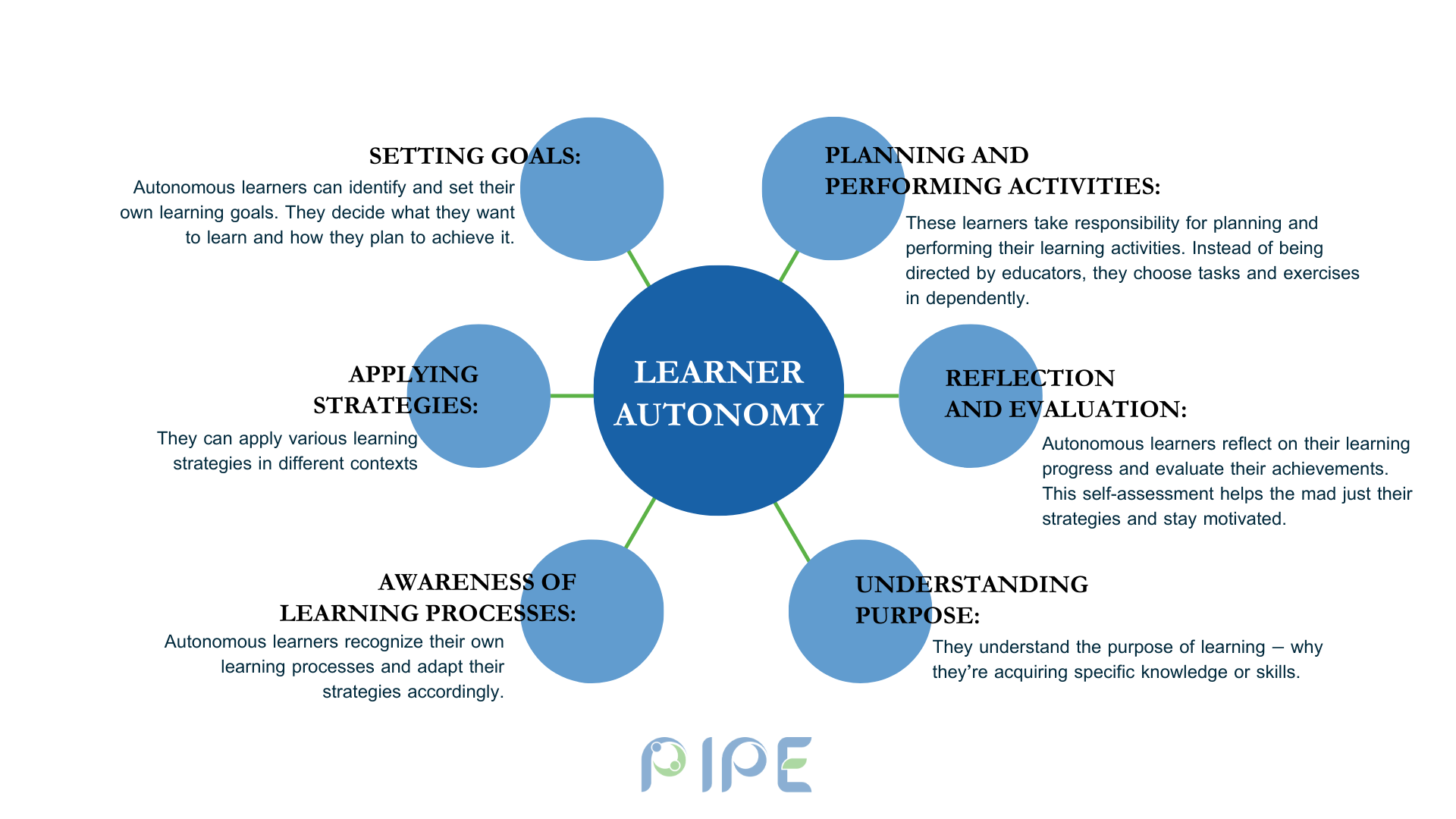
- Goal setting is another crucial element of autonomous language learning. Learners who set specific, measurable, achievable, relevant, and time-bound (SMART) goals are more likely to stay motivated and make progress toward their language learning objectives. Teachers can facilitate goal setting by helping learners identify their strengths and weaknesses, develop a clear vision for their language learning journey, and create a plan for achieving their goals. This might involve using goal-setting templates, providing regular feedback, and celebrating milestones along the way.
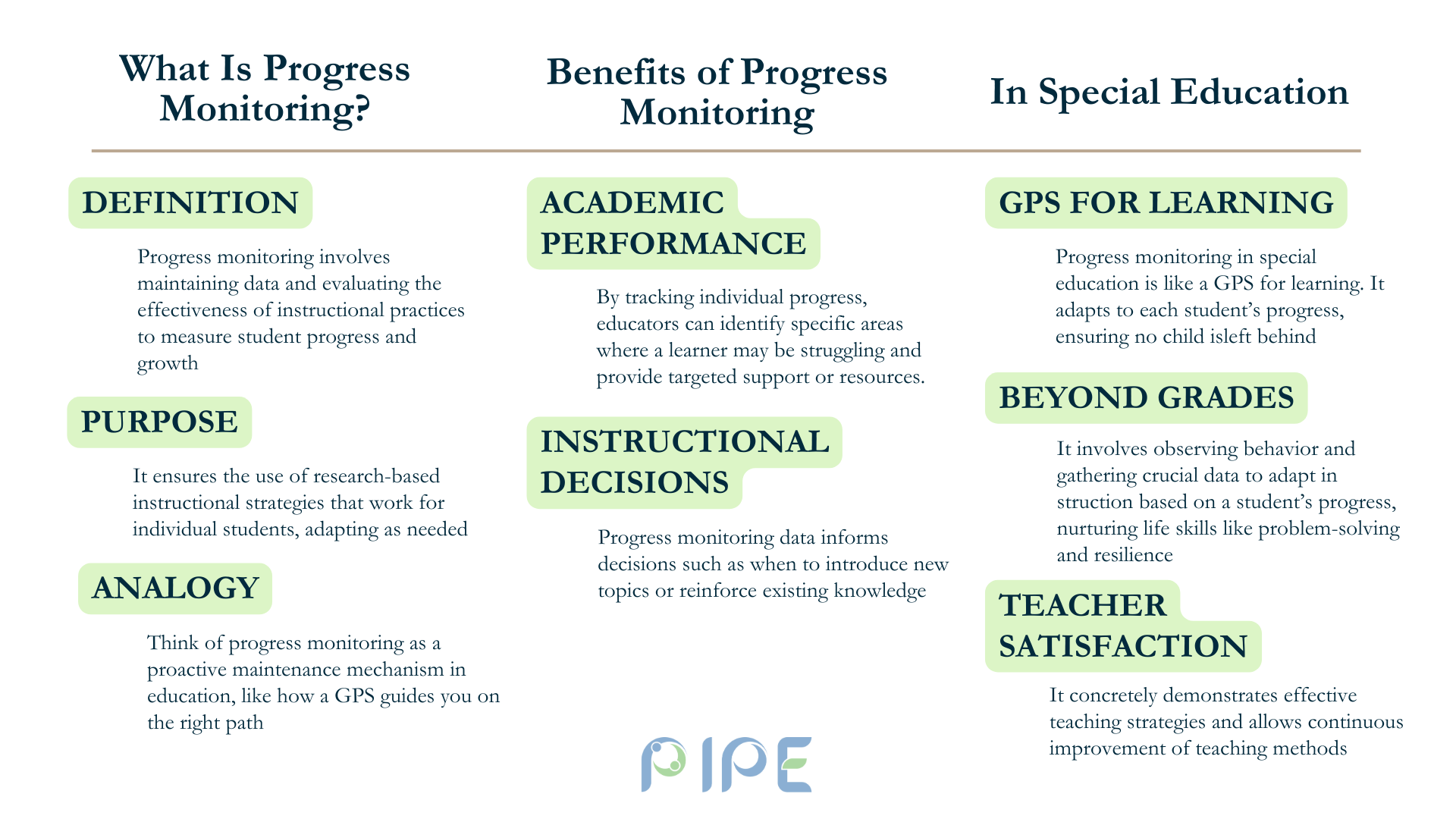
Monitoring individual progress is essential for maintaining motivation and adjusting learning strategies as needed. Learners can track their progress through a variety of methods, such as self-assessment tools, language proficiency tests, or keeping a language learning journal. Teachers can support progress monitoring by providing regular feedback, offering opportunities for self-reflection, and celebrating successes. This can help learners stay on track and make adjustments to their learning plan as needed.
Technology can play a significant role in supporting autonomous language learning. A wide range of online tools and resources are available to help learners set goals, track progress, and access learning materials. Language learning apps, online forums, and virtual communities can provide learners with opportunities to practice their skills, connect with other learners, and receive feedback from native speakers.
Encouraging learner autonomy is not just about providing tools and resources; it’s also about creating a supportive and empowering learning environment. Teachers can foster autonomy by modelling self-regulated learning behaviours, providing opportunities for choice and independent learning, and celebrating learner initiative and creativity. By creating a culture of autonomy in the classroom, educators can empower migrants to become confident, independent language learners who are well-equipped to navigate the complexities of language and culture.
Raising awareness for teaching the national language to immigrants (removing any stereotypes and prejudices against them, having awareness of the culture of the immigrants’ countries of origin)
Raising awareness in the realm of teaching the national language to immigrants involves an approach that extends beyond linguistic instruction to encompass cultural understanding, empathy, and dismantling stereotypes. This approach recognizes that successful language acquisition is not merely about grammar and vocabulary, but also about creating an inclusive and supportive learning environment where learners feel valued and respected.
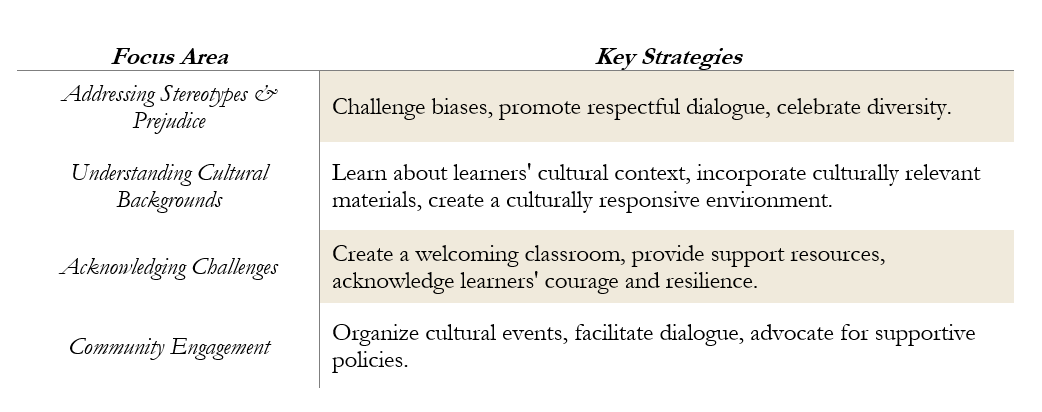
A crucial aspect of raising awareness is acknowledging and addressing the stereotypes and prejudices that immigrants often face. These biases can manifest in subtle ways, such as lower expectations, assumptions about language proficiency, or generalizations based on cultural backgrounds. Educators must be mindful of these biases and actively work to create a learning environment that is free from discrimination and prejudice. This involves promoting respectful dialogue, challenging stereotypes when they arise, and celebrating the diversity of cultures and experiences that immigrants bring to the classroom.
Understanding the cultural backgrounds of immigrants is equally important in raising awareness. Each culture has its unique communication styles, values, and beliefs, which can influence how learners approach language acquisition. By learning about the cultural context of their students, educators can tailor their teaching methods to better meet their needs and create a more culturally responsive learning environment. This might involve incorporating culturally relevant materials into lessons, using teaching strategies that align with cultural norms, and creating opportunities for learners to share their cultural knowledge and experiences.
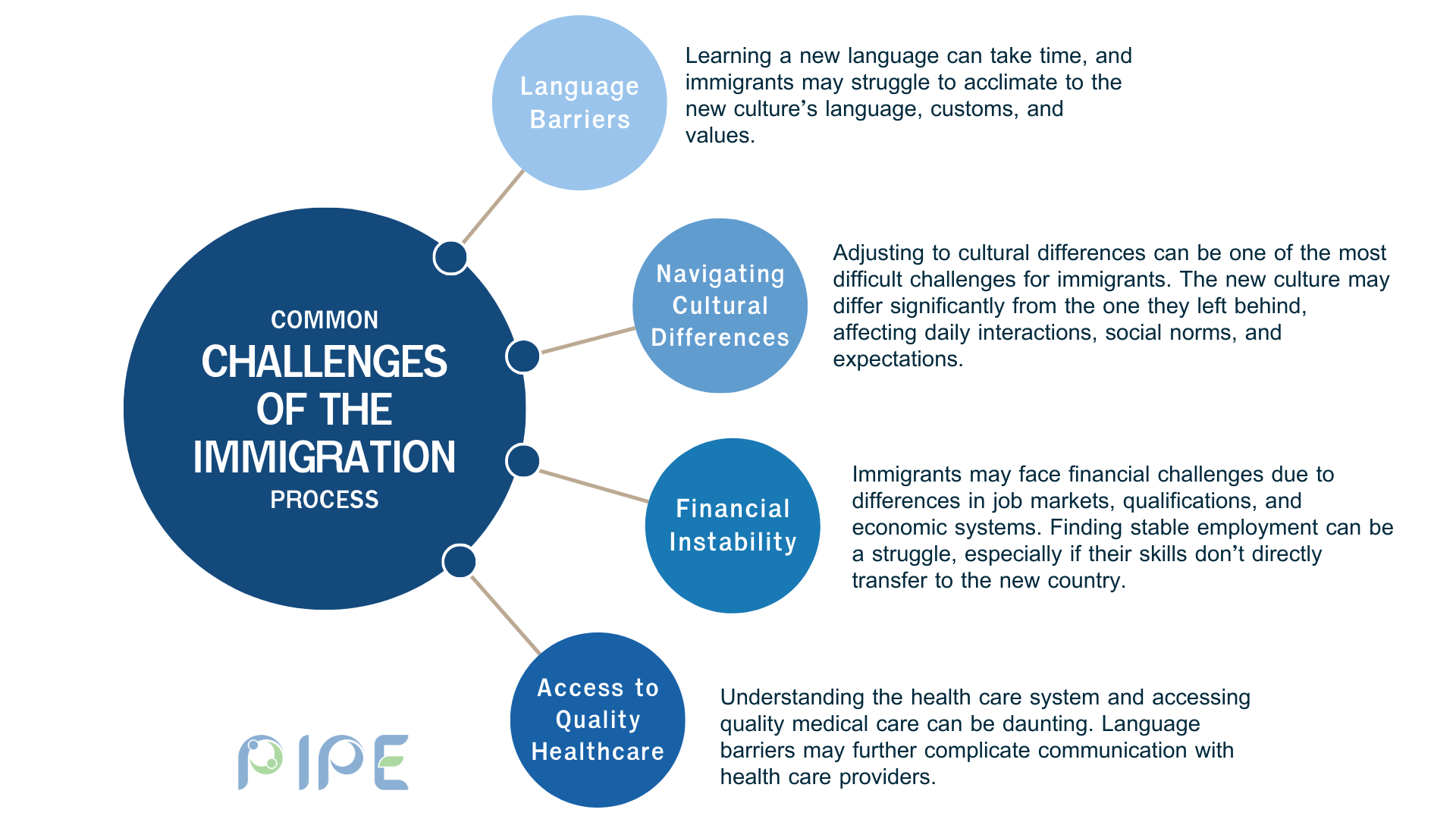
Raising awareness also involves recognizing the challenges that immigrants face in adapting to a new language and culture. Many immigrants experience feelings of isolation, culture shock, and anxiety as they navigate unfamiliar linguistic and social landscapes. Educators can support learners by creating a welcoming and inclusive classroom environment, providing resources for social and emotional support, and acknowledging the courage and resilience it takes to learn a new language and adapt to a new culture.
Moreover, raising awareness extends beyond the classroom. It involves engaging with the wider community to promote understanding and acceptance of cultural diversity. This might involve organizing cultural events, facilitating dialogue between immigrants and native speakers, or advocating for policies that support language learning and integration. By fostering a sense of community and belonging, educators and community members can create a more welcoming and supportive environment for immigrants.
Raising awareness in the context of teaching the national language to immigrants is an ongoing process that requires commitment, empathy, and a willingness to learn from diverse perspectives. By addressing stereotypes and prejudices, understanding cultural backgrounds, and fostering a supportive learning environment, educators can empower immigrants to not only acquire language skills but also to thrive in their new communities.
Formative assessment: Techniques for assessing learner progress in a continuous and constructive manner. Strategies for providing effective feedback to encourage continuous improvement
Formative assessment plays a pivotal role in language learning, providing valuable insights into learner progress and informing instructional decisions. Unlike summative assessments, which focus on evaluating learning outcomes at the end of a unit or course, formative assessments occur throughout the learning process, offering ongoing feedback to both learners and teachers. This section explores effective techniques for formative assessment and strategies for providing constructive feedback that encourages continuous improvement in language acquisition.
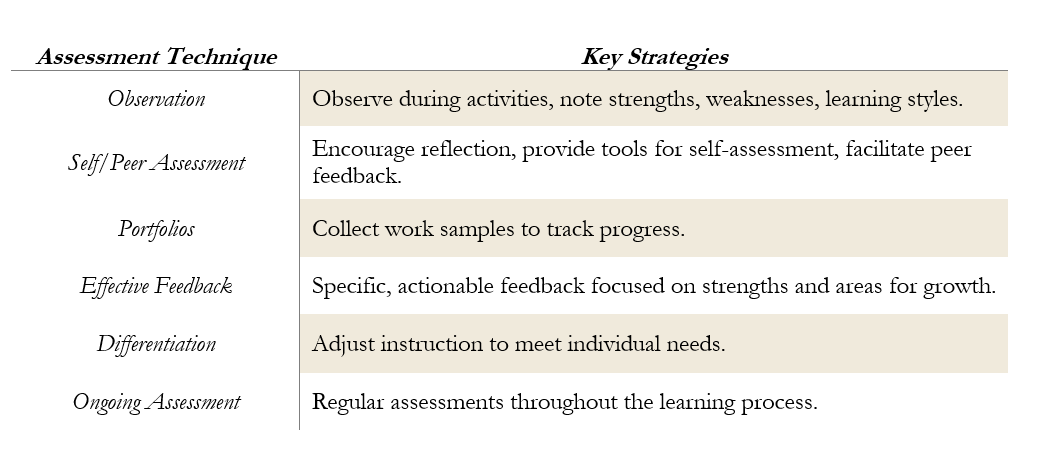
One effective technique for formative assessment is observation. By carefully observing learners during classroom activities, group work, and individual tasks, teachers can gain valuable insights into their strengths, weaknesses, and learning styles. These observations can be informal, such as noting participation levels or asking open-ended questions, or more structured, such as using checklists or rubrics to assess specific language skills. Observations provide real-time feedback that allows teachers to adjust their instruction to better meet the needs of their learners.
Another valuable formative assessment technique is self-assessment and peer assessment. Encouraging learners to reflect on their learning and provide feedback to their peers fosters metacognitive skills and promotes a sense of ownership over the learning process. Self-assessment tools, such as checklists, rating scales, or reflective journals, can help learners identify their strengths and weaknesses and set goals for improvement. Peer assessment activities, such as group discussions or peer review of written work, can provide valuable insights and alternative perspectives.
Portfolios are another effective tool for formative assessment. By collecting and organizing samples of their work over time, learners can track their progress and identify areas for improvement. Portfolios can include a variety of artifacts, such as written assignments, audio recordings of spoken language, or video recordings of presentations. Teachers can use portfolios to provide feedback, track individual progress, and plan future instruction.
Formative assessment data can be used to provide targeted and constructive feedback that encourages continuous improvement. Effective feedback is specific, actionable, and focused on the learner’s strengths and areas for growth. Rather than simply pointing out errors, feedback should provide suggestions for improvement and highlight the learner’s successes. This can be done through written comments on assignments, verbal feedback during conferences, or using technology tools such as online quizzes or interactive whiteboards.
In addition to providing feedback, teachers can also use formative assessment data to adjust their instruction and differentiate their teaching to meet the diverse needs of their learners. This might involve providing additional support for struggling learners, offering enrichment activities for advanced learners, or modifying lesson plans to address specific learning gaps.
By implementing a variety of formative assessment techniques and providing effective feedback, educators can create a dynamic and responsive learning environment that promotes continuous improvement in language acquisition. This approach not only helps learners achieve their language learning goals but also fosters metacognitive skills, self-efficacy, and a lifelong love of learning.
Teacher professional development: Resources for teacher training in innovative methodologies and student-centered pedagogical approaches. Sharing good practices and experiences among colleagues to enrich language teaching
The evolving landscape of teaching the national language to migrants necessitates continuous professional development for educators. Equipping teachers with innovative methodologies, student-centered approaches, and cultural competency is crucial to fostering successful language acquisition and integration. Workshops, seminars, and online courses can provide exposure to cutting-edge research, evidence-based pedagogical practices, and emerging technologies that can enhance language instruction. Additionally, programs that focus on intercultural communication, cultural sensitivity, and anti-bias training can equip teachers with the knowledge and skills to create inclusive and welcoming learning environments.
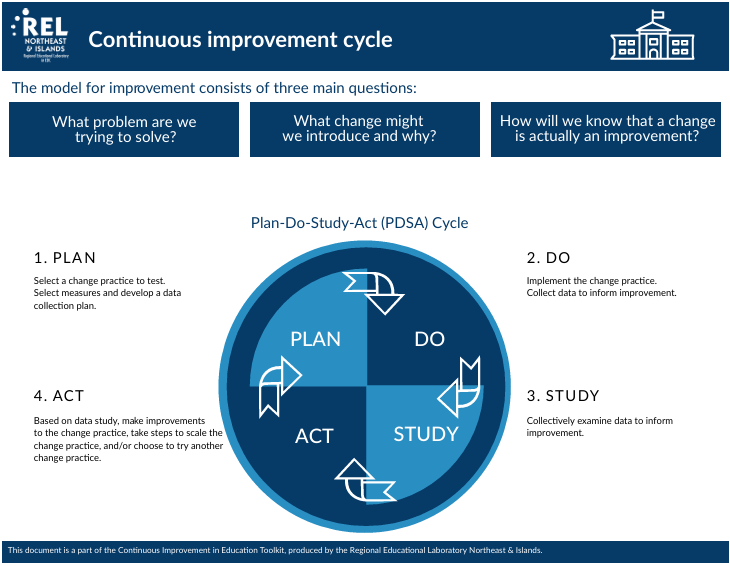
Sharing good practices and experiences among colleagues is a powerful way to enrich language teaching. Creating professional learning communities (PLCs) where teachers can collaborate, share resources, and learn from each other’s successes and challenges can foster a culture of continuous improvement. These PLCs can take many forms, such as regular meetings, online forums, or co-teaching opportunities. By sharing their expertise and experiences, teachers can collectively develop new strategies, refine existing approaches, and stay abreast of current trends in language teaching.
Mentorship programs can also be a valuable resource for professional development. Pairing experienced teachers with newer colleagues can provide a supportive framework for knowledge transfer, skill development, and reflection. Mentors can offer guidance on lesson planning, classroom management, assessment strategies, and cultural responsiveness. Mentees can benefit from the mentor’s experience and insights, gaining confidence and expertise in their teaching practice.
Conferences and workshops focused on language teaching provide another avenue for professional development. These events bring together educators, researchers, and practitioners to share the latest research findings, pedagogical approaches, and best practices. Attending conferences and workshops can expose teachers to new ideas, inspire innovation, and foster connections with colleagues in the field.
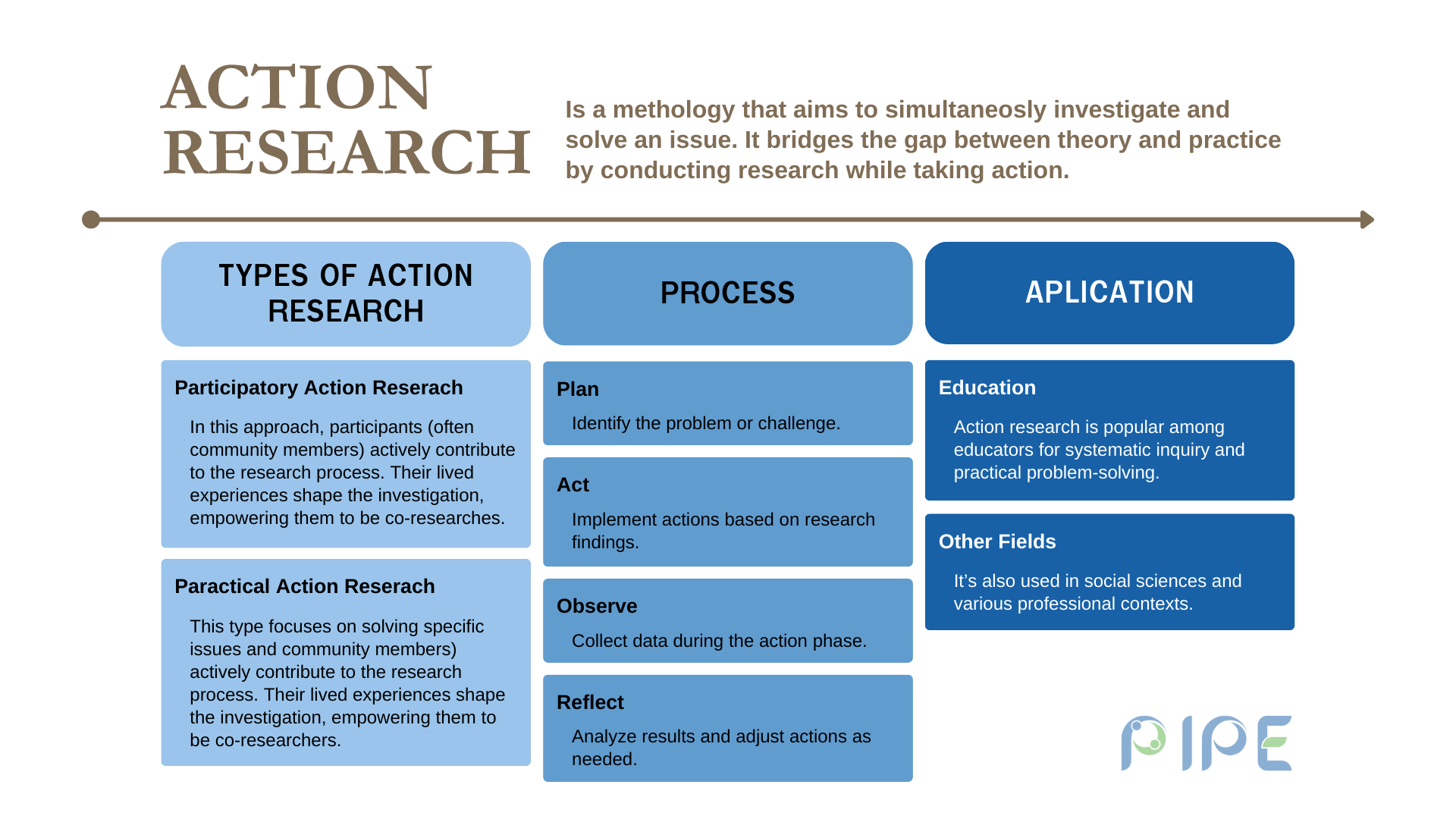
Engaging in action research is another valuable form of professional development. By systematically investigating their teaching practices, teachers can gain insights into what works and what doesn’t, leading to continuous improvement. Action research projects can focus on a variety of topics, such as the effectiveness of different teaching methods, the impact of cultural factors on language acquisition, or the use of technology in the classroom.
By utilizing a combination of these resources and strategies, teachers can continuously enhance their knowledge, skills, and cultural competence in the context of teaching the national language to migrants. This commitment to professional development not only benefits individual teachers but also contributes to the creation of more effective, inclusive, and culturally responsive language learning environments for all learners.