You will find in this Chapter:
Learner profile (age, mother tongue, learning context)
Sociolinguistic diversity
Didactic capacity of the instructions
Information on the structure of the units
Sequences of activities
Reference to didactic methods used
Cultural representation and presence of stereotypes
For the result to meet expectations, the teaching material chosen should be scientifically correct to avoid the acquisition of lame linguistic bases that are difficult to dismantle later:
- Be consistent with the didactic objectives of the course to guide the student through logical and comprehensible learning without leading them astray.
- Represent current events through the examples and contexts used; be varied and full of food for thought that immerse students in the new socio-cultural context.
- Be clear and accessible to all, but at the same time stimulating and engaging so that the learning experience does not take the chance of lapsing into boredom and mechanical repetition.
In general, teaching material should vary not only in content but also in form. For this reason, it is important that, when making the choice, the teacher considers the great contribution that digital technologies can make to their work in the classroom: flanking classical material with the use of applications, online resources, immersive experiences obtained using virtual and augmented reality favours learning through the active involvement of students.
Learner profile (age, mother tongue, learning context)
Defining the profile of the learners makes it possible to construct a teaching model that is as varied and elastic as possible so that it can be adapted to the individual members of the class and guarantee a personalised learning experience. Understanding who you have in front of you means getting in touch with past experiences and needs, both parameters that should influence the most effective methodological choice.
Analysing and assessing who you will have in front of you requires an approach that is sensitive to the challenges of the migration experience, such as language, cultural, social and emotional barriers. Their experience can profoundly influence language learning, with both positive and negative consequences.
It is therefore important to adopt a cognitive approach that is empathetic and understanding. Information gathering should take place in a context that puts the learner at ease. Although the private interview mode allows for an intimate and personalised approach, the administration of a written questionnaire may in some cases prove to be a safer option.
On the other hand, it is worth considering the inherent disadvantage of the second hypothesis linked to the need to choose the language of administration. However, the use of appropriate software could solve this problem by offering the pupil the possibility of completing the questionnaire in their mother tongue and handing it over to the teacher in its translated version.
Direct observation enriched over time with the passage of time is in any case an approach that should not be underestimated. While it is true that some data can be easily collected through the filling in of standard forms (personal details, level of education, information on the level of knowledge of the host country’s language) a considerable amount of information can be deduced from the classroom experience and the learner’s interaction with their colleagues and with the teacher.
In the course of the first lessons, it is possible to establish from the learner’s behaviour not only their actual level of language competence, both in written and oral production, but also what their difficulties are and, above all, their preferred learning modes (visual, auditory, kinaesthetic). Dedicating the early stages of the course to lessons that are tools for bringing out practical information about each learner’s identity may therefore be a way of supplementing the data collection model by means of a questionnaire with one that at the same time helps to create in the class a sense of belonging through sharing.
The learner profile should contain the following information:
- Personal data.
- Knowledge of the language of the host country: level of familiarity with the language, previous learning experiences and contexts of possible language practice.
- Level of education and communication skills: in addition to language skills, it is also important to assess migrant students’ communication and intercultural skills, such as the ability to communicate effectively with others, to understand and respect cultural differences and to adapt to new social and linguistic contexts.
- Any learning difficulties and/or individual needs: special educational needs, additional language support, literacy programmes, social needs, emotional support. It is important to identify these needs and provide targeted support to ensure that students cannot are able to participate fully in school life.
- Migration experience: country of origin, reason for migration, length of stay in the new country, legal status. For example, one student might be a political refugee, while another might be an economic migrant seeking new job opportunities.
- Personal interests: this information offers the possibility of searching for educational material online that is appealing to students, but also of identifying new topics for them to discover.
- Objectives and expectations about the language course: improving job prospects or social integration, academic goals and achieving a certain level of language proficiency.
- Main learning mode: knowing the students’ preferred learning channels allows us to define a teaching mode that is fair and inclusive.
This profile should be considered a dynamic document, to be regularly updated as the course progresses and as the student’s learning evolves. Adopting a holistic approach to understanding the migration context allows the teacher to create effective profiles that can be used as a guide to ensure a focused and effective learning and integration experience for students.
Sociolinguistic diversity
Sociolinguistic diversity refers to the ways in which language is used within society. This use depends on several variables closely linked to the individual, such as ethnicity, cultural identity, level of education, socioeconomic status, but also gender and age. These are the main characteristics that influence the way individuals use language.
It is therefore clear how sociolinguistic diversity is a fundamental factor to be considered when the goal is to teach language to a migrant class, where one is dealing with extremely varied cultural backgrounds and life experiences.
Through an inclusive didactic approach that is clear, cleansed of technicalities and regionalisms that are difficult to understand, and attentive to valuing the linguistic varieties of the learners, it is possible to amplify the effectiveness of communication and, consequently, of learning.
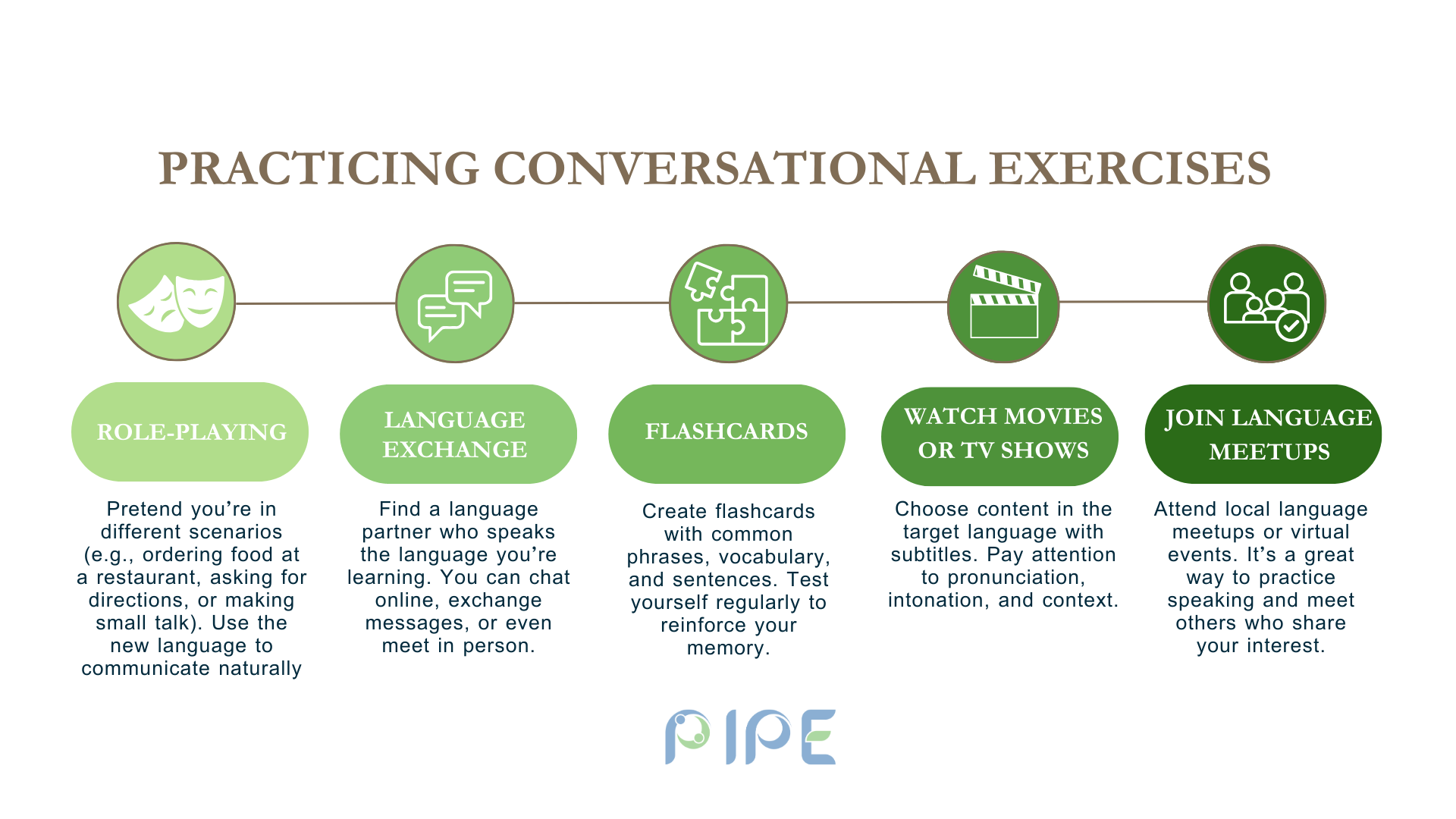
To achieve this, it is desirable to use appropriate teaching materials that reflect the authentic linguistic variety of the cultural context of the host country; and it is important that learners are encouraged to interact through conversational exercises involving the need to use the new language. Exchanging and comparing different levels of language proficiency allows learners to learn from each other.
Conversely, if sociolinguistic diversity is ignored, it can lead to problems that can undermine the learning experience. An overly complex language that is incomprehensible, as well as a lack of feeling of being represented, may not only increase levels of frustration and demotivation in learners, but also contribute to the reinforcement of stereotypes and prejudices towards cultures and social groups that, therefore, will have less chance of integrating into the new socio-cultural context. Valuing diversity is the key to a successful learning process.
Didactic capacity of the instructions
For any teaching activity to be effective, it is of paramount importance that the learner understands the nature of the task he or she is being asked to perform and its objective. In other words, instructions as well as the exercise itself are vehicles of learning.
In the world of teaching, one element that is sometimes underestimated is the quality of the instructions given to students during exercises. Although it may seem like a trivial part of the process, correct instructions help students understand expectations, perform tasks correctly and achieve learning objectives.
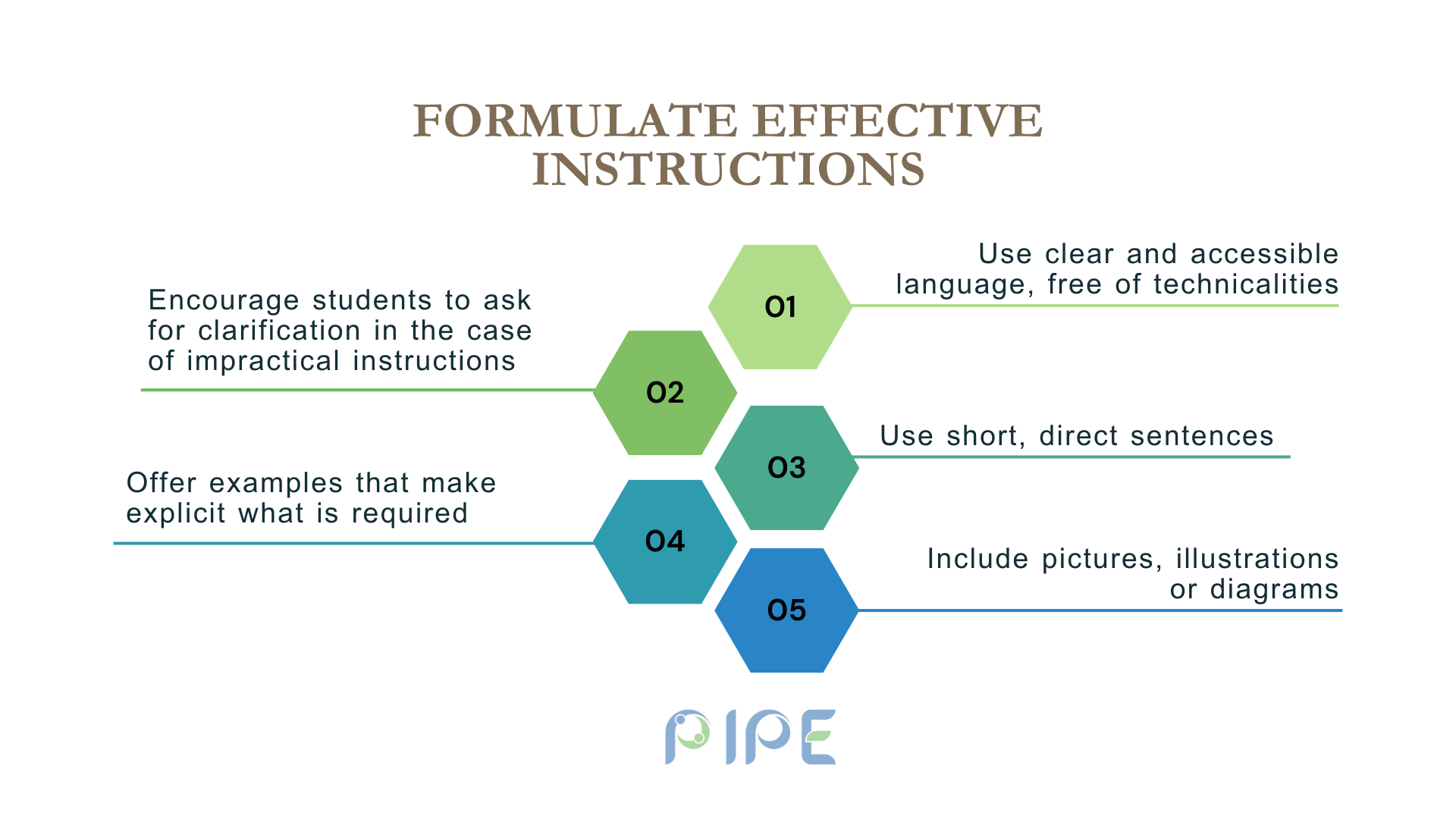
The teacher should choose the teaching materials to be used in the classroom paying particular attention to the way in which the instructions for the proposed activities are formulated. These must be precise, complete, clear and easy to understand, possibly supported by guiding examples and adapted to the language level of the class.
The advantages of unambiguous communication result in greater autonomy in learning on the part of the learner, resulting in increased self-esteem and motivation. On the other hand, inaccurate or misleading information can lead to frustration and neglect. When instructions are ambiguous or vague, students may feel confused and uncertain about what is expected, thus compromising the quality of their work. Therefore, teachers must provide instructions that are specific, direct and easily understood, so that students can are able to begin the exercise with clarity and confidence.
Well-formulated instructions can also play an important role in promoting students’ interest in the exercise. Using engaging language to present the activity in an intriguing and meaningful way captures their attention and motivates them to actively engage.
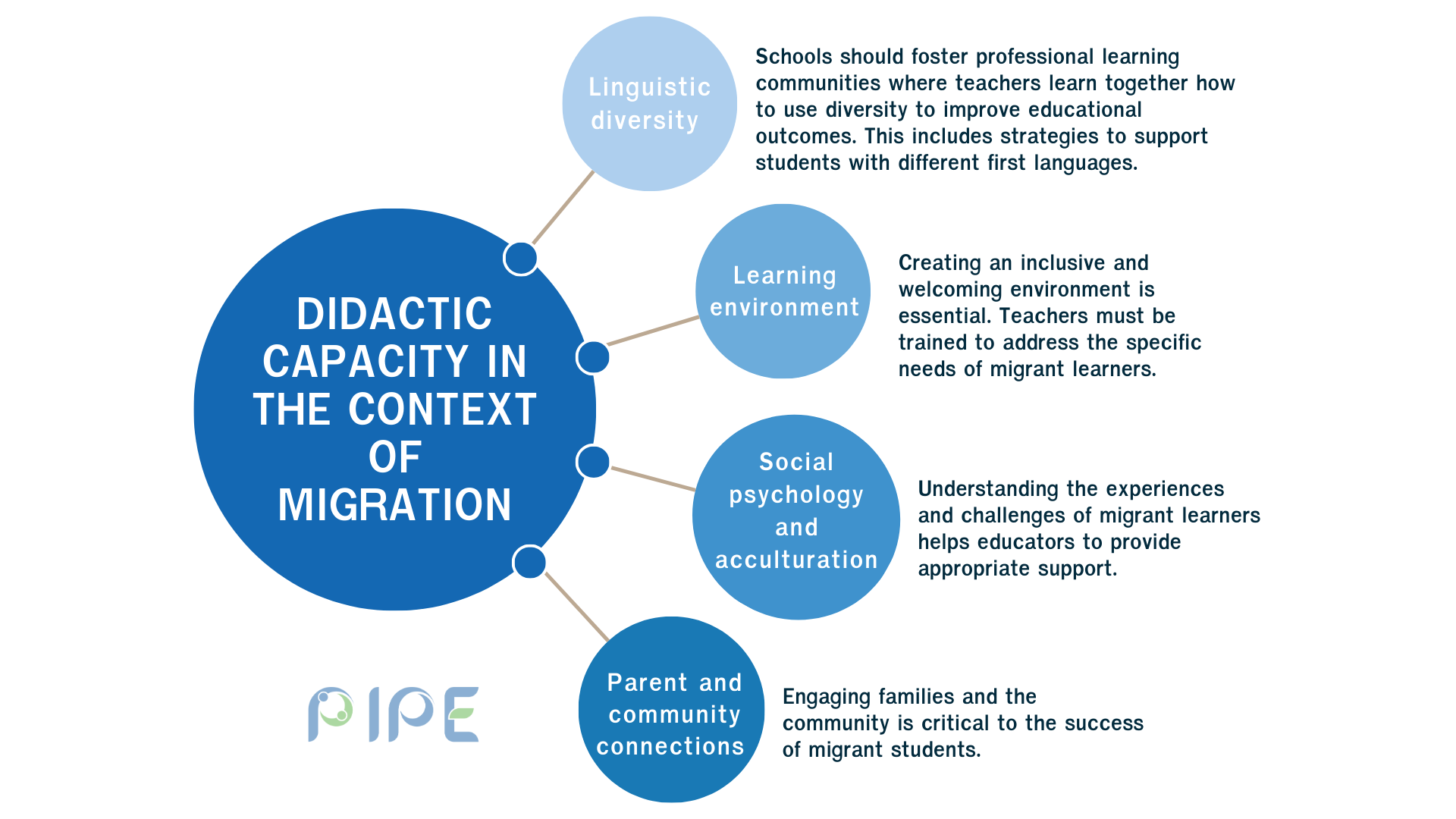
Instructions must be flexible and adaptable to the needs and abilities of students. Teachers should be prepared to modify or clarify instructions, if necessary, in response to questions or difficulties that may arise in the classroom. Such flexibility ensures that all students could fully participate in and benefit from the activity.
Whatever the proposed teaching activity, it may be helpful to offer instructions using audio-visual aids, to engage different learning channels with a view to greater inclusiveness. Images, videos, presentations, diagrams and lists can be of help where the classic description is insufficient to enable the learner to understand the objective of what is being asked of them and the correct procedure for achieving it satisfactorily.
Information on the structure of the units
Structuring the units of a language course for migrants is a task that considers both the teacher’s chosen methodology and the needs of their class; therefore, analysing the learners’ profiles, previously obtained through questionnaire administration, becomes a useful step to maximise the lessons’ effectiveness.
Furthermore, each unit should be geared towards achieving the course’s general objective, as well as taking into account the learners’ cultural background and different levels of language skills.
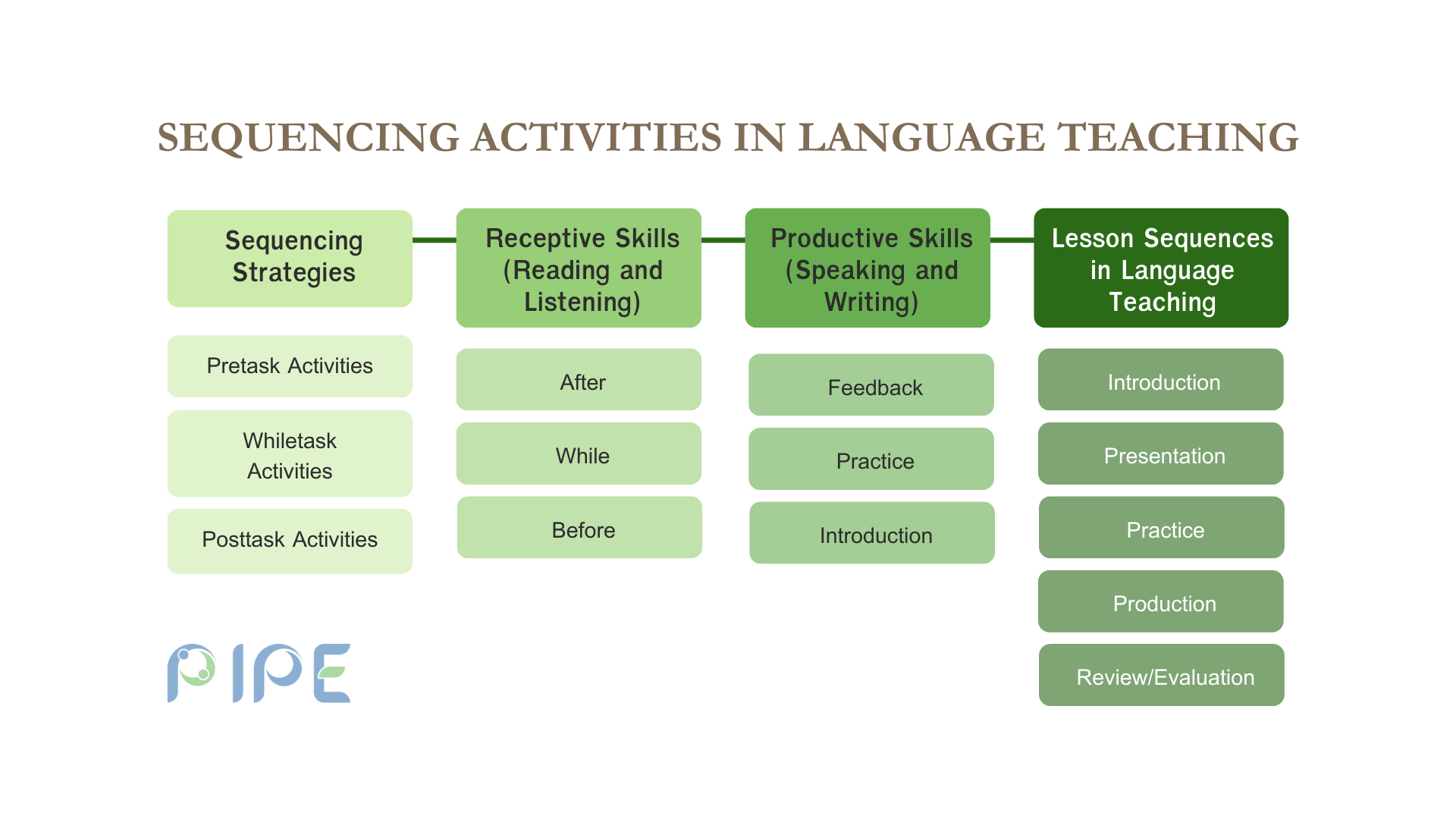
Wanting to simulate the design of a unit, we can hypothesise structuring it in such a way that it contains:
- An introduction to present the topics covered that is captivating and capable of preparing the learner for active participation that draws on their prior knowledge.
- An essential and comprehensible theoretical presentation of the content that makes use of several teaching tools: images, texts and audiovisual material.
- A practical part, in which the class could experiment with the newly acquired knowledge through exercises, simulations and role-plays, suitable for strengthening team spirit.
- A conclusion that serves as a review of the contents, to summarise and consolidate what has been learned.
To maintain an authentic view of pupils’ progress, it is advisable to schedule a unit of verification on a regular basis, which may take the form of written or oral tests or a mixed form. These moments do not necessarily have to lead to a numerical evaluation but can also result in more friendly feedback, allowing pupils and teachers to discover the weaknesses but also the strengths of the work done so far.
Sequences of activities
Let us now provide some examples of activities that can help make each unit an effective learning moment that is both fun and engaging.
The introduction is the most delicate moment of the game, the one that can decide whether a learner will be interested in the day’s topics or will close in on himself, out of embarrassment, disinterest or frustration; or, even worse, a combination of the three.
Knowing where you are going to go acts as a safety net for even the most brash personalities, so it is essential to provide the objective of the lesson as early and clearly as possible.
Breaking the ice with an informal chat about the topic of the day can then help to create a positive climate among the pupils and prepare them to share what they already know about the subject. During this activity, the teacher could deduce the skill level of the class and accordingly calibrate how much they can sink into the complexity of the content to be presented.
The presentation of the contents represents the ‘serious’ moment of the lesson, and by serious we mean that the teacher must convey the information in a simple, gradual and comprehensible manner for all. In this respect, it might be practical to fragment complex topics into several units, to anticipate or delay the treatment of a particular grammar or vocabulary topic, to decide to gloss over certain nuances of the language and dwell on others instead, if these can help the learner to better integrate into the new socio-cultural context.
Since, as was described at the beginning of the chapter, each learner prefers a particular learning modality (visual, auditory, kinesthetics’), one is reminded of the importance of always choosing teaching material that is appropriately varied, including videos, images, real objects and written texts.
Each unit should present new content in the grammatical, lexical and cultural spheres and offer a valid communicative context in which to see theory come into action: the main aim is to use linguistic competence as a tool for integration.
The moment when the learner gets to the heart of language use is that of practical activities. For vocabulary development, the teacher might propose definition exercises, text-image or definition-real-object matching and crossword puzzles to the class. He or she might decide to involve the pupils in a role-play that requires them to act, such as calling for help, preparing a typical dish, shopping at the market. This type of activity consolidates the grammatical norms learned and stimulates interaction between the elements of the class. On the other hand, as role-playing could be a barrier for shy pupils, the teacher needs to have at least one less-interactive activity to propose, such as creative writing or making individual projects, if they realise, they have left someone behind.
To conclude the lesson, it might be useful to let the pupils speak and have them summarise the topics covered: the resulting information will serve as an initial assessment of the skills they have just acquired.
Reference to didactic methods used
Nowadays, the teacher has several teaching methodologies to exploit, each with its own set of merits and weaknesses. In a language course for migrants, it is worth remembering that the choice of methodology should always consider the factors listed above: the learners’ previous language skills, their learning methods, the objectives they aim to achieve through language learning, the cultural contexts they come from and the resources available to support the chosen methodology.
Adopting more than one teaching method means embracing diversity and approaching the needs of one’s learners rather than expecting them to adapt to an imposed and rigid style.
Alongside traditional methods, teachers can experiment with innovative and more engaging approaches. Here are some examples.
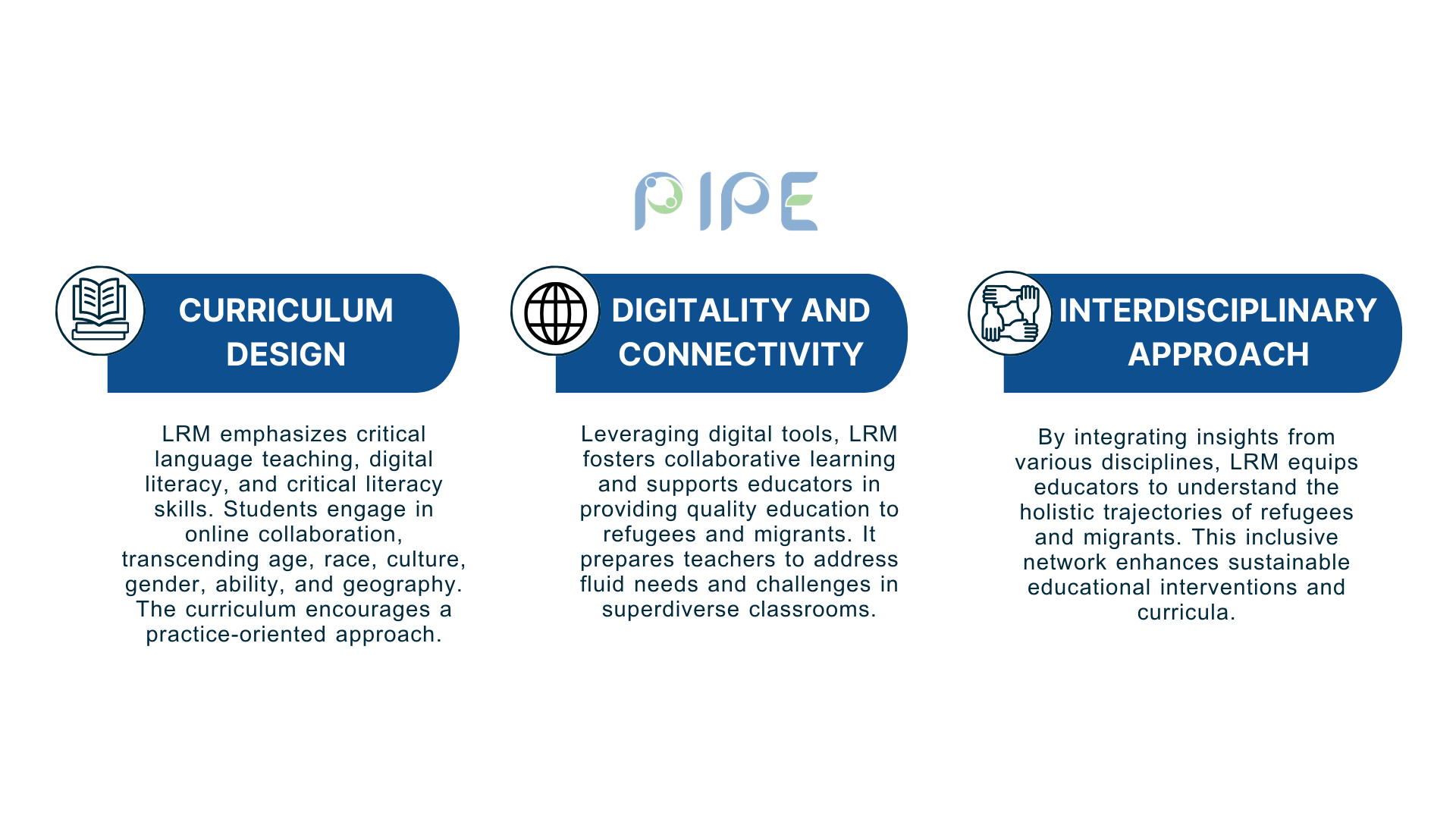
Interdisciplinarity: a methodology that examines reality by connecting its elements and going beyond the classical view of sectionalised knowledge. The approach enables students to develop transversal skills such as critical thinking, problem solving, communication and teamwork, which are in great demand today in the world of work and in managing the complexities of life. The methodology is excellent for motivating students and creating a connection between them and the teacher, encouraging the sharing of ideas and the creation of innovative learning projects.
Circle Time: in practice, the class adopts a circle arrangement, i.e. equal time, to engage in a debate coordinated by the questions posed by the teacher-leader. The approach promotes communication and listening, creating a safe and inclusive environment in which to freely express one’s own opinions and learn to accept those of others. Together, students learn to manage emotions and resolve conflicts peacefully, through the search for shared solutions. Designing activities using this methodology takes time; moreover, it can be complex to use it in very large classes.
Role play: activities in which learners play roles assigned by the teacher in order to enact real situations that give substance to the studied language norms. It promotes active learning, improves fluency and pronunciation as learners are encouraged to speak spontaneously and continuously, without the fear of making mistakes.
Flipped Classroom: a methodology that reverses the traditional teacher-pupil relationship, making the latter take the chair and transforming the former into a guide to support learning. Pupils study independently and use classroom time to explore topics in depth. It proposes a type of active learning and encourages the development of transversal skills, such as self-management of learning, and collaboration. In contrast, the methodology requires more self-discipline from students than the traditional method, so it may not be universally effective.
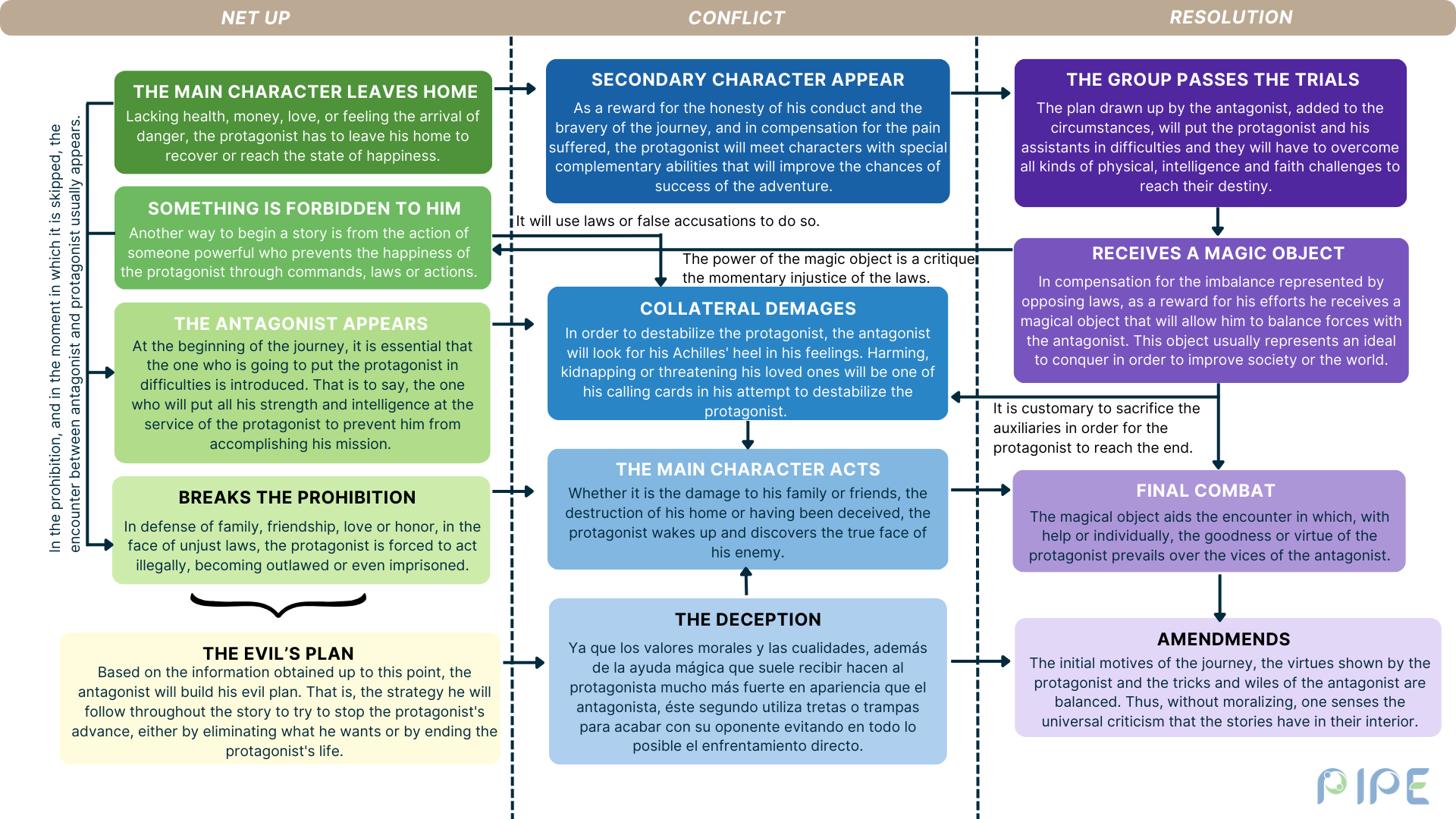
Narration and Storytelling: a strategy that uses storytelling, whether read or produced, to introduce topics that bring learners closer to the target country’s culture and develop new language skills.
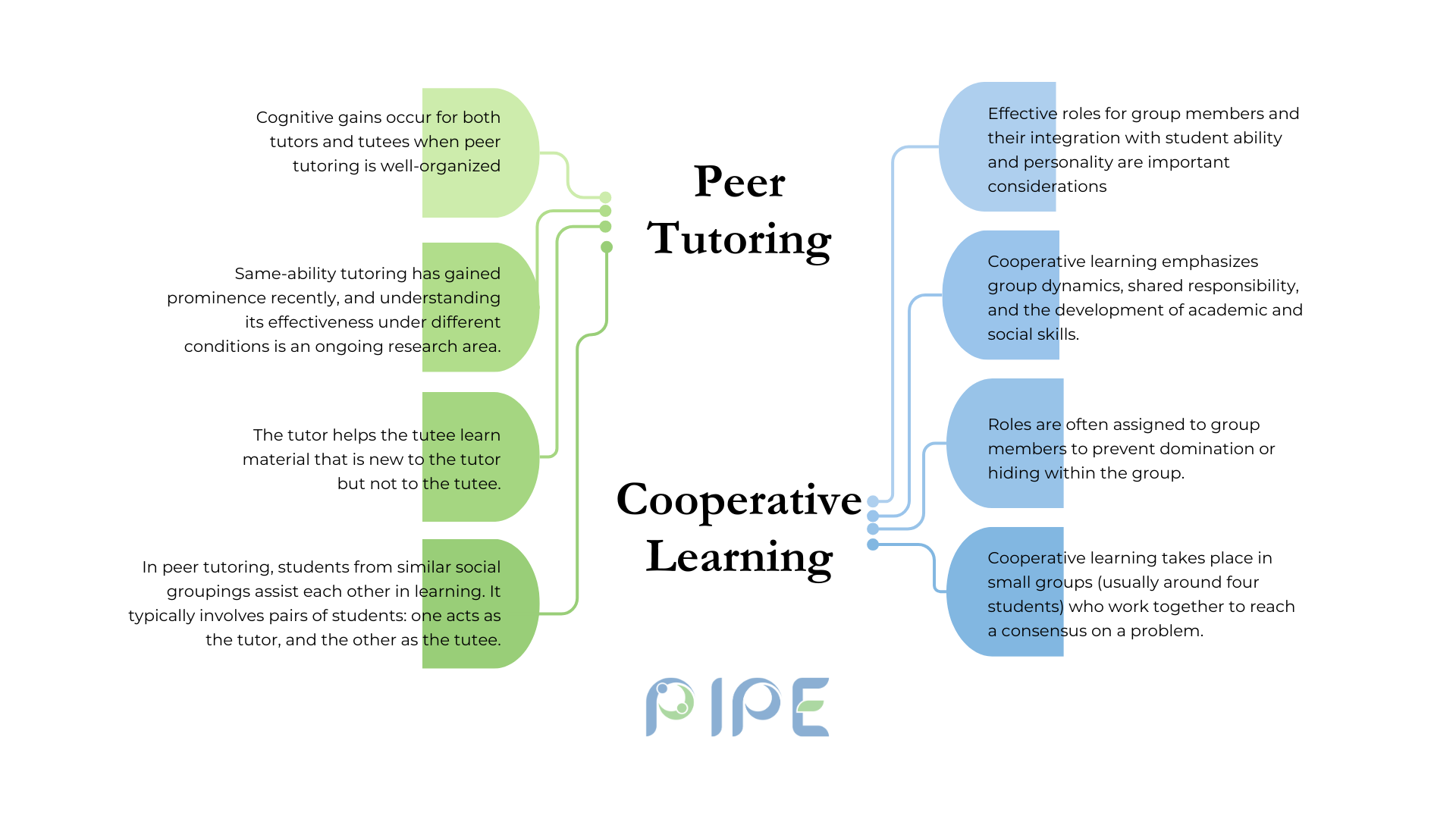
Peer tutoring and cooperative learning: methodology in which knowledge is shared among the elements of the class, favouring the establishment of a relationship in which the more experienced learner helps the one with fewer skills. It supports a deeper and more personalised type of learning, inclined towards identifying and filling any gaps in the student’s knowledge. From the teacher’s point of view, it offers a reduction in workload and allows more time to be devoted to the students who need it most. At the same time, the approach requires time and classroom management skills: while on the one hand, it favours the consolidation of relationships within the group, on the other hand, it can trigger conflicts between students as well as create dependence on the tutor.
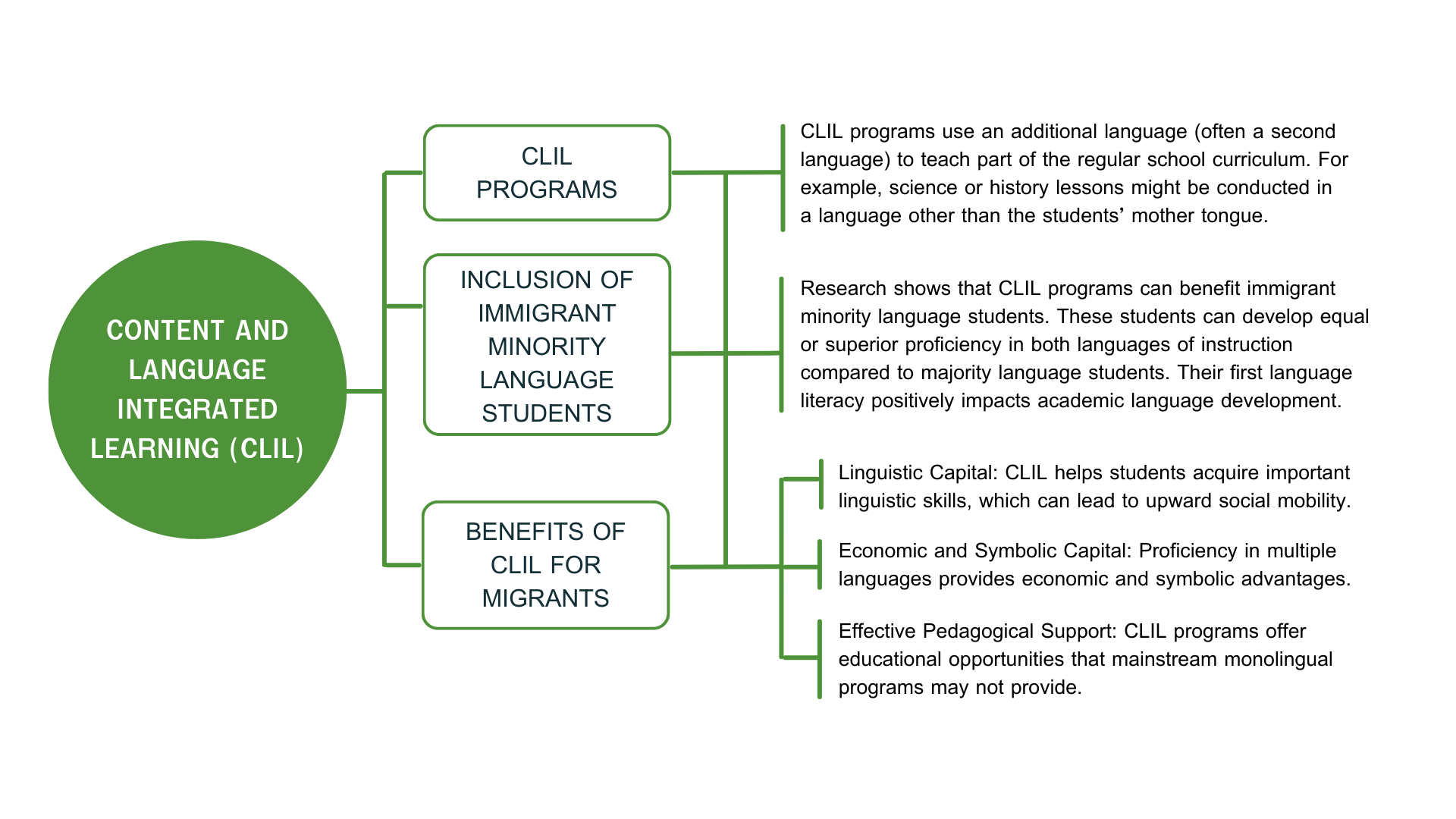
CLIL (Content and Language Integrated Learning): Content and Language Integrated Learning involves the teaching of non-linguistic disciplines (history, geography, mathematics, literature) conveyed in the target language. It is a mode that encourages the construction of technical vocabularies.
Project Work: an approach in which learners are asked to work in groups on long-term projects in which the target language is used both for research and for internal interaction between the elements and for writing the final presentation.
Mobile Learning: involves the use of devices such as smartphones and tablets to carry out teaching activities. It allows access to the material anywhere as it exploits online resources. It is extremely flexible and adaptable to any lifestyle. It allows full personalisation of learning, making it active and, in some cases, interactive. It improves digital skills, has the advantage of being affordable and being able to count on the immediate updating of learning materials. The main disadvantage of this mode is the lack of establishing a face-to-face relationship, be it with the teacher or with fellow students.
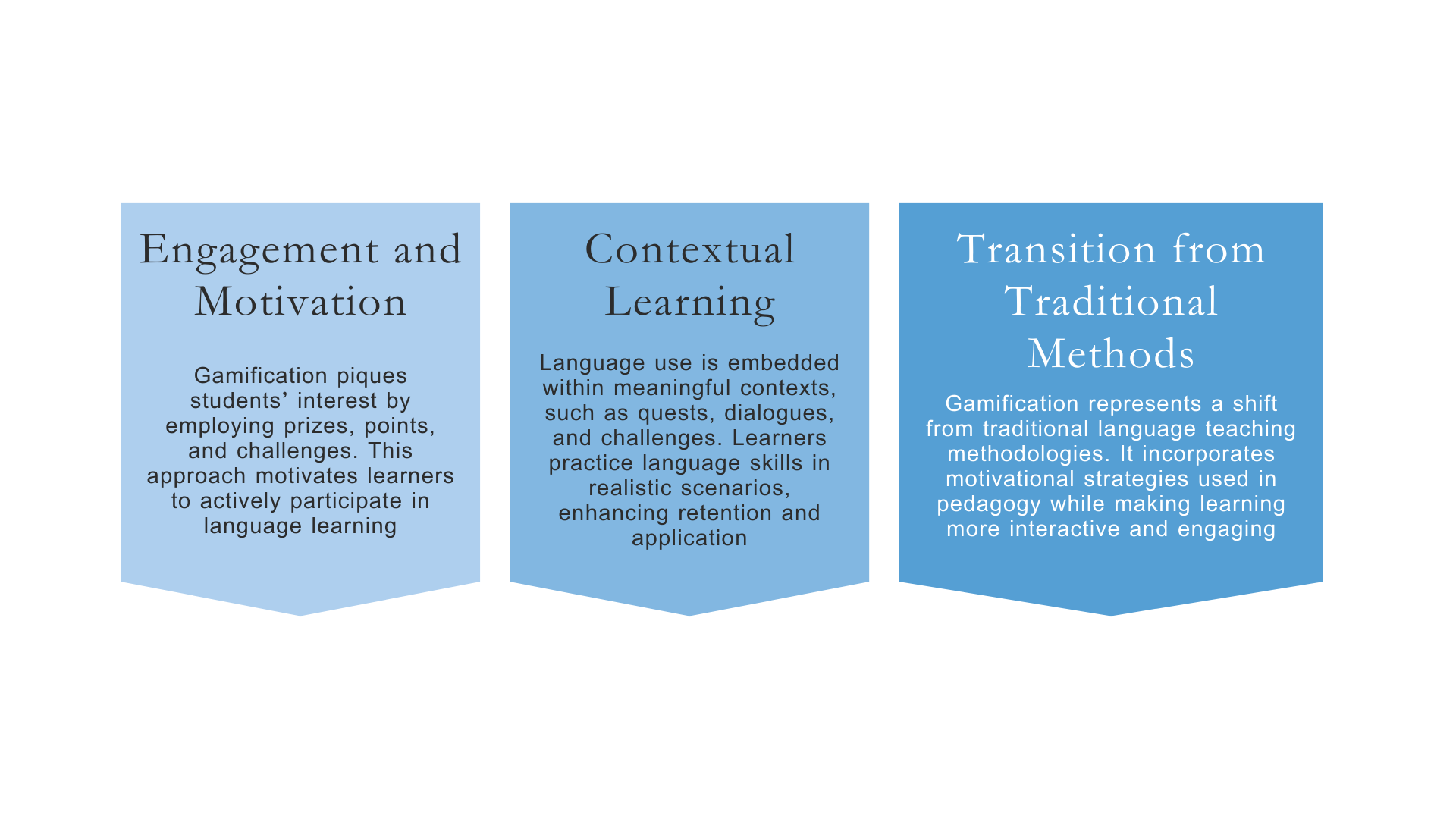
Gamification: methodology that applies typical game elements (experience points, levels, missions, challenges) to language teaching. Through the use of playful platforms, it makes learning interactive, lively and fun. It provides students with immediate feedback on performance, which helps them to improve and stay motivated. The gratification received through rewards can increase the sense of satisfaction and achievement. Disadvantages include the risk of creating dependency, causing distraction and reinforcing the competitiveness of students, with negative consequences for the well-being of the group.
Each methodology can prove both successful and unsuccessful: it depends on the response of the class and individual learners. That is why it is important to adopt a multiple approach, to experiment with the possible options until finding those most congenial to achieving the course objectives, the needs of the learners and the teaching context.
Cultural representation and presence of stereotypes
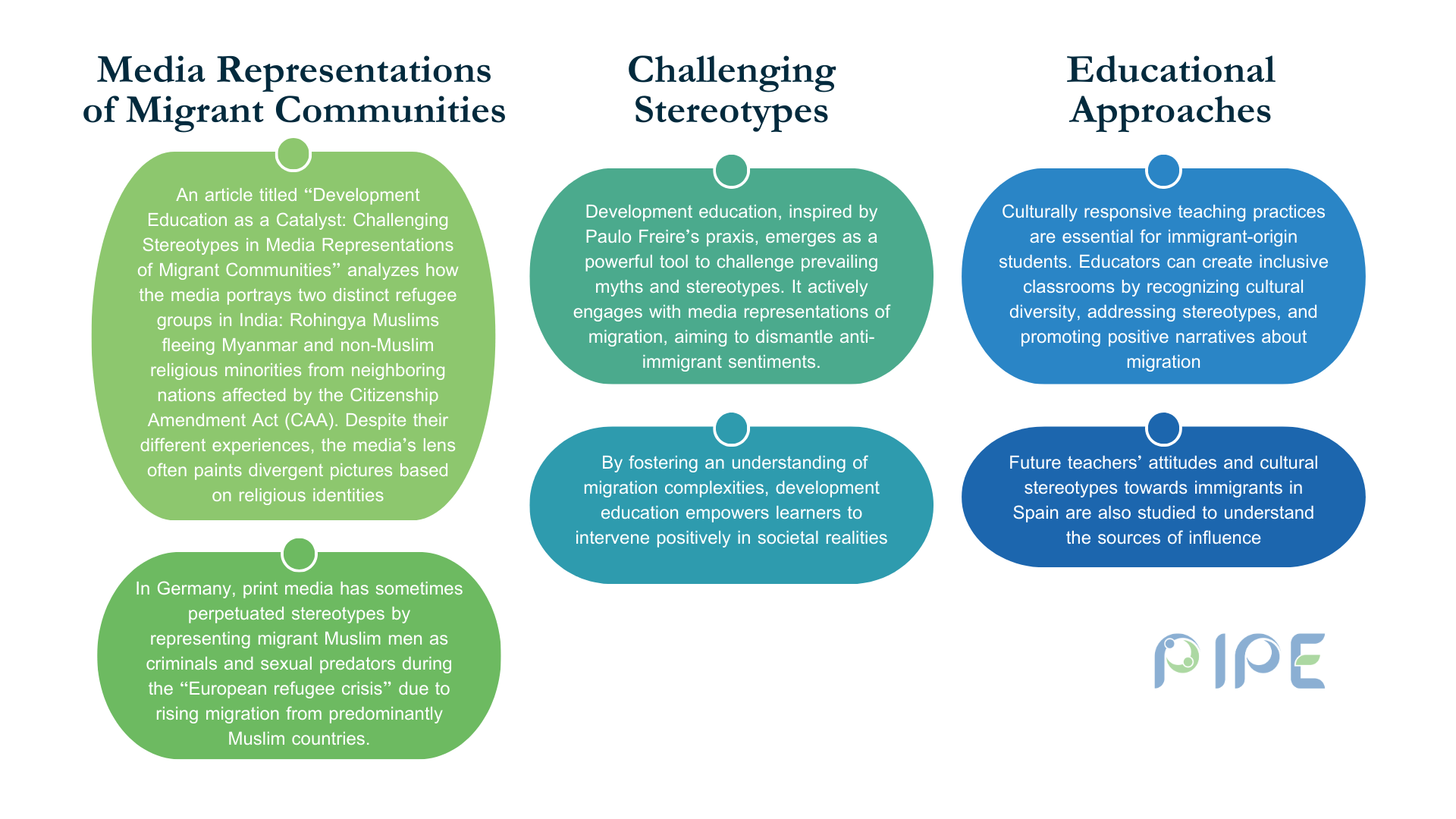
Prejudices and stereotypes are so anchored in us that the teachers themselves are sometimes unaware of those that are part of their baggage of experience and that, inexorably, end up trapped in their methodology.
However, to use linguistic knowledge as a tool for cultural integration, teaching a class of migrants cannot fail to aim at promoting a cultural representation that is inclusive and free of stereotypes.
Promoting diversity means encouraging through teaching activities to question prejudice and discrimination in favour of an accurate and multifaceted view of reality. The teacher should ensure that the selected methodology itself avoids stereotyping attitudes, such as Eurocentrism, which uses European culture as a reference model. Ethnocentric activities, i.e. based on experiences typical of the dominant culture, can create a sense of alienation in pupils, so it would be advisable to think of alternatives that more closely reflect the different experiences in the classroom.
An important role in the fight for better cultural representation is played by the value placed on pupils’ experiences during classroom activities. Teaching materials should encourage intercultural comparison and create opportunities for debate that challenge stereotypes. Discussions, projects, audio-visual and reading material should enable learners to get to know and appreciate different cultural realities, so as to give themselves new, more inclusive perspectives.
This can only happen if there is an aware, trained and prejudice-free teacher leading the class.