You will find in this Chapter:
Intercultural communication
Strategies for managing conflicts and communicating effectively in multicultural environments
Activities to promote empathy and sensitivity to different cultural perspectives
Intercultural communication
The Importance of Intercultural Communication Competence
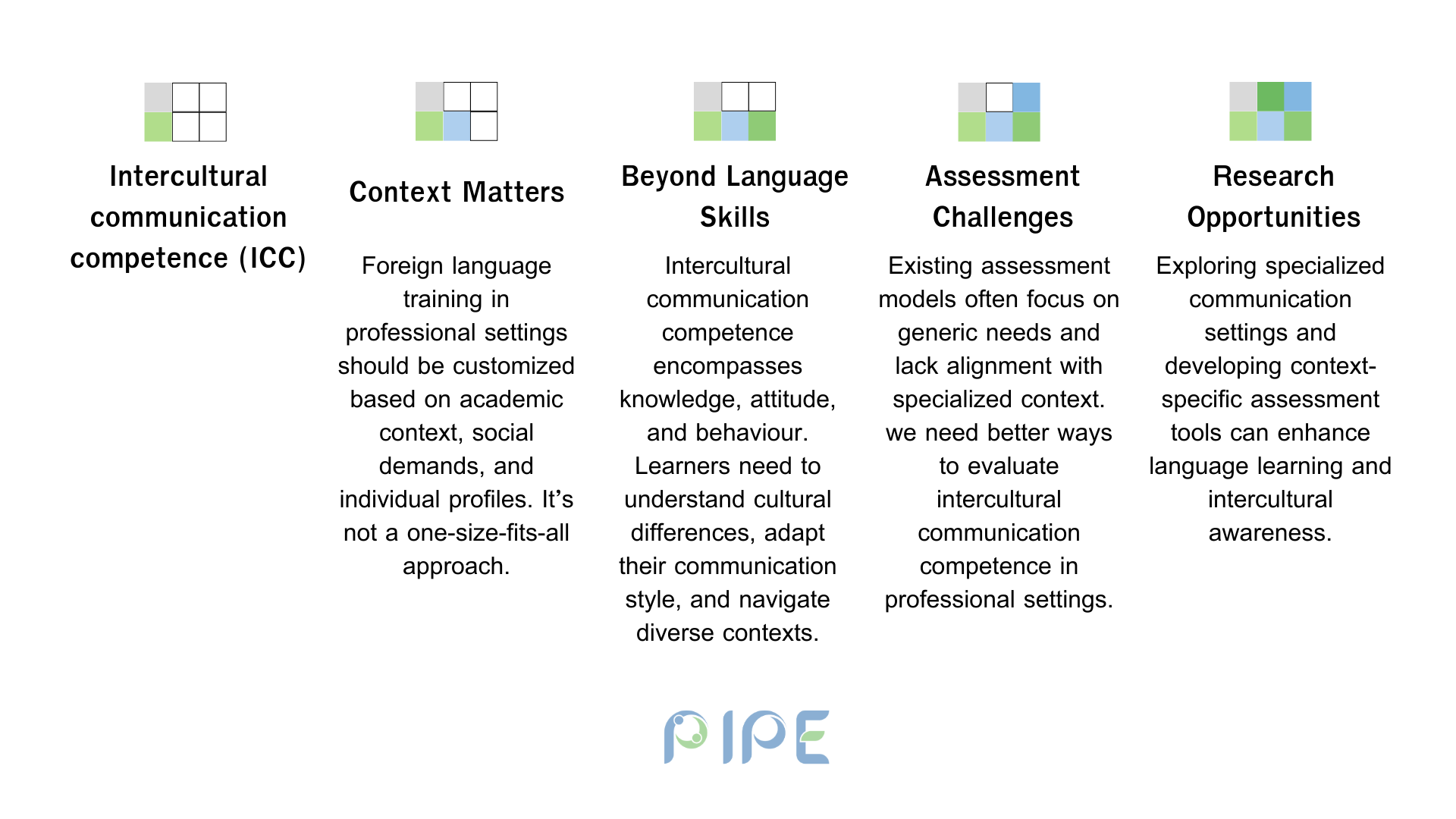
Intercultural communication competence encompasses the knowledge, skills, and attitudes necessary to communicate effectively and appropriately across cultural boundaries. It involves recognizing and appreciating cultural differences, adapting one’s communication style, and demonstrating empathy and openness toward diverse perspectives. By cultivating this competence, professionals can build trust, establish rapport, and provide culturally sensitive services to individuals from various backgrounds. At its core, intercultural communication revolves around the recognition that culture profoundly shapes our perception of the world. Culture is a multifaceted tapestry woven from threads of language, values, beliefs, traditions, and social norms. It influences how we interpret verbal and nonverbal cues, how we express ourselves, and how we navigate relationships and conflicts.
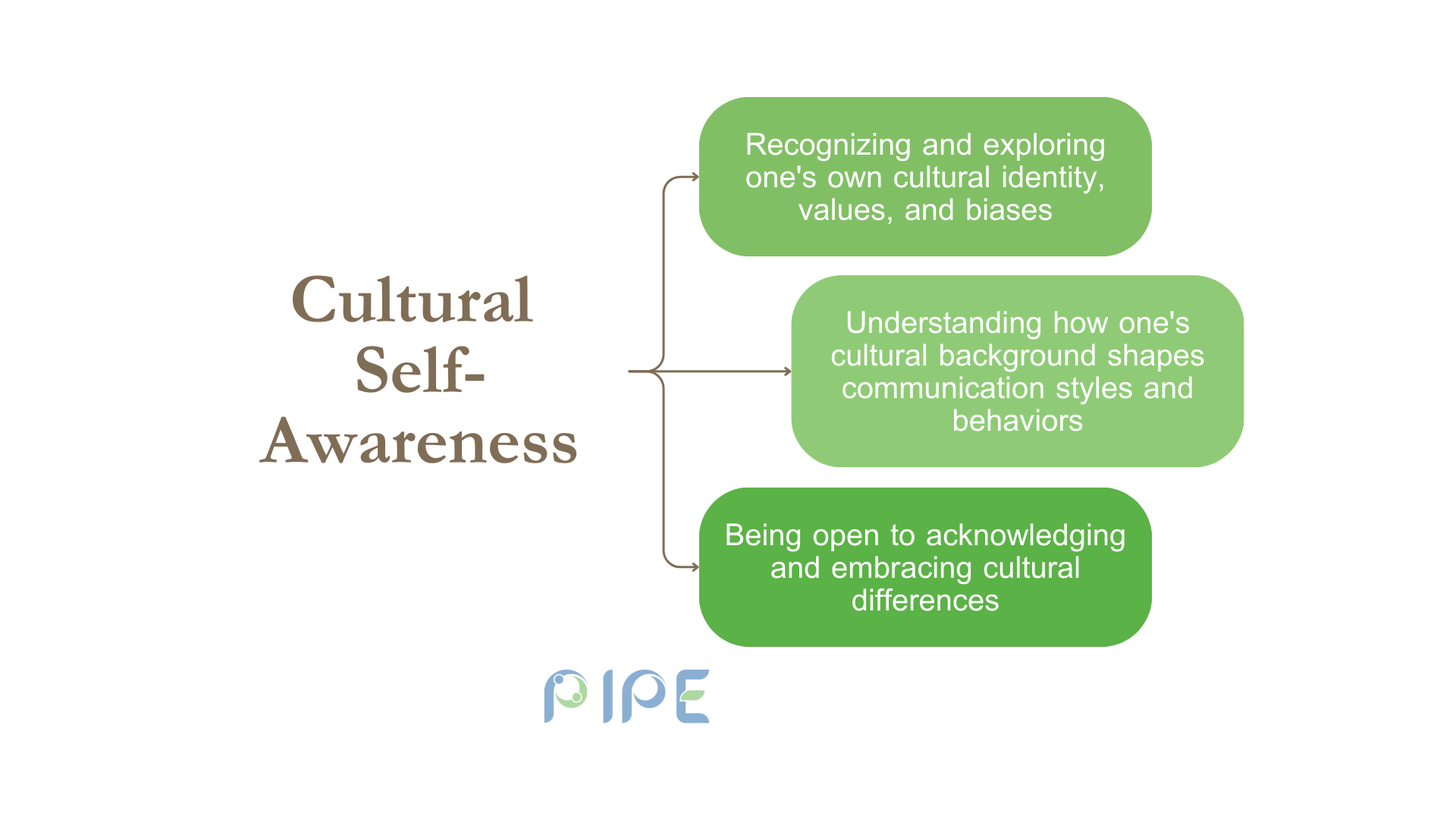
Effective intercultural communication begins with self-awareness – an understanding of our own cultural biases, assumptions, and values. We must acknowledge that our perspective is shaped by our lived experiences, and that others may view the world through a different lens. This self-reflection allows us to approach intercultural interactions with an open mind, ready to learn and adapt.
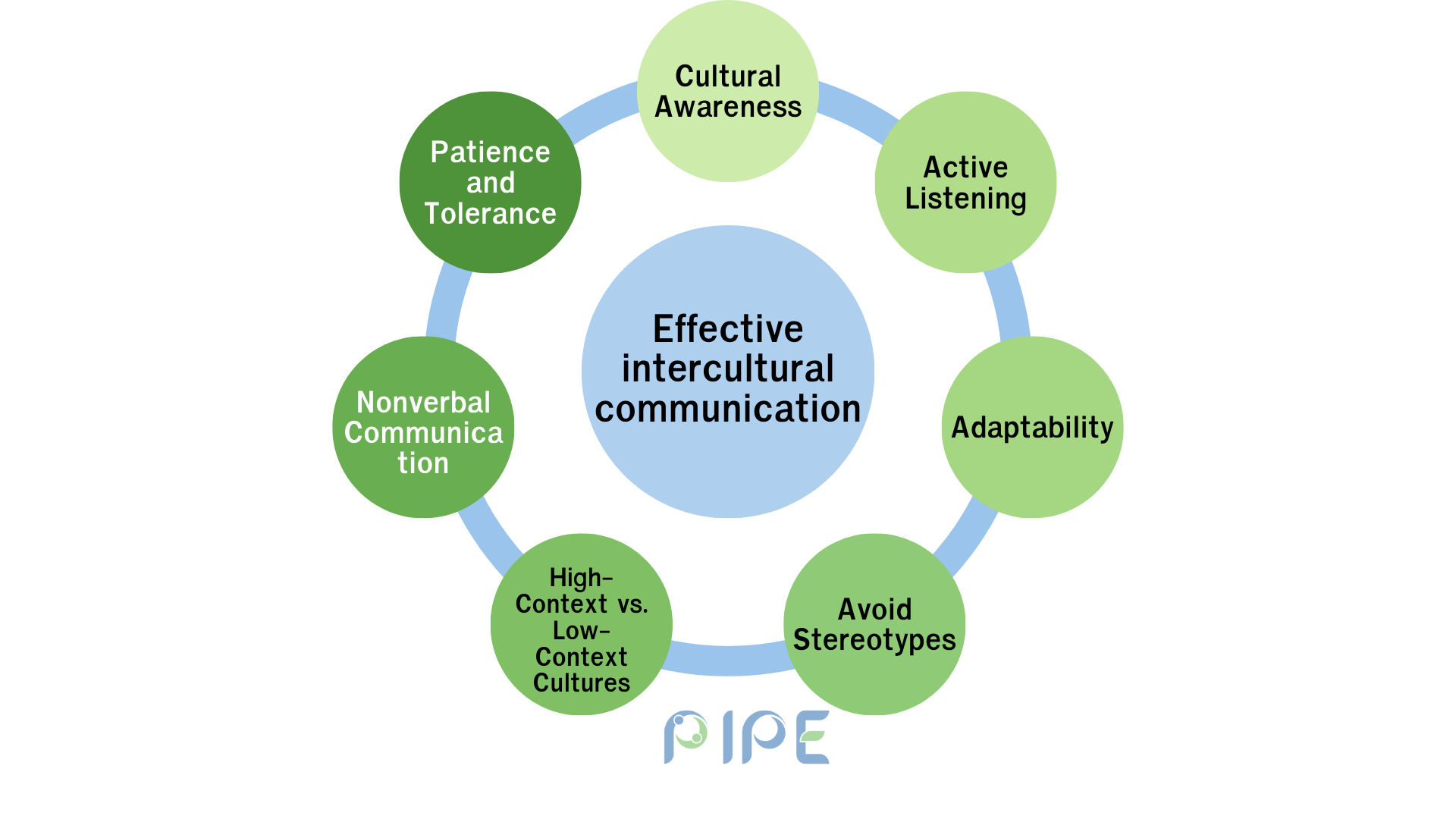
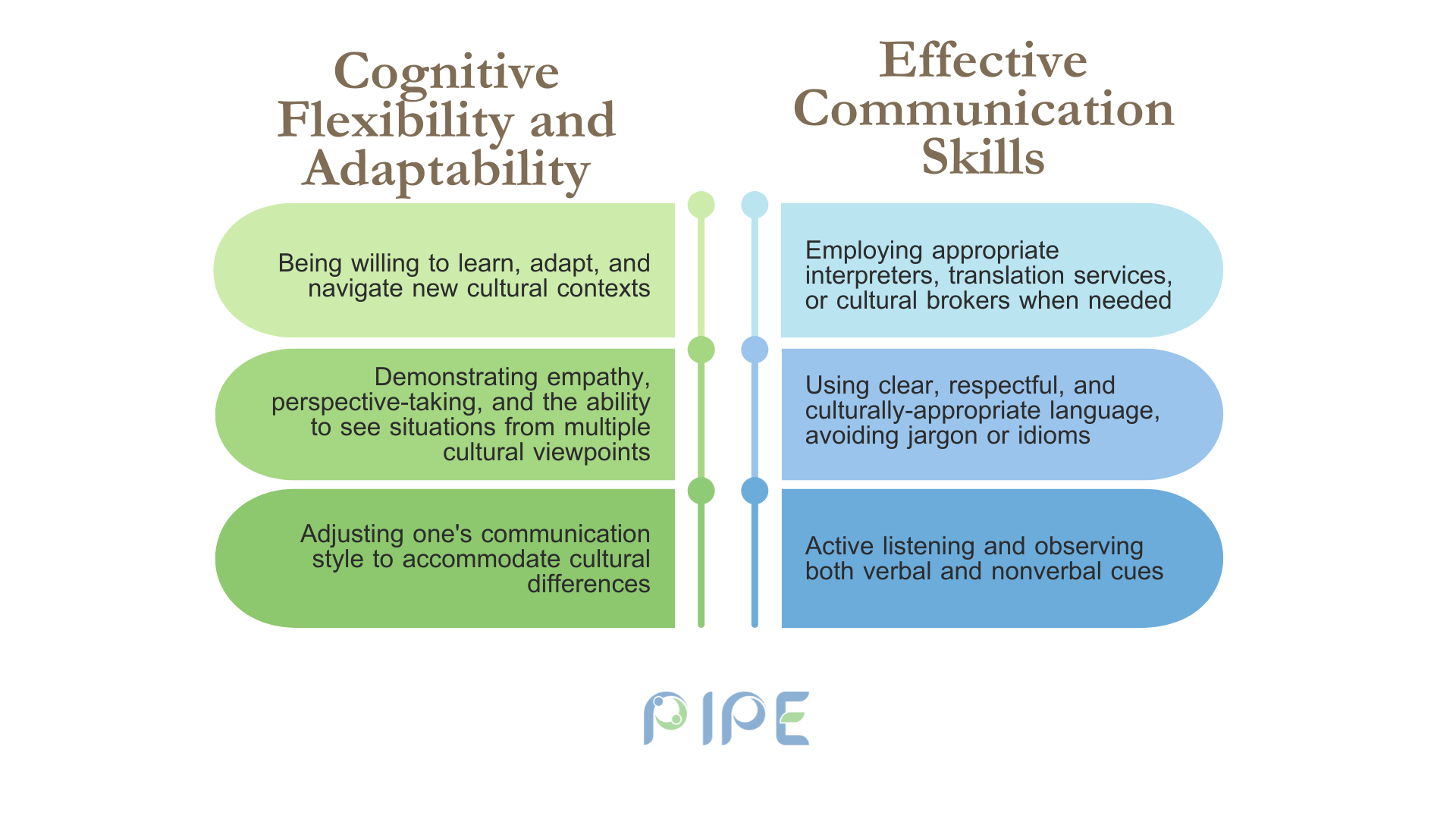
Active listening is a crucial component of intercultural communication. It involves more than just hearing the words spoken; it requires attentiveness to nonverbal cues, tone, and context. By truly listening, we demonstrate respect and create an environment conducive to mutual understanding.
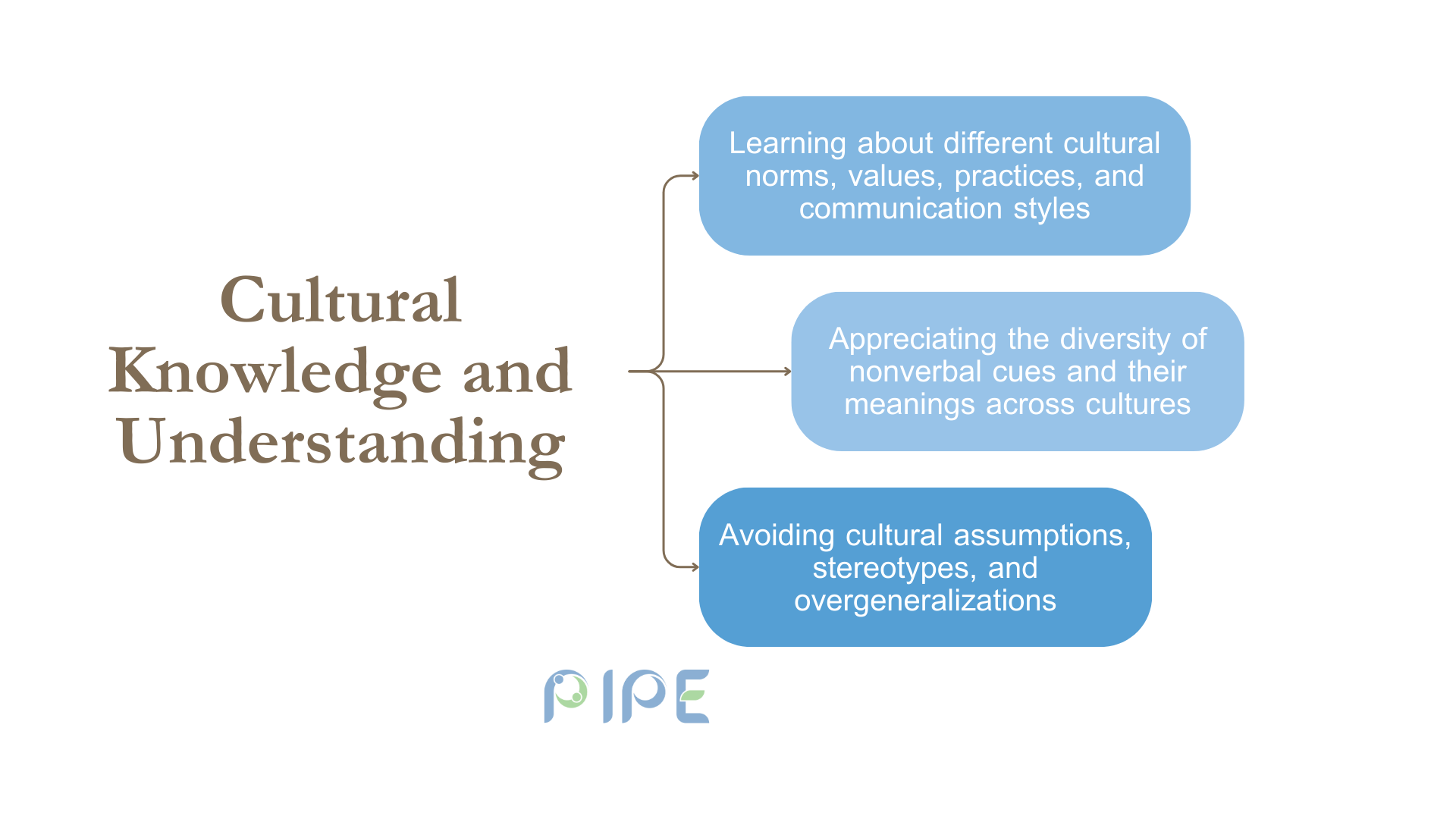
Another key aspect is the ability to adapt our communication style to different cultural contexts. What may be considered appropriate or polite in one culture could be perceived as rude or offensive in another. For instance, the concept of personal space, eye contact, and gestures can vary significantly across cultures. Effective intercultural communicators are adept at recognizing and navigating these nuances.
Language barriers can pose significant challenges in intercultural communication. While learning the language of others is ideal, it is not always feasible. In such cases, using clear and simple language, avoiding idioms or colloquialisms, and seeking clarification when needed can bridge the gap. Additionally, enlisting the services of skilled interpreters or translators can facilitate smoother interactions.
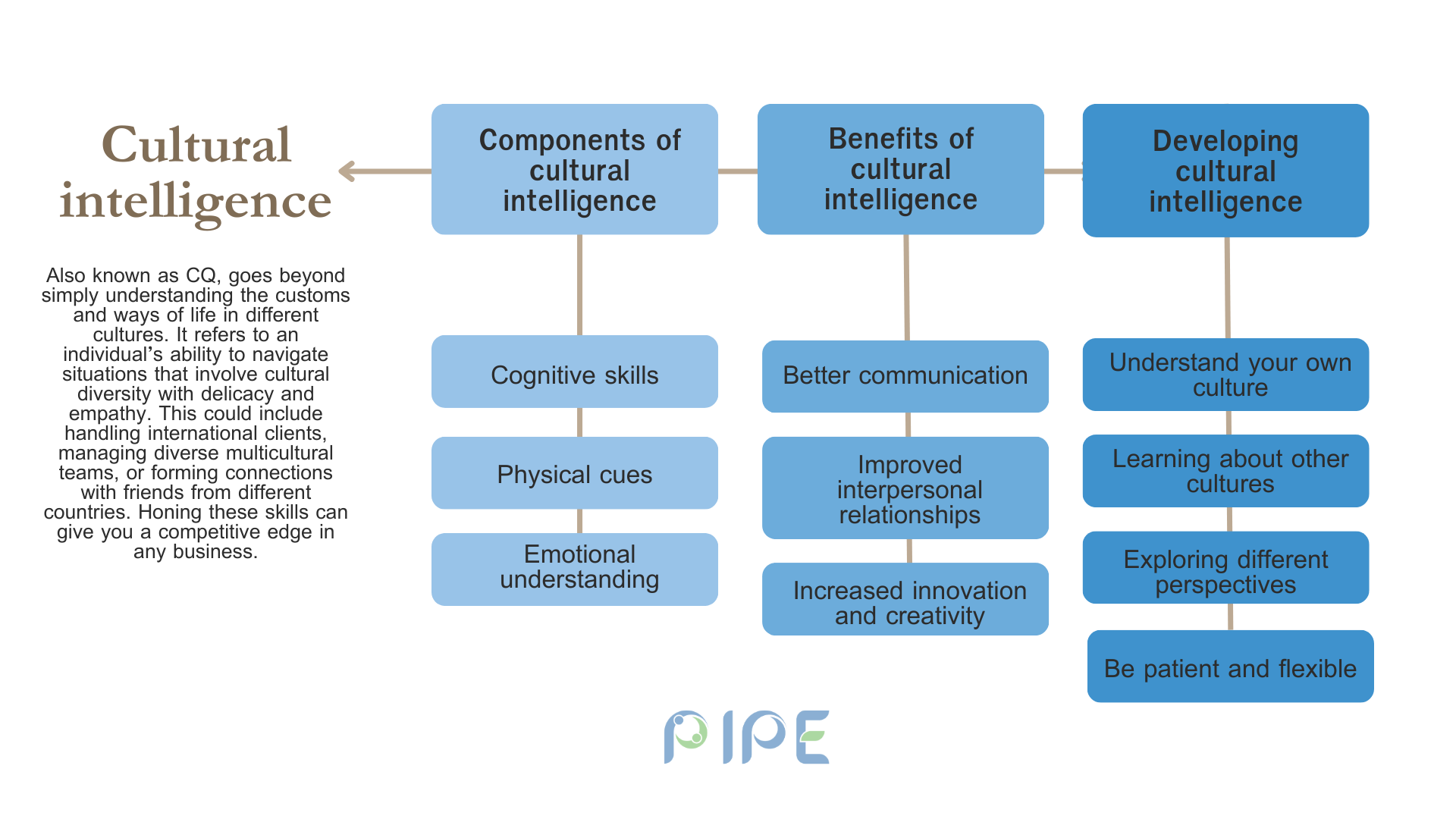
Developing cultural intelligence – the ability to understand and adapt to different cultural contexts – is a lifelong journey. It involves continuous learning, openness to new perspectives, and a genuine interest in understanding others. Reading about different cultures, participating in cultural events, and seeking out diverse experiences can all contribute to this growth.
Ultimately, successful intercultural communication fosters mutual respect, understanding, and cooperation. It allows us to appreciate the richness of diversity while recognizing our shared humanity. In an increasingly globalized world, where cultures collide and intermingle, the ability to communicate across cultural boundaries is not just a luxury – it is a necessity.
By embracing intercultural communication, we can break down barriers, build bridges, and create a more inclusive and harmonious society. It is a skill that transcends personal and professional realms, enabling us to forge meaningful connections, resolve conflicts, and contribute to a more peaceful and prosperous world.
Key Components of Intercultural Communication Competence
Strategies for Effective Intercultural Communication
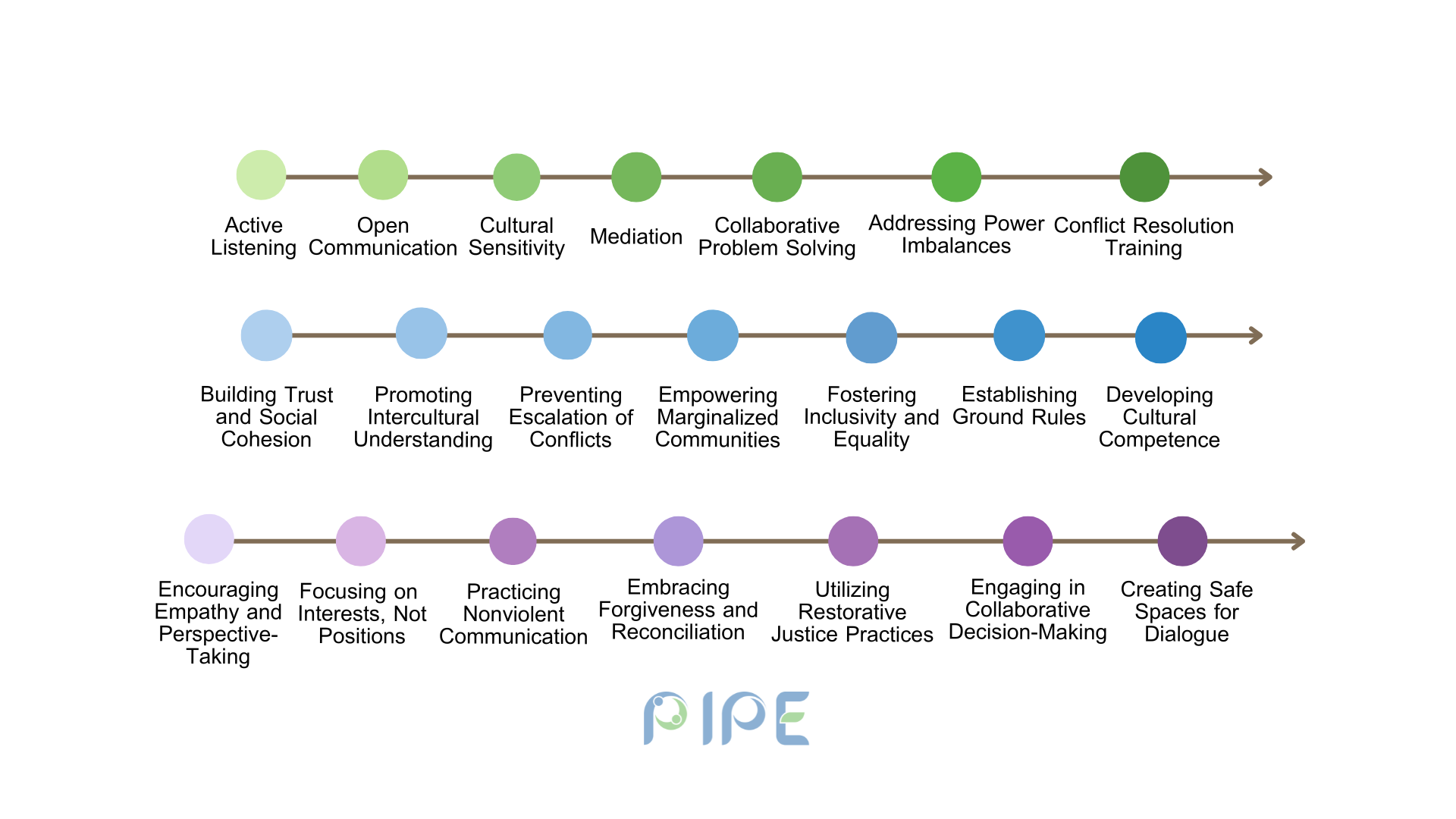
Navigating the intricate landscape of cultural diversity requires a thoughtful and intentional approach to communication. Effective intercultural communication hinges on cultivating a profound cultural awareness, fostering an inclusive environment, and adapting our styles to bridge cultural divides.
The journey begins with engaging in a process of cultural self-reflection, exploring our own cultural identities and biases. This introspective endeavour lays the foundation for learning about the rich tapestry of cultural backgrounds, values, and practices that shape the individuals and communities we interact with. Participating in cultural sensitivity training, workshops, or intercultural communication courses can further deepen our understanding and equip us with invaluable tools for cross-cultural engagement.
Creating an inclusive environment is paramount to fostering meaningful dialogue and mutual learning. By demonstrating genuine respect, appreciation, and openness towards cultural diversity, we establish a safe space for open dialogue and the sharing of cultural perspectives. Encouraging active participation from all members, regardless of their cultural backgrounds, not only enriches the collective experience but also nurtures a sense of belonging and mutual understanding.
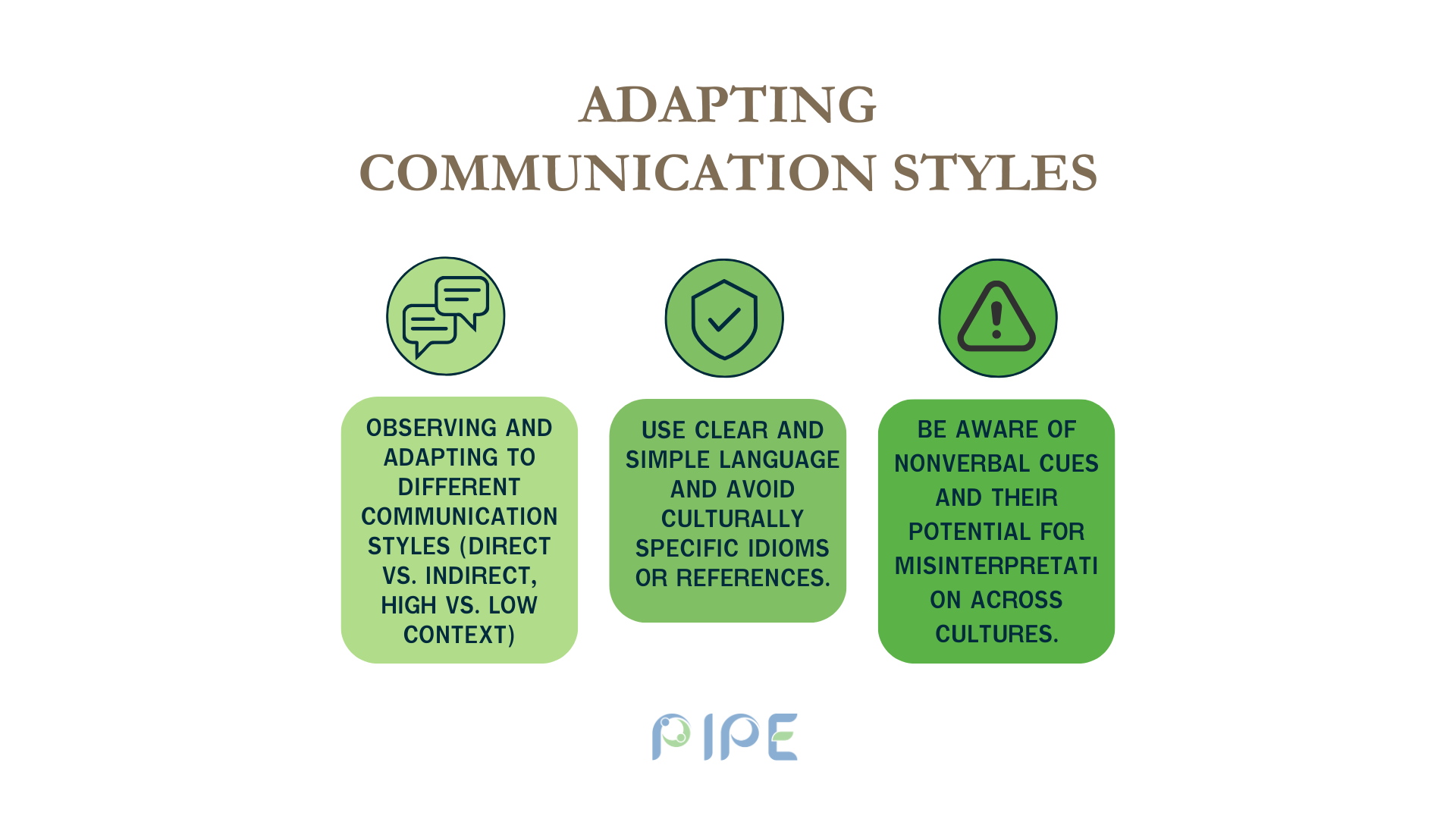
Adapting our communication styles is a critical aspect of effective intercultural interactions. Observing and adapting to different communication styles, whether direct or indirect, high or low context, is essential. Using simple language, avoiding idioms or culturally specific references, and being mindful of nonverbal cues and their meanings across cultures can significantly enhance mutual comprehension.
Active listening and empathy form the bedrock of successful intercultural communication. By listening attentively without interrupting or making assumptions, we demonstrate a genuine interest in understanding others’ perspectives, experiences, and cultural contexts. Validating feelings and exhibiting empathy through verbal and nonverbal cues foster trust and create an environment conducive to open and honest dialogue.
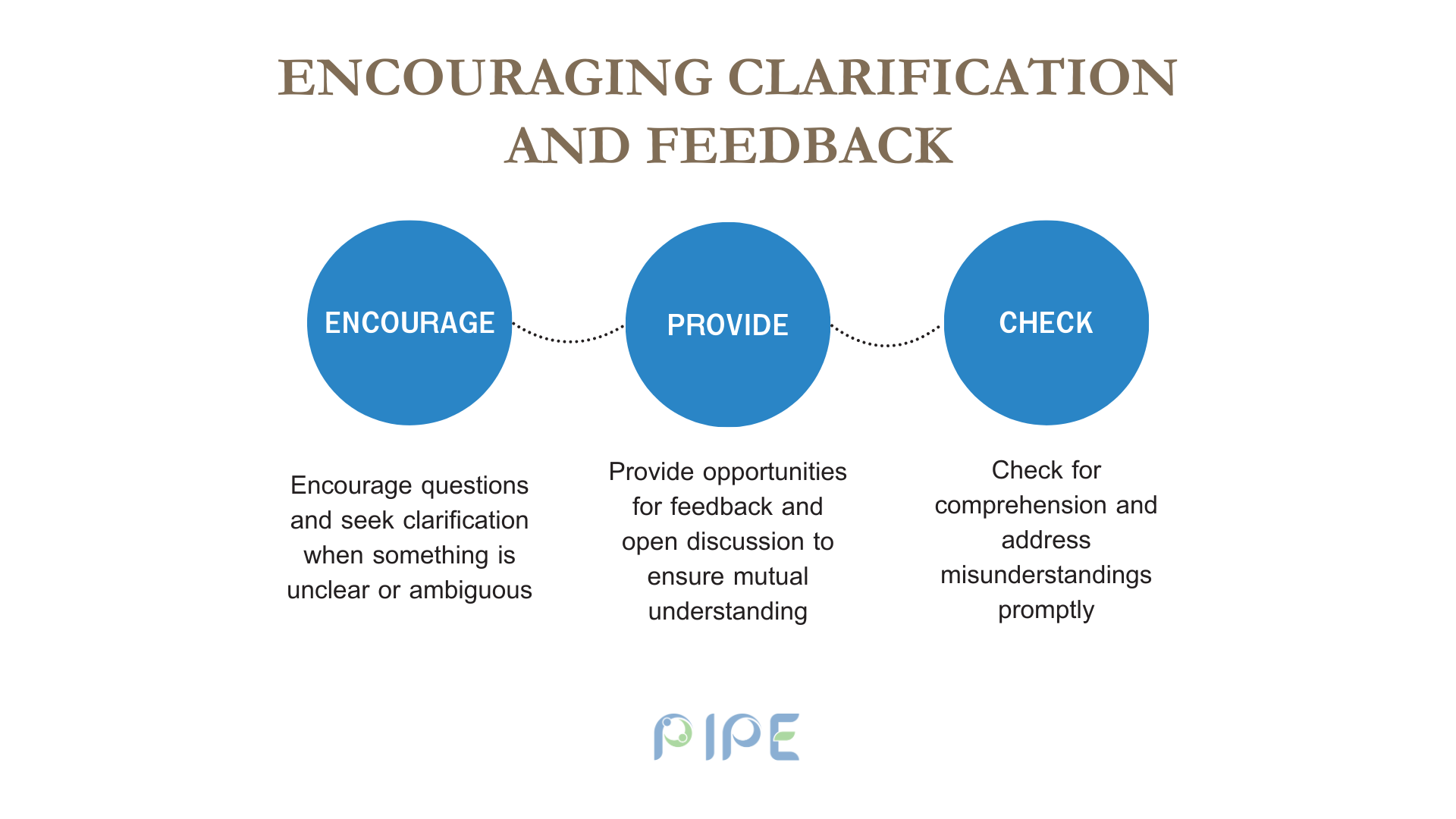
Seeking clarification and providing constructive feedback are crucial components of this process. Encouraging questions, feedback, and open discussion ensures mutual understanding and addresses any misunderstandings or misinterpretations promptly. When language or cultural barriers exist, working with qualified interpreters, cultural brokers, or mediators can bridge the gap, facilitating clear communication and fostering a deeper appreciation for cultural nuances.
Ultimately, embracing cultural humility is the cornerstone of effective intercultural communication. Recognizing that cultural learning is an ongoing process and approaching intercultural interactions with humility, openness, and a willingness to learn from others are vital. Acknowledging and addressing personal biases, assumptions, and areas for growth cultivates an environment of mutual respect and understanding, paving the way for meaningful cross-cultural connections and collaborations.
Strategies for managing conflicts and communicating effectively in multicultural environments
Understanding the nature of conflict in multicultural societies
In modern societies, multicultural environments have become the norm rather than the exception. As individuals from diverse cultural backgrounds come together, whether in professional settings, educational institutions, or community spaces, the potential for misunderstandings, conflicts, and communication barriers naturally arises. Cultural differences can manifest in myriad ways, from contrasting approaches to conflict resolution to varying interpretations of verbal and nonverbal cues.
In such scenarios, the ability to navigate cultural differences with sensitivity, empathy, and a willingness to learn becomes paramount. It is a journey that requires a genuine commitment to fostering an environment of mutual understanding and respect, where diversity is celebrated and embraced as a source of strength rather than a point of contention.
The first step in this approach is to cultivate cultural awareness and understanding within the team or organization. Providing cultural sensitivity training and creating opportunities for open dialogue can shed light on the diverse conflict resolution styles, communication patterns, and cultural nuances that shape everyone’s perspective. By encouraging the sharing of cultural narratives and experiences, team members can develop empathy and appreciation for the richness of diversity that surrounds them.
Clear communication protocols and guidelines are essential for establishing a common foundation upon which effective cross-cultural communication can thrive. This may involve agreeing on a shared language for formal discussions, establishing protocols for the use of interpreters or cultural brokers, and clarifying expectations and procedures for addressing and resolving conflicts.
However, true understanding transcends mere protocols; it requires a genuine commitment to active listening and perspective-taking. In multicultural environments, the ability to listen without judgment, to seek to comprehend the cultural context underlying each viewpoint, and to validate the feelings and concerns of all parties involved is paramount. By embracing a collaborative approach to problem-solving, where all voices are heard and valued, teams can identify common ground and work towards solutions that resonate with the diverse perspectives present.
In instances where conflicts escalate or reach an impasse, involving a neutral third-party mediator can be a powerful tool. However, it is crucial to ensure that the mediator is not only skilled in conflict resolution, but also culturally competent and respected by all parties involved. Adhering to established mediation protocols and fostering an environment of trust and open communication can pave the way for productive dialogue and mutually agreeable resolutions.
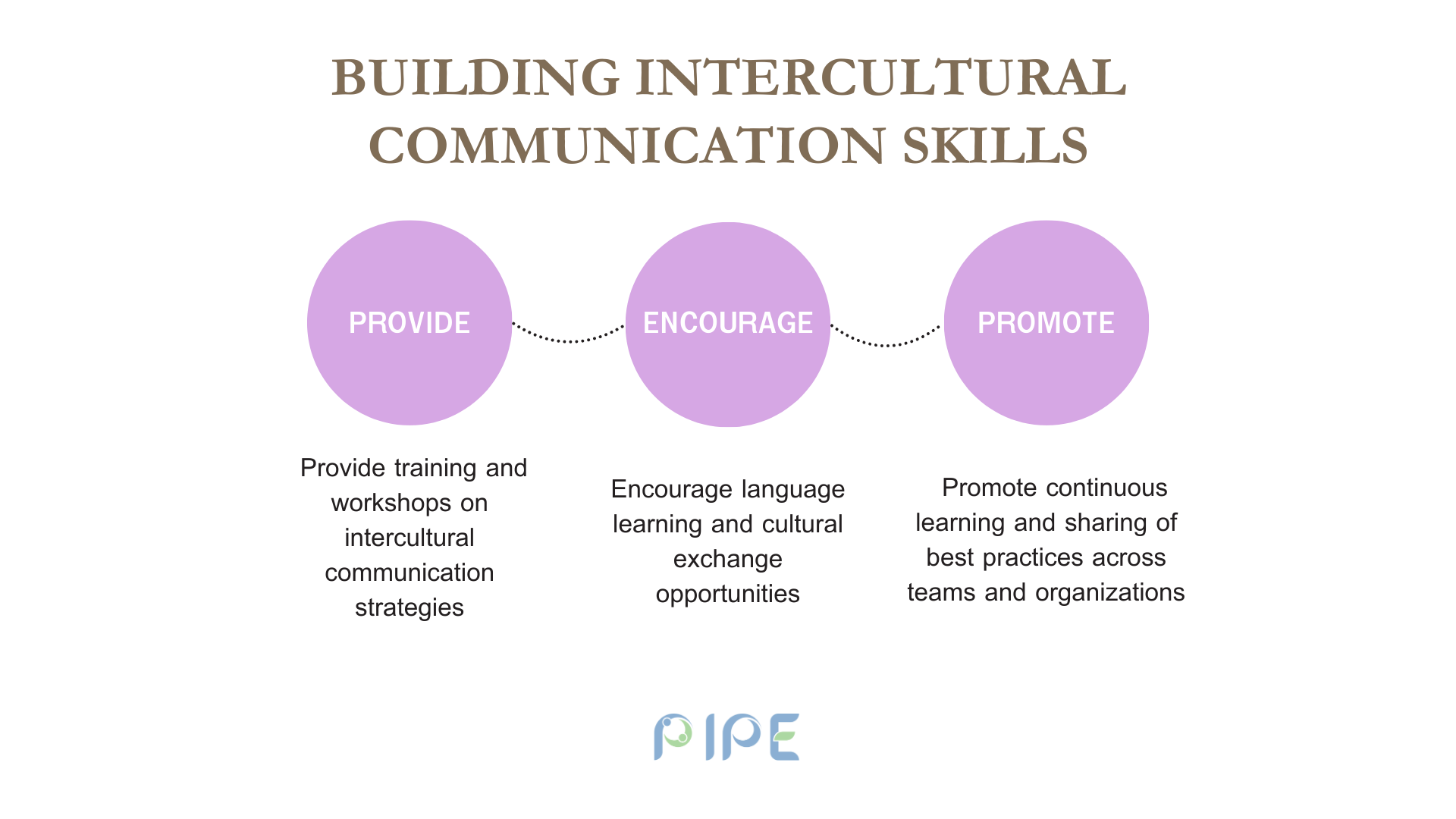
Throughout this journey, continuous learning and adaptation are essential. Encouraging ongoing training and professional development in intercultural communication and conflict resolution can equip team members with the tools and strategies necessary to navigate cultural complexities effectively. Regularly reviewing and adapting policies and procedures to address emerging challenges can foster a culture of continuous improvement and responsiveness to the ever-evolving dynamics of multicultural environments.
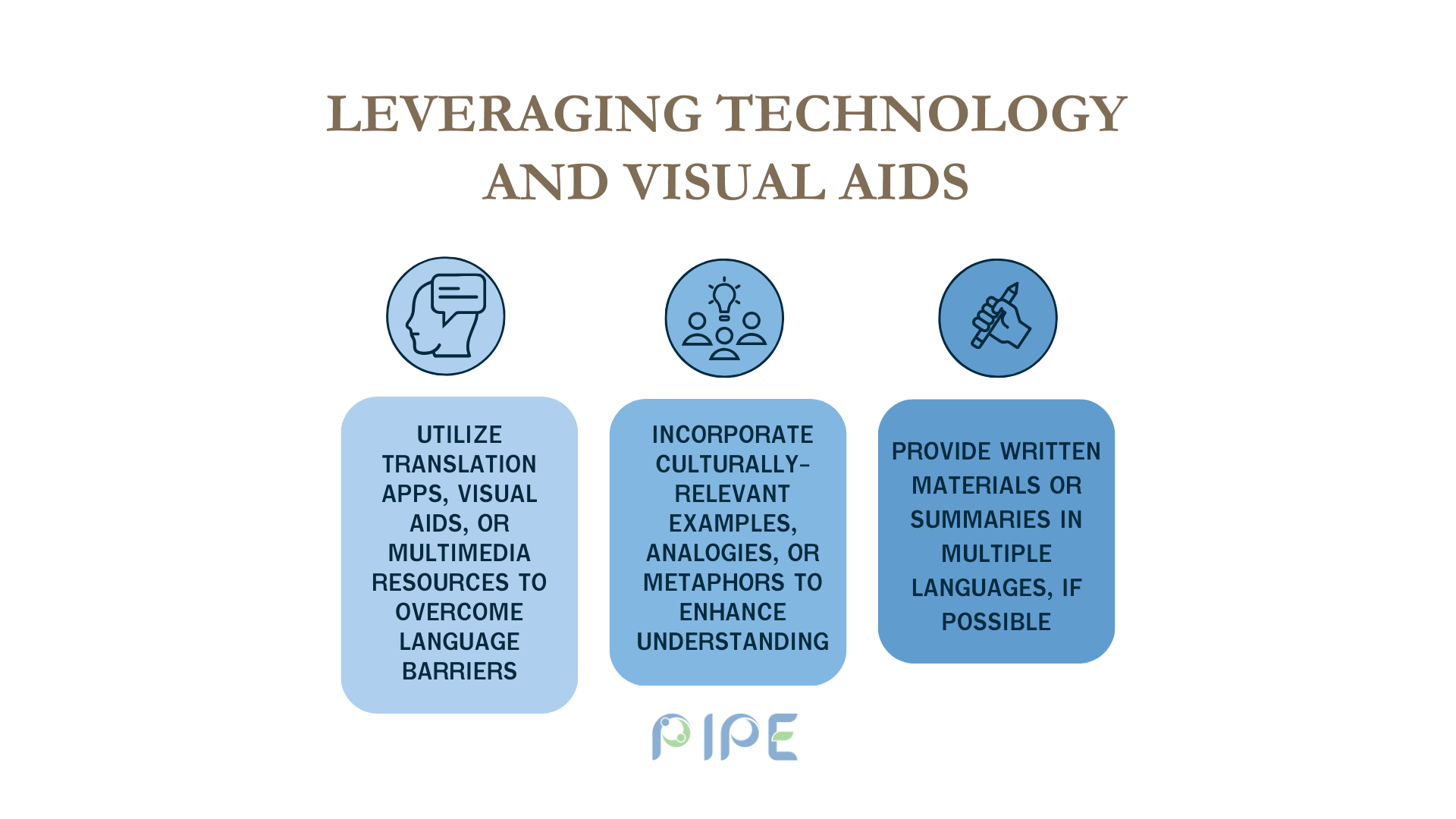
Effective communication in multicultural settings requires a delicate balance of adapting one’s communication style while respecting and accommodating the diverse communication preferences of others. It may involve using clear, simple language, avoiding idioms or culturally specific references, and being mindful of nonverbal cues and their potential for misinterpretation across cultures. Leveraging technology, visual aids, and multimedia resources can also prove invaluable in overcoming language barriers and enhancing understanding.
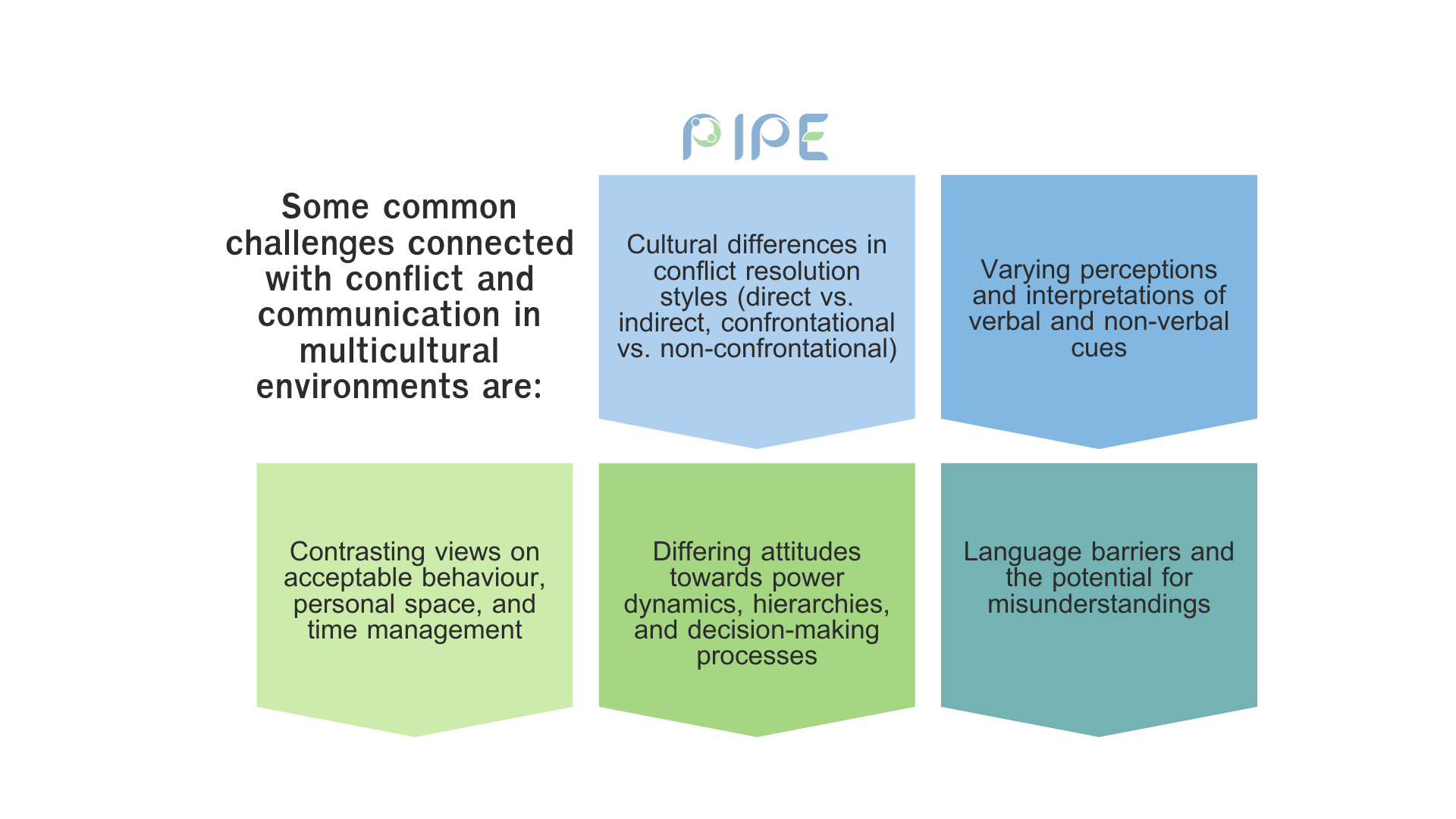
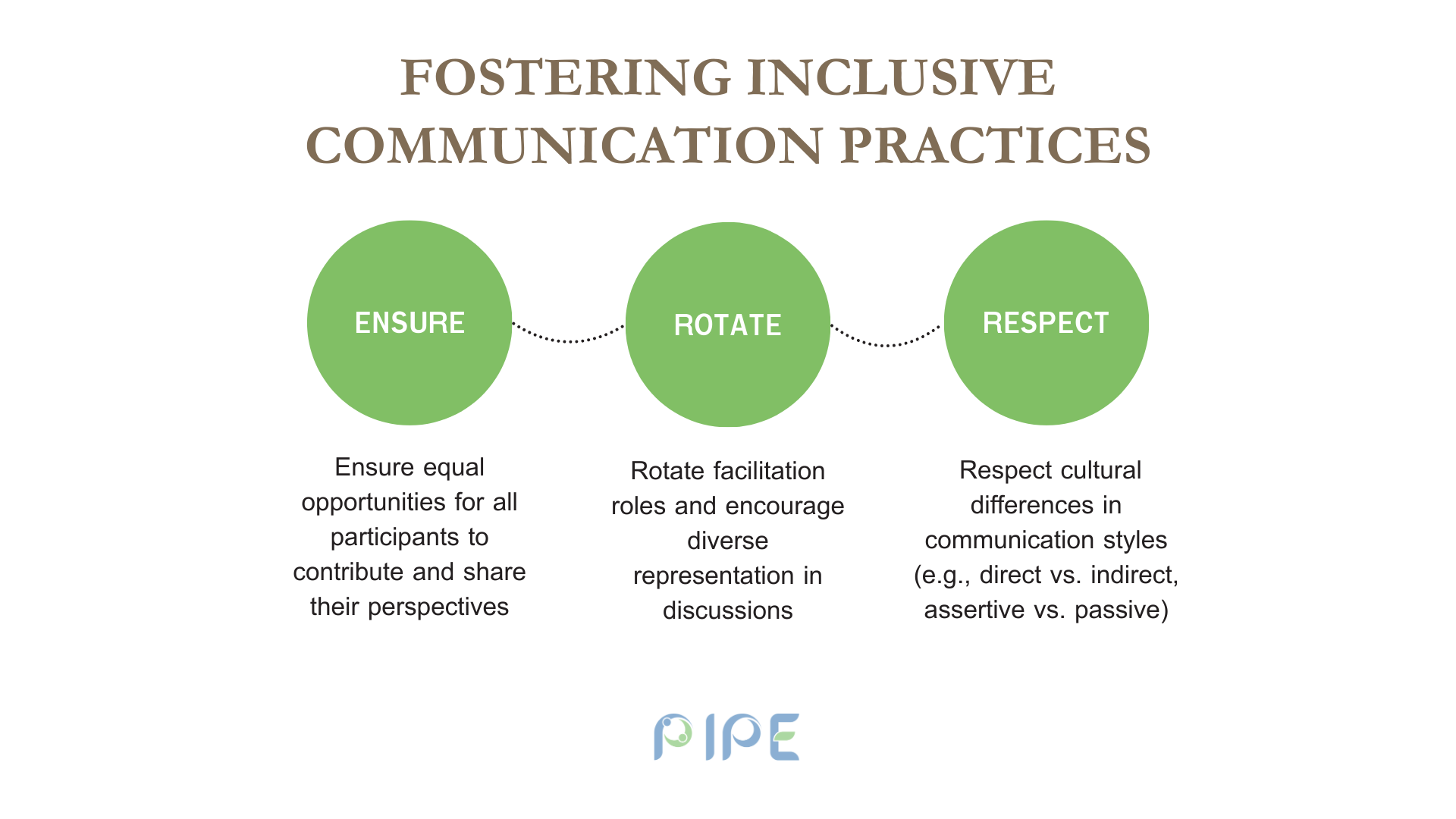
Ultimately, fostering inclusive communication practices is key. Ensuring equal opportunities for all participants to contribute and share their perspectives, rotating facilitation roles, and respecting cultural differences in communication styles can create an environment where diverse voices are heard and valued. We must understand that this comprehensive approach towards effective conflict management and communication in multicultural environments is not without its challenges, but the rewards are invaluable. By embracing cultural diversity as a strength, cultivating empathy and understanding, and fostering inclusive and respectful spaces, teams and organizations can unlock the transformative power of collaboration, innovation, and growth that stems from the richness of human diversity.
Strategies for Managing Conflicts in Multicultural Environments
Conflict belongs to human nature and it is unavoidable in modern multicultural societies, however it is in our hand, and in our collective responsibility to create strategies and mechanisms to managing and controlling potential conflicts by building communicational bridges and strengthening strategies as for example:
Promoting Cultural Awareness and Understanding
- Provide cultural sensitivity training and education on different conflict resolution styles
- Encourage open dialogue and sharing of cultural perspectives on conflict management
- Foster an environment of respect, empathy, and willingness to learn from diverse viewpoints
Establishing Clear Communication Protocols
- Develop guidelines for effective communication, including the use of interpreters or cultural brokers
- Agree on a common language or establish a language policy for formal meetings or discussions
- Clarify expectations and procedures for addressing and resolving conflicts
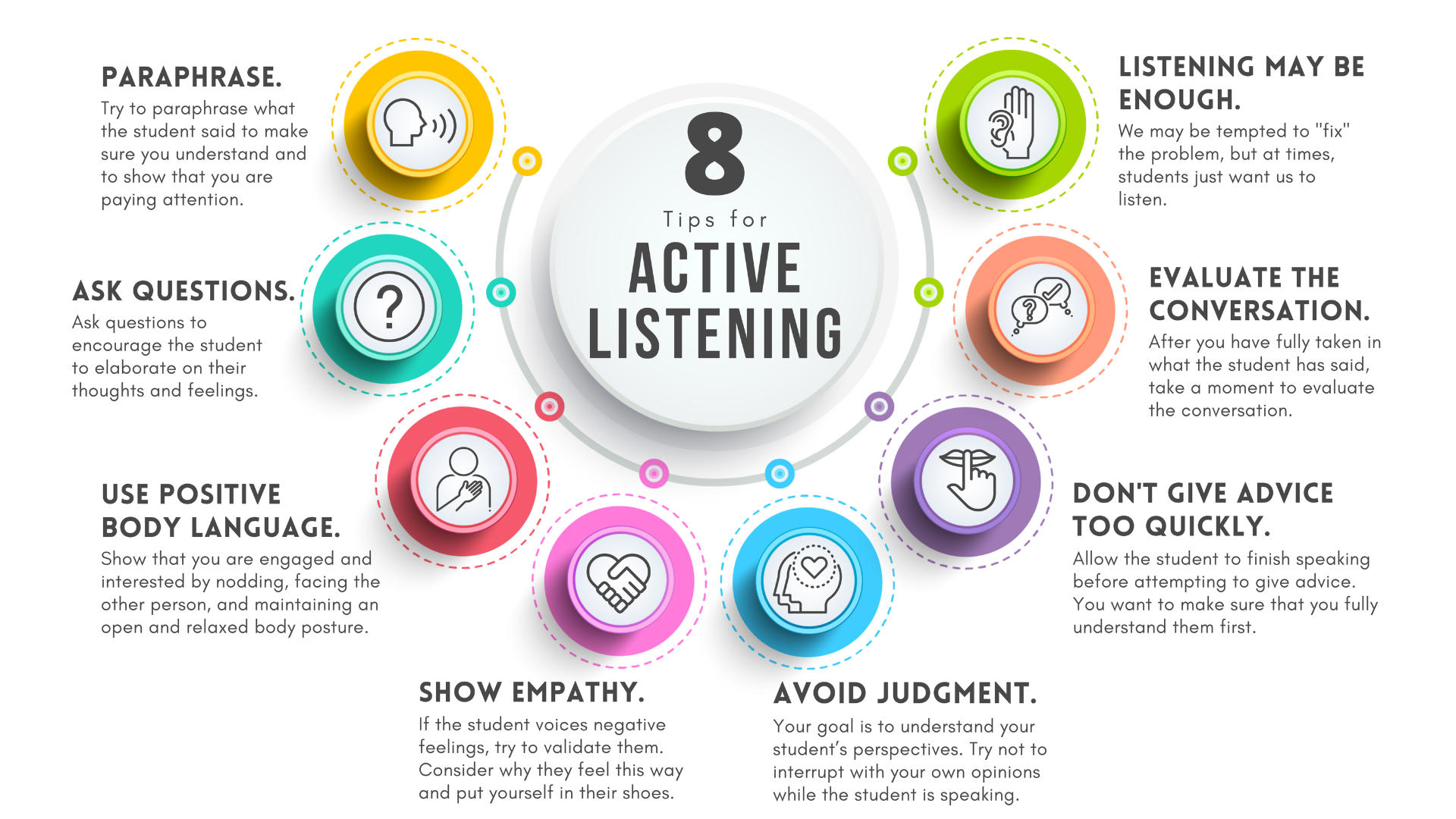
Practicing Active Listening and Perspective-Taking
- Actively listen to all parties involved, without interrupting or making premature judgments
- Seek to understand the cultural context and perspectives underlying each viewpoint
- Validate and acknowledge the feelings and concerns of all parties
Encouraging Collaborative Problem-Solving
- Facilitate open discussions and brainstorming sessions to explore potential solutions
- Embrace a collaborative approach, where all parties have a voice and input in the decision-making process
- Identify common ground and focus on shared goals or interests
Involving Neutral Third-Party Mediators
- When conflicts escalate or reach an impasse, consider involving a neutral third-party mediator
- Ensure the mediator is culturally competent and respected by all parties involved
- Adhere to established mediation protocols and procedures
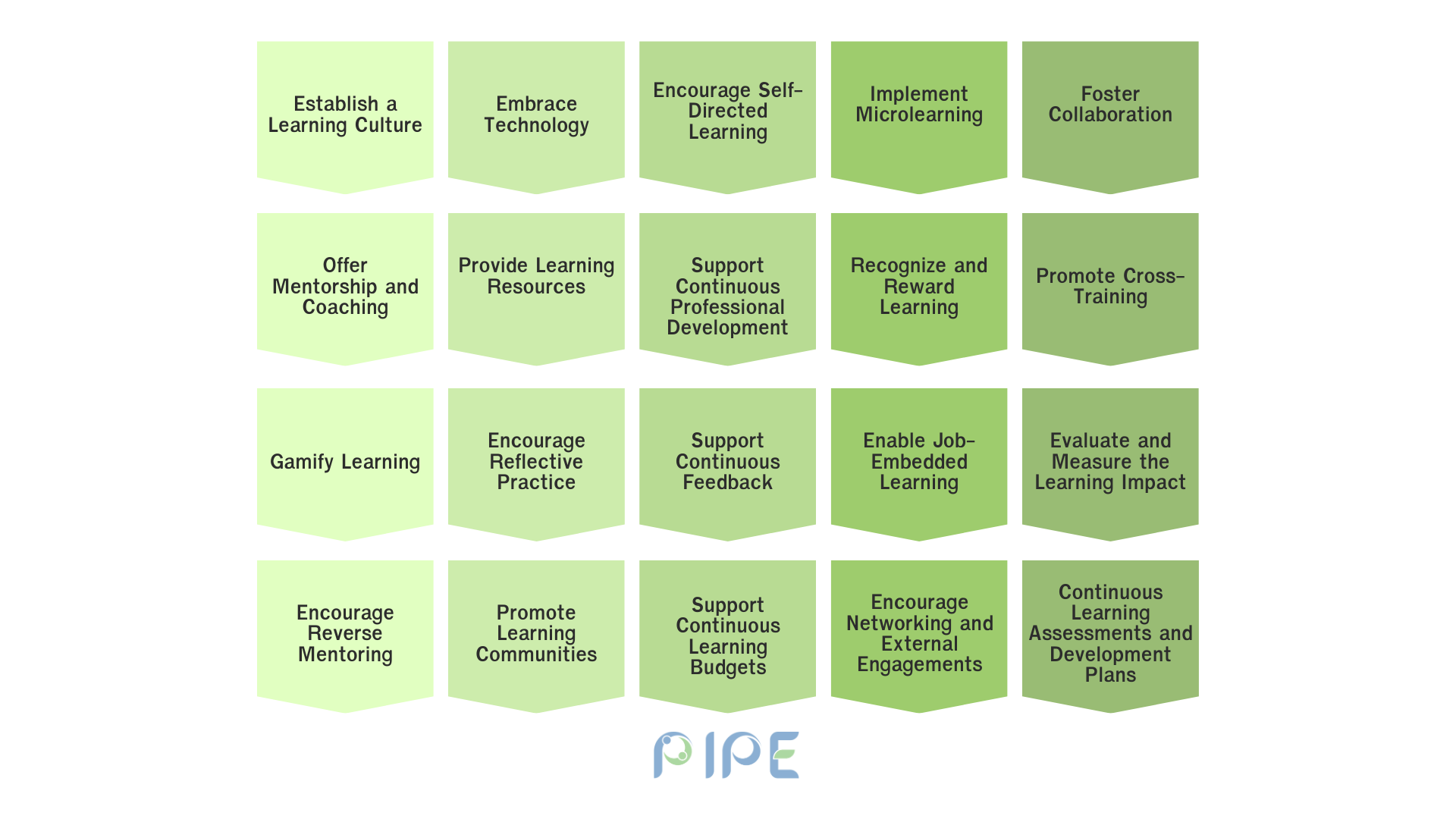
Fostering Continuous Learning and Adaptation
- Encourage ongoing training and professional development in intercultural communication and conflict resolution
- Regularly review and adapt policies and procedures to address emerging challenges
- Celebrate successes and share best practices for managing conflicts in multicultural environments
Strategies for Effective Communication in Multicultural Environments
Deeply connected with the success of strategies to manage potential conflicts are the mechanisms to ensure and endorse effective communication between the actors of multicultural environments. Below in some insight into this matter:
Activities to promote empathy and sensitivity to different cultural perspectives
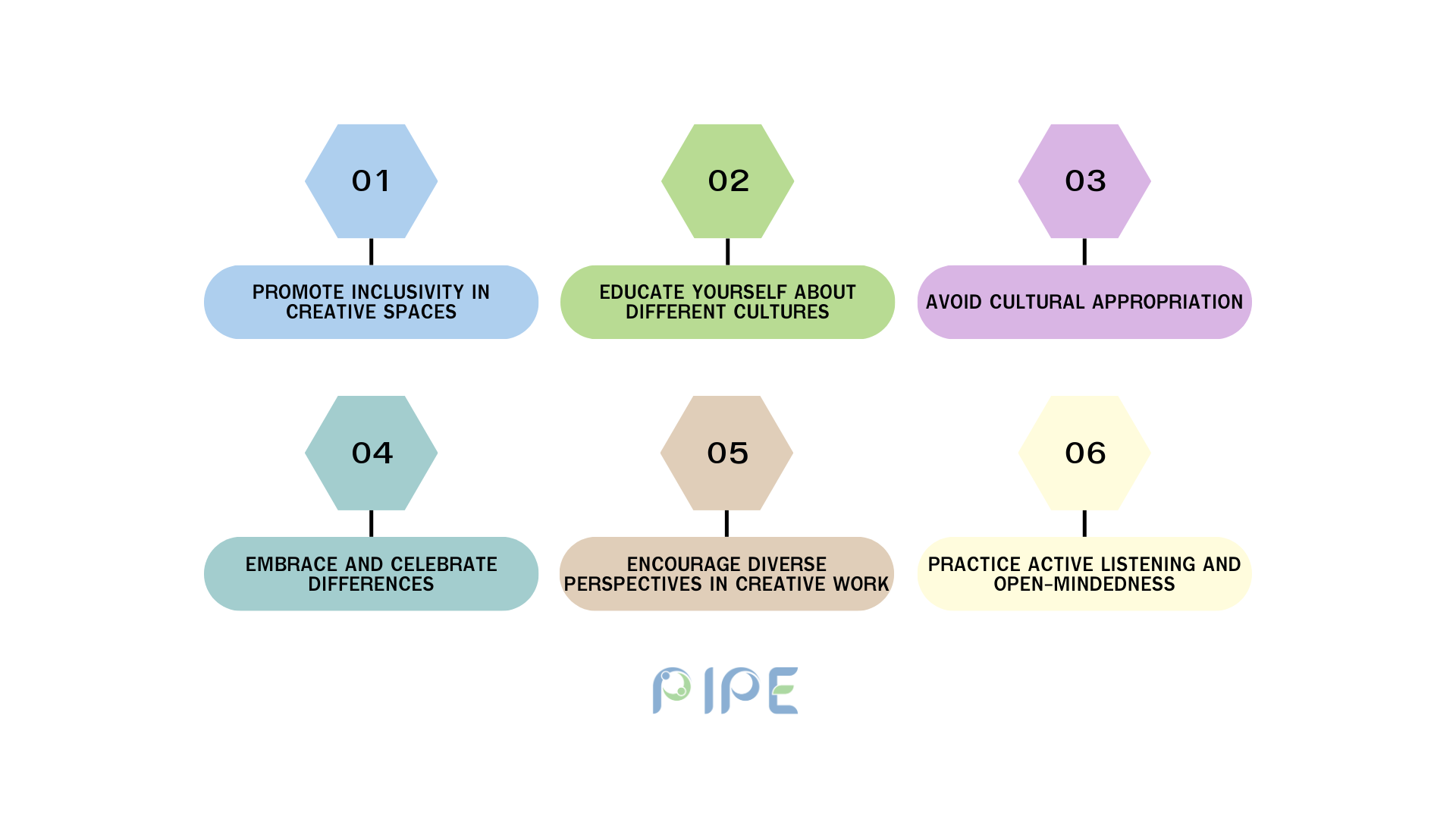
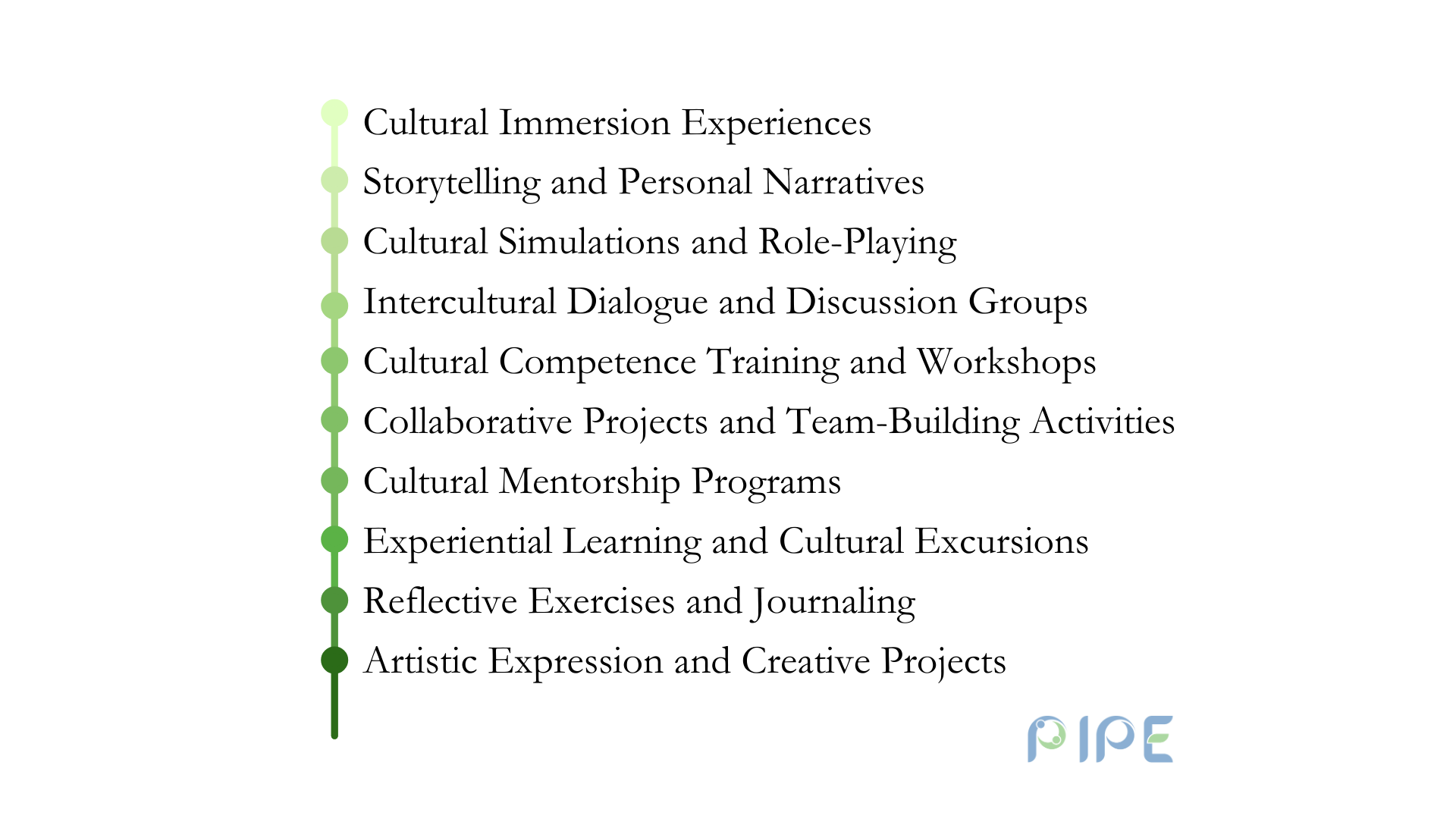
Empathy, the capacity to recognize and share the thoughts, emotions, and experiences of others, lies at the heart of effective cross-cultural communication and collaboration. By fostering empathy and cultural sensitivity, we can bridge divides, build stronger connections, and create environments that celebrate diversity and inclusivity. The path to empathy and cultural sensitivity begins with self-awareness and a willingness to challenge our own biases and assumptions. It is a journey that requires us to step outside our comfort zones, embrace the unfamiliar, and approach diverse perspectives with an open mind and a genuine desire to learn. Engaging in activities that promote empathy and cultural sensitivity can be a powerful catalyst for personal growth and transformation. These activities not only expand our knowledge and understanding of different cultures but also challenge us to confront our preconceptions and to see the world through a new lens. Here is a toolkit of activities designed to cultivate empathy and cultural sensitivity, suitable for both professional and personal settings:
| Cultural Immersion Experiences | Immersing oneself in a different cultural environment can be a profoundly transformative experience. Participating in cultural festivals, attending community events, or even exploring ethnic neighbourhoods can provide valuable insights into the rich tapestry of traditions, customs, and ways of life that exist within our communities. These experiences can foster a deeper appreciation for cultural diversity and challenge our preconceived notions.
|
| Storytelling and Personal Narratives | Storytelling has been a powerful tool for human connection and understanding throughout history. Inviting individuals from diverse backgrounds to share their personal narratives, experiences, and cultural perspectives can be a powerful way to promote empathy and cultural sensitivity. By listening to these stories, we gain a deeper understanding of the challenges, triumphs, and unique perspectives that shape each individual’s journey.
|
| Cultural Simulations and Role-Playing | Cultural simulations and role-playing activities can provide participants with an immersive experience that challenges them to navigate unfamiliar cultural contexts and situations. These activities can be designed to simulate real-world scenarios, such as cross-cultural negotiations, conflict resolution, or service delivery in diverse settings. By stepping into the shoes of others, participants can develop a deeper appreciation for the complexities of cultural differences and the importance of effective cross-cultural communication.
|
| Intercultural Dialogue and Discussion Groups | Creating safe and inclusive spaces for intercultural dialogue and discussion can be a powerful way to promote empathy and cultural sensitivity. These groups can bring together individuals from diverse backgrounds to share their experiences, perspectives, and cultural values. By actively listening, asking questions, and engaging in respectful dialogue, participants can gain a deeper understanding of different worldviews and challenge their assumptions.
|
| Cultural Competence Training and Workshops | Professional development opportunities, such as cultural competence training and workshops, can provide valuable insights and practical strategies for navigating cultural differences in various settings. These training sessions can cover topics such as cultural awareness, unconscious bias, effective cross-cultural communication, and conflict resolution in multicultural environments. By equipping individuals with the knowledge and skills necessary to interact effectively across cultures, these training programs can foster a more inclusive and empathetic workforce.
|
| Collaborative Projects and Team-Building Activities | Engaging in collaborative projects and team-building activities that celebrate diversity can be a powerful way to promote empathy and cultural sensitivity. These activities can bring together individuals from diverse backgrounds to work towards a common goal, fostering an environment of mutual respect, understanding, and appreciation for the unique perspectives and strengths that each team member brings to the table.
|
| Cultural Mentorship Programs | Cultural mentorship programs can provide valuable opportunities for individuals to learn from and connect with mentors from diverse cultural backgrounds. These programs can facilitate cross-cultural exchanges, where mentors share their cultural experiences, traditions, and perspectives, while mentees gain a deeper appreciation for cultural diversity and develop skills in effective cross-cultural communication.
|
| Experiential Learning and Cultural Excursions | Experiential learning opportunities, such as cultural excursions, can immerse participants in new environments and provide firsthand experiences with different cultures. These excursions can include visits to museums, historical sites, or cultural centers, as well as opportunities to interact with local communities and participate in traditional activities or customs. By engaging all of their senses, participants can gain a deeper appreciation for the richness and complexity of diverse cultural expressions.
|
| Reflective Exercises and Journaling | Incorporating reflective exercises and journaling into cultural sensitivity activities can encourage participants to process their experiences, thoughts, and emotions more deeply. Prompting individuals to reflect on their own biases, assumptions, and cultural lenses can foster greater self-awareness and openness to different perspectives. Journaling can also serve as a powerful tool for documenting personal growth, capturing insights, and tracking the development of empathy and cultural sensitivity over time.
|
| Artistic Expression and Creative Projects | Art and creative expression can serve as a powerful medium for exploring and celebrating cultural diversity. Engaging in artistic activities, such as storytelling through visual art, music, or dance, can provide a unique lens through which to understand and appreciate different cultural perspectives. Collaborative artistic projects can also foster teamwork, communication, and appreciation for the diverse talents and creative expressions within a group. |
Cultivating empathy and cultural sensitivity is an ongoing journey that requires commitment, patience, and a willingness to step outside of our comfort zones. By engaging in these activities, we can expand our horizons, challenge our preconceptions, and develop a deeper appreciation for the rich tapestry of human diversity that surrounds us. In this regard, it is important to note that these activities should be facilitated with care and sensitivity, creating safe and inclusive environments where participants feel comfortable sharing their experiences and perspectives. Cultural sensitivity should be modelled and reinforced throughout the process, ensuring that diverse perspectives are respected and celebrated.