You will find in this Chapter:
Trafficking in persons
Smuggling of human beings
Labour Exploitation
Racism
Scams
Gender-based violence (GBV)
Hate speech (Hate speech against migrants on social media)
Grooming for criminal acts
Recruitment to fundamentalist movements
Bubble question
Why is an understanding of the threats and pasts of migrants necessary?
Those involved in dialogue with migrants and refugees must consider and understand their past and the conditions they experienced. This understanding is critical to providing meaningful support since they are extremely vulnerable. Their experiences may include traumatic situations, such as financial hardship, neglect, social isolation, uprooting and uncertainty about the future, mourning for the loss of family and homeland, abuse (verbal, physical, psychological, sexual), exploitation (work, sexual), lack of basic needs (food, water, shelter, safety), discrimination and racism, lack of legal protection and adaptation to new environments. Understanding the background of these people can eliminate any stereotypes and prejudices we may have, enhance communication, help develop a relationship of trust, and provide targeted support. This understanding helps to empower immigrants, giving them the support they need to stand up for their rights, integrate into new communities, regain their hope, and provide for social diversity.
Migration and threats: International migration is defined by the International Organization for Migration (IOM) as “the movement of persons who leave their country of origin or the country of habitual residence, to establish themselves either permanently or temporarily in another country” (IOM, 2018). Migration from one country to another has been primarily regulated by the decisions of the sovereign regarding who is allowed into and out of their national boundaries. The Global Commission on International Migration highlighted the fact that “controlling who enters and remains on their territory is an integral part of the sovereignty of states” (Global Commission on International Migration, 2005).
While a specific migratory act might appear in all respects to be “voluntary” the decision to move is made within a context where the individual or group is faced with no alternatives since staying in situ is not a realistic option. Endemic poverty, paired with the absence of a political voice, can precipitate migration as a survival strategy (Szkurłat, 2019).
Both alternatives—migration that is forced by human rights abuses or persecution, and migration that results from a severe lack of economic, political, and social opportunities, on the other, diminish the ability of persons to migrate out of choice rather than necessity. Human rights need to be honoured in migrant-sending, transit, and receiving nations. The responsibility to respond to human security threats, and in particular human rights abuses, discrimination, and violence that can cause migration, lies with national, regional, and international authorities. Engaging in preventive measures to address these threats is crucial, as preventing violent conflict is far more effective and cost-efficient than addressing it after it escalates to a crisis.
Trafficking in persons
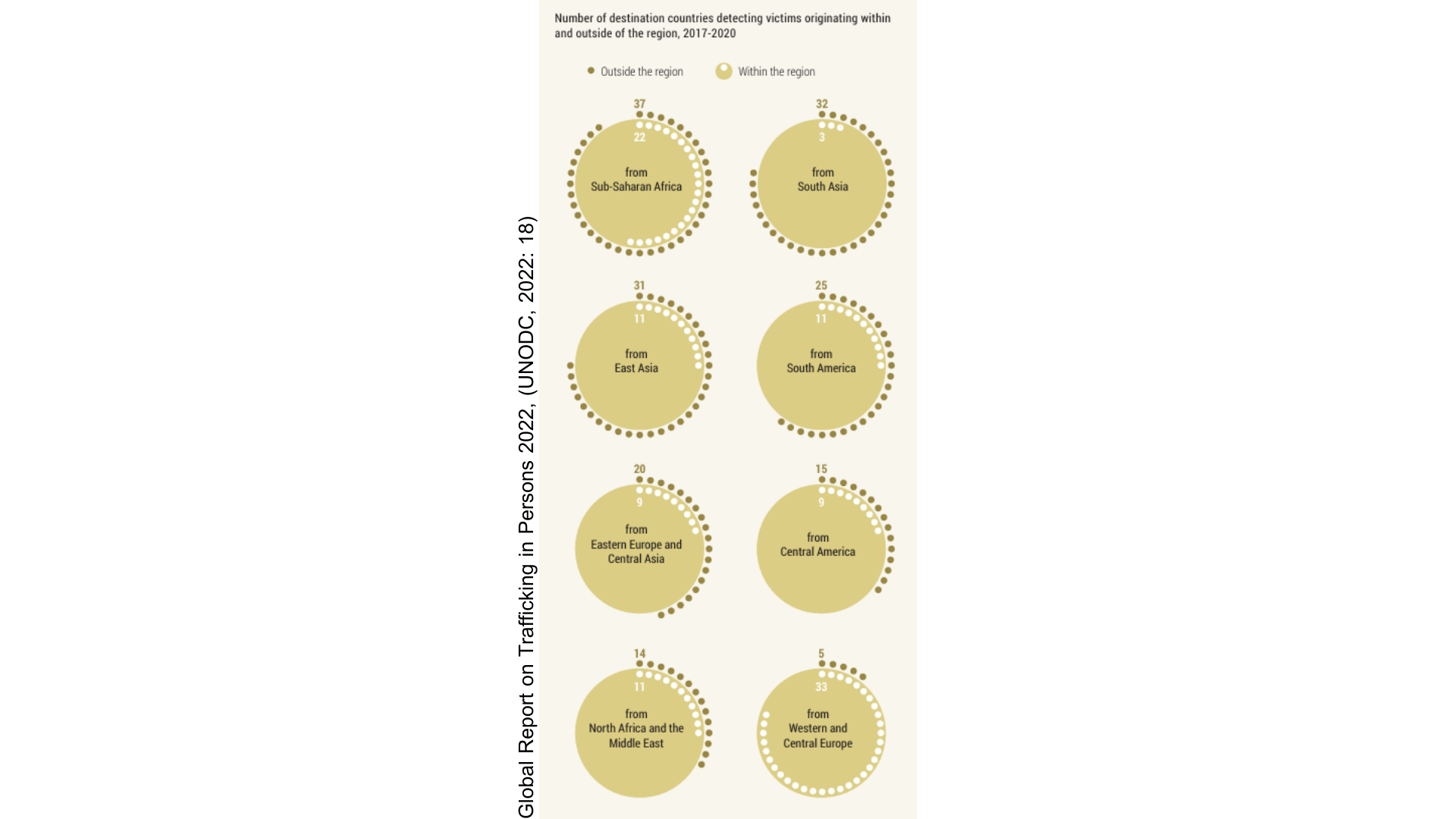
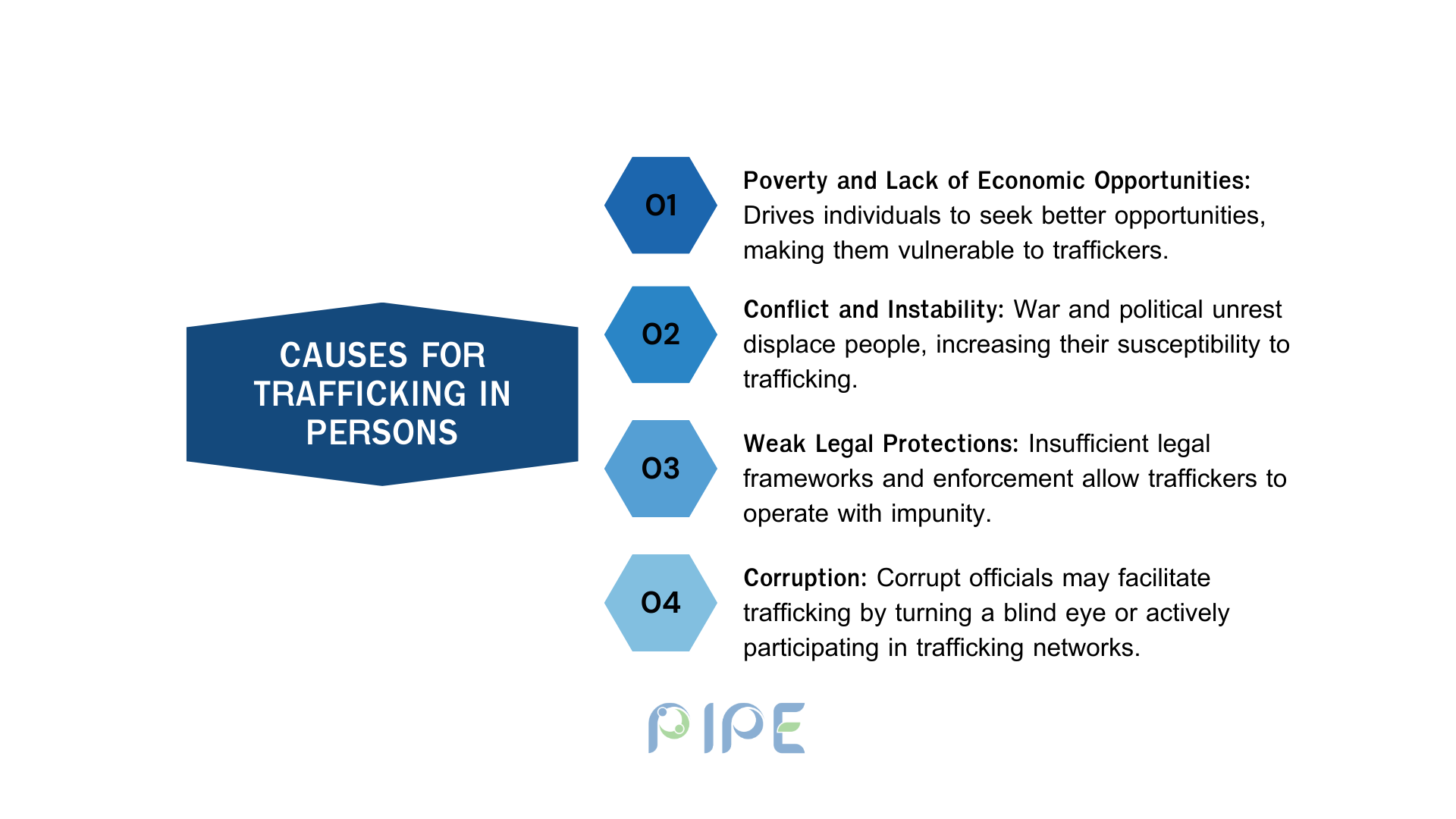
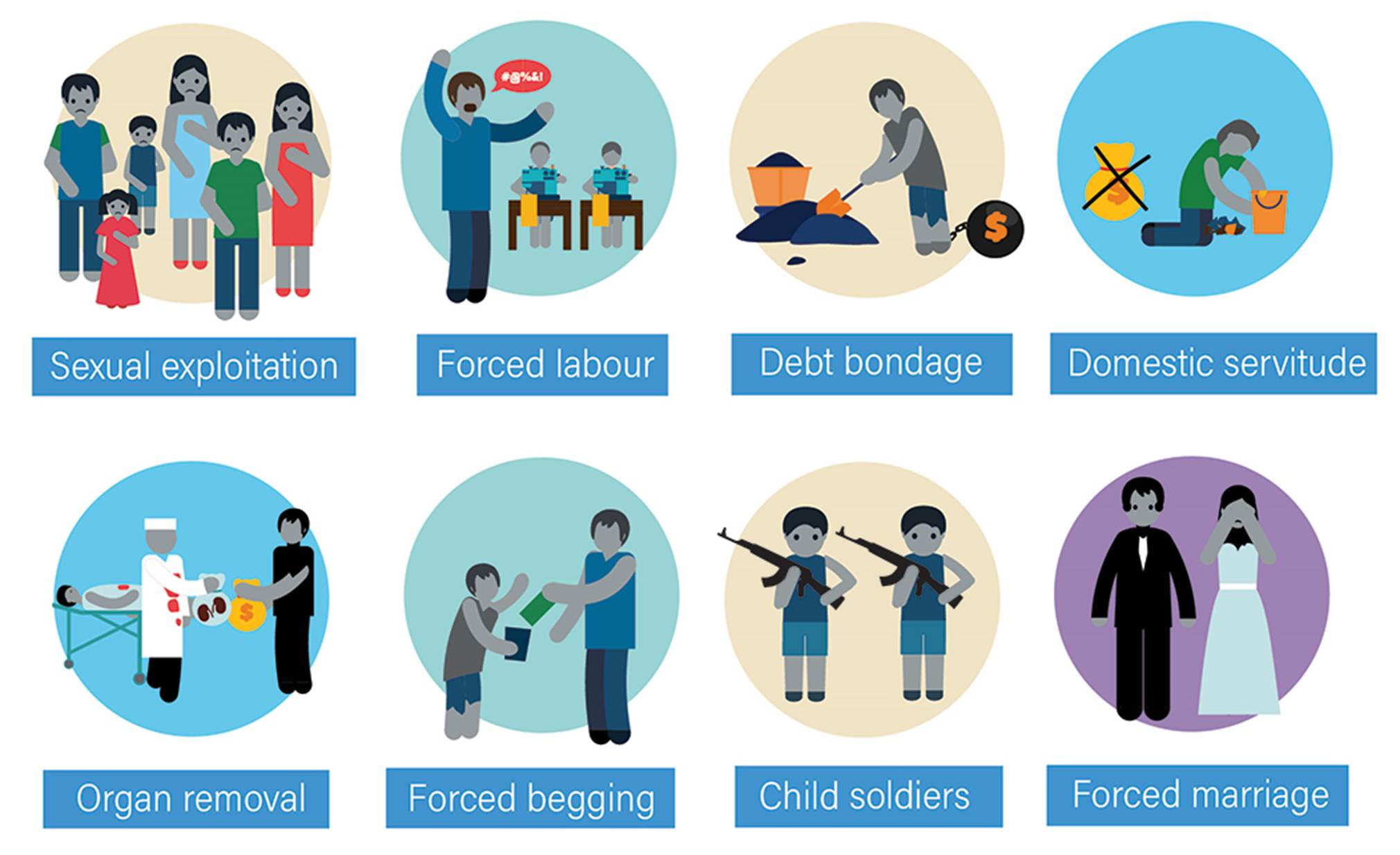
Trafficking in persons, also known as human trafficking, involves the recruitment, transportation, transfer, harbouring, or receipt of people through force, fraud, or coercion for exploitation. This exploitation can take many forms, including forced labour, sexual exploitation, and domestic servitude. According to the United Nations, Office on Drugs and Crime, human trafficking is a modern-day form of slavery affecting millions of people globally (UNODC, n.d.a). [see relevant: Global Report on Trafficking in Persons 2022, (UNODC, 2022).
According to the Trafficking in human beings statistics in 2022 there were 10.093 registered victims of trafficking in human beings in the EU and 2097 convicted traffickers, 63% of registered victims of trafficking were female while only 22% of convicted traffickers were female and 37 % of registered victims of trafficking in the EU were citizens of Member States (Eurostat, 2025).
The 2022 EMN Annual Report on Asylum and Migration states that migrants and refugees are particularly vulnerable to human trafficking, especially women, children, and adolescents traveling alone. In Europe, 8% of third-country nationals who are victims of human trafficking are minors. Irregular migration carried out through smuggling rings can more easily end up in human trafficking (European Commission, 2022). Follow a relevant video: Trafficking in Persons in Contexts in Crisis (IOM) (IOM, n.d).
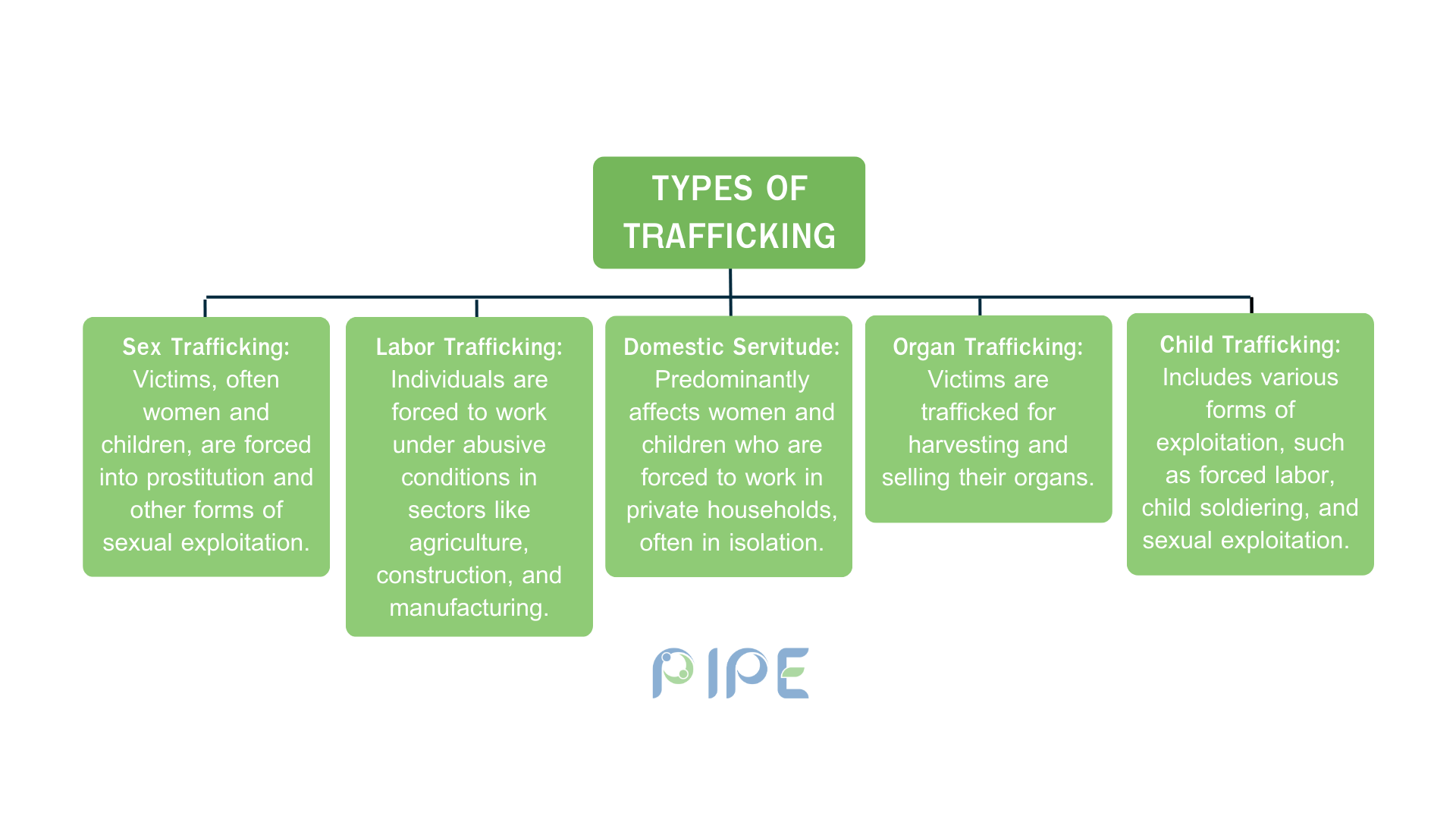
United Nations Office on Drugs and Crime (UNODC, n.d.) states that key elements of Trafficking in persons are determined by the following:
- Act: Recruitment, transportation, transfer, harbouring, or receipt of persons.
- Means: Use of force, fraud, threat, coercion, abduction, deception, abuse of power, exploitation, trafficking or giving payments or benefits to achieve the consent of a person having control over another person.
- Purpose: Exploitation, which includes prostitution, forced labour, slavery or similar practices, and the removal of organs.
A Teaching Guide is provided which includes Teaching Module Series_ Trafficking in Persons & Smuggling of Migrants.
A range of materials teaching modules on organized crime, trafficking in persons/smuggling of migrants, cybercrime, wildlife, forest, and fisheries crime, counterterrorism as well as firearms. All teaching modules provide suggestions for in-class exercises, student assessments, slides, and other teaching tools that lecturers can adapt to their contexts and integrate into existing university courses and programs. (UNODC, n.d.d).
Smuggling of human beings
Smuggling of human beings is a significant and complex issue that involves the facilitation of illegal entry into a country for financial or material gain (PROTOCOL AGAINST THE SMUGGLING OF MIGRANTS_2000) (United Nations, 2000a). This illicit activity capitalizes on the desperation and vulnerability of individuals seeking to escape adverse conditions such as poverty, unemployment, natural disasters, conflicts, or persecution (UNODC, n.d.e).
Human trafficking and human smuggling are often confused. Human trafficking involves exploiting men, women, or children for forced labour or commercial sexual exploitation. Human smuggling involves the provision of a service—typically, transportation or fraudulent documents—to an individual who voluntarily seeks to gain illegal entry into a foreign country. The crime may start as human smuggling but quickly turn into human trafficking (U.S. Immigration and Customs Enforcement, 2017).
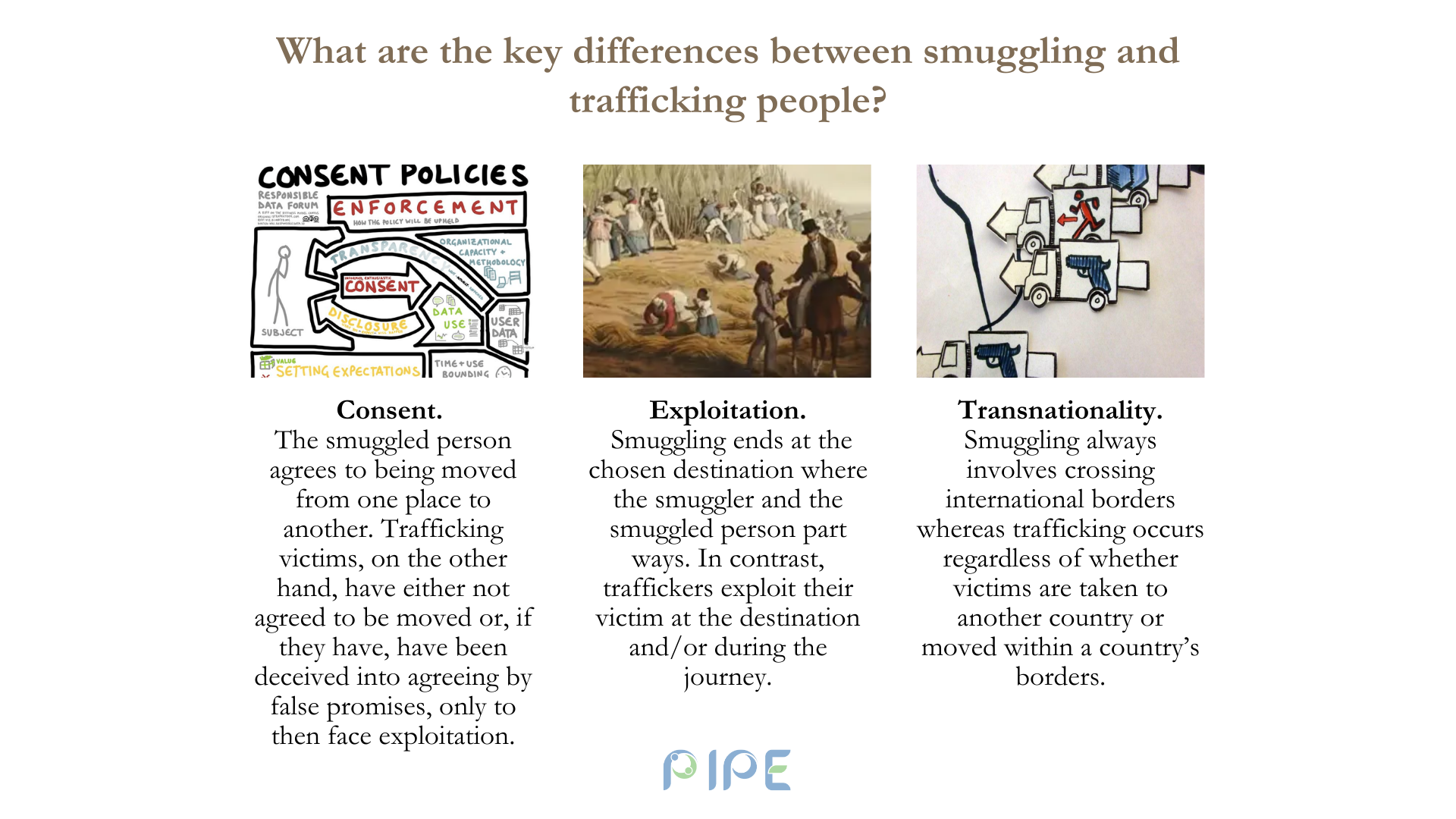
So, according to Human Rights Watch, there are three fundamental differences between smuggling and trafficking people: consent, exploitation and transnationality.
For further details, please refer to the following video: Introducing Trafficking in Persons and Smuggling of Migrants:
Every year, thousands of migrants and refugees travel across the world in search of haven and better livelihood opportunities. Amongst these people, there are victims of trafficking and smuggled migrants. But what does it mean to be a victim of trafficking or smuggled migrants, and what is the difference between trafficking in persons and smuggling of migrants?
Both trafficking and smuggling involve the transportation of people for profit by criminal networks. However, smuggling is consensual, with clients paying for transport despite known risks. Trafficking involves exploitation without consent. Sometimes, migrants start by agreeing to be smuggled but are later trafficked, forced into labour, or held for ransom. Human Rights Watch has documented cases where smugglers handed migrants over to traffickers, who then tortured them for ransom.
Abuse by smugglers during transport can be mistaken for trafficking, but it usually does not involve exploitation. If victims willingly continue their journey with smugglers, they should not be labelled as trafficking victims. Mislabelling smugglers as traffickers shifts focus from the root causes of migration, such as conflict and persecution, to criminalizing the migration process. This can justify stringent law enforcement measures like destroying smugglers’ boats, which aim to deter irregular migration but can prevent asylum seekers from reaching safety and exercising their right to seek asylum.
Policymakers, law enforcement, and humanitarian agencies must distinguish clearly between smuggling and trafficking. This ensures that the rights and protections for trafficking victims are not undermined and that asylum seekers are not wrongly criminalized. Efforts to manage migration should prioritize the protection of human rights and the needs of asylum seekers and refugees. This includes providing safe pathways for asylum seekers to reach protection and ensuring that anti-trafficking measures do not inadvertently penalize or harm those fleeing danger. International legal provisions encourage countries to assist and protect trafficking victims under the Protocol to Prevent, Suppress and Punish Trafficking in Persons_2000 (United Nations, 2000b). This requires countries to provide for victims’ physical, psychological, and social needs and to consider allowing them to remain on their territory. Making clear distinctions between smuggling and trafficking in persons prevents undermining of these obligations. (Human Rights Watch, 2015).
Labour Exploitation
Labour exploitation, which encompasses forced labour, is a grave human rights violation impacting 28 million men, women, and children across all countries and economic sectors. (International Labour Organization (ILO): Forced labour, modern slavery and human trafficking). (ILO, n.d.a).
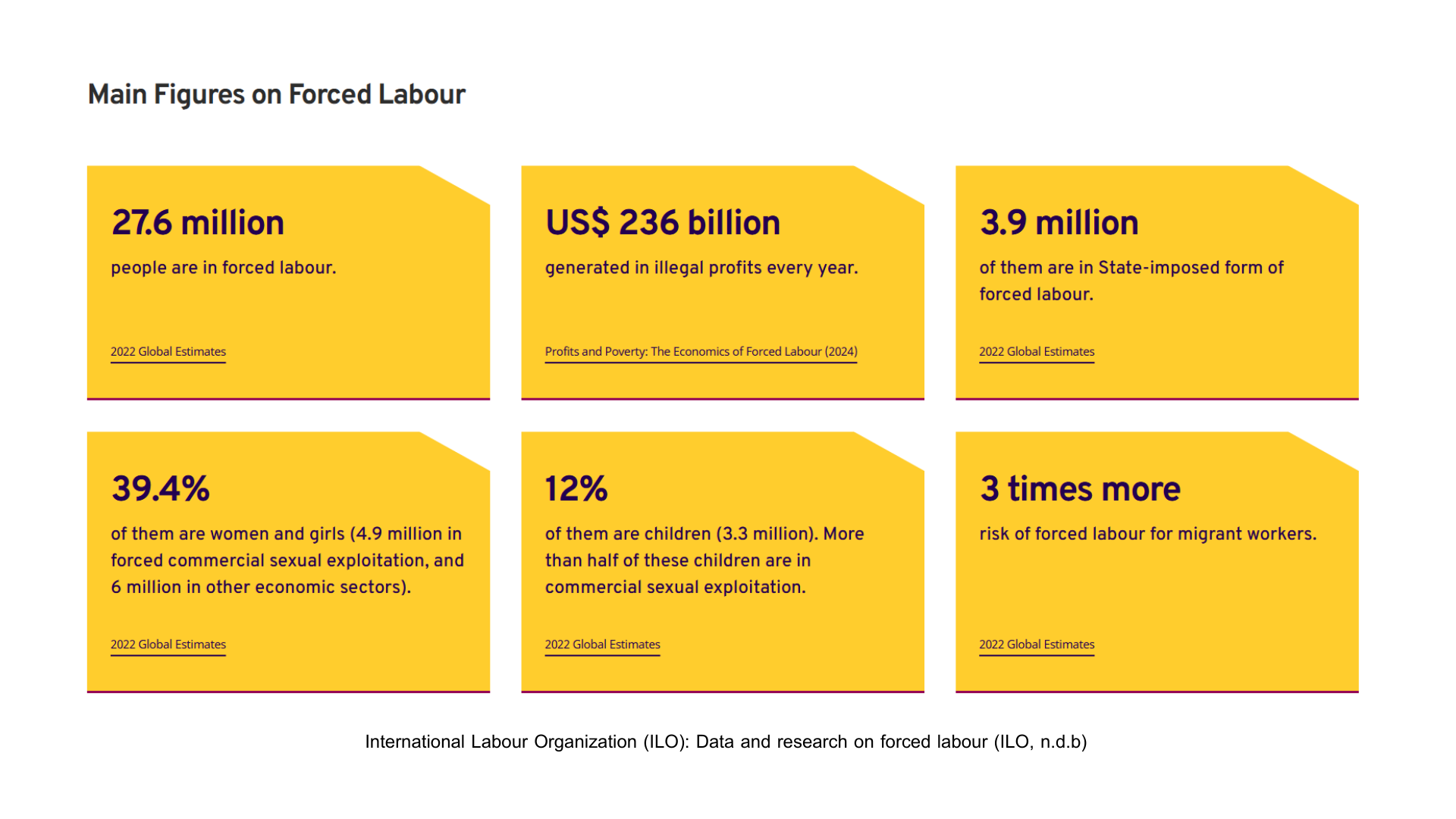
According to a Report: Global Estimates of Modern Slavery: Forced Labour and Forced Marriage of International Labour Organization (ILO), Walk Free, and International Organization for Migration (IOM) in 2021, an estimated 50 million people were living in modern slavery, with 28 million in forced labour and 22 million in forced marriage. This marks a significant increase of 10 million since 2016 (ILO, Walk Free, and IOM, 2022). Victims of forced labour include 17.3 million in the private sector, 6.3 million in forced commercial sexual exploitation, and 3.9 million in state-imposed forced labour. The Asia-Pacific region has the highest number of forced labour cases (15.1 million), while the Arab States have the highest prevalence (5.3 per thousand). Addressing decent work deficits in the informal economy is crucial for combating forced labour.
Labour exploitation involves unfair treatment and violation of workers’ rights, often for the economic gain of employers. It is a significant concern for migrants and refugees, who are particularly vulnerable due to their precarious legal, economic, and social situations.
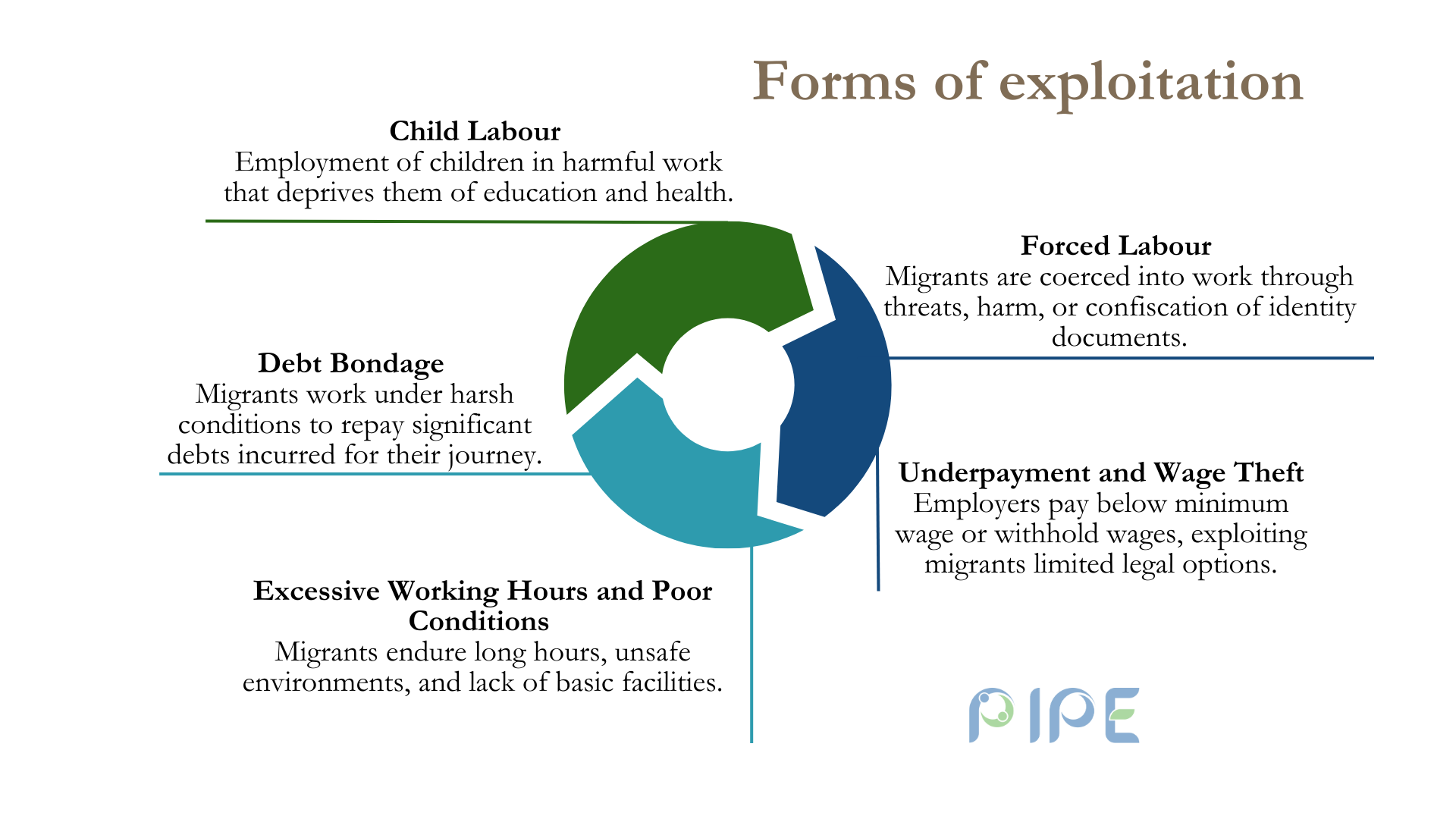
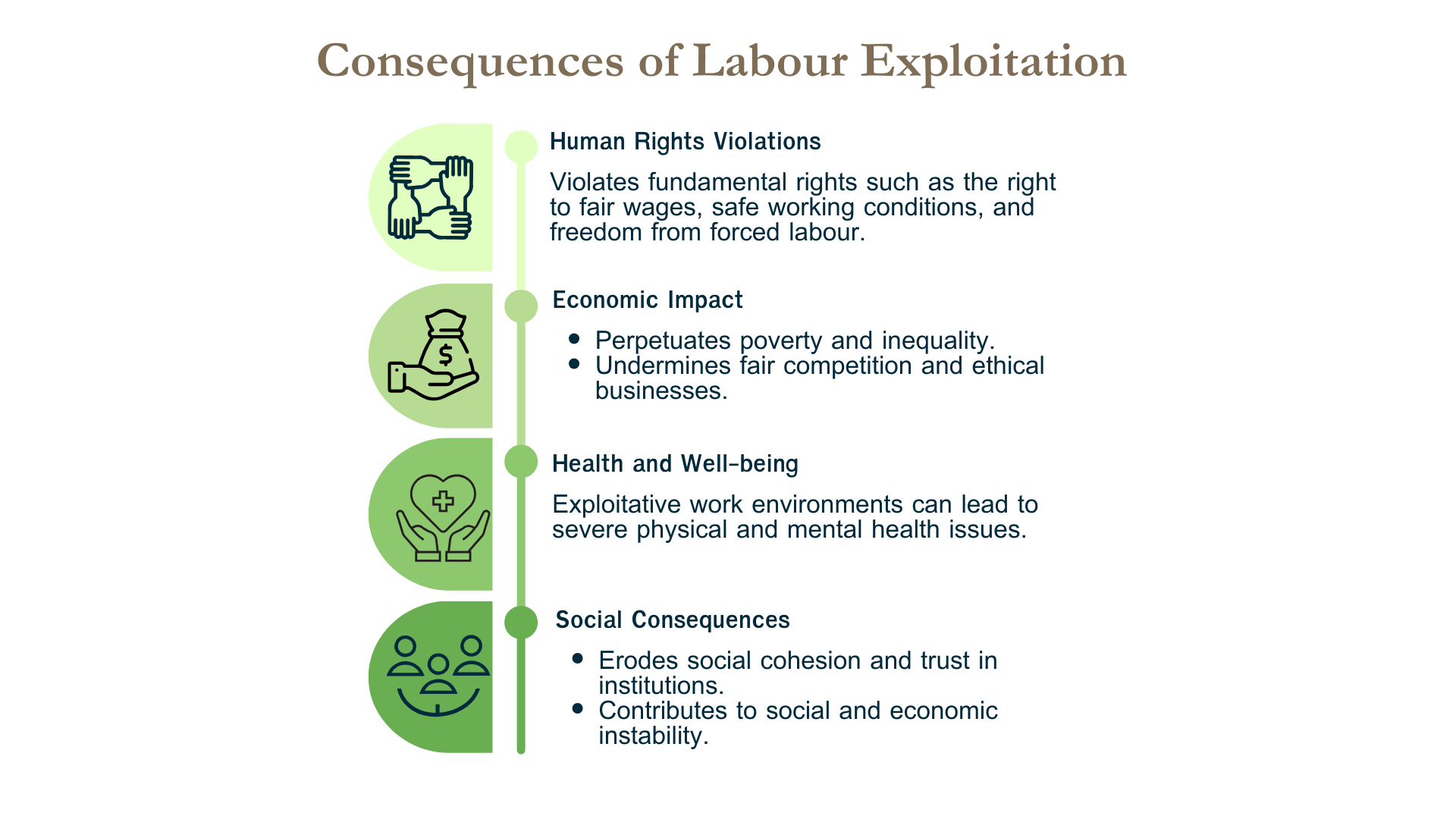
The newly developed tools are designed to identify the root cause of forced labour and to facilitate its effective elimination.
- A tool on ILO Standards on Forced Labour: The New Protocol and Recommendation at a Glance (ILO, 2016).
These instruments will bring the ILO forced labour standards into the twenty-first century so that they will be effective in addressing all forms of modern-day forced labour, and human trafficking that results in forced labour(…) [They] set out a path for ending forced labour on this earth by spelling out the implementation of Convention No. 29, in consultation and coordination with employers’ and workers’ organizations, with provisions that protect, prevent and remediate forced labour that were not set out in Convention No. 29 in 1930 (…) The Protocol and the Recommendation represent a call to action. They go beyond pious words; they are more than text on a piece of paper. Their potential impact can only be realized if there is rapid and universal ratification of the Protocol and its complete and effective implementation. (Ed Potter Employer Vice-Chair Committee on Forced Labour)
- Counteracting labour exploitation: Counteracting undeclared work and labour exploitation of third-country national workers (Nierop, Schönenberg, and Terziev, 2021) and
- Right to Remain Toolkit is a comprehensive guide to the UK immigration and asylum system. It provides a detailed overview of the legal framework and procedures involved, along with information on the rights and options available at each stage. Additionally, it offers guidance on how to assist individuals in need.
Racism
‘Racial discrimination includes all acts – verbal, nonverbal, and paraverbal – with intended or unintended negative or unfavourable consequences for racially or ethnically dominated groups’. It is important to see that intentionality is not a necessary component of racism (Essed, 1991: 45).
Racism in Europe targets individuals based on race or ethnicity, fuelling discrimination and creating social division. It involves beliefs, attitudes, and practices that discriminate against individuals based on their race or ethnicity. Migrants and asylum seekers face rising incidents of both physical and verbal violence in a hostile environment, undermining community trust and cohesion (ENAR, n.d.).
A pertinent video is provided below for your consideration. Black human rights activist describes experience escaping Ukraine. A black human rights activist recounts her experience of fleeing Ukraine. The Denmark activist, who went to Ukraine to assist racialized individuals in fleeing the conflict, describes the emergence of accounts of racism at the European Union borders and within Ukraine. In this video, she shares her story about the experiences of racism throughout her journey (ENAR, 2022).
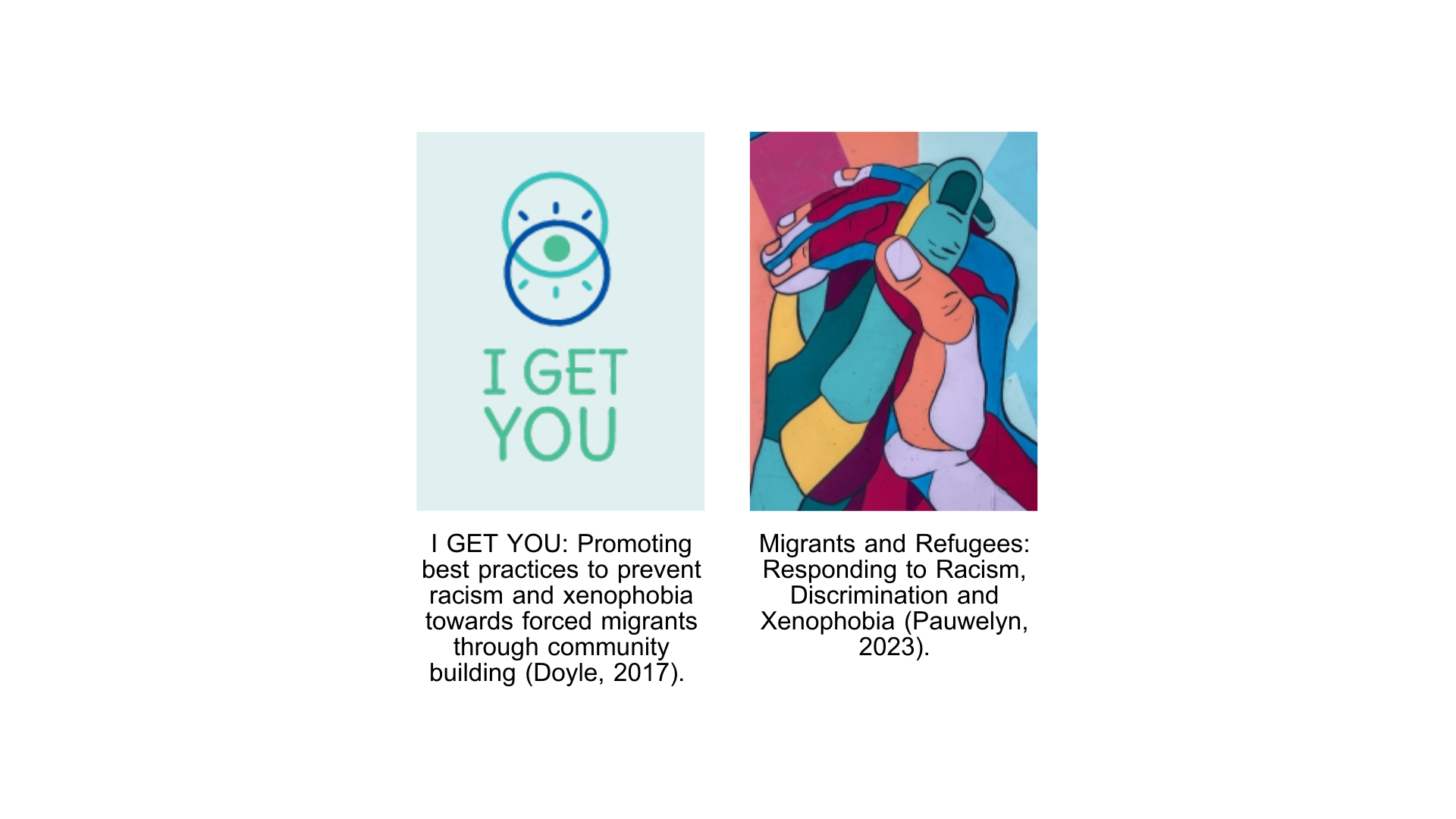
Addressing racism towards migrants and refugees requires efforts from governments, communities, and individuals. Fostering inclusivity and understanding helps support and dignify migrants and refugees. The following documents, evaluations, guidelines, and best practices on combating racism, discrimination, and xenophobia to protect and integrate refugees and migrants can be assessed below.
Scams
Migrants and refugees often fall victim to scams due to their unfamiliarity with local laws and customs. Common scams include fraudulent immigration services where imposters pose as lawyers or consultants, promising assistance with visas or green cards for a fee but disappearing after payment. Scammers also impersonate government officials to extract personal information or payments by claiming immigration issues and offer fake job opportunities requiring upfront payments for visa processing or training that never materializes. Scammers either pose as government officials, claiming that the victim has won a residence permit and must pay a fee to process their application or offer fake marriages or family sponsorships for a fee (EIM, n.d.).
Two relevant videos are available for viewing. Scams Against Immigrants and What is Hate Speech? – 1 Minute about Migration: What is Hate Speech? – We tell you in 1 Minute (IOM, n.d)
Scammers who target immigrants offer to help them with completing forms and other services in the immigration process. They typically ask for an upfront fee, take the money, and disappear without providing any actual help (FEDERAL TRADE COMMISSION. CONSUMER ADVICE, n.d.).
Gender-based violence (GBV)
Gender-based violence (GBV) refers to harmful acts directed at a person based on their gender. It includes a range of physical, sexual, emotional, psychological and financial abuse, including threats of such acts, coercion or arbitrary deprivation of liberty. GBV is a pervasive issue affecting people worldwide, with women and girls being the most common targets, although men and boys can also be victims (European Commission, n.d.).
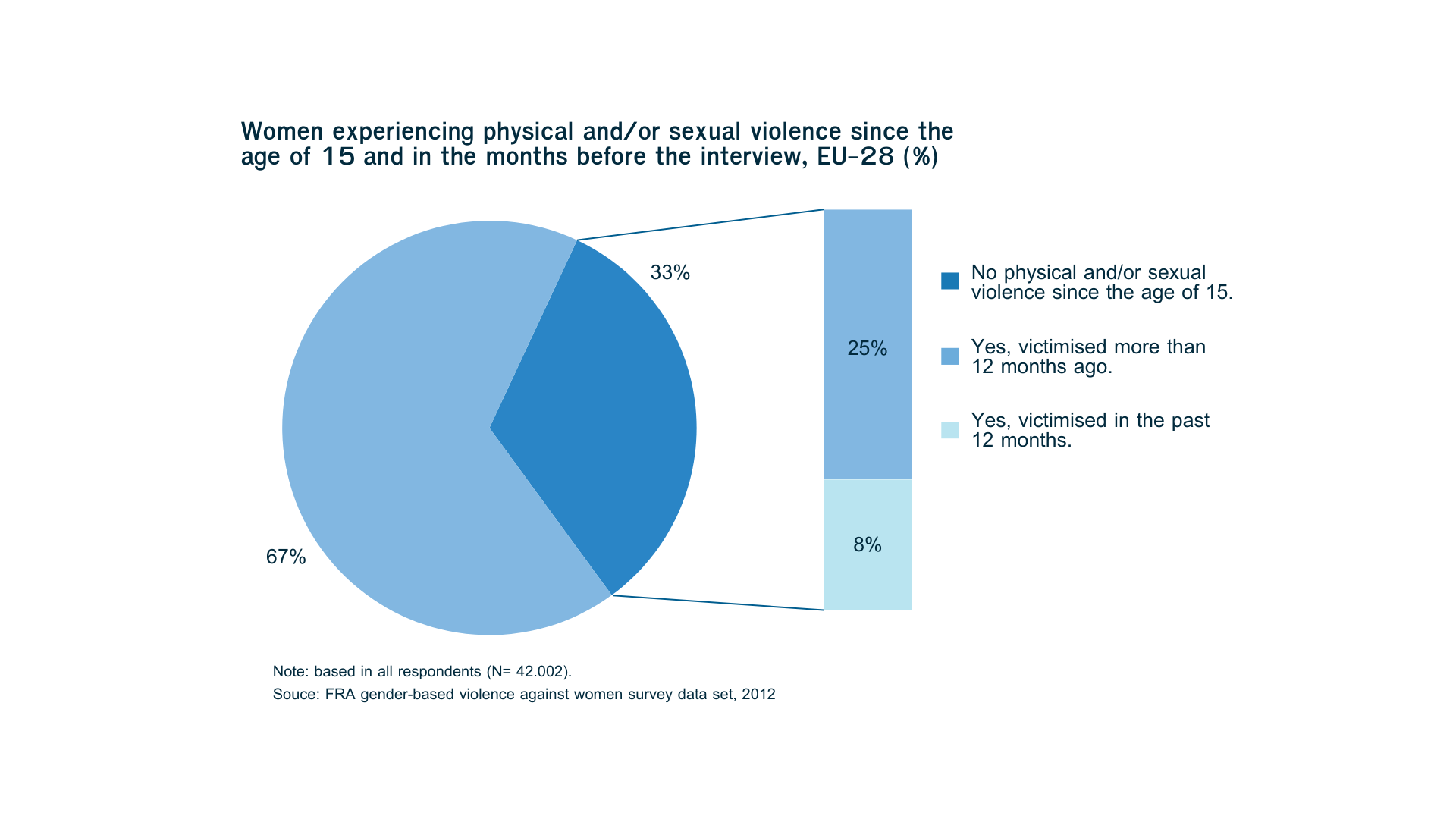
Refugee women: According to the European Union Agency for Fundamental Rights gender-based violence can occur in the context of conflict, during the migrant journey and in EU host Member States (for example, in reception and/or detention facilities). Violence relates to incidents that occur either in public or private spaces. It can therefore include violence by family members (intimate partner violence and domestic violence by different family members), as well as forms of sexual harassment, alongside other forms of sexual violence, by different perpetrators. Unfortunately, none of the Member States were able to provide any statistics on violence against women and girls who newly arrived or in need of international protection (European Union Agency for Fundamental Rights (FRA), n.d.).
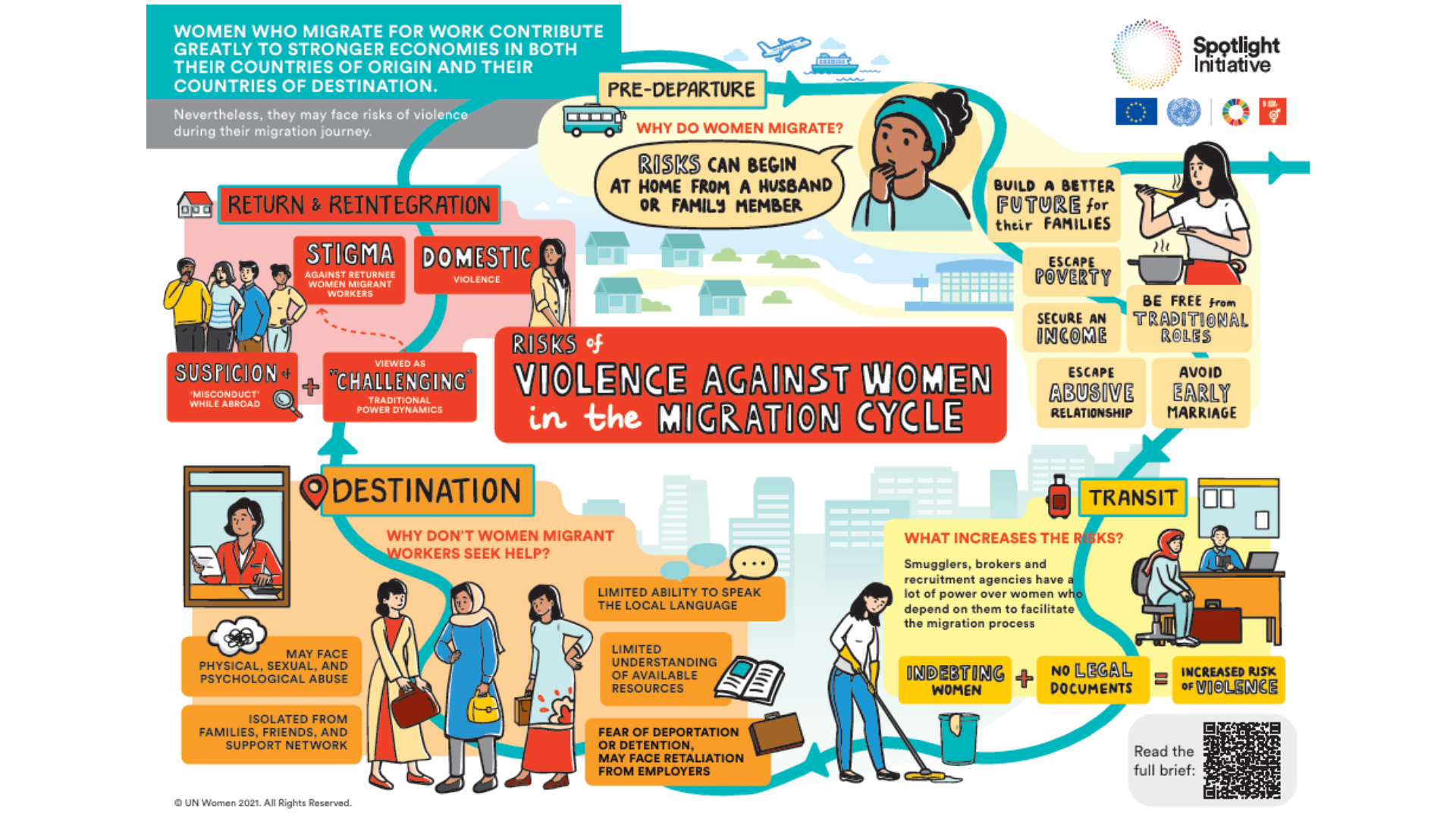
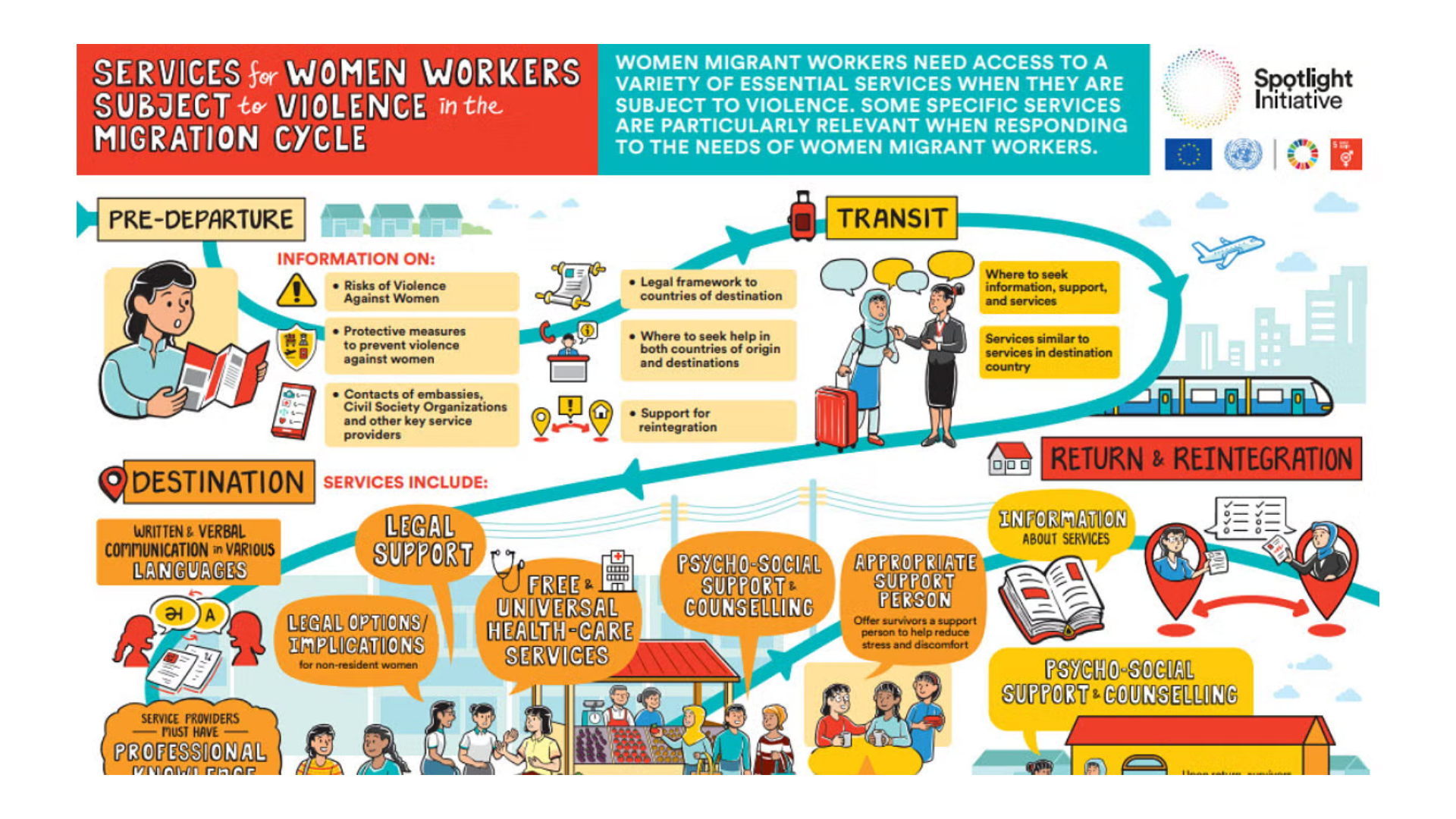
Immigrant women: Gender-based violence also affects women who migrate for work. For most of them, the decision to work in other countries means that they will sacrifice their comfort for the well-being of their family. Women generally have fewer options than men for regular migration and are often employed in lower-paid, informal sectors with few, if any, job protections. This situation exposes them to a higher risk of violence, abuse, and exploitation, including human trafficking, throughout their migration process. The 2 figures below document The risks of violence against migrant workers in the migration cycle and the services that should be in place to support migrant workers who are subject to violence (ILO and UN Women, 2021).
Hate speech (Hate speech against migrants on social media)
The rise of hate speech on social media is a major cultural threat, as social media platforms are used to shape many people’s opinions. According to Framework Decision 2008/913/JHA of 28 November 2008 on combating certain forms and expressions of racism and xenophobia by means of criminal law hate speech refers to content that promotes violence or hatred against individuals or groups based on certain characteristics such as race or origin, religion, special abilities, gender, age, sexual orientation, etc. Hate speech is an attack on identity. The abuser does not attack the victim for something they do, but for something they are (EUR-Lex, 2014).
Hate speech targeting immigrants and refugees on social media poses a significant challenge to integration and social cohesion in the European Union. It exacerbates social tensions and prejudices, leading to discrimination, marginalization, and even threats to the physical safety of victims. Victims often experience depression, stress, and anger as a result. Moreover, online hate speech has been linked to real-world violence against minorities globally, including mass shootings and ethnic cleansing incidents. Policies aimed at combating hate speech face the delicate balance of protecting free speech while inconsistently enforcing regulations (Council on Foreign Relations, 2019).
In conclusion, hate speech creates communal tensions with serious implications for society itself. The lack of recognition and respect for the difference as something equal and insufficient education on human rights issues are the main causes of the birth of hate speech (Zubčevič, Bender and Vojvodić, 2017).
A relevant study: Xenophobia and Hate Speech towards Refugees on Social Media: Reinforcing Causes, Negative Effects, Defence and Response Mechanisms against That Speech aims to recognize the possible role of social media in forming xenophobia and hate speech against Syrian refugees and to understand the reinforcing causes and negative effects of that speech on the refugees, as well as the refugees’ response mechanisms against that speech (Aldamen, 2023).
Syrian refugees often find that social and traditional media portray them negatively, framing their experiences within specific narratives and objectives. This representation could lead to compassion fatigue and the formation of “hatred and xenophobia” by describing them as the cause of all the negative consequences in the host countries. Publishing negative representation also affects the public by creating a sense of hatred towards the refugees and leads to a change in the public’s feelings from empathy to hatred towards refugees. (Aldamen, 2023: 23)
Grooming for criminal acts
Grooming involves an adult building trust and an emotional connection with a child under 16, often involving their family, to facilitate sexual exploitation. This manipulation can lead to abuse, exploitation, or trafficking and can occur both online and in person, over varying periods. Groomers can be of any age, gender, or race. Vulnerable children, such as those in care, with disabilities, neglected, or unaccompanied minors, are particularly at risk. Groomers exploit these vulnerabilities to make the child dependent on them and less likely to speak out (NSPCC Learning, n.d.).
In Armstrong Legal: Grooming you can find an indicative list of examples of how the offense of grooming may be committed (Armstrong Legal, n.d.).
Recruitment to fundamentalist movements
Recruitment (or forced conscription) refers to compulsory military service. The issue is treated differently depending on whether recruitment is forced by the government or by a non-state actor or group. Forced recruitment by non-state actors, groups, or individuals (insurgents/paramilitary/extremist groups), is always an offense, as it is subject to involuntary servitude or abduction and, according to the UNHCR Handbook on Procedures and Criteria for Determining Refugee Status is a form of persecution. Recruitment must be voluntary and free from violence, threat, or coercion (UNHCR, 2019).
Forced recruitment into terrorist groups and fundamentalist movements is a serious and worrying phenomenon observed in various regions of the world. These groups use various methods to force people, especially youth and children, to join their ranks. Tactics used include kidnapping, intimidation, psychological pressure, and threats to the life or safety of the victims’ families.
According to this definition, terrorism is distinct from (1) unorganized forms of violent political protest (including riots, mob violence), (2) non-political acts of violence (such as violent crime, school shootings), and (3) violent repression by the government, that is, state terrorism (for example, in the form of torture). Terrorism may, however, overlap with large-scale civil wars, meaning that non-state actors may resort to both terrorism and more conventional guerilla warfare in certain conflicts at the same time (for example, Gaibulloev and Sandler 2019: 291–292; Krieger and Meierrieks 2011; for a general introduction to terrorism studies, see Enders and Sandler 2011).
A Review article about Terrorism and Migration concluded among others that the effectiveness of stricter migration policies in deterring terrorism is rather limited, while terrorist attacks lead to more restrictive migration policies (Helbling, M. and Meierrieks, D., 2022).
Forced conscription has serious consequences for both the people being forced and their communities:
- Psychological and Physical Abuse: These individuals often suffer severe psychological and physical abuse, leaving deep and long-lasting mental scars.
- Destabilization of Societies: Forced recruitment and terrorism perpetuate violence and instability, creating fear and uncertainty. This often leads to massive population displacements and worsens humanitarian crises.
- Criminal and Legal Consequences: Individuals forced into terrorism may face legal consequences, complicating how to treat victims of forced recruitment involved in criminal acts. (Global Protection Cluster, n.d.).