You will find in this Chapter:
Violence (physical, psychological, emotional, economic, cultural, religious, domestic, media and cyberspace violence)
Sexual violence (sexual harassment, rape, corrective rape, rape culture)
Social networks: a space for violence
Bubble question
How do violence and discrimination manifest themselves in our societies? How do they affect migrant groups? Can we teach languages while ignoring the potential situations of violence and discrimination that these people suffer? Where would such an effort lead us? What would be the point?
Violence (physical, psychological, emotional, economic, cultural, religious, domestic, media and cyberspace violence)
If modern societies evolve towards very complex and defined structures, it is, among other reasons, as a way of limiting and minimising expressions of violence (they become civilised). Migrants, located in a topic, borderline positions, inhabitants of “non-places” in transition, often lack these social frameworks which, for the rest of us, protect us (at least to a greater extent). In contrast to the subjects of law, citizens of the host environment, migrants often lack, de facto, structures to protect their rights (sometimes not even the most basic and human rights). For all these reasons, one of the characteristics of migrants is their greater exposure and vulnerability to situations of violence.
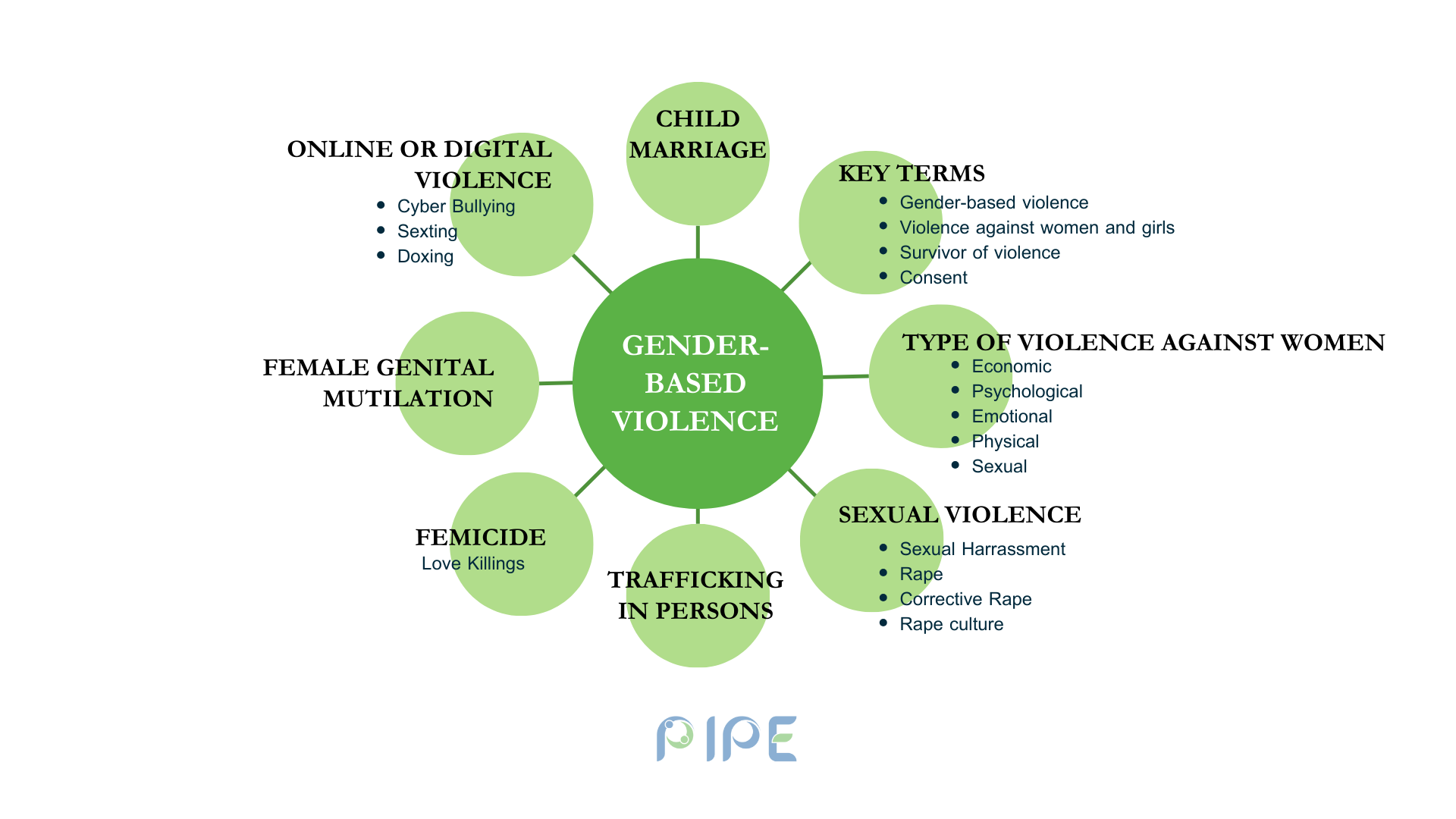
Violence is a manifestation of power and control that can take multiple forms, each with its characteristics and consequences. Violence is a complex social problem, not exclusive to migrant populations, which affects individuals and communities in a variety of ways. Precisely because of its complexity, we consider it appropriate to dedicate these first lines to identifying, defining and describing various forms of violence, including physical, psychological, emotional, economic, cultural, religious, domestic, media and cyberspace violence.
- Physical Violence: Physical violence involves the use of bodily force to cause harm, injury or suffering to another person. Victims of physical violence can suffer from minor injuries to fatal consequences. This type of violence is one of the most visible and is often associated with crimes such as assault and domestic abuse. While it can be devastating for the perpetrator, it is also one of the easiest to identify and control because of its physicality.
- Psychological violence: Psychological violence is characterised by the use of behaviours that cause emotional and mental harm. This can include intimidation, manipulation, threats, humiliation and social isolation. This type of violence can be difficult to identify as it leaves no physical marks, but its effects can be profoundly destructive, leading to mental health problems such as depression, anxiety and low self-esteem.
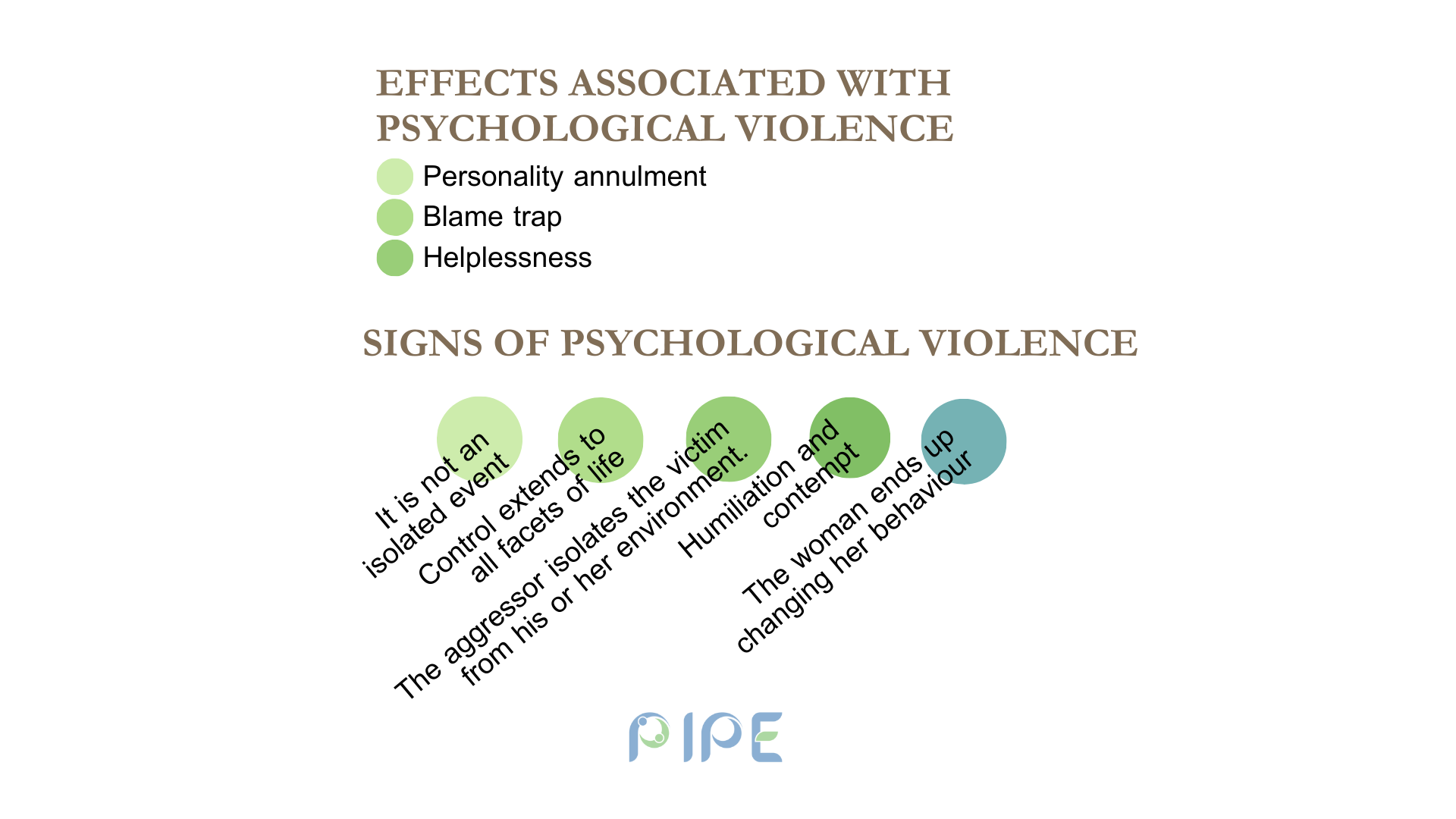
- Emotional violence: Emotional violence is closely related to psychological violence but focuses specifically on harm to a person’s emotions and feelings. It includes behaviours such as constant criticism, belittling, belittling, belittling and emotional manipulation. Victims of emotional violence often feel trapped and may come to doubt their worth and ability to make decisions.
- Economic violence: Economic violence manifests itself when one person controls the financial resources of another, limiting their access to money and economic resources. This can include prohibiting work, controlling income and spending, and refusing to provide money for basic needs. Economic violence is a form of coercive control that seeks to maintain the victim’s dependency.
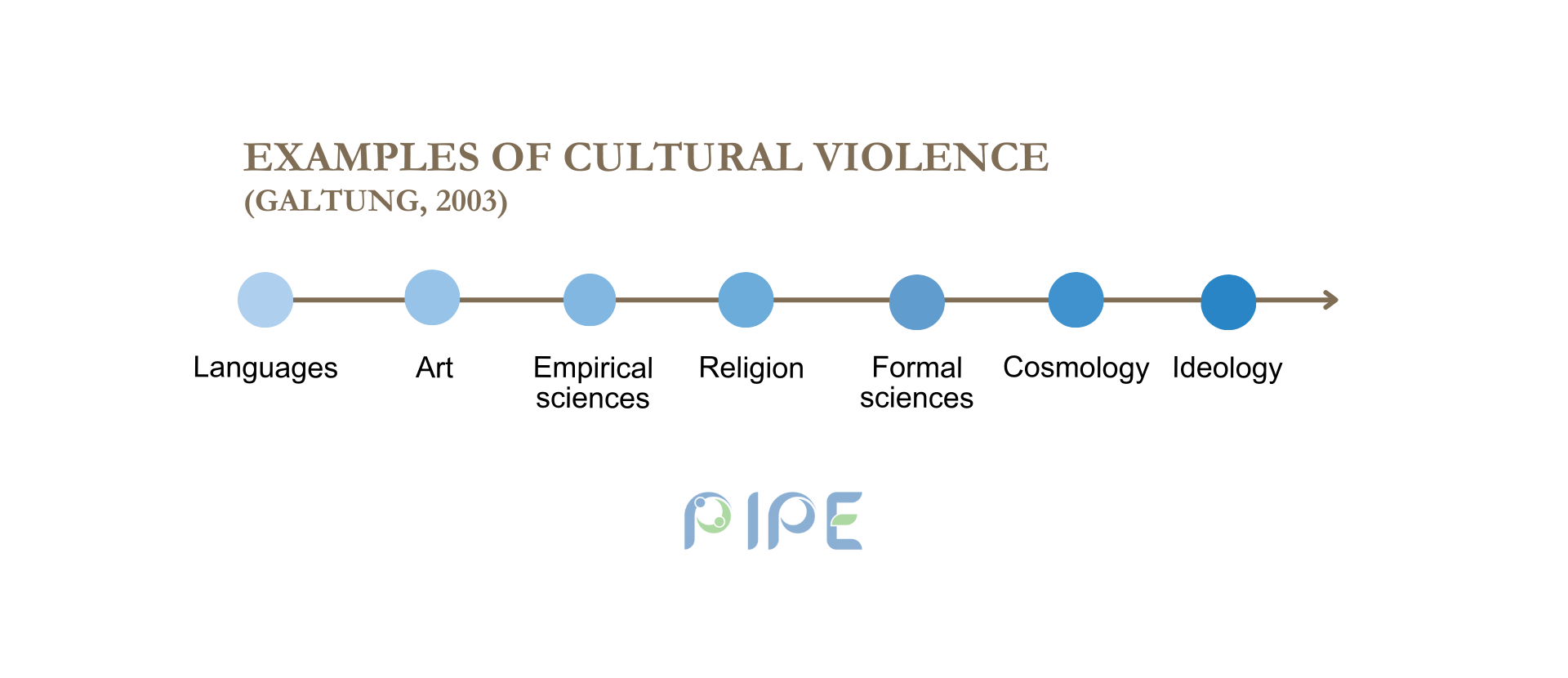
- Cultural violence: Cultural violence refers to cultural practices and beliefs that perpetuate inequality and abuse. This can include traditions and norms that justify violence against certain groups, such as women or ethnic minorities. Cultural violence can be difficult to eradicate because of its deep integration into the customs and values of a society.
- Religious violence: It is important to distinguish religiously motivated violence from religious violence. The former occurs when religion is used to justify or incite abuse and oppression. It can manifest itself through the persecution of individuals for their religious beliefs, the imposition of restrictive religious rules, or the use of religion as an excuse for violent acts. This form of violence can generate deep divisions and protracted conflicts within communities and between nations. Religious violence is more subtle. It is based on a failure to recognise and respect the religious beliefs of the person who holds them. It usually occurs in situations where hegemonic religious beliefs are imposed in public spaces on the general population, disregarding minority beliefs.
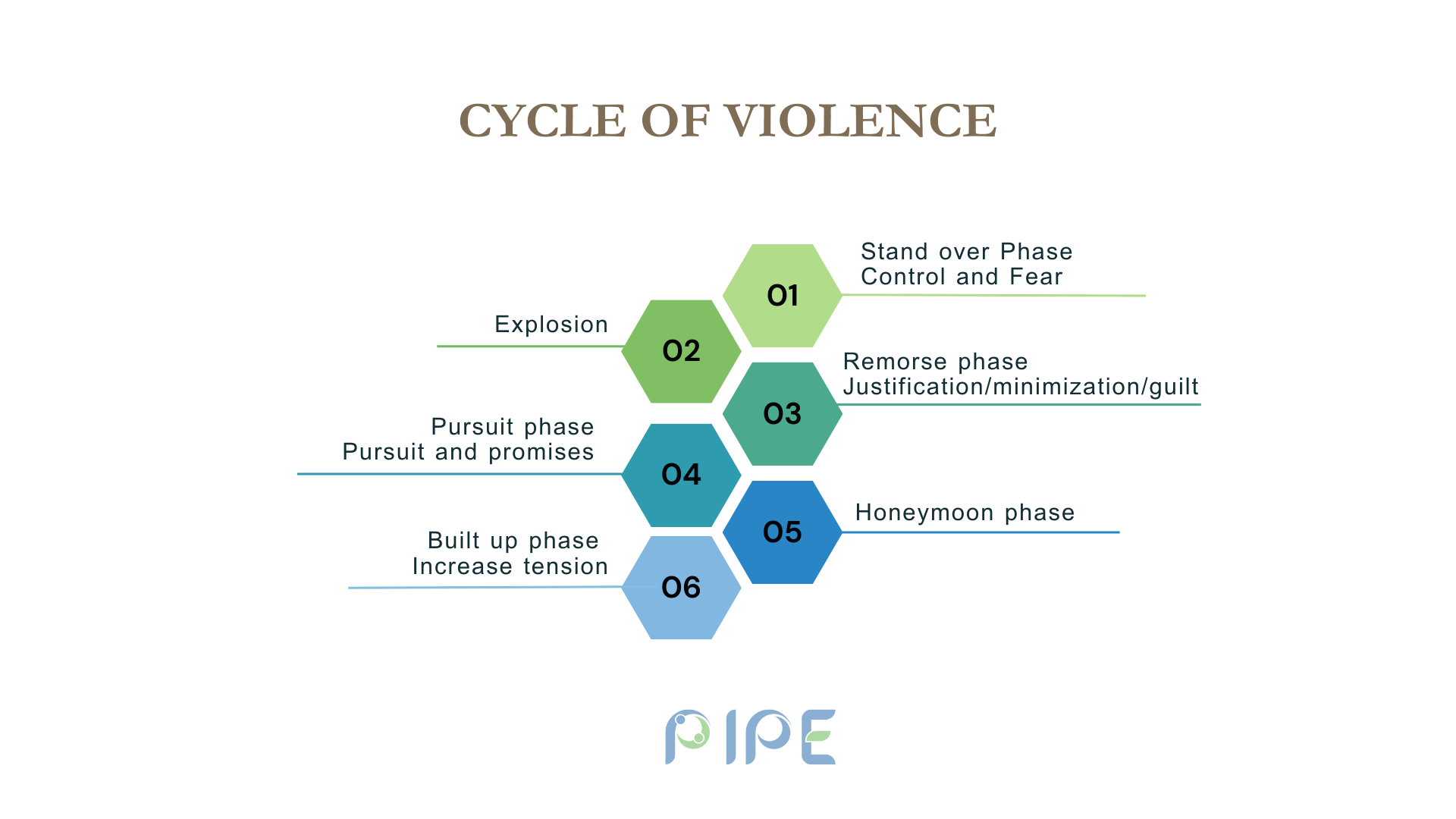
- Domestic violence: Domestic violence occurs in the context of an intimate relationship, including partners, family members and cohabitants. It can encompass various forms of violence, including physical, psychological, emotional and economic violence. Domestic violence is a widespread problem that affects people of all ages, genders and social classes, and often occurs in the private sphere of the home, making it difficult to detect and address.
- Media violence: Media violence refers to the portrayal and promotion of violence in the media. This can include the glorification of violence in films, television series, video games and news stories. Constant exposure to violent images can desensitise people, especially young people, and normalise the use of violence as a means of conflict resolution. Also, through the dissemination of public political messages and speeches when they glorify xenophobic, sexist, totalitarian or, in general, intolerant discourses.
- Violence in cyberspace: Violence in cyberspace, or cyberbullying, manifests itself through aggressive and harmful behaviour on digital platforms such as social networks, forums and messaging services. This can include harassment, threats, rumour spreading, and the publication of personal information without consent. Violence in cyberspace can have devastating effects on the mental and emotional health of victims, given the rapid spread of information and the difficulty of escaping online abuse.
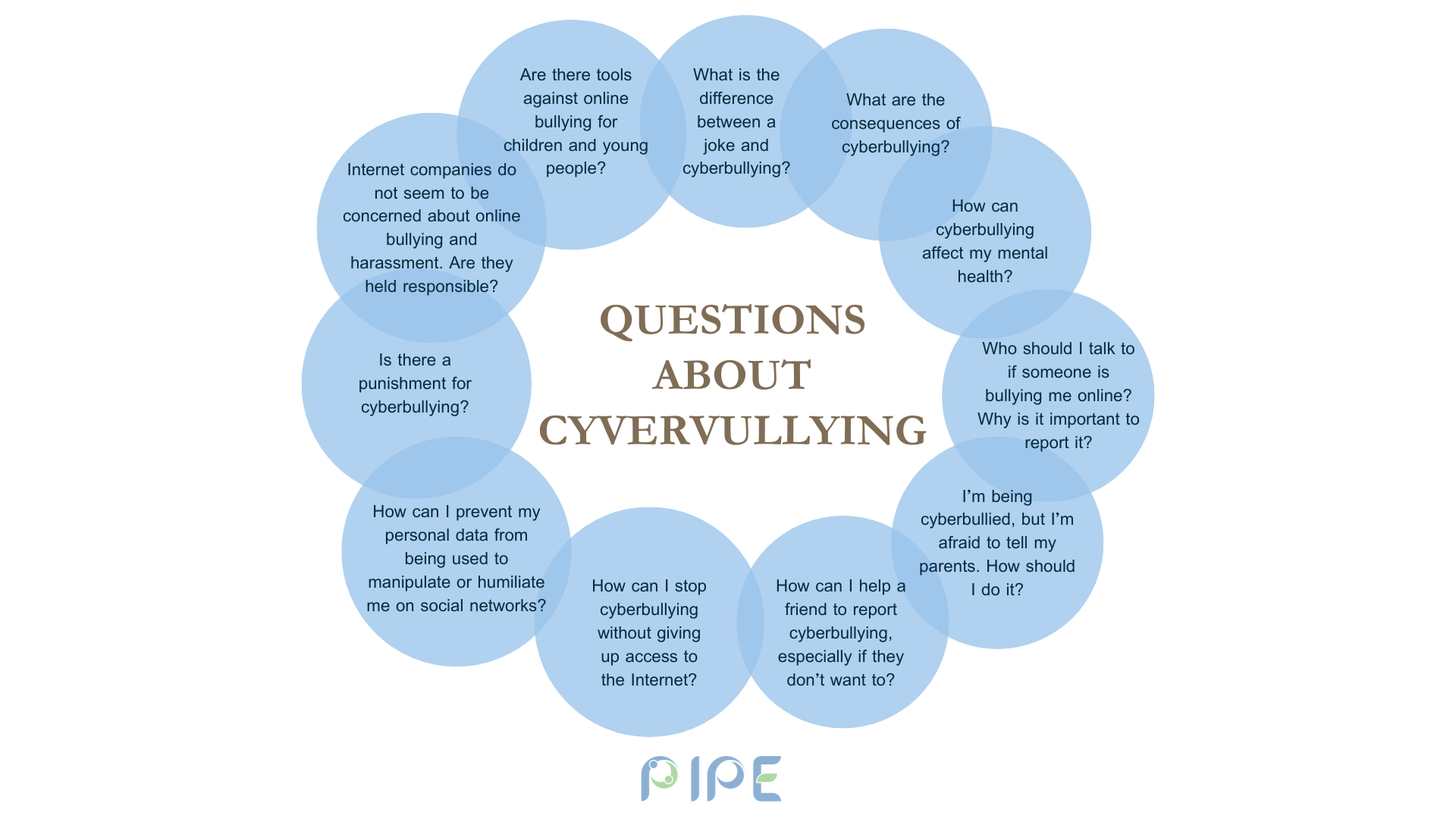
As this brief and clarifying introduction makes clear, violence is a multifaceted phenomenon which, in its various manifestations, represents a serious threat to people’s safety, well-being and dignity. Understanding its expressions and consequences is crucial for the development of effective prevention and intervention strategies. Education, awareness-raising and the strengthening of laws and policies are essential to combat violence and protect victims. In this respect, educators, all educators, are key players in the detection and fight against all forms of violence
Sexual violence
Sexual harassment, rape, corrective rape, rape culture.
If exposure to the different manifestations of violence that we have identified in the previous section is common and frequent for migrant groups, due to their economic vulnerability, their precarious migratory status (invisibility and cancellation of rights) and their lack of support networks, sexual violence is a particularly insidious and devastating manifestation that disproportionately affects immigrant women. The idea of sexual violence includes and subsumes several variants and forms, such as sexual harassment, rape, gang rape and is exacerbated by rape culture.
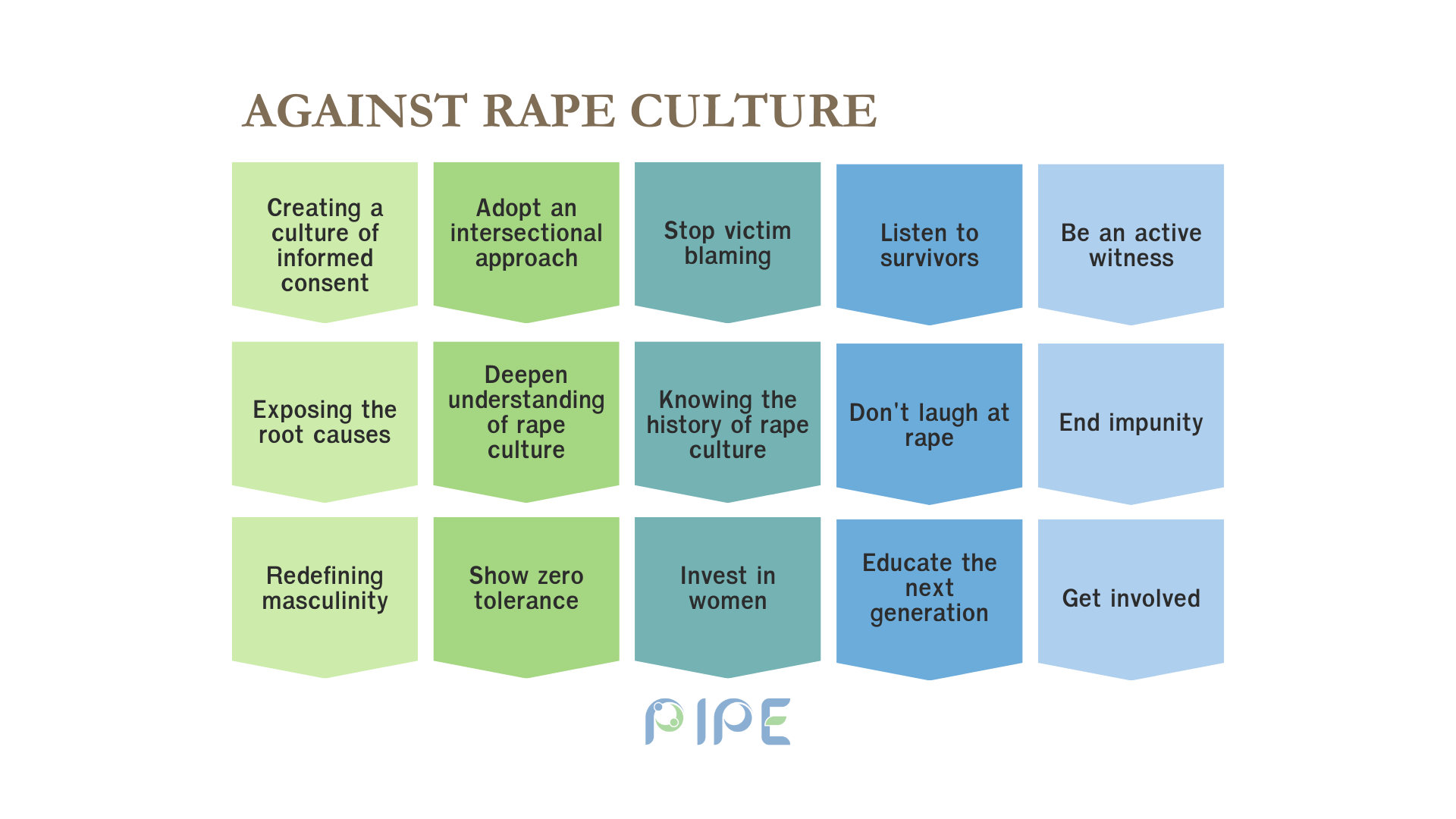
Rape culture is a pervasive factor that facilitates and perpetuates all other forms of sexual violence. In many societies, migrant women are seen as vulnerable and often less deserving of protection and respect. This dehumanisation (objectification) facilitates the justification of violence against them and perpetuates impunity. Migrant women thus face a double stigma: that of being foreigners and that of being women in a society that trivialises and justifies sexual violence. This cultural environment not only facilitates the occurrence of sexual assaults and episodes of sexual violence, but also makes it difficult for victims to seek justice and support.
These manifestations of sexual violence can range from episodes of harassment to gang rapes. Migrant women often find employment in sectors with few job protections, where sexual harassment is a constant threat. In places such as agriculture, domestic service and hospitality, employers or supervisors may take advantage of their power, making unwanted advances or demanding sexual favours in exchange for keeping their jobs or improving their working conditions. Economic insecurity and fear of deportation silence many of these women, who endure harassment in silence so as not to jeopardise their livelihoods or immigration status. This is also compounded by ignorance, lack of cultural/contextual clues or simply incomprehension.
In these contexts, rape is a reality that many migrant women face both in their countries of origin, during the migration process and at destination. On their journeys to a safer place, these women may be subjected to rape by smugglers, other migrants or even members of the security forces. The threat of sexual violence is constant and is used as a tool of control and exploitation. In destination countries, migrant women often live in marginalised communities and lack access to protection and justice services, making them more vulnerable to attack without consequences for the perpetrators.
If rape is already a devastating trauma, leaving deep scars, gang rape represents a particularly brutal and extreme form of sexual violence that some migrant women experience. This form of aggression is characterised by sexual assault perpetrated by multiple perpetrators, which amplifies physical and psychological trauma. Gang rapes often occur in conflict situations or in areas where law and order is fragile, but not only. These women face not only the horror of the attack itself, but also the stigma and shame that follow, which can lead them to be shunned by their own communities and families.
However, the most effective weapon against this scourge is, again (we will not tire of repeating it), the empowerment and emancipation (with all that this implies) of every immigrant woman. Education and public awareness are essential tools in this fight. It is essential to educate host communities about the rights and dignity of migrant women, dismantling stereotypes and prejudices that perpetuate violence. Awareness campaigns can change attitudes and behaviours, promoting a culture of respect and support for migrant women. In addition, providing comprehensive support to victims of sexual violence is vital. This includes physical and mental health services, legal assistance and social support networks that can help women rebuild their lives. Community organisations and support services must be equipped to address the specific needs of immigrant women, recognising the additional barriers they face.
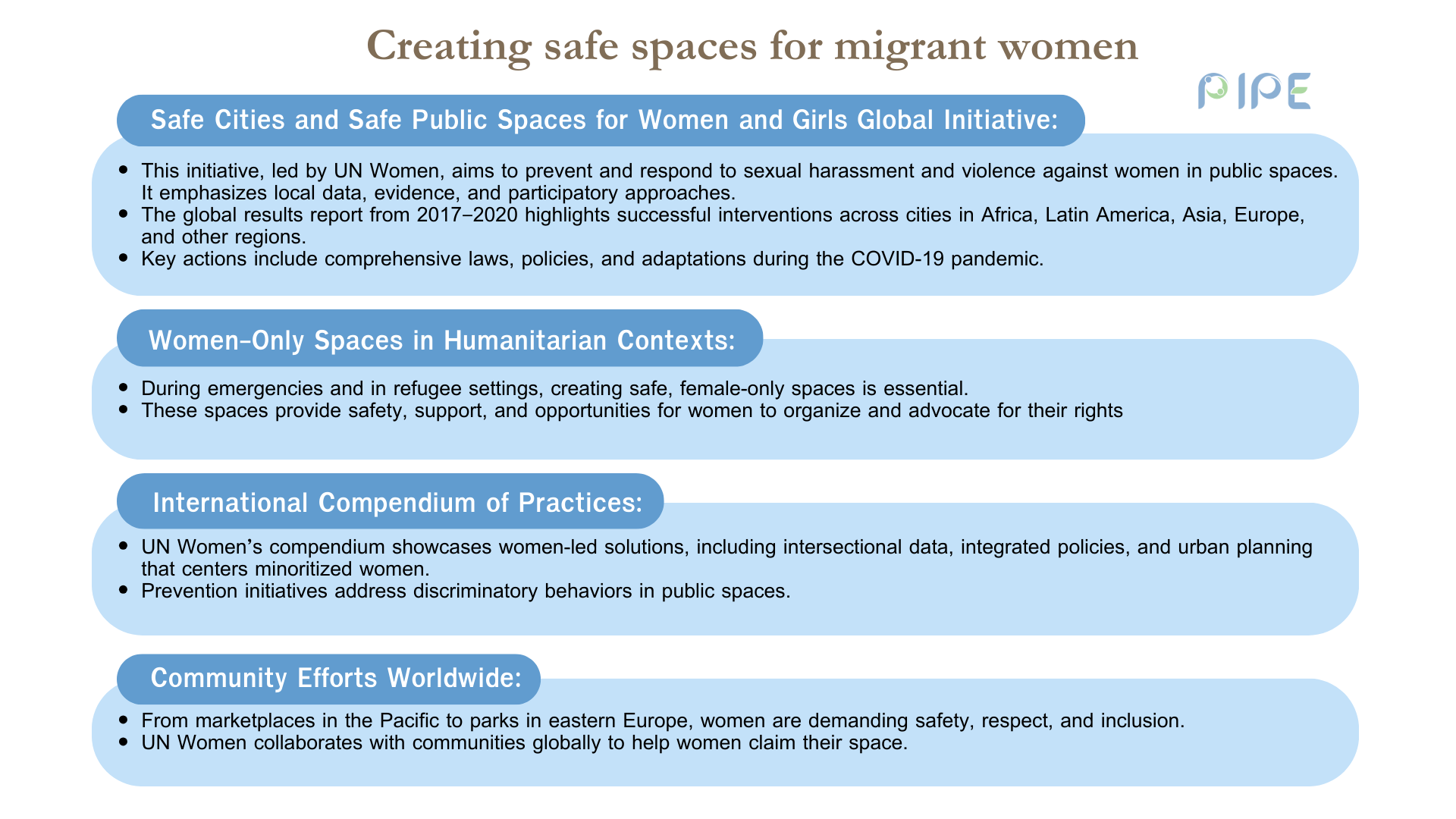
Migrant women need safe spaces where they can share their experiences and receive the support they need. It is vital to listen to their voices and ensure that their stories are part of the public conversation about sexual violence. Only through a collective and conscious effort can we hope to eradicate this scourge and build a more just and equitable society. Are we able to visualise the privileged space that the educational spaces these people access (including language spaces) provide for this work?
Social networks: a space for violence
Sexting without consent, sextortion, cyberbullying, happy slapping, grooming, involuntary exposure to violent sexual material, sharenting or overexposure of minors on the Internet.
Social media, originally conceived as platforms for interaction and communication, have evolved into spaces where various forms of violence are manifested. For migrant women, these platforms can be both a vital resource and a dangerous terrain where various threats constantly materialise. Phenomena such as sexting without consent, sextortion, cyberstalking, happy slapping, grooming, involuntary exposure to violent sexual material, and sharenting represent specific challenges that aggravate their vulnerability. What are we talking about?
- Sexting, or sending sexually explicit content via electronic devices, can become a trap for migrant women. In many cases, migrant women share intimate images or videos with the confidence that they will remain private. However, the non-consensual distribution of this material can lead to sextortion. This type of emotional and financial blackmail is particularly effective against migrant women who may feel isolated and without the resources to seek help. In addition, fear of cultural stigmatisation and shame may deter them from reporting these crimes, thus perpetuating the cycle of abuse.
- Cyberbullying involves the use of technology to harass, threaten, or intimidate a person. For migrant women, cyberstalking can have additional dimensions. They may be subjected to racial discrimination and xenophobia, along with gender-based harassment. The language barrier and unfamiliarity with local resources can make responding to these assaults even more complicated. In addition, fear of legal or immigration repercussions may deter them from seeking help or reporting harassment to the authorities.
- The phenomenon of happy slapping, where physical assaults are recorded and disseminated online, can also affect migrant women. These acts are not only aimed at the public humiliation of the victim but can also have serious psychological consequences. Migrant women, often already traumatised by previous experiences of violence or displacement, can find these acts particularly devastating.
- Particularly despicable is another threat from digital environments known as grooming. Grooming is the process by which an adult gains the trust of a child to sexually exploit him or her. Children of migrant families, who often spend long hours alone while their parents work, can be vulnerable targets. Perpetrators use social networks to approach these children, taking advantage of the lack of supervision and the desire for emotional connection.
- Involuntary exposure to violent sexual material is another form of violence prevalent on social media. Migrant women, seeking information, support or simply a distraction online, may come across graphic content that revictimizes and revives past traumas. This type of exposure can be accidental or even deliberate, where perpetrators intentionally send such material to intimidate or harass.
- Sharenting, or the overexposure of minors to the Internet by their parents, is a common practice that also affects migrant women. Many share photos and details of their children’s lives on social media, often without being aware of the dangers involved. This overexposure can make children targets for stalkers or sexual predators. In addition, the lack of privacy can affect children’s future lives, as once information is on the Internet, it is difficult to remove.
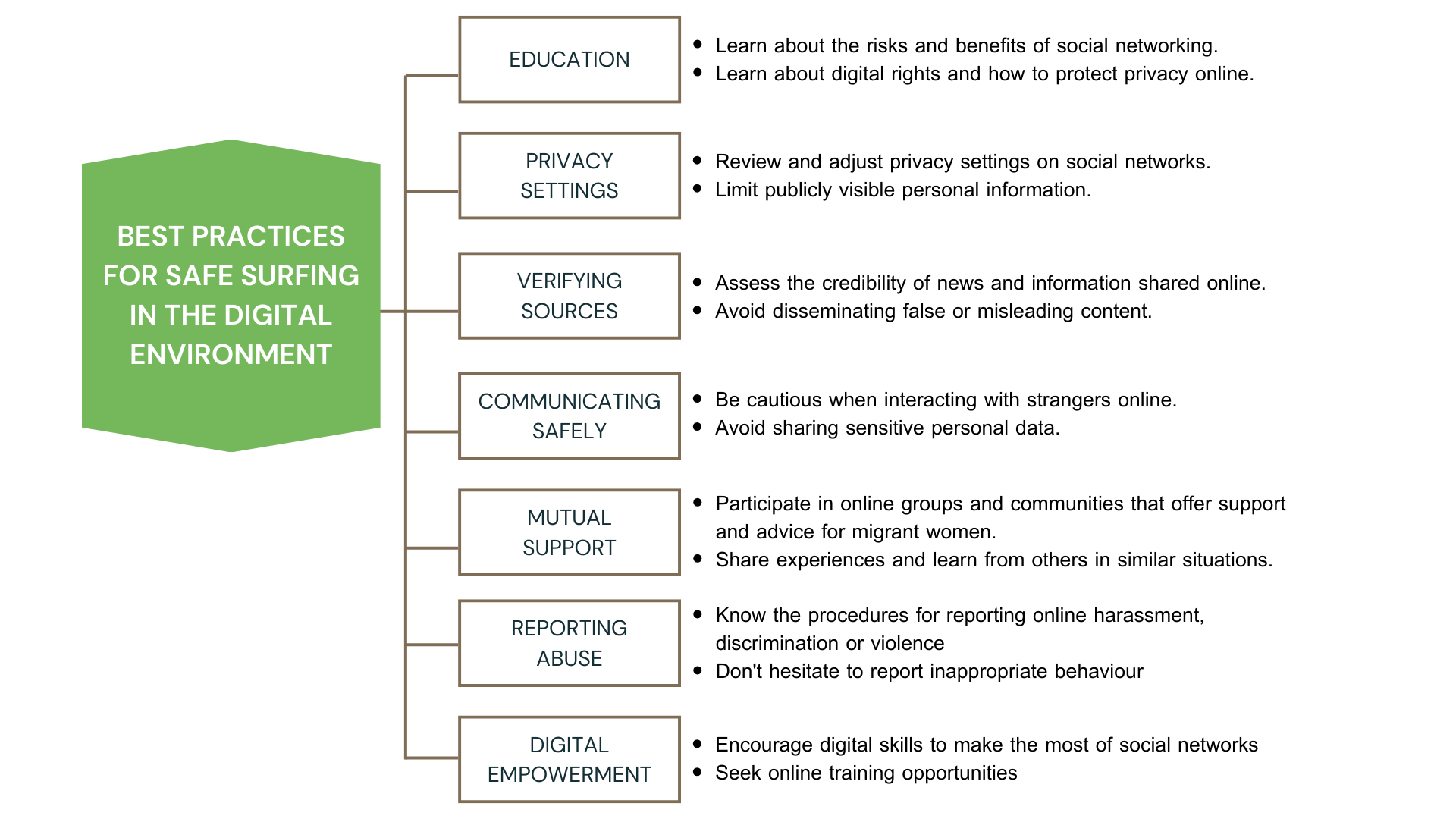
What can be done? The intersection of gender and immigration status creates an additional layer of vulnerability for migrant women in the digital space. These women may face significant barriers to accessing support resources, such as legal and psychological services, due to lack of information, language barriers, and fear of deportation or retaliation. In addition, cultural and social norms in their home communities may impose a stigma on women who report sexual or gender-based violence, further hindering their ability to seek help. Online support networks, which could be a source of strength and solidarity, often become sources of risk. Migrant women may be targeted by attacks specifically designed to exploit their vulnerability. Online discrimination and racism exacerbate these difficulties, making the digital environment particularly hostile to them.
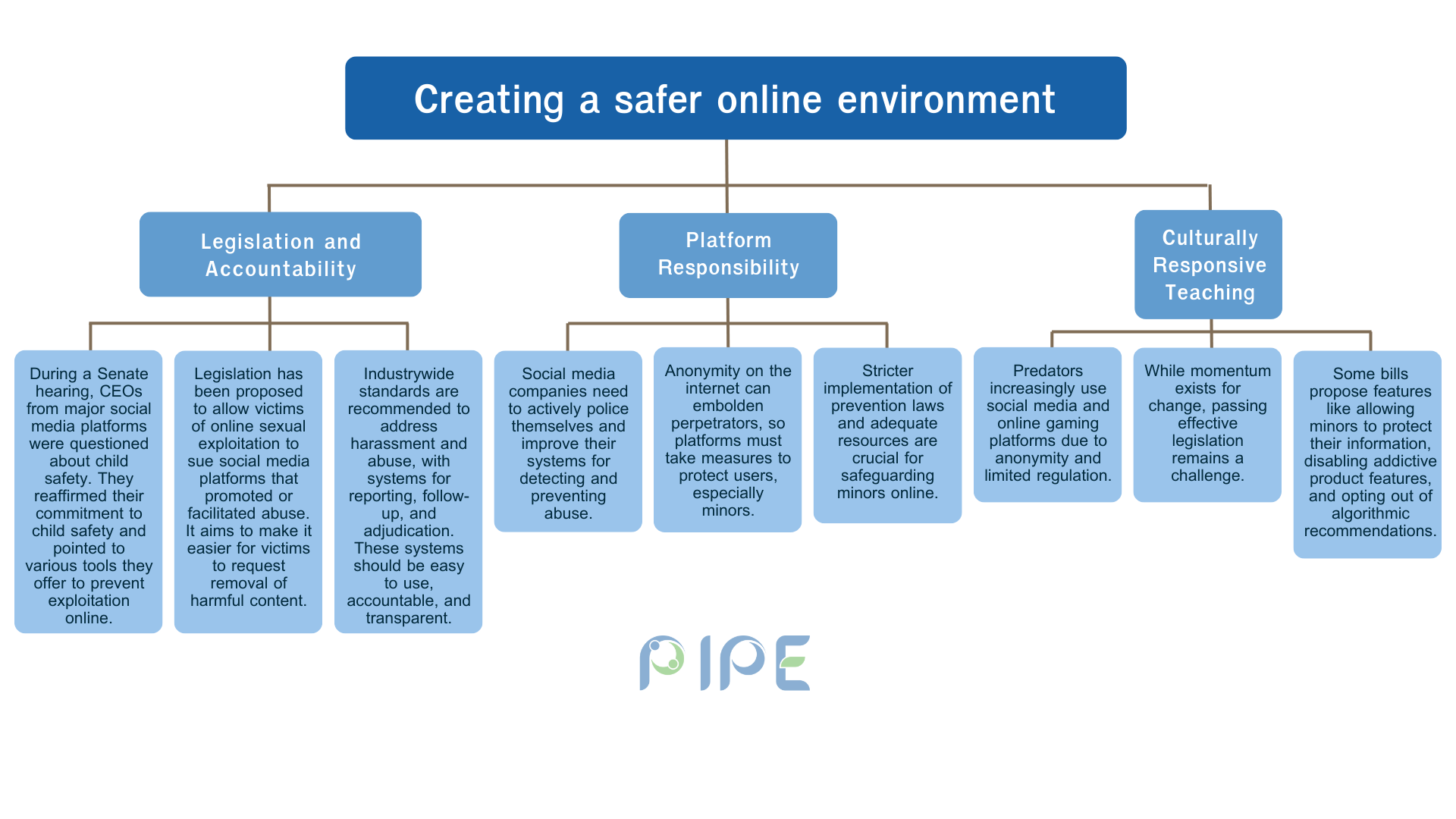
To address these problems, it is crucial that social media platforms implement stricter and more effective policies against abuse and exploitation. Security measures, such as identity verification and artificial intelligence to detect and block harmful content, need to be strengthened. In addition, closer collaboration is needed between governments, non-governmental organisations, and social media platforms themselves to create safer environments and provide support for victims. Migrant women can also benefit from educational programmes that inform them about risks and best practices in the use of social media. The creation of supportive communities, where women can share their experiences and get help, is essential. Support services must also be accessible in multiple languages and be culturally sensitive. That is, without losing the transformative and emancipatory ambition, they must be aligned with what each woman (who knows her reality and possibilities best) is able and willing to take on. The role of those who interact with these women in educational environments, their sensitivity, their tact, their model and their commitment, are crucial.