My past was legally erased. I had no birth certificate. Of the person who was born in Ukraine, only traces remained, scattered in my own memory, in tatters. My whole life so far had dissolved like a sugar cube in tea. Legally, until a fortnight ago, I did not exist. And everything I remembered about myself might as well not have existed either. (Margaryta Yakovenko, Desencajada, 2020)
Bubble question
What happens to those who stay, what happens to them when they arrive? Used to them, those chosen to emigrate after their dreams, escaping from hells where they endure all the miseries, those who only emigrate as merchandise devalued by human trafficking, those who arrive to be confined and to satisfy the appetites of those who denounce the threat that migrants represent for the security of their countries, they who have no face but only sexual organs, who have no name, who all fit the description of whore, they who have no voice even for pain, whose destiny was and is to be raped in a version of the myth of Sisyphus with the tone of the Handmaid’s Tale, they who in their origins are life, care, effort, sacrifice, wisdom and memory, has anyone heard their stories? Who, before teaching them the language that enslaves them, listened to their tale? Before we begin, listen to this story -activate English subtitles-, one of the thousand and one that hurt from the belly to the throat, confessed to us by one of those women who, somewhere beyond our VIP borders, continues to wait for her loved ones, without ceasing to fight, in her own way, the way a woman faces the desert of the world.
How to transform the memory of migrant women towards empowerment in another culture? It is not easy to respond to a multiple process of subjugation that includes being a woman, poor, foreign, unfamiliar with the cultural codes of the host place and escaping from a limiting reality due to her identity and gender role. Reversing what the 1984 Ministry of Truth has meant for women throughout history and with greater violence where poverty or ignorance have a greater presence. As in the story, it seems that all that is left for them to do is to cry to try to flood the desert. Breaking the trend means, from the teaching of the national language, as professionals or volunteers, to pedagogically assume the UNESCO principle that imagines the teaching of the national language to migrant women from access to education to empowerment.
Although this is a book of fairy tales or fairy tales, within its pages you will find few fairies. Talking animals, yes, and beings that are, to a greater or lesser extent, supernatural, as well as many sequences of events that somehow circumvent the laws of physics. But fairies, as such, are by no means rare, for in the concept of ‘fairy tale’ we use language figuratively: we use it loosely to describe a gigantic mass of infinitely diverse narratives that were once, and in some cases still are, transmitted and disseminated throughout the world by word of mouth. They are stories whose original creator is unknown and which can be remade over and over again by each person who tells them; a form of entertainment that the poor continue to update perennially. (Angela Carter, Fairy Tales)
Before imagining how to address gender equity in the teaching of the national language, it is advisable to think about the realities of where the women who have migrated come from; in their footsteps are narratives that in many cases have to do with what Angela Carter says, they are anything but fairy tales as we understand them in the European tradition, without tales of terror that escape to, crossing borders, penetrate in general, other tales of fear. We do not need the statistics of ignominy to understand the scenario of vulnerability through which migrant women pass, without wishing to generalise, their destiny and their origin are often linked to the worst slavery. If we add patriarchal and Western narratives to a reifying perspective, the result will be legitimisation and complicity with a world-market that treats them as merchandise, with greater violence when we add poverty and the deprivation of a dignified education that dignifies them to gender.
Not wanting to name what hurts turns any language teaching process into an act of complicity; gender-based violence infects cultures in such a way that it deserves to go through all the planning and, of course, the elaboration of content that favours the deconstruction of the colonising canon that labels them with the qualifiers of marginality. Two principles to be taken into account: confronting gender-based violence through the teaching of languages for migrants and giving value to migrants beyond the stigmas and prejudices imposed by patriarchy and capitalism.
Confronting gender-based violence by teaching the national language to migrants means for professionals and volunteers a challenge in which elements of the culture of peace appear that propose the educational process as an interruption of the dynamics that come from social inequalities, an educational interruption that means an interruption of the status quo of limiting beliefs and of the cycles of poverty. And these elements stemming from the culture of peace have a major impact about women who, in addition to being foreigners and unfamiliar with their host culture, suffer from the constraints of poverty and self-limitations stemming from the limiting self-perceptions they have inherited in their places of origin and which are increased by the prejudices of their host society.
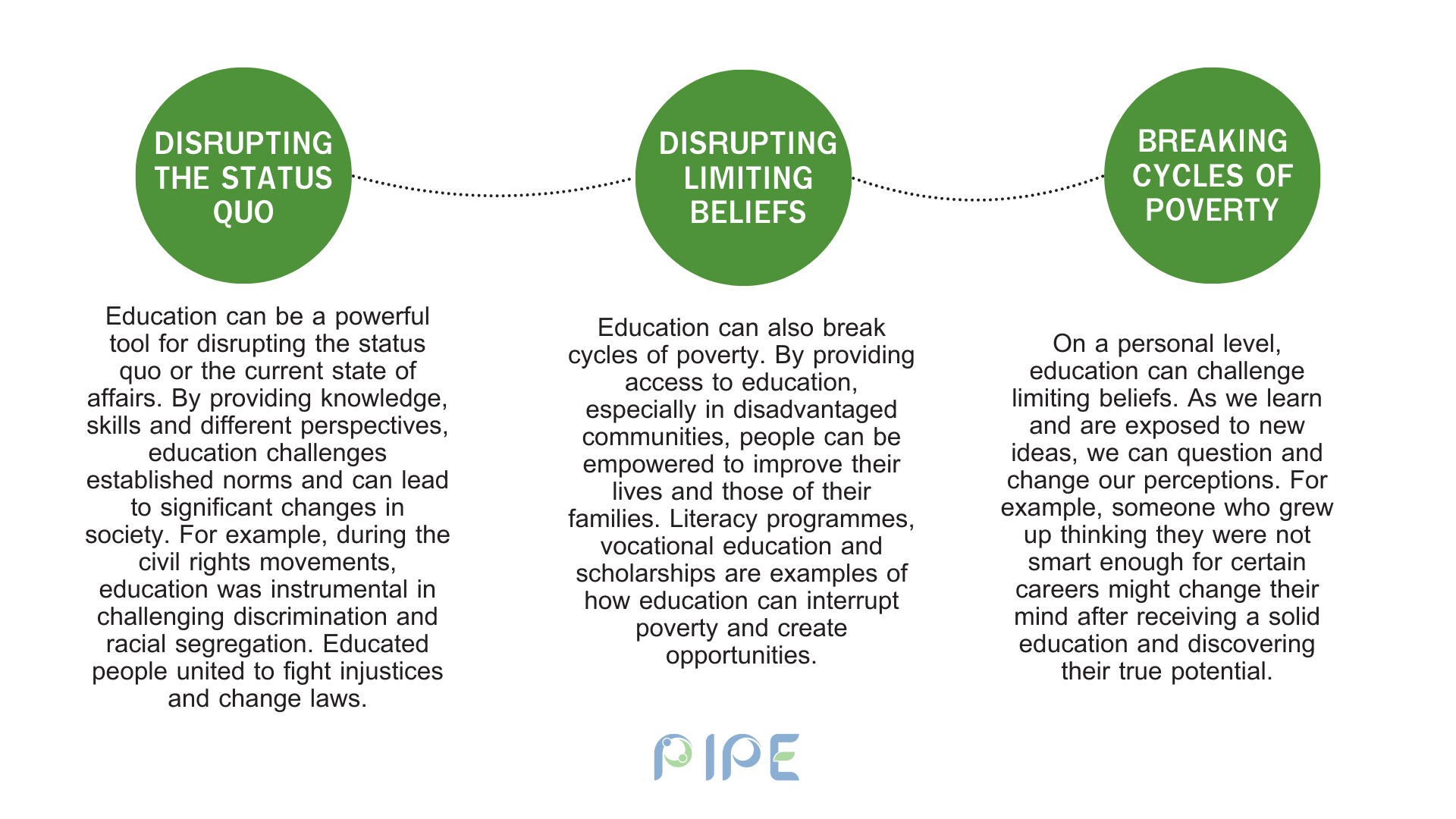
On the basis of the pillars of a culture of peace, we are faced with how to confront the culture of violence and violence through the teaching of the national language, and this invites us to address with migrants conversational spaces that allow us to express the perceptions that each person has of themselves in a gender context, to analyse the social expectations assigned to people based on their gender and to imagine how to promote equality, in our case, through language. This leads us to address the importance of inclusive language not as a solution but as a starting point. An inclusive language for which we echo the Guidelines on Gender-Neutral Language developed in 1987 by UNESCO, in which examples, alternatives and comments are collected to approach teaching from an inclusive language.
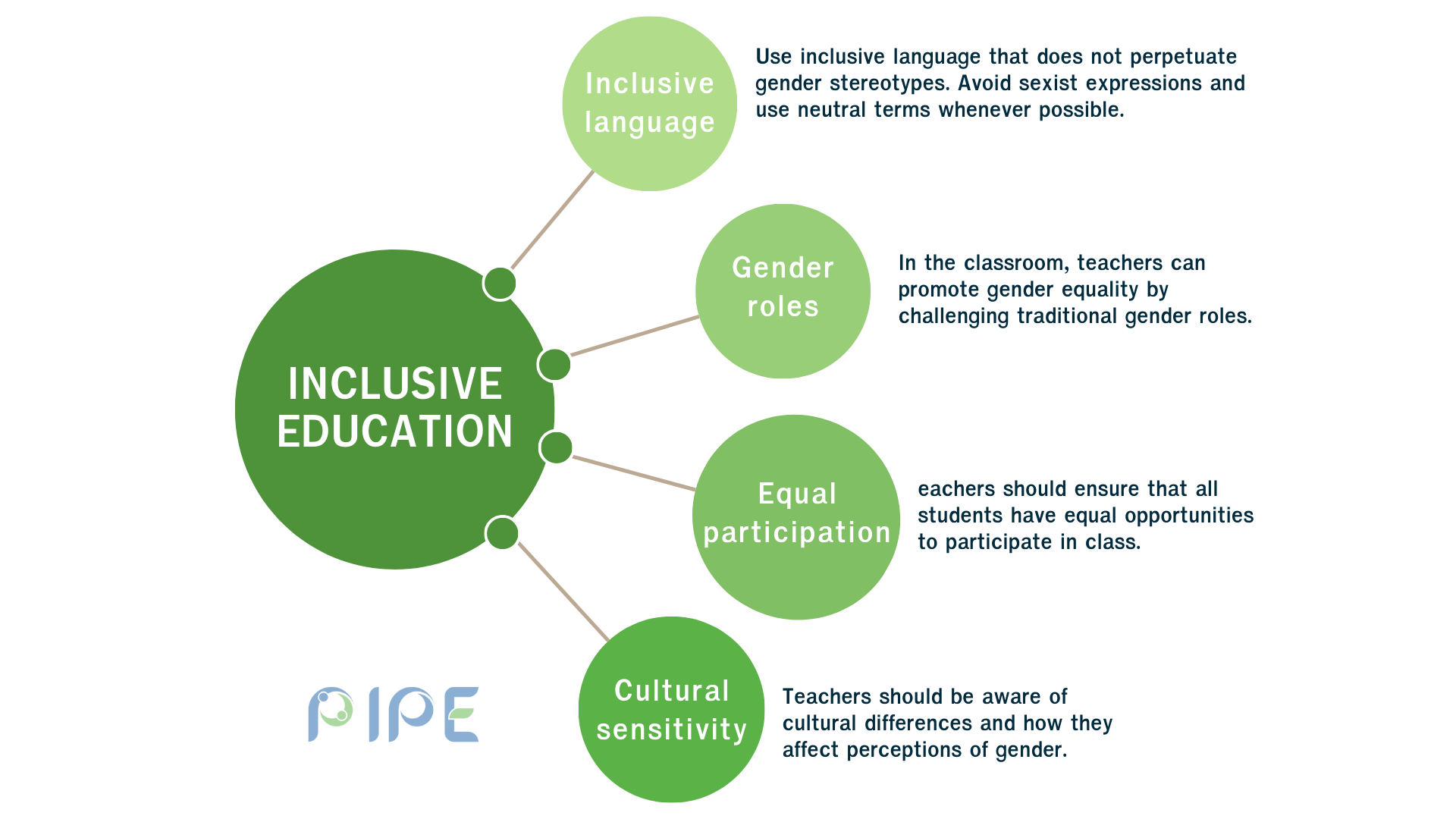
The plenary use of inclusive non-sexist language that promotes gender alternation, the use of the generic plural, neologisms and splitting, is a starting point for the transformation not only of language but also of its contents and forms, the generation of didactic materials that reflect a variety of gender identities that also break with limiting beliefs and the patriarchal status quo in everyday life, It also implies how to manage coexistence in the classroom so that gender diversity is celebrated and respected in the classroom and, without forgetting the importance of this small-scale work being accompanied by educational policies that promote gender equality in all educational spheres, the selection of significant content that shows another way of being, being and relating to each other as plural singularities. And for this it is essential, as professionals or volunteers, not only to be accomplices of gender equality but also to train ourselves specifically in the principles of equality and inclusive language.
In order to raise awareness and not to whitewash reality, we recommend reading the report From evidence to action: Tackling gender-based violence against migrant women and girls from 2021 to understand that e, in one study conducted with migrants who had travelled along the Mediterranean route from Northern Africa to Italy, it was estimated that 90 per cent of the women and girls who participated in the study were raped at some point during their journeys. The problem of gender-based violence in language teaching must come from a broad perspective that addresses a reality that people who do not migrate also suffer, especially when the data in Spain indicate that 95% of the people who suffer sexual exploitation are women and girls. Can we imagine the lives of women who do not migrate? What are their lives like in other countries? What are their lives like when they arrive on our shores? What does the future hold for them in their new destination? What do they need to learn and what do we need to learn to change this tale of terror?
We cannot forget that in the process of raising awareness and intervening against gender violence we are all part of the problem and of the possible solutions, that the pedagogical approach to tackle gender violence in a world overshadowed by the culture of violence requires new cultural references, other voices, which not only allow us to know and recognise ourselves in this reified otherness but also, by critically unveiling the traps hidden in this Dorian Gray portrait of western societies, to shelter as contents and continents other knowledge or epistemologies of resistance that not only empower us, but also allow us to be empowered, critically unveiling the traps hidden in this Dorian Gray portrait of Western societies, to shelter as contents and continents other knowledge or epistemologies of resistance that not only empower us but also offer us alternatives to be in the world in another way, similar in all its forms to Sumak kawsay -Quechua neologism-, to a dignified life, in plenitude, balance and harmony. In other words, in order to address gender violence in the teaching of the national language to migrants, it is not enough to introduce content related to gender equality in an accessory or transversal way; the transformative vision expands to our way of being in the world and of relating to the planet and to the Pacha Mama, and to all forms of life that make up the ecological neighbourhood, which requires, curricularly, not only the culture of peace, but also conflict prevention, inclusion and diversity, human rights and sustainable development to be taken into account.
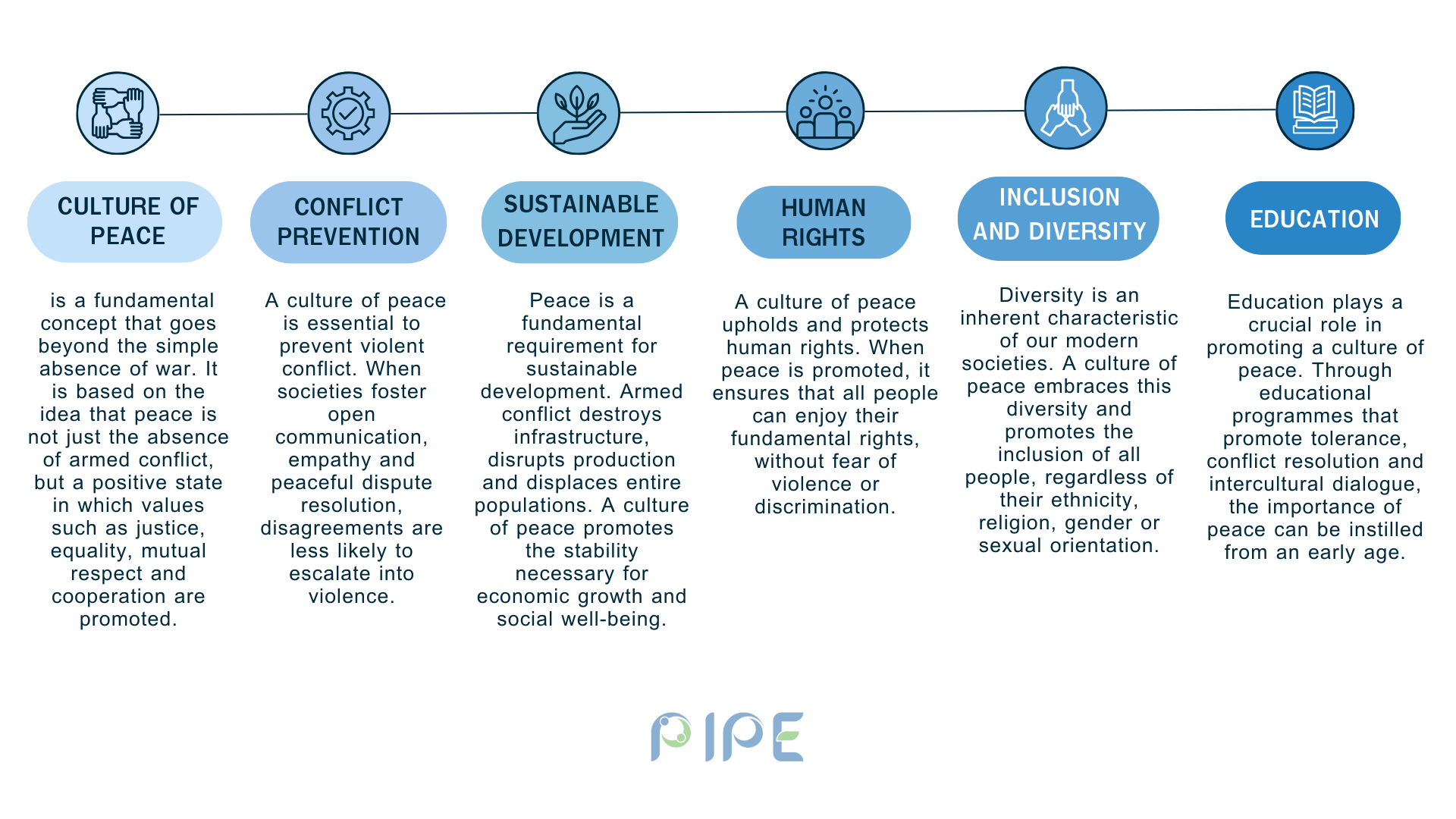
We have pointed out which pedagogical principles must be present to raise awareness and intervene against gender-based violence in the field of language teaching, and now we are concerned, before pointing out the resources of a dialogue of knowledge or epistemologies of resistance, to give value to migrants beyond the stigmas and prejudices imposed by patriarchy and capitalism.
We begin this chapter with a story because of the border, universal, hospitable and pedagogical nature of orality, like a cartography without borders that has travelled with humanity since its first steps, treasuring what our ancestors wanted to testify so that those who would have to live without their tutelage would know what was necessary to live in dignity in community. The story we offered at the beginning, narrated by women who wait like Penelope for their migrant relatives, contains a key scene to respond to the idea of giving value to people: in the inner courtyard, the women tell stories that no man has ever heard. These stories that are hosted in every home in the world, outside the techno-scientific curricula that spread around the world to respond to the international labour market, are the contents to be introduced as a vehicle for the dialogue of knowledge in language teaching if we want this process to be a space-time for sharing, exchanging, learning and teaching beyond the margins of epistemological or linguistic colonialism.
In orality, in the stories that signify the culture of defeated, dominated, impoverished peoples, forced to survive and migrate, we find not only wisdom, but another way of resolving conflicts beyond violence in all its forms, we find them, the women, them, the poor, them, the invisible and silenced beyond the margins of history. Bringing them back from the recovery of their contents is as relevant as establishing the teaching processes of the national language as a way for the people who are going to learn the new language to be heard, for their stories, their experiences, their memories to become the contents to be translated and to impregnate the meaning of the new words, hosting the different cultures in the host language not only empowers the migrant, but also puts the host in a self-critical situation, who, faced with his or her endogamous point of view, acquires other views and sounds that signify a place from which to look at the world.
The need to train professionals and volunteers to teach the national language to migrants is projected as a transformation of the host as a learner of the stranger, as an explorer who travels from the classroom, through the orality of otherness, through the world he/she ignores or knows from the archetypes, stereotypes, stigmas and other reductionisms imposed by the patriarchal, colonial and capitalist view that he/she has inherited, simply by being born in a certain part of the planet. And this Copernican change, which comes from a pedagogy of interlinguistic hospitality already mentioned in this guide, needs their voices and their stories.
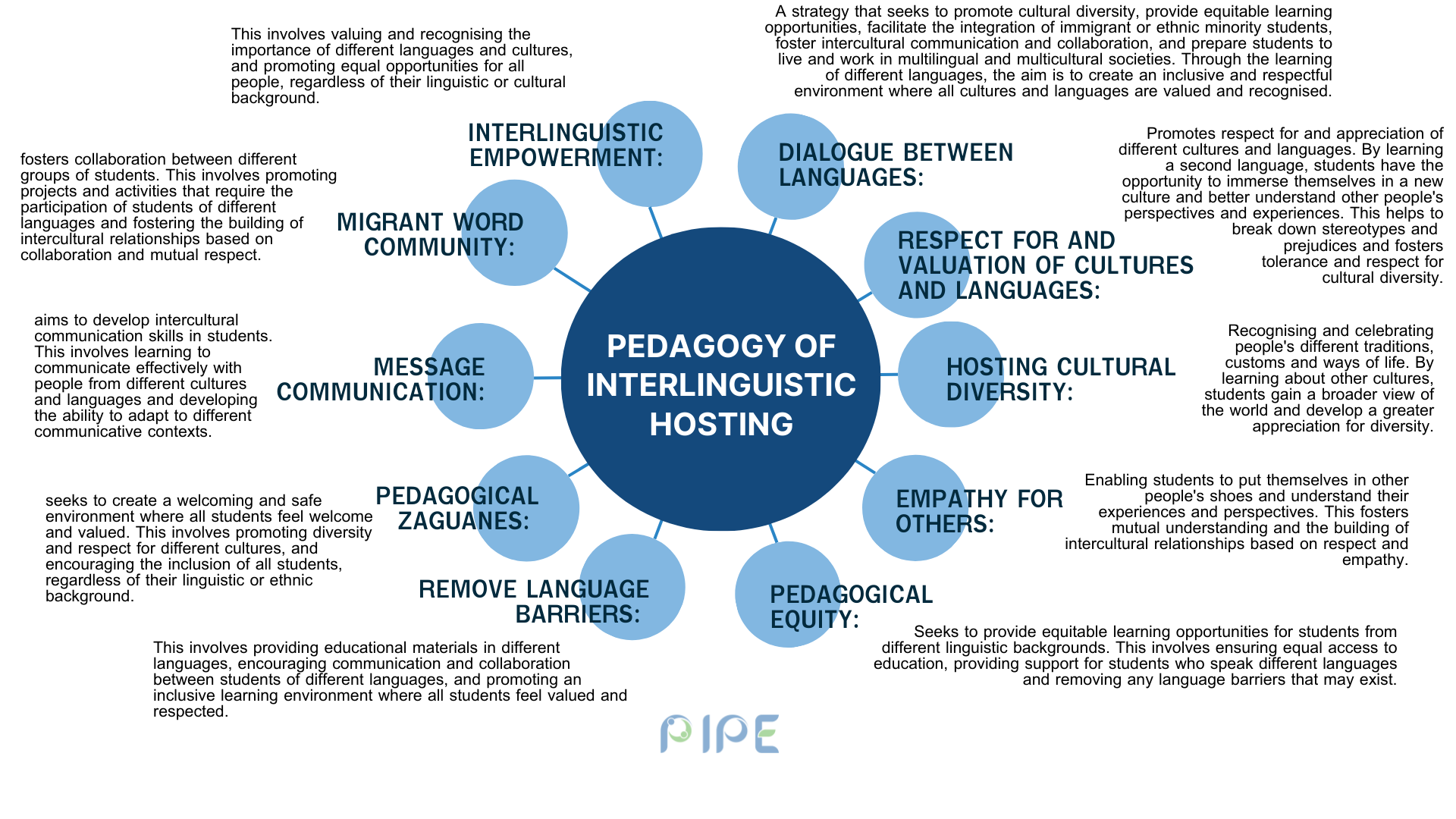
From anthropology, the aim is to transform the classroom into a space for the compilation of plots that contain part of the identity and memory of the migrant person and that show, on the margins of the universalist tendency of the single thought and the uniformist inertias of the techno-scientific pact that the great economic powers agree on, experiences and ways of resolving coexistence conflicts that are different from those that, from the capitalist-patriarchal-colonising approach, are fictionalised from myths to current superhero films, through violence and the ethical-aesthetic polarisation of the good guys, us, and the bad guys, them. Current narratives as superstructure of techno-scientific academic paradigms are sublimated in relation to gender-based violence, rape culture, pornography and prostitution. Listening to migrants of any gender identity opens us up as professionals or volunteers but, in addition, through their autobiographical migrant narratives and their account of inherited oral traditions, a re-signification of their past is encouraged that favours the rupture of limiting beliefs, the interruption of the status quo assumed in the plots and therefore, a re-appropriation of their identity in the present that is lighter, in the process of empowerment.
From the anthropology of cultures to the sociology of absences in order to promote a dialogue or an ecology of knowledge. At both levels, we are promoting the teaching of the national language as an exchange, a dialogue not only of words, but also of values, of challenges, of suspicions and fears, of hopes and of everyday life.
The pedagogical power of the story emanates from the community experience; it is born from the conflicts that threaten coexistence and at the same time represent a learning opportunity for its members. If pedagogy results from the link between the political and the ethical; if the political is the act that affects others and the ethical is the reflection on the consequences of the act on others, orality as a story of acts and consequences contains the skeleton of the convivial tradition where we can recognise ourselves in any place and time. Its plots inhabit the dilemmas that challenge us and which, over the centuries, have not changed too much. We insist on the Aristotelian concept of potency because the tale operates like a resin, it adapts to the context, its morphology can and does wear the costume of each culture without losing its referents, it is capable, as in the example of Cinderella, of traveling from some region of China and its passion for small feet, accompany Marco Polo back along the silk road, put on Murano glass shoes on a Venetian island, be versioned in the hands of Basile, Perrault or the Brothers Grimm, until it arrives on the big screen and becomes a Disney classic. But the story continues to carry its essence and at the same time its ductility in conveying to listeners or readers the concerns of each era. The pedagogical power of the story links the aesthetic to the ethical to show politics as the commitment of citizens to defend the common against the private. (Castañeda, Domonell y González, 2022, p.323, Activate subtitles in English)
Let’s stay with the last paragraph of the previous quote, the link between the ethical and the aesthetic to understand politics as the commitment of citizens to defend the common against the private, that is, how to transform the other from a potential enemy to a potential friend, or how to change from violating to caring.
Let’s make a simple exercise of imagination, let’s think about the first woman who, being aware of her mortality, somewhere in Africa, surely, thought that her descendants needed to learn in order to survive in the world, it is possible that in that remote moment the first story was born and with it, the first school, if we place it not under a Baobab but in a cave with cave paintings, we will have the first blackboard or the first didactic slide show. In Hampaté Ba’s studies on those first stories, we find among the different criteria of the pedagogical power of stories, their adaptability to the different experiential levels of their listeners, the same story is heard in childhood, it grows and its meaning deepens as knowledge and experiences are incorporated, but the story continues to carry at different levels an inter-subjective morality which gives priority to defend the collective over the individual. For example, in the stories of the mother of calamity, Njeddo Dewal, it is interesting how the antagonist-monster adopts the form referring to the excesses that a person or a group has committed in relation to their environment or in their own coexistence relations, it takes the representation of their excesses that the Greeks called hybris, it is the sub-Saharan version of the Portrait of Dorian Grey. But what is remarkable is that the solution to the conflict is not immediate or quick, it requires sacrifice, education and transgenerationality, collective commitment to restore the balance, it is not based on the individual heroism of the Greek myths but on the joint effort of the community over time and through educational processes.
Stories like this form the backbone of the cultures and customs of all the peoples who are on the fringes of what we call the first world and, although they have less, they are more. And yet, we must confess that no place is perfect and poverty is not a virtue, in the exchange of knowledge, in this dialogue we must aspire to analyse the plots from the convergent criteria of human rights, gender equality and sustainability, this triad must vertebrate the process of teaching the national language to migrants, not everything is tolerable, not everything is valid. This does not mean a selection of politically correct, infantilised or didacticized content, but rather the commitment to select meaningful content that will host us and educate us by example or criticism, that will show us throughout history the value of struggles and the transformations they bring about, as well as the threat and the dangers of lowering the guard and turning to other moments in history that are less conducive to peaceful coexistence among equals.
As professionals or volunteers who are going to imagine a pedagogy of interlinguistic hospitality, we need to know and recognise the face of the barbarism that hides behind gender violence, we also need to know and recognise them as essential parts to imagine a sustainable and peaceful world. What do we know about them? How many writers, painters, scientists, adventurers, film directors, businesswomen, pedagogues …. Do we know beyond our borders? And within our borders and memories? These questions are essential, asking them arouses a deep curiosity to listen to them, to read them, to observe them, to learn from them, from them women and from their cultures, because their words, although they may seem strange and useless, contain as much of the world as we think we can control. These questions raise the educational demand, not technical but cultural, which is needed as a starting point for the person who aspires to promote gender equality and confront gender-based violence. To understand why the teddy bear did not care about the nationality, age or gender of the person who rescued him from his loneliness.
Freshly sewn by a little girl with a slanting gaze, the teddy bear settled into its cardboard and plastic wrapping, dreaming of being the favourite toy of a human who would shower it with kisses and put it to sleep in his arms. Until reality invaded the story. Uniformed men opened the packaging and pointed torches at him, squeezed him, stripped him of his crimson ribbon, turned him upside down. He heard from the cold lips of his captors that it was a fake, that it had no seal, that it was illegal, dangerous. They took pictures of it and labelled it X-1044. Without explanation they threw him on a mountain of stuffed brothers. Darkness and silence annihilated time. Uniformed men returned and loaded them into a roofless truck. In the rain he felt the dampness and gazed at the stars, as beautiful as they were distant. The truck stopped and the tipper dumped him among the other teddy bears on a mountain of rubbish. Smelling of death and lying face down, he thought the stars had abandoned him. The loneliness grew until it engulfed everything. Thin, cold hands rescued him, he doesn’t know how long after – what does a teddy bear know about time! He had a freckled face, hair like night and eyes the colour of a teddy bear. He hugged it and carried it away, night and day, raining and snowing, in a long line of humans stopping in front of a wall as grey as fog. The teddy bear was happy, it was a little girl’s favourite toy and the little girl, hungry and afraid, had her teddy bear. It came from Gaza, but that didn’t matter to the bear. (Novoa, 2018)
Gender equity in national language teaching for migrants is, in abstract, an act of justice. It means involving and empowering more than half of the population that suffers discrimination due to conditions that violate the dictates of universal rights and that violate the minimum conditions for what deserves to be called a dignified life. We have the opportunity, through education, to reduce the limiting beliefs of those who cross borders fleeing conditions of subjugation and slavery, and to alert them to the dangers that lurk behind the scenes of host societies, a metaphor for the story of Little Red Riding Hood, which coincidentally arrived through migration from Africa to Europe, to remind them that behind the good manners and promises lie predatory networks that perpetuate the culture of rape and profit from human trafficking. Also, to introduce them to other threats such as racism and misogyny that intertwine with ignorance to project a hatred that makes migrants responsible for all evils, at the centre of the discourses of extreme right-wing parties and their sympathisers. It is not a question of scaring, but of turning the teaching of the national language into a process of empowerment so that, as Txabi Arnal’s story Caja de Cartón -activate subtitles in english– says, they do not forget to smile.