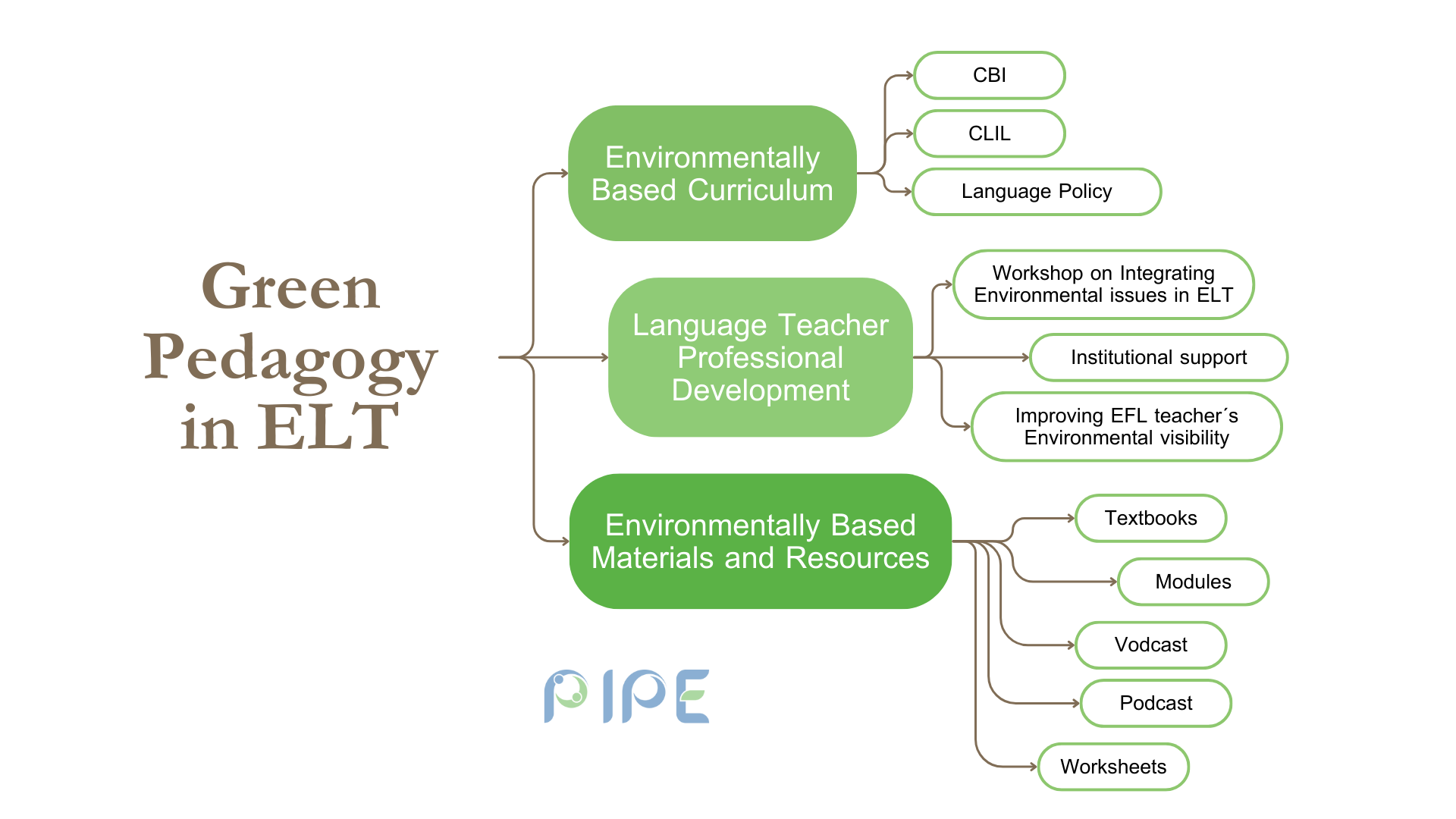
By 2030, ensure that all learners acquire the knowledge and skills needed to promote sustainable development, including, among others, through Education for Sustainable Development and sustainable lifestyles, human rights, gender equality, promotion of a culture of peace and nonviolence, global citizenship and appreciation of cultural diversity and of culture’s contribution to sustainable development. (UN 2015)
Environmental education for sustainability has emerged as a critical component of language learning, reflecting a growing global awareness of the interconnectedness between language, culture, and the environment. This approach recognizes that language is not only a tool for communication but also a means of understanding and interacting with the world around us. By integrating environmental education into language instruction, educators can empower learners to become informed and responsible global citizens who are equipped to address the complex challenges facing our planet.
The historical context of environmental education can be traced back to the early 20th century, when concerns about resource depletion and pollution began to emerge. Early efforts focused on nature study and conservation education, aiming to instil a sense of appreciation and stewardship for the natural world. In the 1970s and 1980s, environmental education gained momentum with the rise of the environmental movement and the publication of influential reports such as “Limits to Growth” and the “Brundtland Report.” These reports highlighted the urgent need to address environmental issues and promote sustainable development.
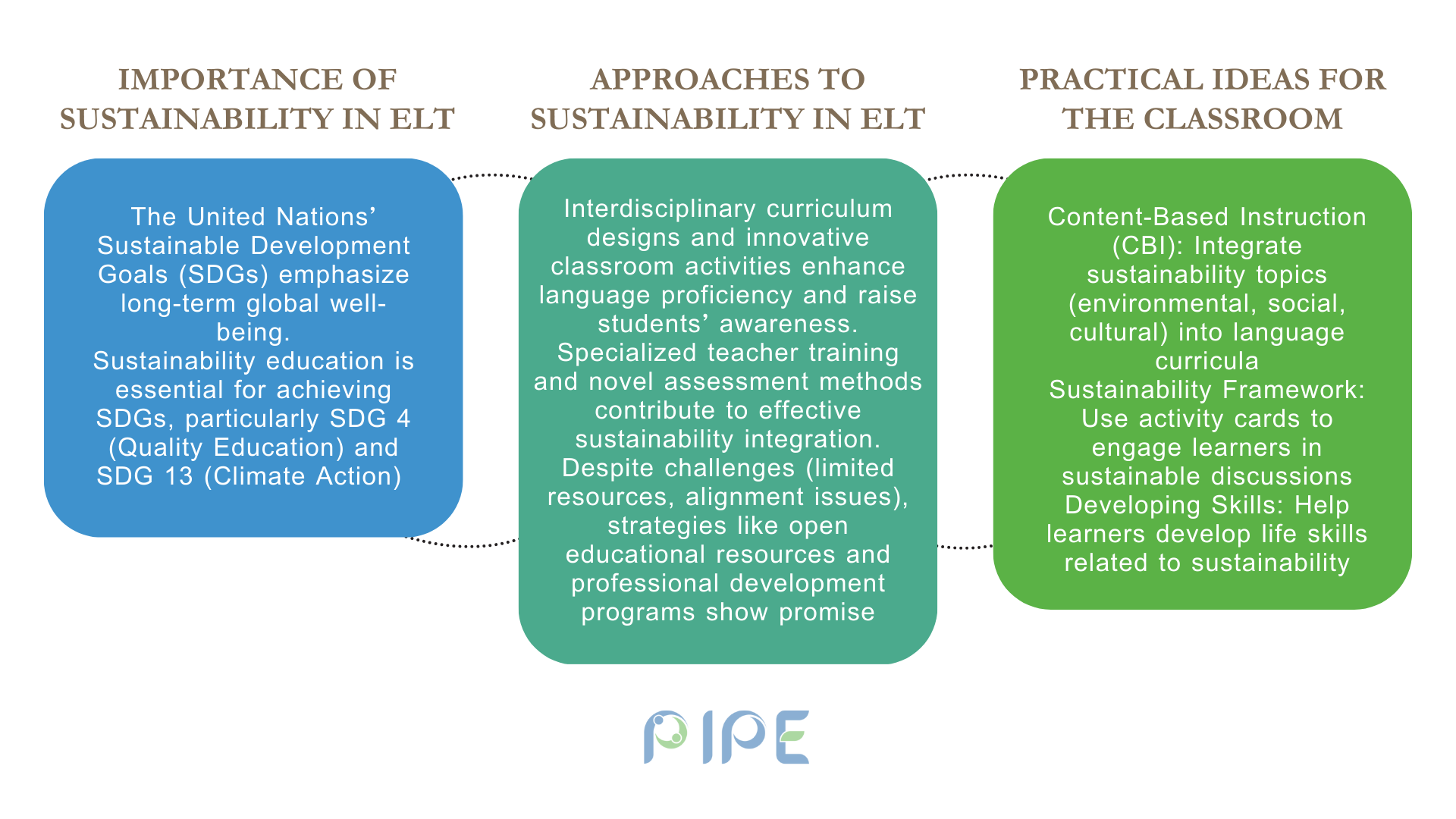
The current situation of environmental education for sustainability is characterized by a growing recognition of the need to integrate environmental concerns into all aspects of education, including language learning. This is driven by the increasing urgency of environmental challenges, such as climate change, biodiversity loss, and pollution, as well as a growing awareness of the social and economic dimensions of sustainability. There is a growing consensus that environmental education should not be a separate subject but rather a cross-cutting theme that is integrated into all aspects of the curriculum.
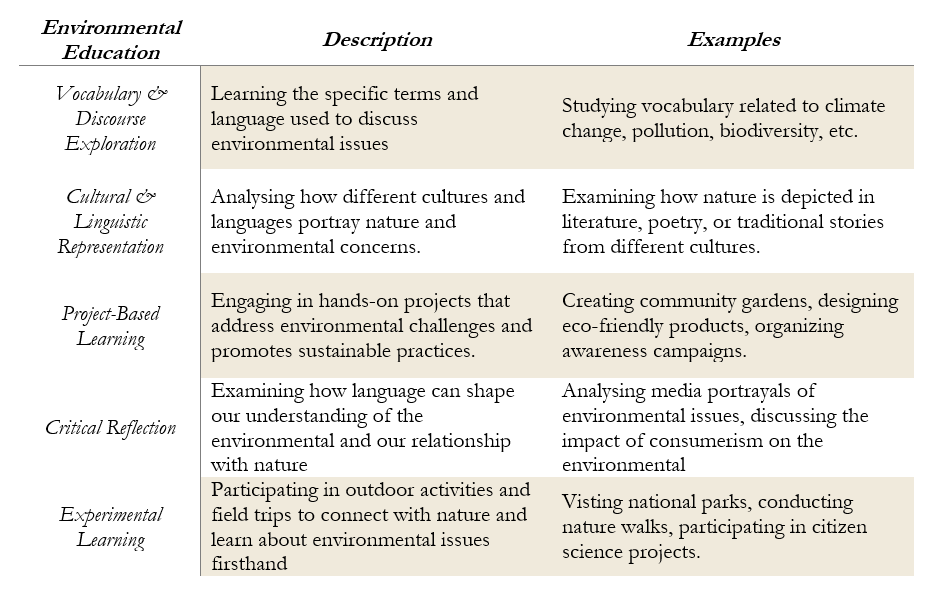
In language learning, environmental education can take many forms. It can involve exploring the vocabulary and discourse of environmental issues, analysing the cultural and linguistic representations of nature, and engaging in projects that promote sustainable practices. It can also involve critical reflection on how the ways in which language can be used to shape our understanding of the environment and our relationship with the natural world. By integrating environmental education into language instruction, educators can help learners develop a deeper understanding of environmental issues, foster critical thinking skills, and cultivate a sense of responsibility for the planet.
The future perspectives for environmental education are promising, as there is a growing demand for educational programs that prepare learners to address the complex challenges of the 21st century. The United Nations Sustainable Development Goals (SDGs), adopted in 2015, provide a global framework for addressing environmental, social, and economic issues. Education is recognized as a key driver for achieving the SDGs, and environmental education is seen as an essential component of this effort.
In the context of language learning, the future of environmental education may involve greater emphasis on experiential learning, where learners engage in hands-on activities and projects that connect them to the natural world. It may also involve greater use of technology, such as virtual field trips, simulations, and online collaboration tools, to create immersive and interactive learning experiences. Additionally, there may be a greater focus on interdisciplinary approaches that integrate environmental education with other subject areas, such as science, social studies, and the arts.